
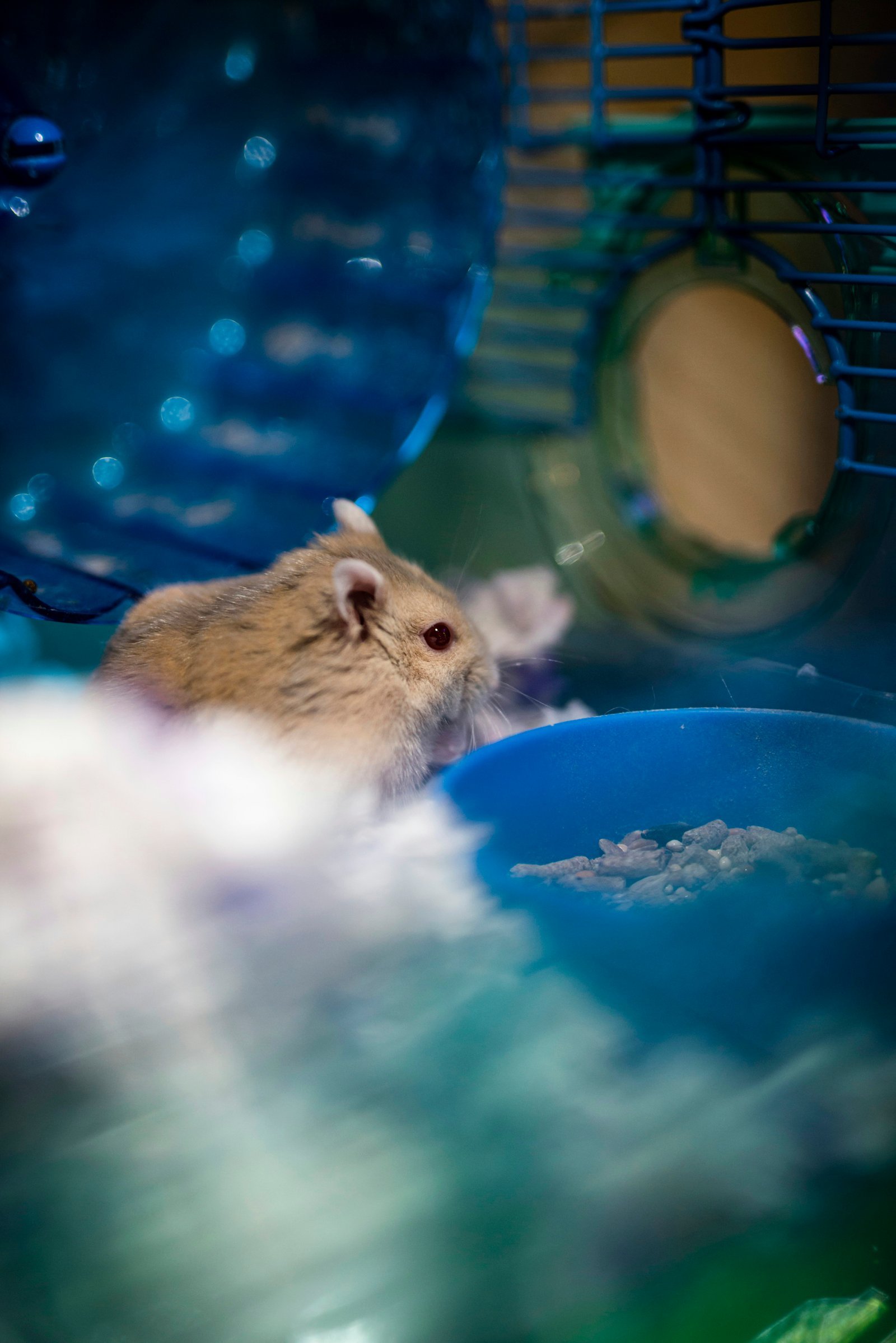

Understanding Hamster Needs
Hamsters, like many other small animals, are often kept as pets without their natural needs being fully understood. In the wild, hamsters inhabit vast territories where they can run, explore, and burrow extensively. This natural habitat significantly differs from the limited space provided in many pet store cages. It is important to recognize that hamsters are highly active creatures; they require ample room to engage in their instinctive behaviors, which include running and foraging. A larger cage not only satisfies their need for space but can also mimic a more natural environment, enhancing their well-being.
When considering the differences between wild and domesticated hamsters, it becomes clear that the latter have been bred for companionship rather than survival. Despite this domestication, the core behaviors and needs of hamsters remain intact. They continue to exhibit natural instincts such as nesting, burrowing, and exercising. Failure to provide a larger cage restricts these essential behaviors, potentially leading to stress, obesity, and behavioral issues. A spacious habitat allows hamsters to explore various terrains, engage with toys, and develop a more enriching lifestyle.
A larger cage also fulfills essential physical needs. Hamsters require adequate room to run, as they naturally cover large distances in search of food and mates. Moreover, they are known to be very clean animals that need space for separate sleeping, eating, and bathroom areas. This cleanliness is vital for their health and well-being. Psychologically, a larger habitat fosters mental stimulation, minimizes boredom, and helps prevent common issues such as repetitive behaviors associated with restricted living conditions. Thus, ensuring a larger cage for your hamster is not merely a luxury but a necessary investment in their overall health and happiness.
The Limitations of Small Cages
Pet stores often offer cages for hamsters that are significantly smaller than what is recommended for their well-being. Typically, these cages measure around 24 inches long and 12 inches wide, which may seem adequate at first glance. However, such dimensions are grossly inadequate for a creature that is naturally inclined to explore and exercise. Hamsters require a minimum habitat space of 600 square inches, which helps cater to their instinctual behaviors, including running, hiding, and burrowing.
Keeping hamsters in small cages can lead to a multitude of issues. Stress is one of the primary concerns, as a cramped environment does not allow hamsters to express their natural behaviors. A survey involving experienced hamster owners indicated that a staggering 70% reported observing signs of stress in hamsters housed in smaller cages, including excessive chewing on bars, lethargy, and aggressive behaviors. Furthermore, studies have shown that lack of space correlates with increased levels of obesity in hamsters due to limited opportunities for physical activity.
Boredom is another consequential aspect of keeping hamsters in confined spaces. Small cages do not allow for an enriching environment that includes various toys, tunnels, and climbing structures. Research indicates that hamsters in larger, enriched habitats display higher activity levels and explore their surroundings more willingly. As owners of these pets often mention, providing a spacious cage not only contributes to a healthier lifestyle but also enhances the overall temperament and happiness of the hamster.
In light of these considerations, it becomes vital for prospective hamster owners to seek cages that fulfill the needs of their pets rather than simply settling for those available in pet stores. Prioritizing space and environmental enrichment is essential for the long-term health and happiness of hamsters.
Space Requirements for Different Species
When selecting a cage for your hamster, it is vital to consider the specific space requirements for different species. The most commonly kept hamsters are Syrian hamsters, dwarf hamsters, and Roborovski hamsters, each of which has unique space needs that must be met to ensure their health and well-being.
Syrian hamsters, known for their larger size, require a minimum cage length of 24 inches (60 cm) and a depth of 12 inches (30 cm). A cage of this size provides adequate room for them to roam, explore, and engage in natural behaviors such as burrowing and climbing. In addition, Syrian hamsters are solitary animals, so they do not require companionship, allowing them to utilize their space fully. Ideally, a larger cage would allow for the inclusion of enrichment items such as tunnels, wheels, and toys.
Dwarf hamsters, which include Campbell’s dwarf and winter white hamsters, can thrive in slightly smaller spaces but still need sufficient room to move comfortably. A cage that is 24 x 12 inches (60 x 30 cm) is generally recommended for these species, as they are smaller in size but still active. Dwarf hamsters are known to be social creatures, and while they can live together, it is important to monitor them for any signs of territorial behavior.
Roborovski hamsters are the smallest of the common pet hamsters. They typically require a cage that measures at least 24 inches in length and 12 inches in depth. This size allows them to exhibit their energetic behaviors and social interactions if kept in pairs or groups. Their habitats should offer vertical space for climbing and various hiding spots to create a stimulating environment.
In summary, providing an appropriate cage size tailored to the specific needs of each hamster species is essential in promoting their physical and mental health. Investing in a spacious enclosure will enhance their quality of life and contribute to a happier, healthier pet experience.
Behavioral Enrichment and Exploration
Providing a suitable living space for your hamster extends beyond the basic needs of food and water; it encompasses behavioral enrichment and the opportunity for exploration. While pet stores typically offer cages that are compact and designed for convenience, these enclosures often lack the necessary space for hamsters to engage in their innate behaviors. A larger cage allows pet owners to create an environment bursting with interactive elements that can significantly enhance the well-being of hamsters.
A spacious habitat equips hamsters with room to move, play, and explore. In such environments, owners can introduce a variety of toys, tunnels, and climbing structures. For instance, incorporating exercise wheels not only provides essential physical activity but also satisfies their natural instinct to burrow and explore. Moreover, tunnels can simulate underground environments, promoting a sense of security while encouraging their natural behavior of nesting and investigating.
To sufficiently enrich your hamster’s habitat, consider adding multiple layers and levels to the cage. This can be achieved through shelves or connected tunnels that allow your pet to climb and explore different heights. Additionally, providing items like cardboard boxes, paper towel rolls, and chewable accessories can stimulate curiosity and promote mental engagement. Furthermore, rotating toys periodically keeps the environment fresh and exciting for your furry friend. Incorporating natural materials such as wood shavings or hay can also mimic their inhabitants in the wild, enhancing their living conditions.
A well-enriched habitat is essential for the overall health and happiness of hamsters. It reduces boredom and the associated behavioral problems, such as excessive chewing or cage aggression. By recognizing that a larger cage provides more than just a living space but also a stimulating environment, you can significantly enhance your hamster’s quality of life.
Health Implications of Cage Size
The size of a hamster’s cage is a critical factor influencing its overall health and well-being. Many pet stores offer cages that may seem adequate but fail to provide the essential space that hamsters need for physical activity. A confined space can lead to significant health risks such as obesity, lethargy, and stress, which can subsequently affect their lifespan and quality of life.
Hamsters are naturally active creatures that require ample room to engage in instinctive behaviors like running, climbing, and exploring. A lack of space inhibits these activities, resulting in a sedentary lifestyle. Obesity is a prevalent issue in hamsters living in small cages, where limited movement leads to weight gain. This condition can cause various health complications, including diabetes, heart disease, and joint issues, particularly as they age.
Inadequate cage size can also contribute to lethargy in hamsters. When they do not have the opportunity to exercise, their energy levels decrease, leading to a lack of enthusiasm for play and interaction. This sedentary behavior can create a cycle of inactivity that negatively impacts a hamster’s emotional and mental health as well. Additionally, stress can manifest in small cages due to overcrowding or a lack of personal space, which makes hamsters more prone to behavioral problems and may lead to health issues such as hair loss or aggression.
Therefore, promoting physical activity through larger living spaces is essential for enhancing your hamster’s overall health. Providing an adequately sized cage not only facilitates exercise but also enriches their environment, offering various opportunities for mental stimulation and exploration. Ultimately, investing in a larger cage is a crucial step toward ensuring your hamster’s long-term health and happiness.
Tips for Choosing the Right Cage
When considering a larger cage for your hamster, the first factor to evaluate is the appropriate size. Hamsters are known for their energetic and playful behavior, and providing sufficient space is essential for their health and happiness. The general recommendation is to opt for a cage that offers a minimum floor space of 450 square inches, ensuring your hamster has ample room to run, explore, and engage in natural behaviors.
Next, the material of the cage is crucial. Cages made from non-toxic, safe materials, such as metal wire and durable plastic, are preferable. Avoid cages with sharp edges or materials that could pose a risk of injury. A solid base is also important, preventing bedding from spilling out and minimizing mess. Additionally, cages with solid floors are more comfortable for your hamster to walk on and are easier to keep clean.
Ventilation is another key aspect to think about. A well-ventilated cage will help maintain an adequate airflow, reducing the risk of bacteria growth and odors. Cages with a combination of wire sides and a solid base typically allow for optimal ventilation while providing a secure environment for your pet.
Easy cleaning features should not be overlooked. Choose a cage that can be easily disassembled for thorough cleaning. Removable trays or containers can minimize mess during upkeep and encourage regular maintenance, which is vital for your hamster’s health.
Lastly, consider the cage’s design features. Look for spaces that incorporate levels or platforms where your hamster can climb, providing stimulation and exercise. Additional features like tunnels, hideouts, and chew toys can enrich the environment, making it more engaging for your pet. A thoughtfully designed cage will not only meet your hamster’s needs but also enhance its quality of life.
Creating a Comfortable Environment
When transitioning your hamster to a larger cage, it is vital to recreate an environment that mirrors their natural habitat and meets their physical and psychological needs. Begin by choosing appropriate bedding that is both absorbent and safe. Options such as aspen shavings, paper-based substrate, or hemp bedding can provide a comfortable base for your hamster while also minimizing odors. Avoid cedar or pine shavings, as these can be harmful to their respiratory systems.
Incorporating hiding spots is crucial for your hamster’s comfort. These small creatures enjoy burrowing and exploring, so providing tunnels, wooden logs, or commercially available hideaways enhances their sense of security. Additionally, placing nesting materials like shredded paper or hay within these hiding spots offers them a cozy area to retreat and rest.
Chew toys are essential not only for entertainment but also for maintaining dental health. Select a variety of wooden toys, cardboard boxes, and natural branches that your hamster can gnaw on. This prevents their teeth from overgrowing and offers mental stimulation, which is necessary for a happy and healthy hamster.
Maintaining an optimal temperature and humidity level in the cage is also paramount. Hamsters thrive in a temperature range of 68-72 degrees Fahrenheit (20-22 degrees Celsius) and should be kept in a well-ventilated area, away from direct sunlight or drafts. Using a thermometer and hygrometer can help monitor these conditions effectively.
Lastly, evaluate the safety of the cage by ensuring there are no sharp edges or small spaces where your hamster could get stuck. Position the cage in a quiet part of your home to minimize stress for your pet. Regular cleaning of the cage and replacing soiled bedding is important for both hygiene and maintaining a pleasant environment. By following these guidelines, you can create a comfortable and stimulating habitat that promotes your hamster’s well-being.
Addressing Common Misconceptions
One prevalent misconception regarding hamster care is the belief that small cages available at pet stores are adequate for these small creatures. Many pet owners presume that a compact living environment is sufficient for hamsters, considering their size. However, it is crucial to recognize that a bigger cage significantly enhances the wellbeing of hamsters and addresses their natural instincts.
Hamsters are highly active animals, requiring ample space to explore, exercise, and fulfill their innate behaviors. When confined to a small cage, hamsters may experience stress, boredom, and obesity, leading to various health issues. The behavioral manifestations of stress in hamsters can include excessive chewing on cage bars, pacing, and a decrease in overall activity levels. These behaviors highlight the inadequacies of smaller cages in meeting their needs.
In addition to exercising space, a larger cage allows for the inclusion of enrichment tools such as tunnels, wheels, and hideouts. These additions encourage natural energetic behavior, which is essential for maintaining their physical and mental health. Contrary to the belief that hamsters can be happy in small enclosures, numerous studies suggest that larger spaces lead to enhanced exploratory behavior, improved mood, and increased longevity.
Moreover, the size of a hamster’s cage directly correlates with the creature’s ability to exhibit preferences and engage in social interactions, particularly for species that enjoy socialize time, such as Campbell’s dwarf hamsters. By providing a more spacious environment, owners can foster these social behaviors, enriching the overall quality of life for their beloved pets.
Ultimately, the notion that small cages suffice for hamsters falls short of meeting their basic needs. By debunking this misconception, we promote a more informed understanding of hamster care, ensuring these small mammals lead healthier, happier lives in appropriately sized habitats.
Conclusion: A Better Life for Your Hamster
In conclusion, it is evident that providing a larger cage for your hamster is crucial for their overall well-being. The common cages sold in pet stores often fail to meet the extensive spatial needs of these lively creatures, which can lead to various physical and psychological issues. A bigger cage not only gives hamsters the room to explore and exercise but also contributes significantly to their mental stimulation. This increased activity allows hamsters to express natural behaviors, thereby promoting healthier lifestyles.
Furthermore, adequate space in a hamster’s habitat encourages social interactions, whether with other hamsters or through enhanced engagement with their human caregivers. As discussed, hamsters are active animals that thrive in environments where they can burrow, climb, and explore. When pet owners prioritize providing a suitable living area, they are making a substantial investment in the happiness and longevity of their pets.
By understanding the importance of space and the limitations of conventional pet store options, hamster owners can create an enriching environment. A well-designed and spacious cage can lead to a significant improvement in the quality of life for these small animals. Therefore, it is imperative for pet owners to re-evaluate the size of their hamster’s habitat and consider expanding it. A commitment to your hamster’s health translates directly into a more fulfilling and joyous life for your pet. Prioritize their well-being by ensuring they have a spacious, comfortable, and stimulating environment to thrive in.