

Introduction: The Rise of Fast Fashion Footwear
The phenomenon of fast fashion has significantly transformed the footwear industry over the past two decades. Fast fashion footwear refers to the rapid production of inexpensive and trendy footwear styles that are often inspired by high-end fashion. This model is characterized by swift manufacturing processes, enabling brands to provide consumers with the latest styles at remarkably low prices. The appeal of fast fashion lies in its ability to offer an ever-changing array of choices, catering to a consumer base that seeks the latest trends without the economic burden associated with traditional retail prices.
However, the environmental and social implications of this model are becoming increasingly concerning. The production cycles of fast fashion footwear typically prioritize high output and low cost, leading to significant environmental degradation. Resources such as water, energy, and raw materials are consumed in large quantities, often contributing to pollution and waste that adversely affects ecosystems. Additionally, poor labor practices are frequently associated with fast fashion, highlighting issues such as inadequate wages, unsafe working conditions, and labor exploitation.
This growing awareness around the negative consequences of fast fashion has led to a rising demand for alternative footwear options that emphasize ethical and sustainable practices. Consumers are increasingly seeking options that not only align with their fashion preferences but also reflect their values regarding social responsibility and environmental stewardship. This section sets the groundwork for exploring these ethical alternatives to fast fashion footwear, highlighting the importance of considering sustainability in one’s purchasing decisions.
The Ethics of Footwear: Understanding Your Choices
In today’s consumer-driven society, the choices we make regarding our footwear can have significant ethical implications. Ethical footwear encompasses several critical factors, including sustainable production methods, fair labor practices, and considerations for animal welfare. Understanding these elements can empower consumers to make informed decisions that align with their values.
Sustainable production methods are at the heart of ethical footwear. Many brands are now turning to eco-friendly materials, such as organic cotton, bamboo, and recycled plastics, in their designs. These sustainable materials not only minimize environmental impact but also reduce the carbon footprint associated with traditional manufacturing processes. Additionally, brands that utilize local production often contribute to lowering transportation emissions and supporting local economies, creating a more holistic approach to sustainability.
Another vital aspect of ethical footwear is fair labor practices. Fast fashion often exploits workers, exposing them to poor working conditions, low wages, and inadequate benefits. In contrast, ethical footwear brands prioritize fair wages and safe working environments, ensuring that all workers are treated with dignity and respect. Certifications from organizations that monitor labor practices can help consumers identify brands that adhere to fair labor standards.
Animal welfare considerations also play a crucial role in the ethics of footwear. Many people are concerned about the treatment of animals in the leather industry and the use of animal-derived materials in footwear. Brands that prioritize cruelty-free materials offer options that do not compromise animal welfare while still delivering stylish and durable products. This commitment to ethical sourcing resonates with the growing population of consumers who are becoming more conscious of their purchasing decisions.
By understanding these ethical dimensions, consumers can better navigate their footwear choices, ultimately aligning their purchases with their values while contributing to a more sustainable and humane world.
Sustainable Materials: The Building Blocks of Ethical Footwear
Sustainable materials play a pivotal role in the production of ethical footwear, serving as vital components that significantly reduce environmental impact when compared to conventional materials commonly used in fast fashion. The emphasis on using eco-friendly resources leads to a multitude of environmental benefits, contributing to a healthier planet.
One of the primary sustainable materials employed in ethical footwear is organic cotton. Unlike traditional cotton, which requires substantial amounts of pesticides and fertilizers, organic cotton is cultivated without synthetic agricultural chemicals. This approach not only promotes biodiversity but also significantly reduces water consumption, making it a more sustainable choice for shoe production.
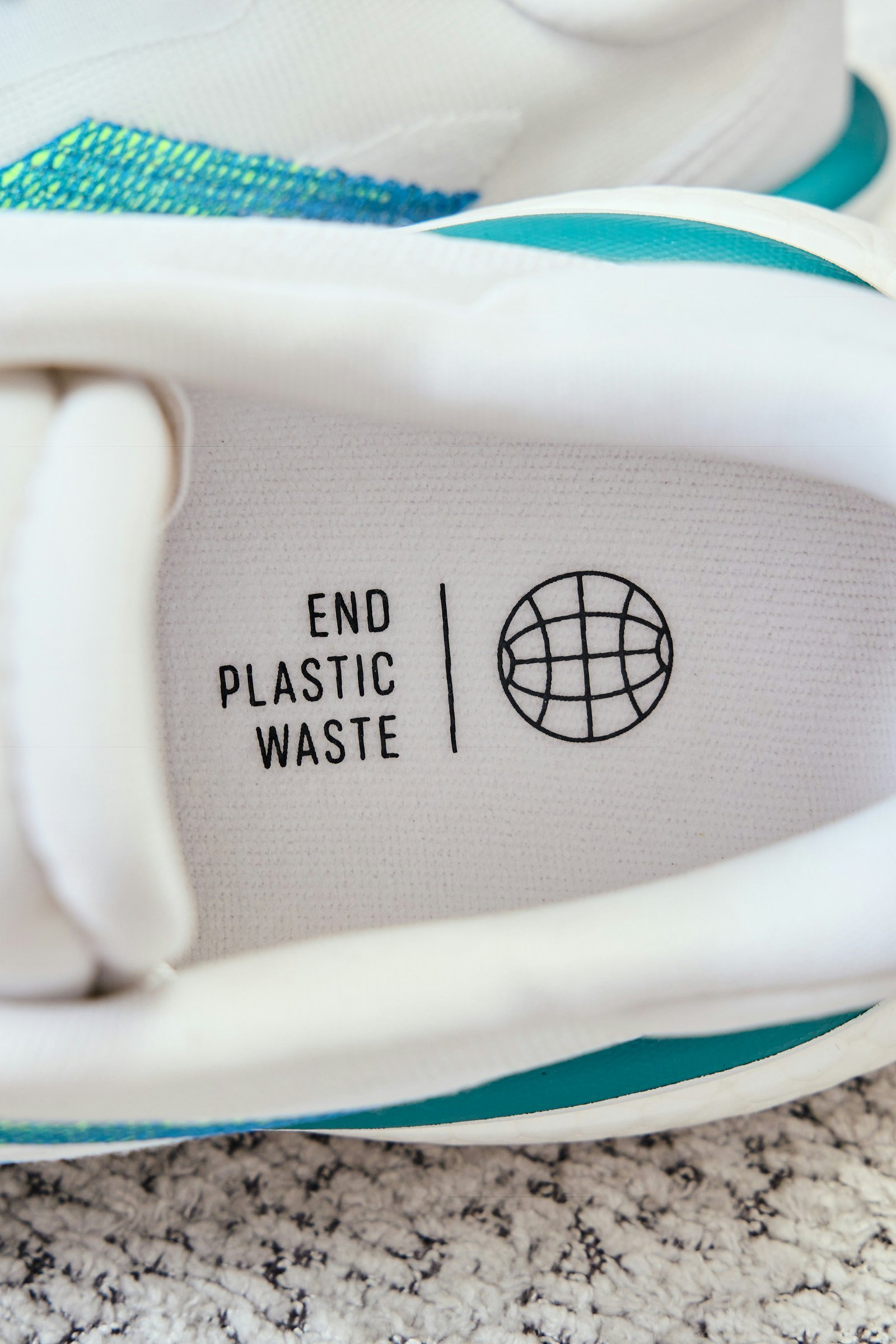
Another noteworthy sustainable material is recycled plastic. With plastic pollution becoming an increasingly urgent global issue, utilizing recycled plastics in footwear helps to address this challenge. When brands incorporate recycled plastics into the design of their shoes, they contribute to reducing landfill waste, while simultaneously helping to lower the demand for virgin resources. This innovative practice is instrumental in promoting a circular economy, where materials are repurposed rather than discarded.
Additionally, natural rubber is gaining recognition as a prime material for ethical footwear. Sourced from rubber trees through a sustainable tapping process, natural rubber is biodegradable and has a lower carbon footprint than synthetic alternatives. This renewable resource not only provides durability to footwear but also ensures that shoes remain environmentally friendly throughout their lifecycle.
In summary, the use of sustainable materials, including organic cotton, recycled plastics, and natural rubber, underscores the commitment to environmental preservation in ethical footwear. By prioritizing these materials, brands can significantly diminish their ecological footprint and lead the charge towards a more sustainable fashion industry.
Impact-Driven Brands: Companies Leading the Way
The landscape of ethical footwear is evolving, with a growing number of brands committed to sustainable practices and social responsibility. These companies are not only reshaping the footwear industry but are also setting benchmarks for what ethical fashion should represent. Prominent among these are brands like Veja, Allbirds, and Nisolo, which incorporate environmentally friendly materials, transparent production processes, and fair labor practices into their business models.
Veja is known for its use of organic cotton, wild rubber from the Amazon rainforest, and recycled materials in their products. The brand prioritizes direct relationships with producers, ensuring fair wages and working conditions. By emphasizing transparency, Veja offers consumers insight into its supply chain, allowing them to make informed choices about their purchases. This commitment to ethical sourcing helps combat the negative impacts of conventional fashion production.
Allbirds has gained significant attention for its innovative use of sustainable materials, such as eucalyptus tree fiber and sugarcane, in the creation of their footwear. The brand aims to minimize its carbon footprint and become a leader in the carbon neutrality movement. Allbirds promotes the idea that sustainable fashion does not have to compromise on comfort or style, appealing to eco-conscious consumers seeking functional yet fashionable options.
Emerging brands like Nisolo are also making strides. Nisolo prides itself on producing shoes that are both stylish and made with ethical labor practices. With a focus on empowering artisans and ensuring fair wages, Nisolo has built a reputation for being a responsible brand that marries aesthetic appeal with a mission-driven approach. Their commitment extends beyond mere aesthetics, as they actively engage in community-building efforts around their production.
These impact-driven brands exemplify how the footwear industry can transition towards a more sustainable and equitable future. By supporting businesses that embody ethical practices, consumers can contribute to a significant shift in production norms, fostering an environment where style and ethics coalesce harmoniously.
Second-Hand and Vintage Footwear: A Sustainable Option
As individuals increasingly recognize the environmental impact of fast fashion, second-hand and vintage footwear has emerged as an appealing ethical alternative. Shopping for pre-owned shoes not only reduces waste but also promotes sustainable practices within the fashion industry. By choosing second-hand footwear, consumers are contributing to a circular economy, where products are reused and recycled, thereby extending their life cycle.
One significant benefit of purchasing second-hand shoes is the reduced carbon footprint associated with production and transportation. The production of new shoes often involves the extraction of raw materials, which contributes to pollution and greenhouse gas emissions. In contrast, adopting second-hand options can alleviate the pressure on natural resources and diminish environmental degradation.
Moreover, second-hand and vintage footwear provides a unique opportunity to acquire distinctive styles that may no longer be available through mainstream retailers. Many vintage shoes exude character and craftsmanship often unmatched by mass-produced alternatives. Shoppers can explore various styles and eras, enabling them to curate a personal style that reflects their individuality.
For those interested in exploring the world of pre-owned footwear, there are numerous avenues to consider. Local thrift stores, consignment shops, and online platforms such as Poshmark, Depop, and eBay offer wide selections of quality shoes at various price points. Engaging with local communities through pop-up markets or charity events can also yield extraordinary finds while supporting social causes.
In conclusion, embracing second-hand and vintage footwear serves as a practical and stylish alternative to fast fashion. By making informed purchases, consumers can play a vital role in fostering sustainable fashion practices and reducing their overall environmental impact.
Custom Footwear: The Personalized Ethical Choice
In a world increasingly aware of the ramifications of fast fashion, custom footwear emerges as a pioneering solution that caters to both ethical consumption and individual preferences. Custom footwear services allow consumers to design personalized shoes that not only fit their specific measurements but also align with their ethical values. By choosing made-to-order models, customers significantly contribute to reducing overproduction and waste, which are prevalent issues in the conventional fashion industry.
One of the primary benefits of customized footwear is the enhanced fit it offers. Each pair is crafted to the unique shape of the wearer’s foot, which promotes comfort and reduces the likelihood of discomfort or injury that often arises from ill-fitting shoes. This personalized approach extends the lifespan of footwear, encouraging longevity as individuals are less likely to discard shoes that suit their feet perfectly. Furthermore, this fits seamlessly with the goal of sustainability, as longer-lasting items lead to decreased consumption rates.
Ethical practices play a vital role in the custom footwear industry. Many companies engage in transparent sourcing of materials, utilizing sustainable options such as recycled materials, organic fabrics, and non-toxic adhesives, which minimizes environmental impact. Additionally, these brands often prioritize fair labor practices, ensuring that workers are paid fair wages and working in safe, healthy conditions. Therefore, choosing custom footwear not only serves personal preferences but also supports a broader commitment to ethical standards.
In conclusion, custom footwear stands out as a personalized and responsible choice within the ethical fashion landscape. It champions the benefits of made-to-order production, fosters sustainability, and supports ethical labor practices, aligning consumer needs with global welfare. By opting for custom-designed shoes, individuals can confidently step away from fast fashion and into an ethical lifestyle that honors both personal and environmental integrity.
Local Artisans and Handmade Shoes: Supporting Local Economies
In recent years, there has been a notable shift towards supporting local artisans who handcraft shoes, offering a viable alternative to the fast fashion footwear industry. Investing in locally made footwear not only promotes individual craftsmanship but also significantly boosts local economies. By purchasing shoes made by local artisans, consumers can contribute to the economic sustainability of their communities, encouraging the growth of small businesses that prioritize quality over quantity.
Handmade shoes crafted by skilled artisans often showcase a depth of cultural heritage, reflecting the unique traditions and artistry of specific regions. Each pair typically exhibits attention to detail that is rarely matched by mass-produced alternatives. This level of craftsmanship not only results in aesthetically pleasing designs but also ensures durability and comfort. By choosing handmade footwear, consumers may discover styles that support and celebrate local narratives and material traditions, adding intrinsic value to their purchases.
Moreover, supporting local artisans helps to preserve traditional crafting techniques that might otherwise fade away in an age dominated by automation and fast production rates. Artisans invest numerous hours in perfecting their skills and practices, which yields unique and high-quality products. By investing in these handmade shoes, consumers help sustain this invaluable knowledge and skillset that define a culture’s identity.
From an economic standpoint, the choice to buy handmade shoes provides vital financial support to local craftsmen and their families. This not only fosters community development but also encourages a circular economy, where profits remain within the local area. In addition, reducing the dependence on large corporations leads to a smaller carbon footprint, promoting environmentally sustainable practices.
Ultimately, choosing handmade shoes crafted by local artisans is a proactive approach to enhancing personal style while simultaneously encouraging economic growth and cultural preservation within communities.
Caring for Your Footwear: Tips for Longevity
To ensure that your footwear lasts for many years, proper care and maintenance are imperative. By adopting certain practices, you can extend the life of your shoes and reduce waste associated with fast fashion. Here are some actionable tips to care for your footwear effectively.
First and foremost, regular cleaning is essential. After each use, especially if you have been walking on dirt or wet surfaces, take the time to wipe off any debris. For leather shoes, use a damp cloth to clean the surface and follow with a suitable leather conditioner to maintain suppleness and shine. For fabric or suede shoes, brushing with a soft brush can help remove dirt without damaging the material.
Proper storage is another key aspect. Avoid leaving your shoes in damp or overly hot environments, as these conditions can cause irreversible damage. Instead, store them in a cool, dry place, and if possible, keep them in their original boxes or a dedicated shoe bag to protect them from dust and fading. Utilizing shoe trees can also help maintain the shape of your footwear, minimizing creases and promoting longevity.
When it comes to repairs, addressing minor issues promptly can avert more significant problems down the line. If you notice loose soles or fraying laces, consider re-gluing, stitching, or replacing components yourself or through a professional cobbler. Learning basic shoe repairs can save money and extend the life of your footwear.
In essence, valuing your footwear through proper care and maintenance is not only beneficial for the longevity of your shoes but also a responsible approach to reducing waste in the fashion industry. By implementing these tips, you contribute to a more sustainable lifestyle while enjoying your favorite footwear for years to come.
Conclusion: Making a Difference One Step at a Time
As consumers become increasingly aware of the implications of their purchasing habits, the call for a more ethical approach to fashion, particularly in footwear, is gaining momentum. Choosing alternatives to fast fashion footwear goes beyond mere personal style; it encompasses a commitment to sustainability, ethical labor practices, and environmental conservation. The detrimental effects of fast fashion practices are profound, having been linked to issues such as exploitation of workers, environmental degradation, and the promotion of a wasteful consumer culture.
By selecting ethical alternatives, individuals can contribute to a more sustainable future. Footwear brands that prioritize ethical production methods often ensure that their products are not only stylish but also crafted under fair labor conditions and with environmentally friendly materials. This choice not only supports a humane approach to fashion but also encourages the industry to shift towards more responsible practices. As shoppers, our decisions can encourage brands to adopt sustainable practices, ultimately influencing the market to lean away from fast fashion.
Encouraging conscious consumption means recognizing the impact of our choices. Each pair of shoes purchased carries significance – it reflects our values and our belief in fairness and sustainability. Educated consumers can significantly alter the landscape of fashion by showing a preference for quality over quantity, including resilient footwear that lasts longer, thus reducing waste and promoting a circular economy.
In conclusion, making informed footwear choices fosters a collective movement towards ethical consumption. Each step taken in this direction not only benefits individuals but also contributes to the broader health of the planet and global communities. By choosing ethical alternatives to fast fashion footwear, we can make a meaningful difference, one step at a time.