
Introduction to Ancient Manuscripts and AI
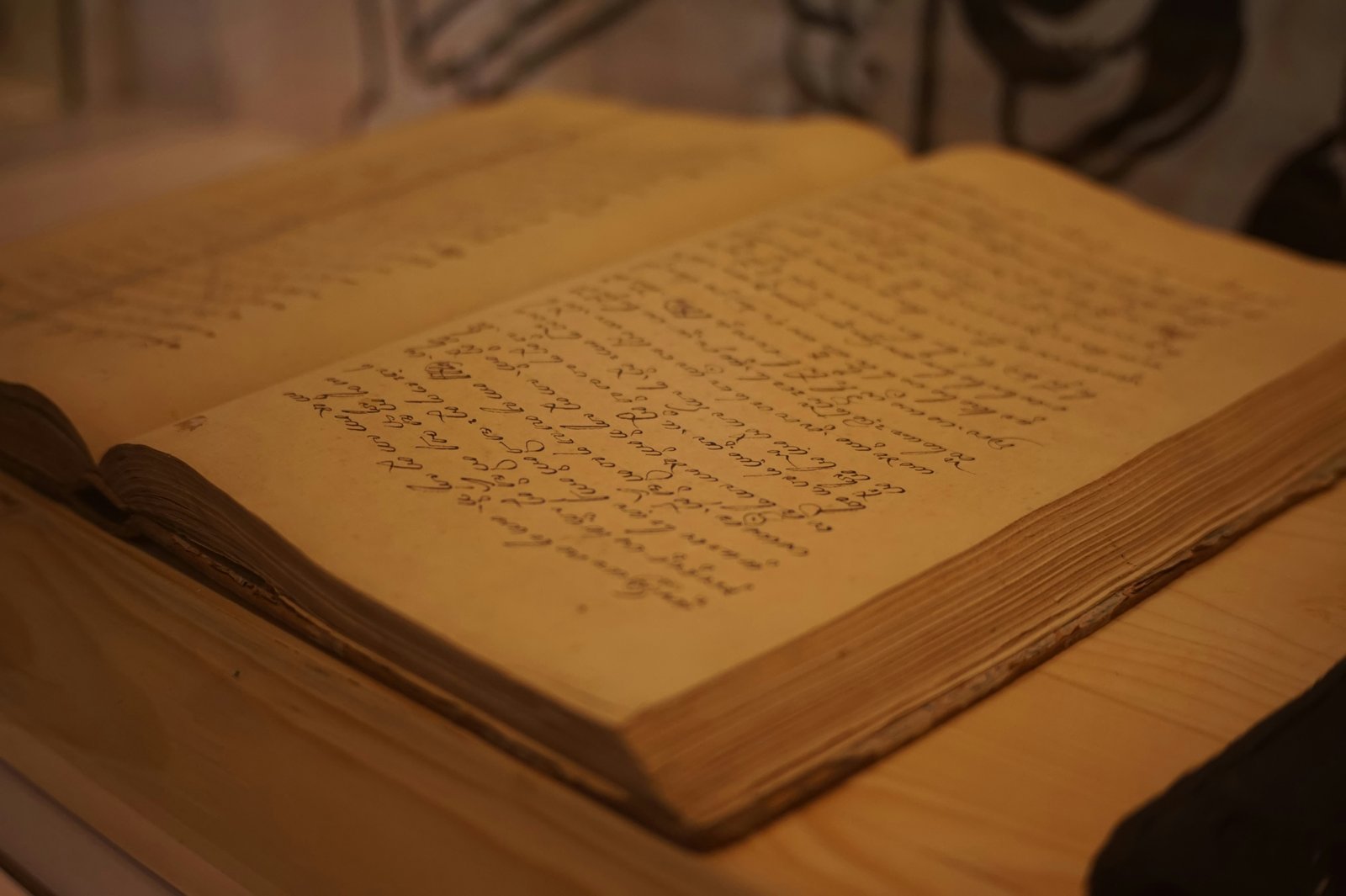
Ancient manuscripts, which are handwritten documents created before the invention of the printing press, serve as vital historical artifacts that provide insights into past civilizations, cultures, and languages. These manuscripts range from religious texts to philosophical treatises and scientific observations, each contributing to our understanding of human history and thought. The historical significance of these documents cannot be overstated; they are invaluable resources for researchers, historians, and language enthusiasts alike, as they reveal the evolution of language, art, and social structures.
However, the translation of ancient manuscripts presents a unique set of challenges. Many of these texts are written in languages that are no longer spoken, or in scripts that have become obsolete. This requires a deep knowledge of ancient languages, alongside the context in which the documents were produced. Moreover, the physical condition of the manuscripts can complicate efforts to decipher them; factors such as fading ink, damaged pages, and irregular handwriting can hinder the translation process.
The advent of artificial intelligence (AI) technologies offers promising avenues for tackling these translation challenges. By harnessing machine learning algorithms, researchers and hobbyists alike can facilitate the interpretation of ancient texts. Natural language processing (NLP), a branch of AI, allows for the analysis of language patterns, making it easier to decode complex scripts and translate them into modern languages. As hobbyists explore the intersection of AI and manuscript translation, they can utilize various tools to aid their endeavors. This guide aims to equip enthusiasts with knowledge and resources necessary to navigate this fascinating field, making the art of translating ancient manuscripts more accessible than ever.
Fundamentals of AI in Translation
Artificial intelligence (AI) has transformed various fields, including translation, by bringing forth new methodologies for processing language. At the core of AI in translation are two primary types of models: machine learning and natural language processing (NLP). Machine learning refers to the algorithms that allow computers to learn from data inputs, improving their performance in translating languages over time. On the other hand, NLP is a branch of AI that enables machines to understand, interpret, and generate human language in a meaningful way.
In the context of translating ancient manuscripts, a variety of AI techniques are employed. For one, neural networks are commonly used due to their ability to manage complex patterns found in languages. These neural networks often utilize training data comprised of both ancient and modern text, which helps the AI learn the nuances of specific languages. The process involves feeding the model thousands of sentences to understand the various grammatical structures, idiomatic expressions, and vocabulary unique to ancient languages.
The training data is crucial in AI translation, as its quality and quantity directly affect the accuracy of the translations. Large and diverse datasets enable AI models to form more precise correlations between words and contexts. For ancient manuscripts, specialized datasets may be required in order to capture the unique aspects of languages that are less commonly spoken today.
Furthermore, adapting AI for the translation of ancient texts involves not only the creation of robust algorithms but also the incorporation of domain knowledge. This ensures that the AI model can better interpret historical, cultural, and contextual implications embedded in manuscripts. Overall, the fundamentals of AI in translation provide a strong foundation for hobbyists interested in utilizing technology to decode the treasures of the past.
Popular AI Tools for Translation
As technology continues to evolve, several AI tools have emerged to aid hobbyists in the translation of ancient manuscripts. These tools range from proprietary software, which often comes at a cost, to open-source solutions that are accessible for non-commercial use.
One notable proprietary tool is Google Translate. Although primarily designed for modern languages, its deep learning algorithms can assist in translating some common ancient scripts, particularly when paired with contextual data. The main strength of Google Translate lies in its extensive language databases and ease of accessibility. However, due to its primary focus on contemporary languages, its ability to accurately render ancient dialects may still be limited.
For those seeking more specialized tools, ABBYY FineReader offers powerful optical character recognition (OCR) features. This software is particularly useful for digitizing and translating physical manuscripts. While FineReader excels in identifying text from scanned documents, it requires a more substantial investment compared to other options. Moreover, its success largely depends on the quality of the original manuscript, making it less versatile in certain scenarios.
Conversely, open-source projects such as Transkribus are gaining popularity among hobbyists. Transkribus specializes in transcribing handwritten texts and can be tailored to recognize various ancient scripts through training and customization. Its community-driven model allows users to share experiences and resources, enhancing its usability for beginners. However, the learning curve can be steeper for those unfamiliar with such technology.
In summary, the choice of AI tool largely depends on individual needs, budget, and specific manuscript characteristics. Understanding the strengths and limitations of these tools will aid hobbyists in selecting the most suitable solution for their translation projects.
Getting Started: Setting Up Your Translation Project
Embarking on a translation project of ancient manuscripts can be both rewarding and challenging. The first step in setting up your project involves selecting a manuscript that intrigues you. Consider factors such as the manuscript’s historical significance, language, and physical condition. You might want to explore libraries, both physical and digital, to discover texts that catch your attention. Online repositories like Google Books, the Internet Archive, and various university archives can also provide access to a plethora of manuscripts.
Once you have selected a manuscript, the next step is to gather necessary resources. This includes ensuring you have access to reference materials for the language of the manuscript. Dictionaries, grammar guides, and scholarly articles can enhance your understanding and provide context for complex terms. Additionally, you may want to connect with academic institutions or local history societies that can offer valuable insights and resources related to your chosen text.
Preparing the manuscript for AI translation is crucial for the project’s success. Scanning the manuscript into a digital format is often necessary, as AI translation tools typically require text in a readable form. Optical Character Recognition (OCR) software can assist in converting images of text into editable formats. However, be aware that OCR may not perfectly capture every character, especially in ancient scripts. Therefore, thorough proofreading of the digitized text is vital.
Alongside these preparations, it is essential to select the right translation tools. Various AI-powered translation platforms can help with interpreting ancient languages. Research their capabilities and choose one that suits your manuscript’s specific language and layout. Setting realistic goals is also important; consider the manuscript’s length and complexity to outline a sustainable timeline for your project, ensuring you stay motivated and focused throughout the translation process.
Challenges Faced in AI Translation of Ancient Texts
The translation of ancient manuscripts using AI presents several significant challenges, particularly for hobbyists who may lack extensive experience in both the linguistic and contextual intricacies involved. One of the foremost difficulties encountered is the presence of incomplete texts. Many ancient manuscripts survive only in fragments, leaving gaps that complicate the AI’s ability to understand and translate the material accurately. Hobbyists must develop strategies to identify these gaps and make educated guesses about missing content based on contextual clues or comparative analysis of similar texts.
Another considerable challenge lies in the nature of hand-written scripts. Many ancient texts were inscribed in styles that vary greatly in clarity and consistency. Handwriting styles can differ significantly even within the same manuscript, influenced by the scribe’s skill and the tools available at the time. Some AI systems may struggle to interpret these variations accurately. To mitigate this, hobbyists can utilize specialized software that is tailored for recognizing historical handwriting or combine AI tools with manual transcription techniques to achieve better results.
Moreover, contextual nuances pose a substantial hurdle during translation. The meanings of words and phrases often change depending on cultural, historical, and situational contexts, which AI may not fully comprehend. Hobbyists should focus on building their knowledge of the historical background of the texts they are translating, allowing them to provide AI systems with the necessary context to improve translation accuracy. Engaging with communities and specialists in ancient languages can aid in enhancing understanding and contributing insights that assist in overcoming these translation challenges.
By acknowledging and addressing these obstacles, hobbyists can foster an effective approach to harnessing AI in the translation of ancient manuscripts, ensuring that they can accurately appreciate and share the wisdom encapsulated in these historical documents.
Case Study: Translating the Codex Aesopianus
The Codex Aesopianus is an intriguing manuscript, dating back to the 11th century, containing a collection of fables attributed to Aesop. This case study outlines the significant steps we undertook to translate this manuscript with the aid of artificial intelligence, particularly focusing on the initial analysis, application of technology, and subsequent validation of the translation.
Initially, the project commenced with a thorough analysis of the Codex Aesopianus. During this phase, we examined the manuscript’s physical condition, noting instances of degradation that might affect clarity. Subsequently, we identified the linguistic characteristics, recognizing that the manuscript features a blend of Classical and Medieval Greek, rendering an accurate translation challenging.
Once the preliminary analysis was finalized, we employed an AI-powered translation tool specifically designed for ancient languages. The tool was integrated with a database of Greek lexicons and syntactic structures, allowing it to generate preliminary translations based on our input. To enhance its accuracy, we populated the database with contextual information integrating historical and cultural references surrounding Aesop’s life.
With the AI-generated translation in hand, we entered the validation phase. This involved multiple iterations where we compared the AI output with traditional academic translations. Collaborating with experts in ancient Greek literature, we identified segments that required human refinement. Through this collaborative approach, the intricacies of meaning were fine-tuned, ensuring the final translation preserved the original intent of Aesop’s fables.
Throughout this project, valuable lessons were learned. The most significant insight was the critical importance of blending technology with human expertise. While AI can significantly accelerate the translation process, human intervention remains essential to capture the nuances of ancient texts. This case study underscores the potential of combining human intellectual resources with AI capabilities to revitalize and understand historical literature.
Enhancing Translation Accuracy with Human Input
While artificial intelligence (AI) has transformed the field of translation, particularly concerning ancient manuscripts, the incorporation of human input remains crucial for achieving optimal accuracy. AI systems are capable of processing vast amounts of data and recognizing patterns, yet they often struggle with context, nuance, and the cultural implications embedded within historical texts. Thus, hobbyists engaging in the translation of ancient manuscripts can significantly enhance AI outputs through collaborative review and their own linguistic skills.
One effective strategy involves a two-pronged approach—initially utilizing AI to generate a translation and subsequently reviewing the output for accuracy and coherence. When hobbyists engage in this collaborative review process, they can leverage their understanding of historical contexts, idiomatic expressions, and unusual vocabulary choices that AI may misinterpret. For instance, a translation generated by an AI model may render a phrase literally, losing the original sentiment or meaning. By applying their knowledge, enthusiasts can correct these inaccuracies, resulting in a more faithful translation.
Moreover, incorporating feedback loops into the translation process is essential. Hobbyists can compile a list of common errors that the AI produces. This feedback can serve to fine-tune the model during future translations, facilitating gradual improvement. Equally important is the utilization of annotation tools, which allow hobbyists to mark specific areas of concern in the AI-generated translations. This practice not only trains the AI model to understand discrepancies but also provides a learning platform for hobbyists themselves, reinforcing their language skills.
In essence, while AI represents a powerful tool for translating ancient manuscripts, it is the participatory effort of human translators that truly refines and enhances the accuracy of the outputs. By engaging in this collaborative process, hobbyists can contribute significantly to the preservation and understanding of historical texts in the digital age.
Sharing Your Work: Platforms and Communities for Enthusiasts
In the realm of translating ancient manuscripts, sharing your work with others can significantly enhance your learning experience and foster connections within the community. Several platforms and online communities cater specifically to enthusiasts interested in manuscript studies and the application of AI in this niche. By participating in these networks, hobbyists can obtain valuable feedback on their translations, engage in discussions, and collaborate with like-minded individuals.
One prominent platform is Academia.edu, which allows users to share research papers and translations. This site serves as a valuable resource for hobbyists looking to showcase their translated manuscripts and obtain constructive criticism from an audience that is equally passionate about ancient texts. Another excellent option is ResearchGate, a social networking site for scientists and researchers. This platform not only provides an avenue to present your work but also connects you with experts and academics who can lend support and advice.
Social media platforms such as Twitter and Facebook also play a crucial role in connecting manuscript enthusiasts. There are various groups dedicated to manuscript studies where members share their translations, discuss methodologies, and provide insights on the latest AI tools available for this purpose. Utilizing hashtags like #ManuscriptStudies or #AITranslation can enhance visibility and encourage interaction.
Additionally, websites like Reddit have specialized subreddits, such as r/AskHistorians or r/Translation, that invite discussions about historical texts and their translations. Engaging in these forums can broaden your perspective and expose you to diverse translation techniques. Overall, leveraging multiple platforms not only enriches your experience but also contributes to a broader appreciation of ancient manuscripts.
Conclusion: The Future of AI in Manuscript Translation
As artificial intelligence (AI) continues to evolve, its role in translating ancient manuscripts marks a significant advancement in the intersection of technology and historical research. The potential applications of AI in this realm are promising, enabling a wider audience access to texts that were previously restricted to experts or locked away due to language barriers and interpretation challenges. With sophisticated algorithms capable of processing complex linguistic structures and syntax, AI can assist researchers in deciphering texts, identifying meanings, and uncovering rich historical contexts.
In addition to facilitating translation, AI can enhance the accuracy and efficiency of these endeavors. Machine learning algorithms can analyze vast databases of existing translations and historical linguistic patterns, thereby increasing the likelihood of precise interpretations. Such technological support not only aids in the work of scholars but also empowers hobbyists and enthusiasts who may not possess advanced language skills but have a passion for historical manuscripts.
However, the integration of AI in this field is not without ethical considerations. Issues related to the ownership of translated content, the authenticity of AI-generated interpretations, and the potential for bias in data input stand at the forefront of discussions about AI in manuscript translation. Researchers must remain vigilant about these implications, ensuring that AI tools are utilized responsibly and that human oversight is a constant in the translation process.
Ultimately, the future of AI in translating ancient manuscripts appears bright, combining the strengths of human insight with advanced technological capabilities. By addressing ethical considerations and embracing collaboration between AI and scholars, the field can benefit greatly from this innovative approach. This synergy has the potential not only to rejuvenate interest in historical texts but also to bring forth new discoveries that redefine our understanding of the past.