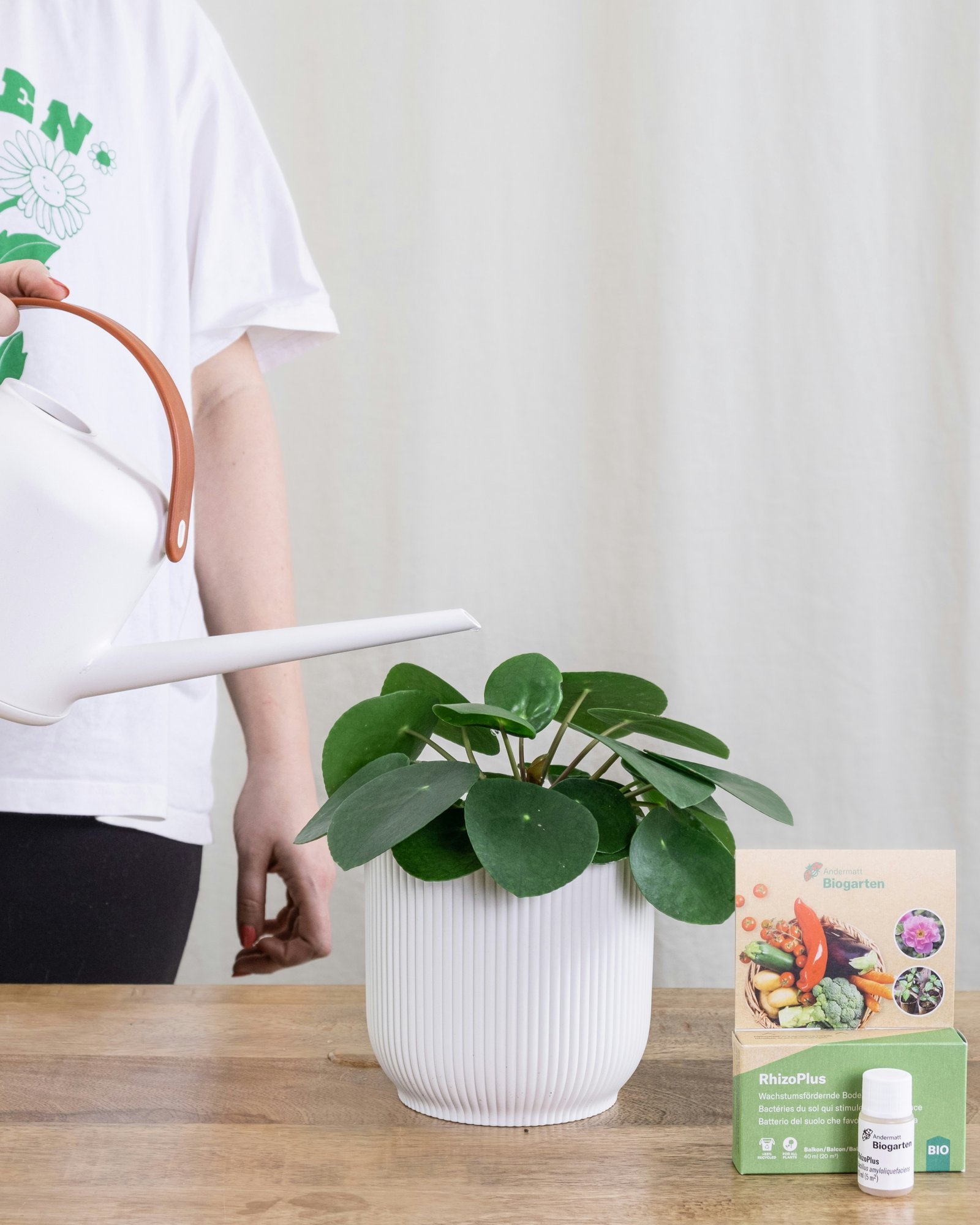

Introduction to Self-Watering Pots
Self-watering pots are innovative gardening tools designed to simplify the plant care process for individuals who may struggle with maintaining a consistent watering schedule. These pots utilize a unique irrigation system that not only provides the necessary moisture but also promotes healthy root growth by ensuring that plants receive an adequate supply of water without the risk of overwatering. This is particularly beneficial for forgetful plant owners, as self-watering pots help mitigate the challenges associated with regular care.
The fundamental principle behind self-watering pots is the use of a reservoir system. This system consists of a water reservoir located beneath the soil level, allowing plants to draw moisture as needed through capillary action. As the plant uses up water, it automatically replenishes the needed moisture from the reservoir, ensuring that the soil remains appropriately moist. This not only aids in providing consistent hydration but also encourages root systems to extend deeper into the soil, thereby enhancing the plant’s overall stability and health.
Furthermore, self-watering pots come in various designs and sizes, catering to a wide range of plant species, from small herbs to larger houseplants. Their ease of use makes them an ideal choice for busy individuals or those new to gardening. By reducing the frequency of watering, these pots allow plant owners to enjoy their greenery without the constant time commitment that traditional plant care demands. In an ever-busy world, self-watering pots present a practical solution for ensuring that plants thrive without requiring minute-by-minute attention.
Benefits of Using Self-Watering Pots
Self-watering pots are an innovative solution that caters to the needs of both novice and experienced plant owners. One of the most notable advantages of these pots is the significant reduction in maintenance they offer. Unlike traditional pots, which often require frequent watering due to rapid evaporation or soil drying out, self-watering pots provide a consistent moisture level for plants. This is especially beneficial for individuals who frequently forget to water or are unable to commit to a regular watering schedule.
Moreover, the design of self-watering pots improves overall plant health. By allowing plants to absorb water as needed from a reservoir beneath the soil, they can establish deeper root systems. This encourages stronger growth and enhances the plant’s ability to withstand drought conditions. Plants in self-watering pots are typically more resilient, exhibiting lush foliage and vibrant blooms compared to their traditionally potted counterparts.
Water conservation is another critical benefit associated with self-watering pots. These containers minimize water waste through their efficient irrigation system. Excess water can be stored in the reservoir, which means less frequent refills and reduced water consumption over time. For environmentally conscious gardeners, this feature aligns well with sustainable gardening practices.
Finally, self-watering pots provide freedom from the constant worry of plant care, particularly for individuals who travel or have busy lifestyles. With this type of pot, there is no need to arrange for someone to water plants during absences, as the self-watering mechanism ensures that plants remain hydrated. Overall, the transition to self-watering pots not only simplifies gardening but also contributes to a thriving indoor or outdoor garden, enhancing enjoyment for plant owners.
When selecting a self-watering pot, various factors come into play to ensure suitability for both the plant species and your specific environment. These factors can significantly influence the health and well-being of your plants, especially for those who may not have a green thumb.
The first consideration is the size of the pot. The dimensions should adequately accommodate the root system of your plants, allowing them sufficient space to grow. Larger plants typically require more substantial pots with ample reservoirs to support their hydration needs. Conversely, small plants can thrive in compact self-watering containers. Selecting the appropriate size helps prevent overwatering or underwatering, which are common issues faced by novice plant owners.
Next, the material of the self-watering pot is crucial. Common materials include plastic, ceramic, and terracotta, each offering distinct advantages. For instance, plastic pots are lightweight and often more affordable, while ceramic pots provide better insulation and aesthetic appeal. Terracotta, while porous, can be beneficial for moisture regulation but may require more frequent watering. It is essential to consider your specific requirements and preferences when evaluating material options.
Design also plays a vital role in how effectively a self-watering pot functions. Look for pots equipped with clear water indicators or reservoirs that allow you to monitor water levels easily. Additionally, some designs include sophisticated drainage capabilities that help prevent root rot, thereby promoting healthy plant growth.
Finally, ease of use cannot be overlooked. A self-watering pot that is straightforward to refill and manage will encourage consistent use. Check for features like removable reservoirs or easy-to-access water fill points, as these can make the process of plant care significantly less cumbersome.
Top Self-Watering Pot Brands on the Market
In the realm of self-watering pots, several brands have established themselves as leaders due to their innovative designs and commitment to quality. These brands offer a diverse range of self-watering solutions that cater to various plant types and owner preferences.
One of the most recognized brands in self-watering technology is Lechuza. Known for their sleek and stylish designs, Lechuza pots feature a unique sub-irrigation system that allows plants to absorb water as needed. This brand offers a variety of sizes and colors, making it easy for homeowners to integrate them into their home décor while ensuring optimal plant growth.
Another prominent name in the market is Bloem, which is celebrated for combining functionality with affordability. Bloem’s self-watering pots come equipped with an integral water reservoir and are made from durable materials that withstand various weather conditions. They are particularly popular among vegetable gardeners and are available in numerous sizes to suit different gardening needs.
EcoForms is also noteworthy for its environmentally friendly approach to gardening. Their self-watering pots are crafted from biodegradable materials, making them an excellent choice for eco-conscious consumers. These pots not only support healthy plant growth through their self-watering features but also contribute to a sustainable gardening practice.
For those seeking elegance, Gardenia offers wooden self-watering pots that blend natural aesthetics with functionality. Their pots often come with a consistent watering system, ensuring plants receive the right amount of moisture. The appealing design makes them suitable for both indoor and outdoor use.
Lastly, Self-Watering Planters is a brand recognized for their innovative designs that accommodate a variety of plant species. Their pots typically feature a visual water level indicator, which allows owners to easily monitor water availability, making it easier for forgetful plant owners.
Best Self-Watering Pots for Different Plants
Finding the perfect self-watering pot suited for a specific type of plant can greatly enhance the growth and longevity of your greenery, particularly for those who may often forget to water. It is essential to choose pots that cater specifically to the needs of different types of plants such as succulents, herbs, flowering plants, and vegetables.
For succulents, which prefer drier conditions, look for self-watering pots that have a well-draining design. A recommended option is the Lechuza Classico Self-Watering Pot, which combines a sleek design with an efficient watering system. This pot’s built-in reservoir allows for infrequent watering while maintaining adequate moisture without causing root rot.
When it comes to herbs, consider pots that not only provide a self-watering feature but also offer enough space for adequate root growth. The Bloem 10-Inch Self-Watering Planter is an excellent choice. Its large water reservoir ensures that your basil, mint, and other herbs stay hydrated without constantly needing manual watering.
For flowering plants, such as orchids or geraniums, select self-watering pots with a moisture level indicator. The Gardenix Decor Self-Watering Planter provides this feature, allowing you to easily monitor your flowering plants’ hydration levels. Its design helps maintain the right amount of moisture, promoting vibrant blooms.
Lastly, if you’re growing vegetables indoors or outdoors, a durable self-watering container like the EarthBox Garden Kit is ideal. This system not only fosters strong root systems but also ensures that vegetables receive the moisture they require, optimizing growth and overall health.
Selecting the right self-watering pot based on plant type can significantly reduce the stress of plant care and ensure your botanical companions thrive effortlessly.
Customer Reviews and Feedback
Customer reviews play a vital role in understanding the effectiveness and practicality of self-watering pots, especially for those who may struggle to maintain regular watering schedules. Many users have shared their experiences, highlighting the convenience and benefits of utilizing self-watering pots.
On one hand, numerous positive testimonials emphasize the exceptional utility of these pots in conserving time and effort. For example, several customers noted that the pots effectively maintained soil moisture over extended periods, allowing their plants to thrive even during their owners’ prolonged absences. Users have reported reduced plant stress and healthier growth, enhancing their overall satisfaction with this gardening solution. Many also appreciate the aesthetically pleasing designs that can blend seamlessly into home decor.
Conversely, constructive feedback has emerged regarding certain models. Some users pointed out issues with the water reservoirs, such as difficulty in monitoring water levels or occasional leaks. Others mentioned that certain plants may not respond well to the self-watering feature, especially those requiring specific moisture levels. This feedback underscores the importance of selecting the right pot for specific plant needs and remaining flexible in one’s approach to plant care.
The interplay of positive and constructive reviews contributes to a more comprehensive understanding of self-watering pots. While many users celebrate their efficiency and ease of use, acknowledging potential limitations helps new buyers make informed decisions. Hearing from a diverse range of experiences enhances the credibility of the recommendations and provides prospective buyers with valuable insights into their purchases.
How to Use Self-Watering Pots Effectively
To maximize the effectiveness of self-watering pots, it is essential to follow several important steps in their setup and maintenance. First and foremost, filling the reservoir correctly is crucial. When you fill the pot, ensure that you pour water directly into the reservoir, which is usually located at the bottom of the pot, and avoid overfilling it. This practice allows for optimal moisture retention without drowning the roots. Depending on your specific pot design, you may also need to check for a drainage hole to prevent over-saturation.
Regularly checking the water levels is another key aspect of using self-watering pots effectively. Many models come equipped with a water level indicator, making it easier to monitor the moisture levels without removing the plant. If your pot lacks such a feature, manually checking the reservoir every couple of weeks ensures that your plants receive adequate hydration. Keep in mind that different plants have varying water needs, so adjust your checking frequency based on the specific requirements of each plant.
The type of soil used in self-watering pots is also vital; using a well-aerated, moisture-retentive potting mix will promote healthy root growth while preventing waterlogged conditions. A mix that includes components like peat moss, perlite, or coconut coir is ideal for this purpose. Additionally, be mindful of the specific watering needs of your plants, as some may require more water than others. It may be beneficial to research the moisture preferences of your plants to enhance their growth and minimize stress. By following these guidelines, you will be well on your way to effectively utilizing self-watering pots, ensuring your plants thrive with minimal effort.
Common Misconceptions About Self-Watering Pots
Self-watering pots are becoming increasingly popular among plant enthusiasts and forgetful owners alike, but several misconceptions surround their use. One prevalent myth is that self-watering pots do not require any maintenance. This belief can lead to complacency and, ultimately, problems for plants. While these pots are designed to reduce the frequency of watering, they still need regular checks to ensure the water reservoir is adequately filled and that the soil is not compacted. Neglecting maintenance can cause the plants to suffer from lack of moisture or poor drainage, defeating the purpose of the self-watering feature.
Another misconception is that self-watering pots can result in overwatering. Some people fear that since these pots provide a consistent moisture supply, they may drown the plants. In reality, self-watering pots are engineered to prevent overwatering by allowing excess water to drain away, typically through a designated drainage hole. The design enables plants to access water as needed through capillary action, which allows for regulation of moisture levels. However, caution is still advised, as overly compacted soil can hinder drainage and promote water retention, creating conditions favorable for root rot.
Additionally, self-watering pots might be misunderstood in terms of their compatibility with all plant types. While many plants thrive in these systems, others may not prefer the constant moisture supplied. It is crucial for owners to assess the specific needs of each plant before employing a self-watering pot. Understanding the unique requirements of plants ensures optimal growth and health. By debunking these myths and clarifying the truths behind self-watering pots, owners can enjoy a more informed approach to their gardening efforts.
Conclusion and Final Thoughts
In conclusion, self-watering pots offer a practical solution for individuals who may struggle with maintaining consistent watering schedules for their houseplants. These innovative containers are designed to provide an optimal environment for plants by ensuring a steady supply of moisture, thereby reducing the risk of both overwatering and underwatering. Forgetful plant owners can particularly benefit from the ease of use and maintenance that self-watering pots provide.
The key benefits of investing in self-watering pots include improved plant health, reduced stress associated with plant care, and the convenience of extended intervals between watering sessions. By utilizing a reservoir system, these pots not only simplify the watering process but also promote healthier roots as they have access to moisture in a gradual manner. This essential feature is especially advantageous for busy individuals who may inadvertently neglect their plants due to hectic lifestyles.
Moreover, the variety of self-watering pots available in the market caters to different aesthetics and plant types, allowing owners to select options that best suit their home decor and specific plant needs. As the gardening community continues to grow, the emphasis on easy-to-use gardening solutions has never been more relevant. Self-watering pots are a step towards minimizing the challenges faced by beginners and seasoned plant enthusiasts alike.
As you consider enhancing your indoor gardening experience, we encourage you to explore the diverse range of self-watering pots available. Investing in these pots can transform your approach to plant care, leading to a more enjoyable and successful gardening journey.