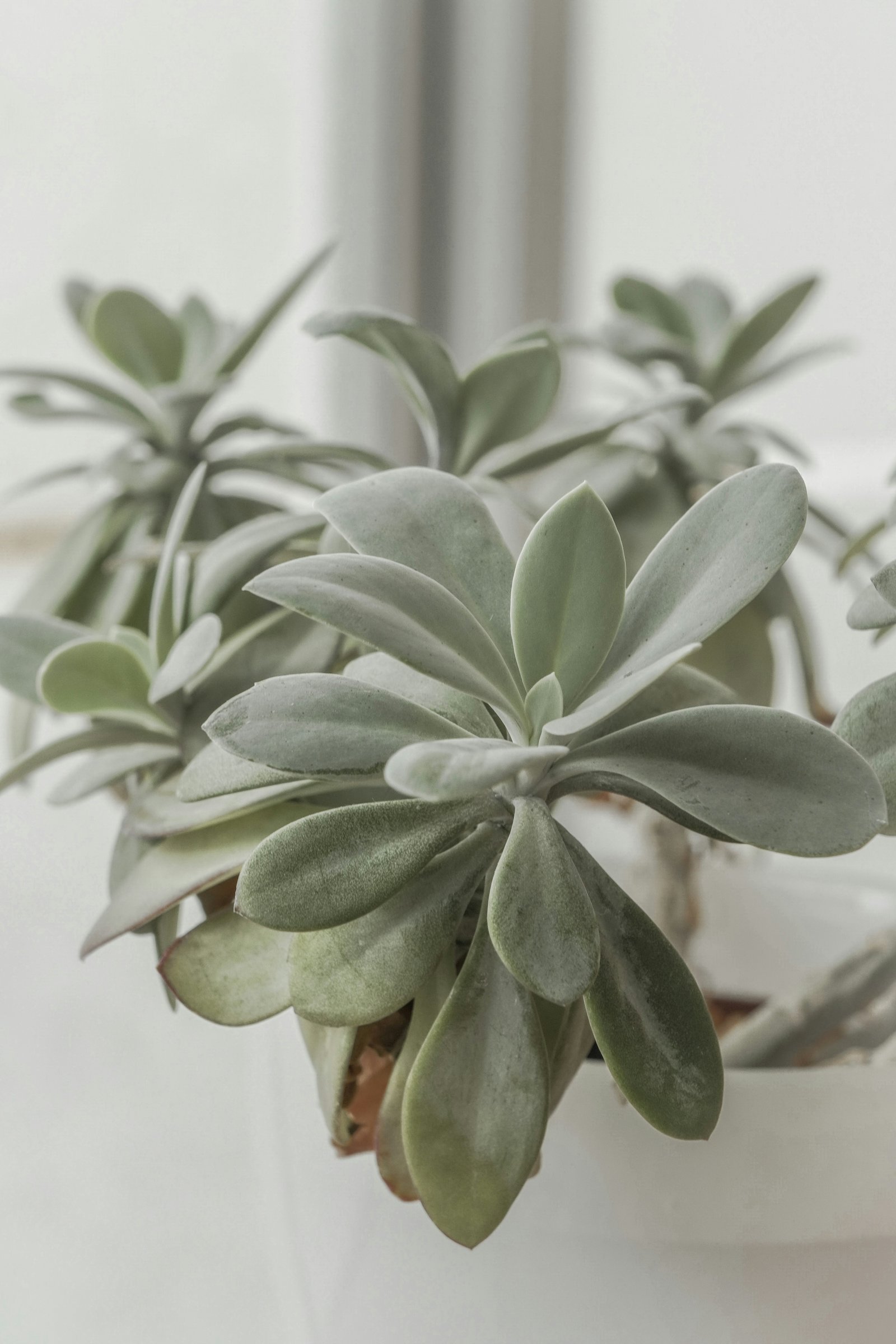

Introduction to Rare Succulents
Rare succulents are a captivating category of plants that have gained significant attention among horticulture enthusiasts and collectors. The rarity of these plants often stems from their limited geographical distribution, unusual morphology, or specific environmental requirements that make them challenging to cultivate. In essence, a rare succulent can be defined as a species or variety that is not commonly encountered in mainstream horticulture, frequently relegated to specialty sellers or collections. This exclusivity contributes to their allure, attracting avid plant lovers who appreciate the beauty and uniqueness that rare succulents bring to their collections.
One of the defining characteristics of rare succulents is their incredible diversity in shape, color, and size. These plants can exhibit dramatic adaptations, such as thickened, fleshy leaves or stems that enable them to survive in arid conditions. Some rare succulents display vibrant hues due to a higher concentration of natural pigments, while others may offer striking patterns or textures that are a testament to their evolution. Collectors value these unique traits, which often challenge the conventional understanding of what a succulent can be.
However, the care requirements of rare succulents are often distinct from those of more common varieties. Key factors such as soil composition, watering schedules, and, notably, lighting conditions play a crucial role in their successful cultivation. Adequate light, often provided through quality LED grow lights, is particularly important as it mimics the natural conditions of their native environments. The specific light spectrum emitted by these lights can promote healthy growth, flowering, and overall vitality in these fascinating plants. Understanding these requirements not only promotes successful cultivation but also enhances the appreciation for the artistry involved in nurturing rare succulents.
Importance of Lighting for Succulent Growth
Lighting plays a pivotal role in the growth and health of succulents, particularly rare varieties that may have specific light requirements. Succulents, like all plants, rely on photosynthesis to convert light energy into chemical energy, aiding their growth and vitality. In regions where natural sunlight may be insufficient or not aligned with the plant’s needs, utilizing appropriate lighting becomes crucial. This is especially true for rare succulents, which can be sensitive to variations in their environmental conditions.
Light intensity is a critical factor influencing succulent growth. High light intensity is often essential for these plants to thrive, as it directly affects photosynthesis rates. If a succulent does not receive adequate light, it may exhibit signs of etiolation, where the plant stretches toward the light source, leading to weak and leggy growth. Conversely, too much light, especially from harsh direct sunlight, can cause scorching and damage, thus necessitating a careful balance.
Moreover, artificial grow lights offer a controlled solution to meet the light needs of rare succulents. Unlike natural sunlight, which can vary in intensity and duration through the seasons, LED grow lights provide a consistent and adjustable light spectrum. This can be tailored to mimic the ideal growing conditions for different succulent varieties, ensuring optimal health and development. The use of grow lights can bridge the gap during darker months or in indoor spaces where access to natural light is limited, promoting robust growth and flowering.
In summary, understanding the importance of lighting, both natural and artificial, is crucial for the successful cultivation of rare succulents. Adequate light conditions will not only enhance succulents’ growth rates and structural integrity but also contribute to their overall health and aesthetic appeal.
Why Choose LED Grow Lights?
When it comes to cultivating rare succulents, the choice of lighting can make a significant difference in growth and health. LED grow lights have emerged as a preferred option for many plant enthusiasts due to their numerous advantages over traditional lighting systems.
One of the primary benefits of LED lights is energy efficiency. They consume significantly less electricity compared to incandescent or fluorescent bulbs, leading to lower energy bills while providing optimal light for your plants. This efficiency means that you can run these lights for the recommended 12 to 16 hours a day without overwhelming your electricity consumption.
Another advantage of LED grow lights is their wide spectrum range. They can be designed to emit specific wavelengths that cater to the needs of succulents during different growth phases. Unlike traditional lights that often provide a limited color spectrum, LEDs can be optimized to deliver the blue and red wavelengths essential for photosynthesis, promoting robust growth and vibrant colors in your succulents.
Additionally, LED grow lights produce less heat compared to their traditional counterparts. This is particularly beneficial for sensitive plants like rare succulents. Excessive heat can lead to stress, wilting, and even death in these delicate specimens. With LED lights, you can maintain a comfortable temperature for your plants while ensuring they receive the necessary light exposure.
Moreover, the longevity of LED bulbs surpasses that of traditional lighting options. A typical LED grow light can last up to 50,000 hours or more, reducing the need for frequent replacements and minimizing waste. This durability, combined with their customizable spectrum and low heat output, makes LED grow lights an optimal choice for anyone looking to nurture rare succulents successfully.
Key Features to Look for in LED Grow Lights for Succulents
When selecting LED grow lights specifically for rare succulents, several key features should be considered to ensure optimal growth and health. The first aspect is the light spectrum quality. Succulents thrive under a specific range of light wavelengths, particularly in the red and blue spectrum. A good LED grow light should offer a full spectrum option or have adjustable spectrums, allowing users to cater to varying growth phases like germination, vegetative growth, and flowering.
Another critical feature is wattage. While the exact wattage needed can vary depending on the types of succulents and their growing conditions, generally, a higher wattage indicates more powerful light output. Grow lights that offer 30 to 50 watts per square foot are often sufficient for succulent growth. However, it is essential to balance wattage with energy efficiency to avoid excessive electricity costs.
The coverage area is also paramount. Different growing setups require different coverage, so it is advisable to select LED lights that can adequately cover the entire area where the plants are placed. Checking the manufacturer’s specifications for the recommended coverage area can help ensure all plants receive sufficient lighting without any dark spots.
Adjustable settings present a significant advantage for growing rare succulents. Being able to customize light intensity and duration can accommodate seasonal changes and varying needs of the plants, promoting healthy growth. Moreover, durability is a factor that should not be overlooked. Robust, high-quality LED grow lights typically offer a longer lifespan and are better suited to withstand high temperatures associated with plant growth. Overall, considering these features will guide individuals in selecting the optimal LED grow lights for their rare succulent collection.
Top 5 LED Grow Lights for Rare Succulents
With the increasing popularity of rare succulents, the demand for effective lighting solutions has also grown. LED grow lights have become a popular choice among plant enthusiasts due to their energy efficiency and ability to promote healthy growth. Below are our top five recommendations for LED grow lights specifically suited for rare succulents.
1. King LED 600W
This powerful LED grow light features a full spectrum option, which is perfect for supporting the growth of various succulent species. The King LED 600W is known for its low energy consumption and excellent heat dissipation. Users appreciate the adjustable height feature, allowing customized distance from plants. However, some customers report that it may be too intense for seedlings.
2. VIPARSPECTRA 300W
The VIPARSPECTRA 300W represents a great balance between price and performance. Its full-spectrum lighting mimics natural sunlight, making it ideal for both growth and flowering phases. The built-in cooling system ensures optimal temperature regulation. Some users, however, mention that the power cord could be longer for more flexibility in positioning.
3. Roleadro 300W
Regarded for its compact design and affordability, the Roleadro 300W features a dual switch that allows growers to customize light intensity. This versatility is essential for rare succulent care. Despite its advantages, a few users point out that it may not cover large growing areas effectively.
4. GE BR30 LED Grow Light
Designed specifically for home use, the GE BR30 offers an easy solution for casual succulent growers. This light emits a spectrum that enhances plant growth while being energy efficient. However, it is best suited for smaller setups as it does not provide the intensity needed for larger collections.
5. Phlizon 600W
With a high PAR output, the Phlizon 600W is favored by serious gardeners. It features multiple light modes that cater to different growth stages of succulents. Customers have praised its durability and efficiency, but potential buyers should consider the initial investment cost.
Choosing the right LED grow light is crucial for optimal succulent growth. These five options offer an array of specifications and features tailored to meet the unique needs of rare succulents. Read customer reviews and specifications carefully to select the best fit for your plants.
How to Properly Use LED Grow Lights for Succulents
Using LED grow lights effectively is crucial for the healthy growth of rare succulents. Proper placement is a key factor; it is recommended to position the lights about 12 to 24 inches above your plants. This distance allows for adequate coverage without causing heat stress to the delicate foliage of succulents. If the lights are too far away, your plants may not receive sufficient light, leading to slow growth or etiolation. Conversely, overly close lights can damage the leaves, resulting in burning.
The intensity and duration of light exposure are also significant considerations. Succulents typically require 12 to 16 hours of light per day, depending on the specific species and their individual needs. During the growing season, aim for longer exposure times; however, in the dormant months, a reduction to about 8 to 10 hours may be beneficial. Monitoring the plants during these periods will help identify any signs of stress or underexposure, allowing for adjustments as needed.
Seasonal changes can greatly influence how LED grow lights should be used. During the winter months, when natural sunlight is limited, ensuring that your succulents receive the optimal light conditions is essential. Additionally, as your plants grow and mature, they may require different light settings, particularly if they start to stretch toward the light source. Understanding these variables will give you the knowledge to adapt your lighting setup appropriately.
In summary, proper use of LED grow lights involves careful consideration of placement, distance, exposure duration, and adjustments according to seasonal changes and the specific growth stage of your succulents. Following these guidelines will help create a conducive environment for the healthy development of rare succulent varieties.
Common Mistakes When Using Grow Lights
When utilizing grow lights for rare succulents, several common mistakes can hinder plant growth and overall health. One prevalent error is overexposure to light. Succulents require a balance of light; excessive direct exposure can lead to sunburn, which manifests as brown or bleached spots on the leaves. To avoid this, gardeners should observe their plants closely and adjust the height and intensity of the grow light as needed, especially during peak growth periods.
Conversely, underexposure is equally detrimental. Insufficient light may result in etiolation, where the plants grow tall and spindly in search of light. This situation can compromise the aesthetic appeal of succulents. To mitigate underexposure, it is crucial to evaluate the specific light requirements of different succulent species. Using a light meter can further assist in determining whether the light intensity is adequate for healthy growth.
Another mistake commonly observed is incorrect spectrum usage. Different plants have varying light spectrum needs, and using grow lights that do not provide the appropriate spectrum can stunt growth. Many succulents thrive best under a full spectrum light, which mimics natural sunlight. It is essential to choose a grow light that offers the correct wavelengths for both photosynthesis and flowering. Ideal grow lights often include a mix of red and blue light, promoting robust growth and vibrant color.
To prevent these common pitfalls, gardeners should invest time in educating themselves about the specific needs of their succulents and carefully monitor their exposure to artificial lighting. Regular adjustments based on seasonal changes, growth patterns, and individual plant responses will contribute to healthy succulents flourishing under artificial light conditions.
Expert Tips for Growing Rare Succulents Under LED Lights
Growing rare succulents under LED lights requires a nuanced understanding of their specific needs, particularly concerning watering schedules, humidity levels, and soil types. To begin, it is crucial to establish a proper watering routine. Succulents are typically resilient and can store water in their leaves, but overwatering is a common mistake. It is advisable to water rare succulents only when the top inch of the soil feels dry. This method encourages stronger roots and prevents rot, which can be exacerbated under bright LED lighting conditions.
Next, maintaining appropriate humidity levels is essential for optimal growth. Rare succulents thrive best in environments that mimic their native habitats, often characterized by low to moderate humidity. Utilizing a hygrometer can help monitor moisture levels in the air. If the air is too dry, adding a tray of water with pebbles beneath the plant can increase humidity, while still avoiding direct contact with the roots. Alternatively, if humidity levels are too high, it may be prudent to increase air circulation around the plants to prevent fungal diseases.
The choice of soil plays a pivotal role as well. Rare succulents generally prefer well-draining soil to avoid excess moisture retention. A commercial cactus or succulent mix can provide the necessary drainage, but adding perlite or coarse sand can enhance aeration and drainage further. Ensuring that the pots have drainage holes is also critical to prevent water accumulation. With the right watering schedule, humidity control, and appropriate soil types, growing rare succulents under LED lights can be an effective and rewarding experience.
Conclusion and Final Thoughts
In this blog post, we have explored the significance of selecting appropriate LED grow lights for cultivating rare succulents. These plants, which often thrive in specific light conditions, require adequate and suitable lighting to achieve optimal growth. After reviewing various types of LED grow lights, it is evident that investing in quality lighting is critical to the healthy development of succulents.
The characteristics of light, such as intensity, spectrum, and duration, play a vital role in nurturing these unique plants. When choosing the ideal LED grow light, one must consider factors such as the specific light requirements of the succulent species and the growing conditions in which they will be placed. Furthermore, not all LED lights are created equal; therefore, choosing high-quality products designed for plant growth can significantly impact the success of your succulent garden.
It is essential for collectors and enthusiasts to invest time in researching and selecting the right grow lights, as they significantly influence the health and vibrancy of rare succulents. Ensuring the appropriate light intensity and wavelength can enhance photosynthesis, promote blooming, and contribute to the overall well-being of these plants. By making informed choices, you can provide the best possible environment for your rare succulents to thrive.
Ultimately, the effort put into understanding and implementing effective lighting solutions will be reflected in the flourishing condition of your succulent collection, allowing you to appreciate and enjoy these beautiful plants to their fullest potential.