
Introduction to Composting in Small Spaces
Composting has emerged as an essential practice for urban dwellers seeking to minimize their environmental impact. As cities expand and populations grow, the challenge of managing organic waste has intensified. Composting in small spaces, particularly within apartments, presents a practical solution that not only reduces waste but also contributes to a more sustainable urban environment.
The integration of composting worms into small apartments offers a compact solution to traditional composting methods, making it easier for city residents to participate in organic waste management. Worms such as red wigglers are particularly adept at breaking down kitchen scraps and organic materials, efficiently converting them into nutrient-rich compost. This process, known as vermicomposting, can take place in compact bins, ideal for limited living spaces.
Moreover, the benefits of composting extend beyond merely facilitating waste reduction. The organic compost generated through this method acts as a natural fertilizer, enriching soil health and supporting plant growth. This is especially advantageous for urban gardeners who wish to cultivate herbs or small vegetable patches. Adding compost to the soil improves its texture and nutrient content, leading to healthier plants and better yields.
Additionally, engaging in composting initiatives fosters a sense of community among residents, promoting awareness of sustainability practices and encouraging shared responsibility for waste management. By utilizing composting worms, urbanites can significantly diminish the amount of organic waste that enters landfills, thereby reducing greenhouse gas emissions associated with waste decomposition.
In light of these considerations, it becomes clear that composting, particularly with the aid of worms, is an effective and responsible approach for addressing waste management challenges in small apartments. It champions sustainability while allowing urban residents to contribute positively to their environment, making it a worthwhile endeavor for anyone interested in eco-friendly living.
Understanding Composting Worms
Composting worms, often referred to as red worms or earthworms, play a pivotal role in the composting process, particularly for those engaging in vermicomposting. These worms, primarily the Eisenia fetida species, are highly effective at breaking down organic materials such as kitchen scraps and garden waste. Their biological composition and behavior make them indispensable allies in creating nutrient-rich compost.
Red worms are capable of processing organic matter rapidly due to their unique digestive systems. As they consume waste, they excrete castings, which are rich in nutrients and beneficial microorganisms, enhancing soil health. This makes composting worms an excellent choice for urban dwellers, as they require minimal space and contribute to a sustainable waste management system.
There are several commonly used species of worms for composting. Alongside Eisenia fetida, one may also encounter Lumbricus terrestris, commonly known as the nightcrawler. However, for indoor composting, red wiggler worms are preferentially chosen due to their adaptability to confined spaces and remarkable composting speed. These worms thrive in environments with abundant organic waste, moisture, and the right temperature range, typically between 55°F and 77°F (13°C and 25°C).
The composting process facilitated by worms involves a combination of physical and biological breakdown of organic material. As worms tunnel through the compost pile, they aerate the mixture, enhancing decomposition and speeding up the composting process. Their activity improves the structure, porosity, and drainage of the compost, leading to a high-quality end product that can enrich gardens and potted plants.
Why Choose Compact Worms for Apartments?
Compact composting worms offer numerous benefits that make them particularly suitable for individuals living in small apartments. One of the most significant advantages is their space-saving nature. Unlike traditional composting systems that require considerable space, compact worms can thrive in smaller environments, allowing urban dwellers to compost efficiently without sacrificing living area. They can be housed in specially designed bins that fit easily on countertops or small balconies, making them accessible to anyone with limited space.
Odor control is another vital consideration for apartment composting. Compact worm species, such as red wigglers, are particularly efficient at breaking down organic material, which significantly reduces the likelihood of unpleasant smells. When properly managed, these worms can effectively compost kitchen scraps and other organic matter without producing the noxious odors sometimes associated with larger systems. This makes them ideal for indoor environments where ventilation may be limited, allowing individuals to compost without disturbing neighbors or creating an uncomfortable atmosphere.
Ease of maintenance is yet another reason to choose compact worms for apartment living. These species tend to be low-maintenance, requiring minimal intervention when compared to larger compost systems. With the right balance of food, bedding, and moisture, compact worms can thrive and produce high-quality vermicompost with little effort. This simplicity ensures that individuals can engage in sustainable practices without the burden of complex upkeep, making it a feasible option for those with busy lifestyles or limited experience in composting.
Top Compact Composting Worms for Small Apartments
When it comes to compact composting in small apartments, selecting the right species of worms is crucial for effective waste management and efficient compost production. Several species thrive in limited spaces and can significantly enhance the composting process. Below are some of the top choices for compact composting worms.
Red Wigglers (Eisenia fetida) are one of the most popular species for indoor composting. They grow to a manageable size of about 3 to 4 inches long, making them ideal for small containers. Red wigglers favor a moisture-rich environment with temperatures between 55°F and 77°F. These worms feed on kitchen scraps, paper, and other organic matter, efficiently converting waste into nutrient-rich compost within a short period.
European Nightcrawlers (Eisenia hortensis) are another excellent choice for composting in apartments. Slightly larger than red wigglers, they can grow up to 5 to 8 inches long. They prefer similar conditions and are known for their burrowing capability, which enhances aeration within the compost. European nightcrawlers are also robust eaters and will consume a variety of organic waste materials, thus accelerating the composting process.
African Nightcrawlers (Eudrilus eugeniae) are larger, reaching about 8 to 9 inches in length. Despite their size, they are highly effective in composting and well-suited for tropical climates. African nightcrawlers thrive in warm conditions and can digest organic waste rapidly, resulting in high-quality compost. Apartments with warmer indoor temperatures can cultivate these worms successfully.
In conclusion, each of these species brings unique advantages to compact composting in small apartments. Red wigglers, European nightcrawlers, and African nightcrawlers can efficiently transform organic waste into valuable compost, contributing significantly to sustainable living practices in urban environments.
Setting Up Your Apartment Worm Bin
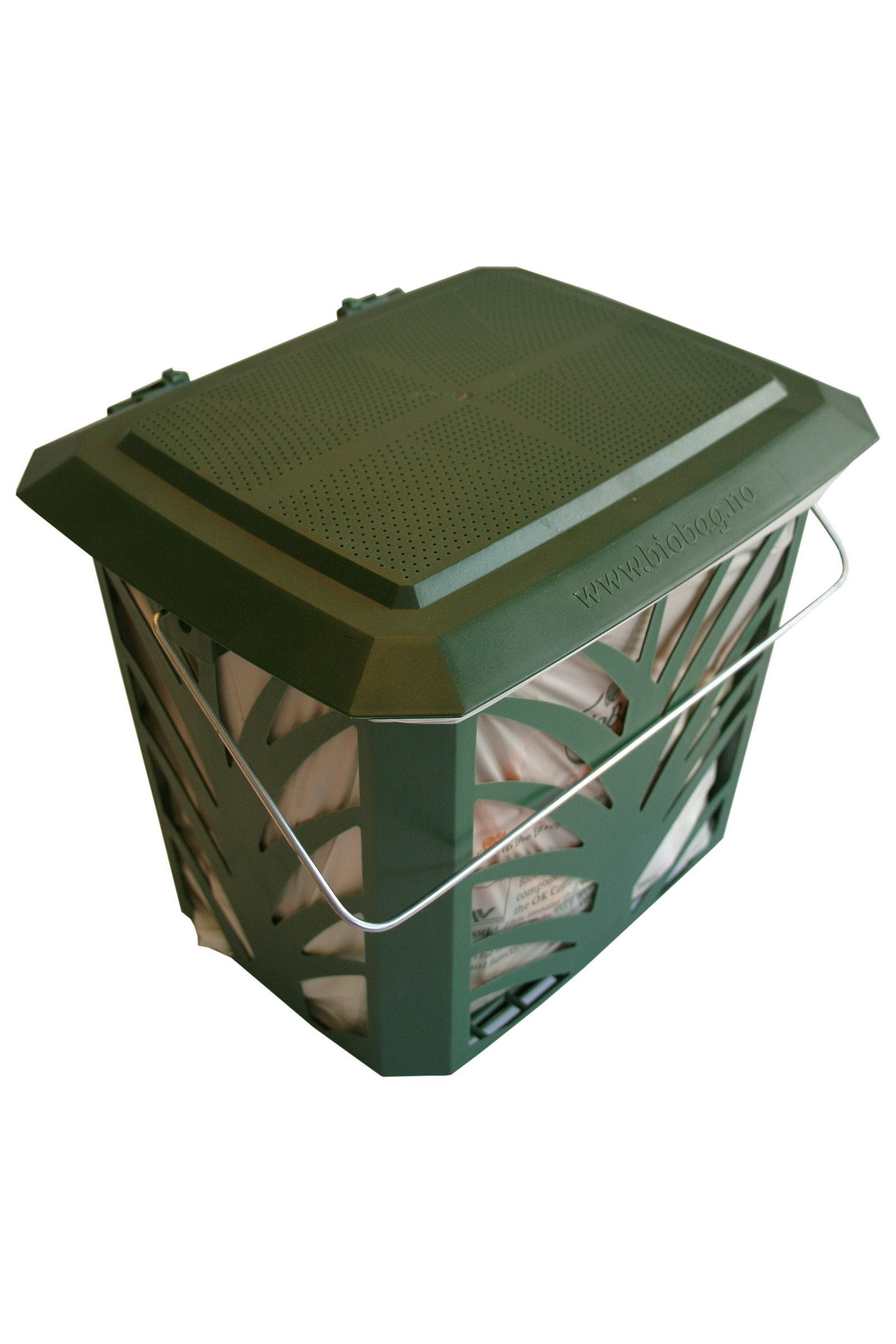
Creating a worm bin in your apartment is a practical and environmentally-friendly way to recycle organic waste into nutrient-rich compost. The first step is to choose an appropriate container. A plastic or wooden bin with a capacity of about 5 to 10 gallons is ideal for small spaces. Ensure the container has a secure lid and small air holes for ventilation, as worms require oxygen to thrive.
Next, select suitable bedding materials, which provide a comfortable home for your worms while also retaining moisture. Shredded newspaper, cardboard, and coconut coir are excellent choices. It is essential to fluff the bedding to improve aeration and moisture retention. Aim for about 2-3 inches of bedding material at the bottom of the bin.
Moisture control is crucial in maintaining an optimal environment for your worms. The bedding should be moist but not soaking wet; a good test is to squeeze the bedding in your hand — it should feel damp but not drip water. If the bedding is too dry, add a bit of water; conversely, if it is too wet, add more dry bedding to absorb excess moisture.
Deciding on the location of your worm bin is also important. The bin should be placed in a cool, dark area, such as a kitchen or a laundry room, away from direct sunlight, which can overheat the environment and stress the worms. Additionally, ensure the location is convenient for you to deposit food scraps and manage the bin easily.
Following these steps will help you successfully set up a worm bin in your apartment. With proper setup, your worms will convert organic waste into valuable compost while minimizing odors and pests, thus enhancing your indoor gardening experience.
Feeding Your Composting Worms
To maintain healthy composting worms, it is crucial to provide them with a balanced diet. Composting worms thrive on a variety of organic materials, which not only supports their health but also enhances the quality of the compost produced. The ideal diet for these worms includes vegetable scraps, fruit peels, crushed eggshells, and coffee grounds. These items are rich in nutrients, promoting optimal growth and activity in your worms.
When considering what to feed your worms, it is important to note which food scraps are safe for them. Safe options include:
- Fruit and vegetable scraps (avoid citrus in excess)
- Leafy greens
- Grains (like oats and bread in moderation)
- Coffee grounds and tea bags
- Crushed eggshells for calcium
Conversely, certain items should be avoided to ensure the worms remain healthy. Unsafe foods include:
- Meat and dairy products, which can attract pests
- Oils and fatty foods
- Spicy foods and items that are highly acidic
- Pineapple and citrus peels in large quantities
Feeding practices should be carefully managed to achieve the best results. Start with small portions to avoid overfeeding, which can lead to odor problems and hinder the worms’ ability to process waste effectively. Monitoring the feeding habits of your worms can provide insights; if food disappears quickly, consider increasing the quantity gradually. Additionally, keep the worms’ environment damp but not overly wet, as moisture is vital for their survival but excessive water can lead to anaerobic conditions. This careful attention to their diet and environment is key to a thriving composting system.
Maintaining Your Worm Bin
The effective maintenance of your composting worm bin is crucial for sustaining the health of your worms as well as ensuring the efficiency of the composting process. Regular attention to factors such as aeration, moisture control, temperature management, and addressing potential issues plays a significant role in optimizing worm composting in small apartments.
Aeration is essential for composting worms, as they require oxygen to thrive. It is advisable to mix the bedding materials occasionally, which can be achieved by gently turning them with a hand trowel or a garden fork. This practice not only helps introduce air into the bin but also promotes even decomposition of organic waste, preventing compacted layers that may restrict airflow and cause anaerobic conditions.
Moisture management is equally vital; worms prefer a moist environment but are susceptible to drowning in too much water. The internal humidity of the bin should feel like a wrung-out sponge—damp but not soggy. Monitoring moisture levels involves checking the bedding material regularly, adding water when necessary, and allowing excess liquid to drain away. If you find the environment too wet, consider adding dry materials such as shredded newspaper or cardboard.
Maintaining an appropriate temperature range is also a key factor in worm composting success. Composting worms generally thrive between 55°F and 77°F (13°C – 25°C). In small apartments, ensure that your bin is located away from direct sunlight, heating vents, and cold drafts to help maintain optimal temperatures. If the system ever becomes too hot or too cold, consider insulating the bin, adjusting its location, or moving it indoors or outdoors in accordance with seasonal changes.
Finally, troubleshooting common issues like odors or escaping worms can be managed by monitoring your bin closely and making required adjustments. Excessive odors may indicate overfeeding or poor aeration, while escaping worms can suggest unfavorable conditions. Keeping a clean and well-maintained environment is essential for fostering a thriving worm population.
Harvesting Compost from Worms
Harvesting vermicompost from your composting worms is an essential process that allows you to utilize the rich, nutrient-dense material produced during the vermicomposting process. Vermicompost, known for its high microbial activity and nutrient content, is an excellent amendment for both indoor and outdoor gardening. To begin harvesting, plan to do so approximately every three to six months depending on the size of your worm bin and the amount of food you provide to your worms.
One effective method for separating worms from the compost is the “migration method.” In this process, you move the contents of your worm bin to one side, allowing the worms to congregate into the opposite section away from the light. After a few hours, you can remove the finished compost from the side where the worms are absent, ensuring minimal disturbance to the worms left behind. Another approach is to scoop out the top layer of vermicompost, as most worms will reside in the lower layers.
After harvesting, it is essential to assess the quality of the vermicompost to ensure it is free from uncomposted materials. The end product should feel dark, crumbly, and have an earthy smell indicative of decomposed organic matter. The nutrient-rich vermicompost can then be applied directly to your houseplants or garden beds. It can enhance soil structure, increase moisture retention, and provide a slow-release source of nutrients for your plants.
Integrating vermicompost into your gardening routine not only improves plant growth but also promotes a sustainable method of waste recycling, making it an ideal solution for small apartments looking to maximize their gardening efforts.
Conclusion and Benefits of Composting with Worms
Composting with worms, known as vermicomposting, offers numerous advantages, particularly for those residing in small apartments. This method not only maximizes space but also encourages sustainable living. As we have discussed, the process employs red wigglers or other suitable composting worms that effectively break down kitchen scraps and organic waste. This sustainable practice reduces landfill contributions while simultaneously generating nutrient-rich compost for indoor plants.
An essential benefit of worm composting is its minimal maintenance requirement. Unlike traditional composting methods that need regular turning and monitoring for temperature, worm bins can be managed easily beneath the kitchen sink or on a balcony. This accessibility makes it ideal for urban dwellers who may lack outdoor space or gardening experience. Worm castings, the end product of this composting process, serve as an excellent organic fertilizer. The slow-release nutrients benefit plants, promoting healthier growth and development.
Additionally, worm composting reduces unpleasant odors typically associated with decomposing organic matter. The adaptation of composting worms helps create a more balanced and less pungent environment, making it perfect for indoor settings. As such, individuals can reap the benefits of composting without the drawbacks commonly associated with traditional composting.
In conclusion, starting a worm composting journey in a small apartment is not only feasible but also rewarding. With the insights shared in this blog post, potential composters can appreciate the efficiency and cleanliness of vermicomposting. Embracing this eco-friendly practice contributes significantly to waste reduction while enhancing the quality of indoor gardening. Let this be the encouragement to take action and invest in a sustainable future by adopting worm composting today.