

Understanding the Importance of Privacy in Shared Bedrooms
Privacy plays a vital role in creating a harmonious environment in shared bedrooms, particularly for siblings. In a shared living space, the concept of privacy allows each child to feel secure and respected within their environment. The psychological benefit of privacy is significant, as it contributes to a child’s sense of autonomy and promotes independence. When children have their own distinct areas, even within a shared room, they can express themselves freely, engage in personal activities, and develop their identities.
The emotional benefits of privacy cannot be overstated. Offering children their own space helps them establish boundaries, which is essential in fostering mutual respect amongst siblings. By encouraging each child to have an area of the room that represents their individuality, feelings of ownership and responsibility may also be cultivated. Furthermore, understanding and respecting personal space can significantly mitigate conflicts that often arise from sharing environments. When children recognize that privacy is valued, they may be less likely to intrude on each other’s belongings or disrupt personal activities, leading to a more peaceful coexistence.
Another aspect to consider is the role privacy plays in emotional well-being. Children often encounter various stresses, and having a dedicated space where they can retreat provides a chance for relaxation and self-reflection. This dedicated personal area helps them cope with challenges, allowing siblings to regroup and approach their relationships from a healthier standpoint. Consequently, teaching the importance of privacy in shared bedrooms not only enhances emotional stability but also equips siblings with essential life skills such as conflict resolution and communication. In essence, prioritizing privacy in a shared bedroom fosters a nurturing environment that promotes both independence and familial bonds.
Assessing the Space: Analyzing Room Layout and Dimensions
When organizing a shared bedroom, the first step is to assess the physical space effectively. This includes measuring the room’s dimensions, noting the layout, and identifying areas that can be optimized for the individual needs of each sibling. Begin by using a measuring tape to obtain the length and width of the room. Record these measurements accurately, as they form the basis for planning the ideal arrangement.
Next, evaluate the existing furniture and fixtures within the room. Determine which items are essential for both siblings and which can be repurposed or removed to create more space. For instance, twin beds can be positioned in an L-shape or bunks can be considered, which might free up valuable floor space. It is also crucial to examine the placement of windows and doors; natural light should not be obstructed, as this can affect the room’s overall ambiance.
In addition to vertical space, consider incorporating under-bed storage solutions or multi-functional furniture pieces, such as a desk that doubles as extra storage. Identifying distinct areas is another key aspect of organizing a shared space. Each sibling should have their zone within the room that promotes their identity while ensuring they have privacy. Delineating these zones, whether through rugs, shelving units, or curtains, can foster a sense of ownership and reduce potential conflicts.
Lastly, it is beneficial to create a scale drawing of the room layout, marking where each piece of furniture will go. This visual aid helps in understanding how the space will function and guides decisions on layout adjustments. In doing so, siblings are more likely to have a harmonious and organized shared bedroom that respects their privacy while maximizing the available space.
Creating Boundaries: Physical Dividers and Personal Zones
When organizing a shared bedroom for siblings, establishing clear boundaries is essential for promoting a harmonious living environment. Utilizing physical dividers can significantly enhance the sense of personal space for each sibling. Various types of dividers, such as bookshelves, curtains, or decorative screens, can transform a shared room into individual zones. Each of these options has its own advantages, and selecting the right one depends on the preferences of the siblings and the layout of the room.
Bookshelves are a versatile choice, serving both as a storage solution and a visual divider. By placing a bookshelf between the beds or designated areas, siblings can create their own “zones” while also enjoying easy access to books and other items. Additionally, a bookshelf can be customized with personal decorations, further enhancing the individual spaces and making them feel more personalized.
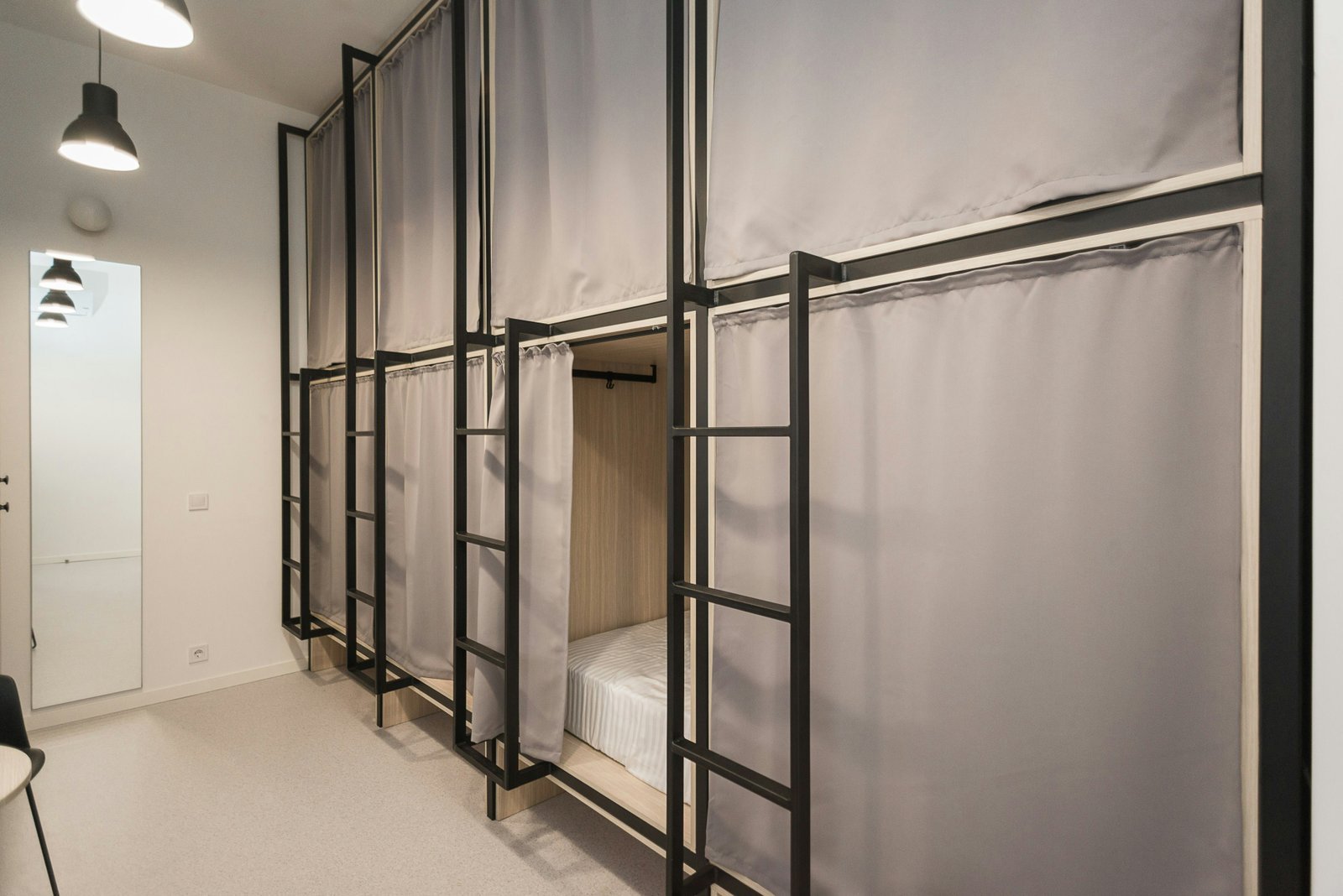
Curtains are another excellent option for establishing privacy in a shared bedroom. They are easy to install and can be opened or closed based on the siblings’ preferences. Curtains not only add a touch of color and style to the room but also offer flexibility. Each sibling can close their curtains to signal when they want privacy, which can help reduce conflicts arising from misunderstandings about personal space.
Decorative screens can also provide an effective boundary while contributing to the overall decor of the bedroom. With countless styles available, screens can be both functional and aesthetically pleasing, allowing siblings to further express their individuality. These screens can also be repositioned easily, accommodating any changes in the room layout or the siblings’ needs.
Defining personal zones through these physical dividers fosters respect among siblings. It helps create an environment where each child can feel secure in their privacy, making their shared space more enjoyable for everyone involved. All in all, clear boundaries are vital in maintaining peace in a shared bedroom, allowing each sibling to thrive in a space that reflects their identity.
Storage Solutions: Maximizing Shared and Personal Storage
When organizing a shared bedroom for siblings, finding effective storage solutions is paramount to keep the space tidy while respecting each child’s personal belongings. To maximize both shared and personal storage, utilizing versatile containers is key. Items such as plastic bins or woven baskets can be designated for communal use, promoting efficient sharing and easy access to toys, games, or books that both siblings enjoy.
In addition to shared storage, it is equally critical to provide individualized areas for each child. Personal storage solutions can empower siblings to take ownership of their space, fostering a sense of responsibility and independence. Individual drawers, closet sections, or personal shelves can serve as designated spots for items that each sibling wishes to keep private. Labeling these areas can further personalize the space, assisting in organization and eliminating confusion over ownership.
Beyond bins and drawers, consider incorporating multi-functional furniture into the shared bedroom. Beds with built-in storage drawers or ottomans that open up for additional space can offer practical solutions, reducing clutter while providing a place for personal belongings. Additionally, wall-mounted shelves can take advantage of vertical space, allowing siblings to display cherished items while keeping the floor area free from obstructions.
In summary, the key to effectively organizing a shared bedroom lies in balancing shared and personal storage solutions. By implementing thoughtful storage ideas, such as communal bins and individual compartments, parents can create an environment that promotes both cooperation and individuality. Maximizing space through clever use of furniture and versatile storage options can result in a harmonious living area that meets the diverse needs of both siblings while maintaining a sense of privacy.
Personalization in a Shared Bedroom
Personalization is a vital aspect of creating a shared bedroom that caters to the individual preferences of each sibling while ensuring a cohesive overall design. Allowing children to express their unique personalities not only fosters a sense of ownership but also enhances their experience in the shared space. Personal touches such as favorite colors, themes, or decorative items can be incorporated to make each sibling feel represented.
To begin with, establishing distinct zones within the bedroom can be an effective method of personalization. Each sibling can designate an area that reflects their personal aesthetic. For example, one may prefer bright colors and playful textures, while the other might lean towards a more subdued palette featuring earthy tones. Utilizing furniture arrangement, rugs, or room dividers can help delineate these spaces while still maintaining a cohesive look.
Another creative approach is to integrate personalized décor items. Allowing each child to showcase their interests through wall art, photos, or decoration can make the room feel more personal. Simple frames or bulletin boards can serve as areas where siblings can display their favorite art pieces, photographs, or collected mementos, supporting their individuality within the shared space.
Additionally, selecting bedding that reflects each child’s style can further enhance personalization. Different patterns or themes can be chosen to represent each sibling while keeping the overall color scheme harmonious. This strategy not only provides comfort but also offers a visual representation of their personalities.
Ultimately, personalization in a shared bedroom encourages each sibling to participate in creating a space that respects and celebrates their individuality while promoting a harmonious living environment. Through thoughtful design choices, siblings can coexist peacefully while still having the opportunity to express themselves creatively.
Establishing Routines: Schedules and Shared Responsibilities
Creating an effective daily routine in a shared bedroom is essential for maintaining order and respecting each sibling’s need for privacy. A consistent schedule aids in managing time effectively while promoting a harmonious living environment. Begin by discussing the daily activities that both siblings share, such as homework, playtime, and bedtime. Formalizing these routines helps each individual know when they can expect quiet time or shared activities, which is crucial for establishing respect and privacy.
Open communication is key to the success of any shared living arrangement. Encourage siblings to express their personal preferences regarding schedules and responsibilities. For example, agreeing on quiet hours for study or personal activities fosters a sense of ownership over the space. Designate specific times for shared chores and ensure that both siblings participate in maintaining the room. This shared responsibility not only eases the burden on one individual but also reinforces the concept of teamwork.
A useful strategy is to create a visual chart that outlines each sibling’s responsibilities and daily routines. This could include a chore schedule, individual time slots for personal tasks, and designated quiet times. Such a chart not only serves as a reminder of one’s commitments but also facilitates accountability. Regularly revisiting and adjusting this routine as needs change helps keep it relevant and efficient.
Finally, consider scheduling a weekly check-in to evaluate how well the routine is working. This open dialogue encourages feedback and helps reinforce the importance of shared responsibilities and cooperation. By prioritizing communication and establishing clear routines, siblings can create a shared living space that respects individual privacy while promoting a collaborative atmosphere.
Implementing Technology: Using Gadgets to Enhance Privacy
In today’s digital age, various technological solutions can foster a sense of privacy and organization in a shared bedroom, making the space more accommodating for siblings. One effective option is the use of sound machines. These devices can create white noise, which masks disruptive sounds and provides each child a more serene atmosphere in which to relax, read, or concentrate on schoolwork. By incorporating a sound machine, siblings can enjoy a personal sound environment, making it easier for them to unwind without disturbing one another.
Another practical gadget is smart lighting. Smart lights can be programmed to create different ambiances and are controllable through an app or voice activation. This allows each sibling to customize their area with unique colors or intensities, fostering a sense of individuality within the shared space. For instance, one sibling can opt for a bright light for studying while the other can dim theirs for a cozy evening of reading. This capacity for customization enhances personal comfort while maintaining mutual respect for shared boundaries.
Noise-canceling headphones further enhance the experience by allowing siblings to engage in their activities without interference. Whether one child is playing video games while the other is completing homework, headphones provide a crucial barrier against distractions, ensuring that each sibling can focus on their respective tasks without contention. Such technology not only promotes privacy but also cultivates an environment conducive to cooperation and understanding.
Overall, integrating these gadgets into a shared bedroom can significantly uplift the living experience. By strategically employing sound machines, smart lights, and noise-canceling headphones, siblings can successfully balance the need for personal space with the joys of sharing a room, creating a harmonious living arrangement.
Conflict Resolution: Tips for Navigating Shared Space Disputes
Shared bedrooms can sometimes lead to conflicts between siblings, necessitating effective strategies for resolution. The first step in navigating these disputes is open communication. Children should feel encouraged to express their concerns and feelings regarding their shared space. Parents can facilitate this by creating a safe and supportive environment that promotes honest dialogue. Active listening is essential; siblings should be taught to hear each other fully before responding, which fosters mutual respect and understanding.
Compromise is another crucial aspect of conflict resolution in shared spaces. Parents can guide siblings in finding common ground. For instance, setting aside specific times or designated areas for individual activities can help to honor the need for privacy while still allowing siblings to enjoy their shared environment. Establishing clear boundaries and rules for the shared space is also beneficial; outlining what items belong to whom and the conditions under which they can be used can prevent misunderstandings and disputes.
Additionally, employ problem-solving techniques by encouraging siblings to brainstorm solutions together when disagreements arise. This promotes cooperation and empowers children to develop conflict resolution skills. If conflicts become frequent or intense, it may be beneficial to involve an impartial third party, like a family member or child psychologist, who can provide additional guidance and facilitate constructive discussions.
Teaching children about empathy can further enhance their ability to resolve conflicts. Understanding each other’s perspectives fosters a cooperative spirit and can lead to better outcomes in shared spaces. By equipping siblings with these skills and strategies—communication, compromise, and empathy—parents can help them navigate disputes effectively, ultimately resulting in a more harmonious shared living environment.
Conclusion: Crafting a Harmonious Shared Bedroom Experience
In creating a harmonious shared bedroom for siblings, it is essential to recognize the significance of privacy and individuality. Throughout this blog post, we have explored various strategies that can help optimize a shared space, ensuring that each sibling feels a sense of ownership while also fostering their relationship. The implementation of effective zoning techniques is crucial; this can include using furniture arrangements and partitions to clearly delineate personal spaces. Furthermore, investing in multifunctional furniture enables siblings to store their belongings efficiently while minimizing clutter.
Equally important is the role of communication in navigating shared space dynamics. Encouraging open discussions about personal preferences, habits, and needs can significantly improve the overall living experience. This dialogue helps establish mutual respect and understanding, allowing siblings to negotiate boundaries and share responsibilities effectively. By doing so, they not only preserve their privacy but also strengthen their bond.
Additionally, incorporating personalized decorative elements within the shared bedroom can enhance each sibling’s sense of identity. This could be achieved through the use of distinct bedding, wall art, or personal items that reflect individual tastes. Such customization fosters a personal connection to the shared space without compromising the sense of togetherness that living in proximity offers.
Ultimately, the successful organization of a shared bedroom hinges on a balance between personal space and collaborative effort. When siblings approach their shared environment with consideration and creativity, they can cultivate a living area that promotes both harmony and respect. By implementing these principles, they can develop not just a comfortable bedroom, but a nurturing and supportive environment for their growing relationship.