
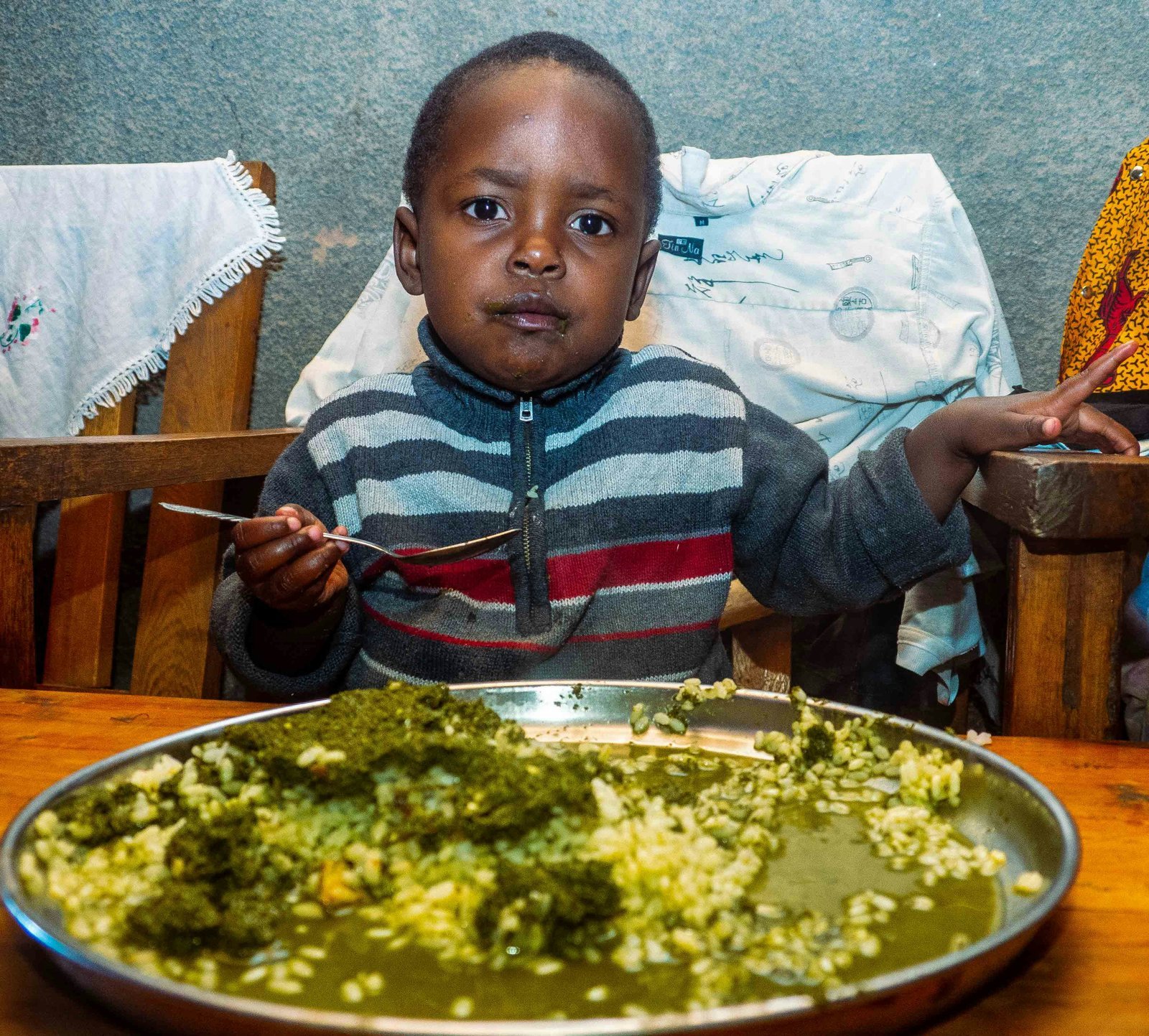

Understanding Picky Eating
Picky eating is a common phenomenon, particularly among children, characterized by selective food preferences and an aversion to trying new foods. This behavior can stem from various factors, including developmental stages, personality traits, and environmental influences. Understanding these elements is crucial for parents and caregivers aiming to support healthy eating habits in children.
Developmentally, children often go through phases of increased neophobia, where they may reject unfamiliar foods. This phase usually coincides with a period of asserting independence, making it a normal part of their growth. Additionally, children develop taste preferences based on their experiences and exposure to different foods. During early childhood, genetics may also play a role, as some children are predisposed to prefer sweet flavors over bitter ones, which are often associated with unpleasant experiences.
Personality traits also contribute significantly to picky eating behaviors. Some children may have a more cautious temperament, leading them to be hesitant in trying new foods. They may respond to new experiences, including food consumption, with anxiety or reluctance. Conversely, adventurous eaters tend to be more open to exploring diverse flavors and textures, showcasing the broad spectrum of eating behaviors in children.
Environmental factors further shape a child’s eating habits. Family dynamics, cultural food practices, and societal norms can create powerful influences. If parents or siblings exhibit picky eating behaviors, children may mimic these habits, reinforcing their selective food preferences. Furthermore, the environment can either encourage exploratory eating or limit food choices; a varied meal table promotes broader acceptance of different foods, while repetitive exposure to limited options can deepen picky eating tendencies.
The Psychology Behind Picky Eating
Picky eating is a complex behavior often rooted in psychological factors. One significant aspect is neophobia, which is the fear of new foods. This aversion can stem from a biological instinct intended to protect individuals, particularly children, from potentially harmful substances. As such, it’s not uncommon for children to exhibit a strong reluctance to try unfamiliar foods, which can be misinterpreted as mere fussiness.
Moreover, past experiences with food play a crucial role in shaping a person’s eating habits. A negative encounter with certain textures or flavors can lead to long-lasting aversions. For instance, if a child has had an unpleasant experience, such as choking on a particular food, they may develop a lasting fear towards not just that food, but similar foods as well. This learned aversion can create a pattern of avoidance that is difficult to break.
Parental influence is another significant factor in the context of picky eating. Children often model their eating behaviors after those of their parents or caregivers. If a parent habitually expresses dislike for certain foods or routinely avoids them, the child may internalize these attitudes and replicate them. Conversely, positive reinforcement can enhance a child’s willingness to try new foods. Therefore, creating an environment that promotes variety and openness to different food experiences is essential in fostering healthier eating habits.
Understanding these psychological aspects can empower caregivers to better manage picky eating. By recognizing the fears, past experiences, and parental influences at play, strategies such as the ‘one bite’ rule can be effectively implemented. This method encourages gradual exposure to new foods, which can help reduce anxiety and promote more adventurous eating habits over time.
Introducing the ‘One Bite’ Rule
The ‘One Bite’ rule is a simple yet effective strategy designed to encourage children to try new foods without overwhelming them. This method involves asking children to take a single bite of a new dish presented at mealtime. By using this approach, parents and caregivers can help reduce resistance to unfamiliar foods and encourage a more adventurous palate in young eaters.
Implementing the ‘One Bite’ rule is straightforward. When introducing a new food, parents should present it alongside familiar dishes that the child already enjoys. This familiarity can significantly reduce anxiety and reluctance, making the child more willing to comply with the request to try just one bite. It is essential to maintain a positive environment during mealtime, as pressure or negative reactions can make children resistant to trying anything new.
The effectiveness of the ‘One Bite’ rule lies in its simplicity and non-coercive nature. By framing the experience as an opportunity for exploration rather than a demand, children are given the freedom to form their own opinions about the taste and texture of the new food. Positive reinforcement, such as praise after they try the bite, can further enhance their willingness to engage with different cuisines. Additionally, this approach gradually introduces them to a variety of flavors, ultimately promoting healthy eating habits.
Incorporating the ‘One Bite’ rule into regular meals can contribute to a more diversified diet over time. Furthermore, it helps children build confidence in trying new foods, which is a valuable life skill that extends beyond the dinner table. By fostering an open-minded attitude towards food from an early age, parents can empower their children to make healthier choices in the long run.
Creating a Positive Eating Environment
Establishing a welcoming, positive eating environment is essential when implementing the ‘one bite’ rule for picky eaters. A calm setting can reduce anxiety associated with trying new foods and promote a sense of safety and comfort at the dining table. Begin by eliminating distractions during mealtime, such as electronic devices or television, which can detract from the eating experience. Encourage open conversations about the food being served as this can make the table a place of engagement instead of dread.
Another significant factor is the arrangement of the dining space. Ensure that the table is set up to facilitate family interaction. Involve children in the meal preparation process, as this can spark interest in the food they are about to eat. For example, let them assist in washing vegetables, or allow them to choose a vegetable from the grocery store to include in the meal. Such involvement can reduce resistance to new foods as children feel more connected to the dishes at hand.
Timing also plays a critical role in the success of introducing new foods. Aim to have meals at predictable times, aligning them with family schedules to make mealtimes more routine. This predictability can create a sense of anticipation and normalcy. When attempting to incorporate the ‘one bite’ rule, it is beneficial to introduce new foods alongside familiar ones. This strategy ensures that children do not feel overwhelmed and encourages them to explore different tastes in a comfortable context.
Ultimately, the goal is to foster an attitude of curiosity towards food rather than one of reluctance. With each positive experience at the dining table, children may gradually become more willing to try various foods, creating healthier eating habits in the long run.
How to Encourage Acceptance of New Foods
Encouraging children to accept new foods can be a challenging but rewarding process. One effective strategy is to pair unfamiliar foods with those they already enjoy. For example, serve a new vegetable alongside a favorite dip or incorporate it into a beloved dish, such as pasta. This method can help lessen the anxiety often associated with trying something new, making the experience more enjoyable and less threatening. By gradually introducing new foods in a comfortable context, children are more likely to be willing to explore and eventually accept them.
Another beneficial approach is to involve children in the cooking process. When children participate in selecting recipes, shopping for ingredients, and preparing meals, they develop a sense of ownership over their food choices. This involvement can increase their curiosity about new foods and inspire them to try what they have helped to create. Simple tasks like washing vegetables, stirring, or even choosing a new fruit at the grocery store can foster a more positive attitude toward trying various foods.
Positive reinforcement plays a crucial role in encouraging children to accept new foods. Complimenting them for their efforts, regardless of the outcome, can build their confidence and willingness to try again in the future. Praise can be given not just for tasting a new food, but also for simply being open to the experience. Additionally, using a sticker chart or a reward system can motivate children to venture beyond their usual choices. By creating a low-pressure environment where trying new foods is seen as a positive experience, parents can significantly enhance their children’s acceptance of a wider range of culinary options.
Dealing with Resistance: What to Do if They Refuse to Try
Implementing the ‘one bite’ rule can present challenges, particularly when a child resists trying new foods. These resistance instances may manifest as tantrums or outright refusals to even take a single bite. This immediate pushback is often driven by established preferences or fears regarding unfamiliar tastes or textures. Thus, it becomes essential for parents and caregivers to approach these situations with patience and strategic methods.
First and foremost, it is crucial to remain calm and composed. Reacting negatively to a child’s refusal can heighten emotional responses and create an atmosphere of pressure and anxiety around meal times. Instead, maintain a neutral stance and remind the child gently of the ‘one bite’ rule. This approach communicates the expectation without escalating the situation. Moreover, positive reinforcement unaccompanied by force can motivate children. Praising them for even showing interest in the food can encourage them to try it during the next meal, fostering a more open-minded attitude towards new dishes.
Consistency is vital. If a child consistently pushes back against the rule, it is important for parents to implement it uniformly. Explain the purpose of the rule clearly, emphasizing that developing a varied palate takes time. Establishing a routine in which new foods are introduced alongside familiar favorites can make the process smoother. This not only reduces resistance but also provides a sense of security as they delve into new experiences.
Ultimately, while encountering resistance is common when instilling the ‘one bite’ rule, approaching these moments with calmness, positive reinforcement, and unwavering consistency prepares the ground for more favorable outcomes in the long run. As children learn to navigate their preferences, introducing variety can lead to improved eating habits and broadened tastes.
The Role of Repetition and Persistence
Introducing new foods to picky eaters can often feel like a daunting task, but research indicates that repetition and persistence play a crucial role in fostering open-mindedness towards unfamiliar tastes. Children, who are naturally hesitant to try new things, may require multiple exposures to a particular food before they are willing to sample it. This means it is essential for caregivers to implement strategies that encourage repeated exposure.
When a child encounters a new food for the first time, their initial reaction may not always reflect their true potential for acceptance. It is common for children to reject foods based on factors such as appearance, texture, or even smell. However, according to studies, it can take anywhere from 8 to 15 exposures to a new food for a child to feel more comfortable with it. Through consistent and gradual introduction, parents and caregivers can help expand their child’s palate over time.
Persistence is key in traversing this journey. Parents should encourage children to engage with the food in a low-pressure environment, allowing them to explore the item with their senses before tasting. By incorporating the ‘one bite’ rule, where children are encouraged to take at least one bite of a new food, caregivers can create a non-threatening atmosphere that promotes exploration. This rule not only allows children to gradually familiarize themselves with new flavors but also helps reinforce the idea that trying new foods is a normal part of meal times.
Over time, consistent exposure combined with positive reinforcement can pave the way for a more varied diet, shifting the child’s eating habits towards a healthier balance. While it may require immense patience, the journey encourages children to embrace new flavors, ultimately expanding their dietary preferences.
Parental Support and Patience: Key to Success
Managing picky eaters can be a challenging task for parents and caregivers. One of the most crucial elements in successfully introducing new foods to children is the unwavering support and patience provided by adults. Parents play a significant role in shaping their children’s eating habits, and their positive influence can help foster healthy behaviors.
One effective strategy is to model healthy eating behaviors. Children learn through observation, and when they see their parents enjoying a variety of foods, they are more likely to develop a similar interest. Engaging children in the kitchen, allowing them to help prepare meals, and creating an atmosphere centered around family meals can further encourage exploration of new flavors. This approach allows children to feel empowered and take ownership of their eating experiences.
Moreover, implementing the ‘one bite’ rule needs a considerable amount of patience. It is essential for parents to understand that children may not immediately embrace unfamiliar foods. Instead, repeated exposure, without pressure, can gradually lead to acceptance. It is beneficial for parents to maintain a calm and encouraging demeanor during mealtime. Celebrating small victories, such as trying a new vegetable, reinforces positive behavior and builds a child’s confidence around food.
A supportive family dynamic is paramount. Encouraging dialogue about food preferences and being receptive to children’s reluctance can create an atmosphere of understanding rather than conflict. When children feel supported by their caregivers, they are more likely to engage in constructive discussions about their food choices and are open to trying new items on their plates. This nurturing environment ultimately helps reduce anxiety around eating and promotes healthier habits over time.
When to Seek Professional Help
Picky eating is a common phase among children, but there are specific instances where it becomes essential to seek professional advice. The primary indicators that may warrant consultation with a pediatrician or nutritionist include significant nutritional deficiencies, extreme aversion to certain food categories, and an overall negative impact on the child’s health and growth trajectories.
Firstly, if a child is consistently refusing a variety of food groups, particularly fruits and vegetables, it could lead to essential vitamin and mineral deficiencies. These deficiencies can not only hinder physical development but can also affect cognitive functions and immune responses. If the child consistently avoids foods that provide crucial nutrients, parents should take note.
Another critical red flag is when picky eating is accompanied by a rapid decline in weight or growth. If a child fails to gain weight appropriately, it could signify more than just food preferences; it may indicate underlying health issues. In such cases, consulting a healthcare professional is vital to rule out any medical conditions that could be affecting the child’s appetite or ability to eat.
Additionally, if the eating patterns are creating family stress or anxiety during mealtimes, this could indicate a need for intervention. Parents observing signs of distress in their child when faced with new foods or experiencing extreme resistance to trying different textures may find it beneficial to seek guidance from a consultant specializing in children’s nutrition. This can help address any emotional issues surrounding food while also providing strategies for healthy eating.
In conclusion, while picky eating is common amongst young children, recognizing when to seek professional help is crucial in ensuring that a child’s nutritional needs are met and promoting positive eating habits. Parents should not hesitate to consult a professional if they notice any concerning behaviors that may affect their child’s health.