
Introduction to Living Off-Grid
Living off-grid refers to a lifestyle choice where individuals or families disconnect from the traditional energy and utility infrastructure, opting instead for self-sufficiency. This entails generating one’s own power through renewable sources such as solar panels or wind turbines, sourcing water independently, and managing waste sustainably. The appeal of such a lifestyle largely revolves around the desire for independence, a reduced ecological footprint, and a deeper connection with nature.
The benefits of living off-grid are numerous. Firstly, individuals often experience significant savings on utility costs over time. With renewable energy systems in place, they reduce reliance on expensive electricity, which is especially beneficial in remote areas. Moreover, off-grid living fosters a sustainable approach to life, typically encouraging practices such as gardening, rainwater harvesting, and composting. These habits not only contribute to environmental conservation but also enhance one’s self-reliance and resourcefulness.
However, embarking on an off-grid journey does come with its own set of challenges. Initial setup costs for renewable energy equipment can be substantial, and ongoing maintenance requires technical know-how. Additionally, those opting for this lifestyle may face isolation, limited access to services, and the need for efficient resource management. Balancing energy consumption with production is critical; individuals must closely monitor their usage, especially when relying on solar or wind power sources.
In the context of modern off-grid living, Starlink offers a groundbreaking solution for addressing connectivity issues in remote areas. This satellite internet service provides high-speed internet access even in locations where traditional broadband infrastructure is unavailable. As more people embrace off-grid lifestyles, tools like Starlink become essential for maintaining communication, working remotely, and accessing online resources, thus enhancing the feasibility and attractiveness of living independently.
Understanding Starlink and Its Functionality
Starlink, a satellite internet constellation developed by SpaceX, is designed to provide high-speed internet access across the globe, particularly in remote and underserved areas. The system consists of thousands of small satellites in low Earth orbit (LEO), working together to form a mesh network that delivers internet connectivity to users on the ground. This innovative technology allows for internet speeds that can compete with traditional broadband connections, making it a valuable asset for those living off-grid.
To utilize Starlink, users need a Starlink dish and a Wi-Fi router. The dish, commonly referred to as a “terminal,” connects to the satellites above, allowing for data transmission. It can be easily set up by placing it in a clear view of the sky, minimizing any obstructions that could disrupt the signal. The installation process is user-friendly, often completed within a matter of hours, enabling off-grid dwellers to establish internet connectivity with minimal hassle.
Regarding bandwidth capabilities, Starlink currently offers download speeds ranging from 50 Mbps to 150 Mbps, with latency averaging between 20 to 40 milliseconds. These specifications make it suitable for various online activities, including streaming, video conferencing, and downloading large files. However, it is crucial to acknowledge the data limitations associated with the service. Starlink imposes a threshold of 1 TB of data per month, which may not be sufficient for heavy users. Therefore, off-grid users should monitor their consumption and optimize their internet usage efficiently to remain within these parameters.
In summary, Starlink’s cutting-edge satellite technology provides an effective internet solution for those embracing an off-grid lifestyle. Understanding its functionality, setup requirements, and performance will aid users in maximizing their experience while maintaining reliable connection standards.
The Importance of Power Management
Efficient power management is paramount for anyone living off-grid, particularly when integrating technology such as Starlink, which can substantially increase energy demands. Off-grid living presents unique challenges: energy resources—often derived from solar panels, wind turbines, or generators—are inherently limited. Unlike traditional grid systems, where power can be drawn from a broader network of resources, off-grid systems necessitate a cautious approach to energy use.
Starlink, a satellite internet service, requires a continuous power supply for its modem and dish. Although it offers advantages such as high-speed internet in remote locations, it also draws on your finite energy reserves. Proper power management becomes crucial to ensure that you maintain a sustainable lifestyle while using such technologies. Without careful consideration and planning, the demands of Starlink can quickly lead to inefficiencies, such as battery depletion or over-reliance on backup generators, resulting in increased costs and potential disruptions in service.
Furthermore, poor power management can lead to consequences beyond mere inconvenience. A depleted battery bank may leave you without power for essential functions, such as lighting, heating, or food preservation. Therefore, developing strategies, such as monitoring usage patterns and investing in energy-efficient appliances, is vital to avoid unnecessary strain on your power system.
Ultimately, the importance of power management in off-grid living cannot be overstated. By recognizing the implications of technology on resource consumption and seeking ways to optimize power usage, individuals can improve their off-grid experience. This approach fosters a balance between modern convenience and the ecological responsibility that off-grid living inherently promotes.
Power Sources for Off-Grid Living
Living off-grid presents unique challenges, especially when it comes to power management. Multiple options are available for generating electricity, each with its own advantages and disadvantages. The most popular sources include solar power, wind energy, and generators.
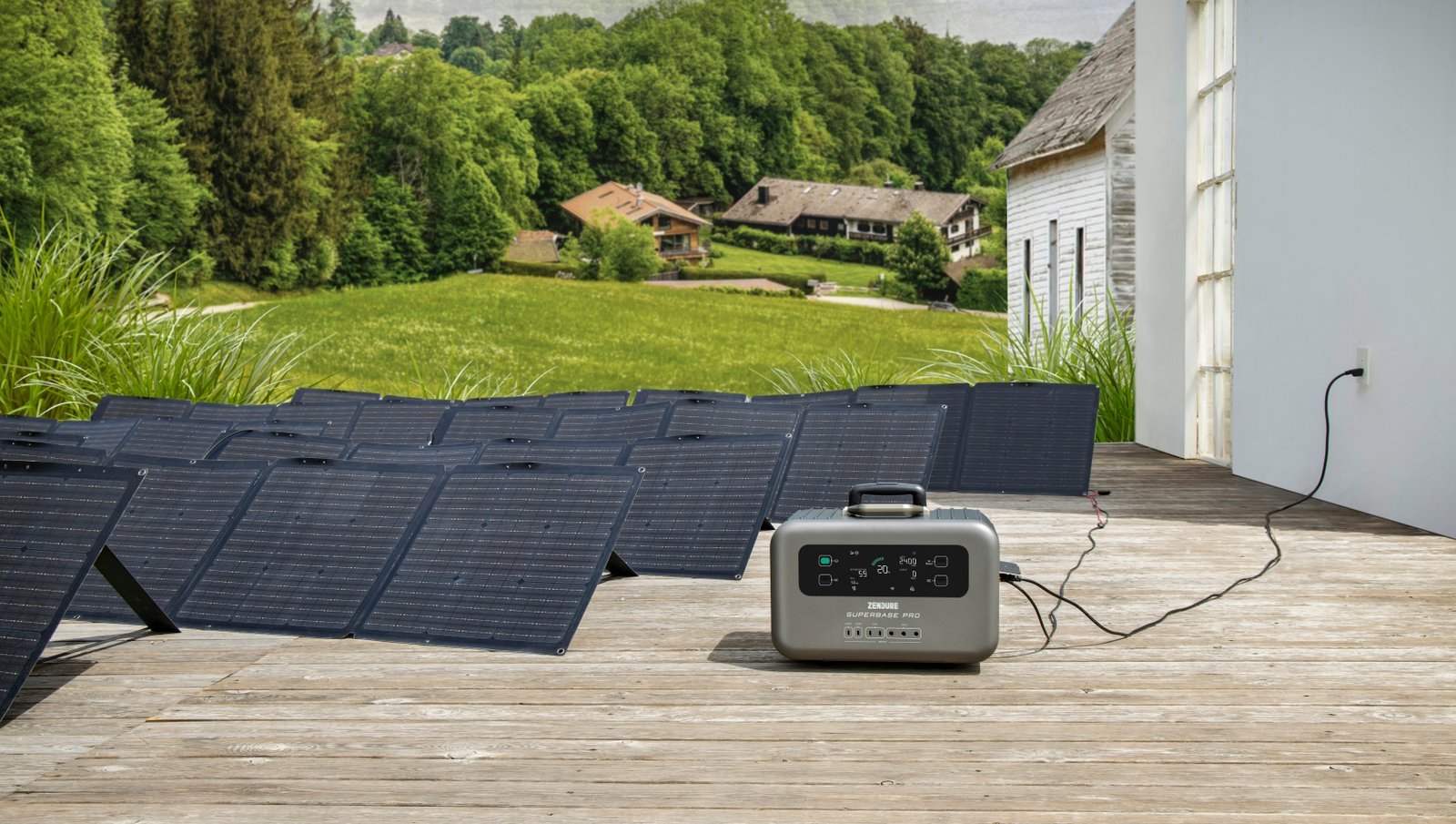
Solar power is one of the most widely adopted methods due to its scalability and renewable nature. Solar panels can be installed on rooftops or ground-mounted, making them versatile for various terrains. They harness sunlight and convert it into electricity, which is particularly beneficial in areas with high solar insolation. However, the initial investment can be significant, and solar energy production is heavily dependent on weather conditions. Prospective off-grid residents should also consider battery storage to retain excess energy for use during cloudy days or nighttime.
Wind energy is another viable option, especially in regions where wind patterns are favorable. Wind turbines can generate a substantial amount of power, complementing solar energy perfectly since wind is often stronger during non-sunny periods. The downsides include noise, potential harm to wildlife, and the upfront costs associated with purchasing and installing turbines. Moreover, the amount of power generated fluctuates with wind availability, making it essential to combine this source with others.
Generators provide a reliable backup power source and can run on various fuels, such as gasoline, propane, or diesel. They are particularly useful in emergencies or during periods of minimal renewable energy generation. However, they require maintenance, can be noisy, and contribute to fossil fuel emissions. Additionally, the cost of fuel can accumulate, making prolonged use less economically feasible.
Ultimately, the best approach for off-grid living is to strategically combine these power sources. Balancing solar, wind, and generator options can effectively meet daily energy requirements while ensuring that essential services like Starlink remain functional. This tailored approach enables off-grid dwellers to maintain a sustainable and reliable energy supply, crucial for modern connectivity and comfortable living.
Essential Power Management Techniques
Managing power effectively while living off-grid is crucial for maximizing resources and ensuring sustainability. One practical technique to consider is the use of smart power strips. These strips can automatically cut power to appliances that go into standby mode, thus reducing energy waste significantly. By using smart power strips, one can efficiently monitor and manage multiple devices, ensuring that energy is not being wasted on products that are not in use.
Additionally, investing in energy-efficient appliances can greatly reduce power consumption. Appliances that are designed to use less energy can significantly lower electricity demands, particularly in an off-grid context where energy resources may be limited. Opting for appliances that have an Energy Star rating can provide baseline assurance regarding efficiency and can lead to substantial long-term savings on energy bills.
Conducting regular energy audits is also essential for effective power management. An energy audit not only highlights areas where energy is being wasted but also provides actionable insights for improvement. During an audit, homeowners can identify energy hogs within their homes and make necessary adjustments to their usage habits or upgrade to more efficient models. This will ensure that every watt saved contributes to extended off-grid living.
Moreover, adopting strategies for reducing power usage during peak times is vital. This can include scheduling the operation of high-energy devices, like washing machines or dishwashers, during off-peak hours when energy is more abundant and often less costly. Such strategies assist in balancing the load on available power resources while also promoting a more sustainable lifestyle.
Battery Storage Solutions
For individuals living off-grid with Starlink, an efficient battery storage system is paramount for managing energy use effectively. Two prevalent options for energy storage are lithium-ion and lead-acid batteries. Each type presents unique advantages and challenges that should be evaluated based on individual needs.
Lithium-ion batteries are known for their higher efficiency and longer lifespan compared to traditional lead-acid batteries. They typically offer deeper discharge rates, providing more usable energy before needing a recharge. Additionally, lithium batteries are lighter and more compact, making them easier to install and manage in limited spaces. However, the initial investment for lithium-ion systems can be higher, which may be a consideration for those setting up an off-grid system.
On the other hand, lead-acid batteries are generally more affordable upfront, which can make them attractive for those on a tighter budget. They have proven reliability and a long history within the off-grid community. Nevertheless, they have shorter lifecycles and require more maintenance, including regular checks on electrolyte levels and specific charging practices to prolong their life. It is critical to size your battery bank appropriately to ensure that it meets your usage needs. This involves calculating daily energy consumption and ensuring that the total storage capacity can support this demand, factoring in inefficiencies and potential energy loss.
Maintaining battery health is essential for long-lasting use. Regular monitoring of battery voltage, ensuring proper charging practices, and keeping connections clean can significantly impact the life of your battery system. Additionally, implementing a balanced charging regime can help keep batteries performing optimally. Ultimately, choosing the right battery storage solution and maintaining it diligently will enhance your off-grid living experience while using Starlink.
Monitoring and Tracking Power Usage
In the context of living off-grid, effectively monitoring and tracking power consumption is critical for sustainable energy use. Without access to traditional energy infrastructures, off-grid residents need to ensure they are utilizing their power resources efficiently. A variety of apps and devices are available to assist in real-time energy consumption tracking, providing users with valuable insights into their power usage patterns.
One popular category of tools utilized by off-grid individuals includes smart power meters. These devices can be connected to the main electrical circuit of a home to provide real-time data on energy consumption. Smart meters typically feature companion applications that can graph usage over time, allowing users to pinpoint when and where energy is being drawn. This knowledge equips users to adjust their energy use habits, potentially leading to significant reductions in overall consumption.
In addition to smart meters, there are numerous mobile applications designed specifically for energy tracking. Applications such as EnergyHub and Sense allow users to not only monitor their current energy usage but also track historical data. By analyzing patterns over weeks or months, off-grid dwellers can identify energy hogs—devices or appliances that consume unexpectedly high amounts of power. Users can then make informed decisions on whether to replace these appliances with more energy-efficient counterparts or to limit their usage during peak times.
Moreover, many modern solar power systems come equipped with monitoring software that enables users to observe their system’s performance. By assessing how much energy is produced versus consumed, homeowners can dynamically adjust their energy management strategies. This plays an integral role in optimizing solar energy consumption, ensuring that power needs are met while minimizing waste.
By leveraging these various tools and technologies for monitoring and tracking power usage, off-grid residents can enhance their energy management practices. This proactive approach not only facilitates informed decision-making but also promotes a more sustainable off-grid lifestyle.
Tips for Maximizing Starlink Efficiency
When utilizing Starlink in an off-grid environment, optimizing its performance is essential for minimizing power consumption. Here are several strategies to maximize the efficiency of your Starlink setup.
First, adjusting the satellite dish’s settings can significantly affect its power usage. Ensure that the dish is correctly aligned, allowing for the strongest possible signal connection. This process reduces the need for the modem to expend additional energy in search of connectivity. Additionally, regularly updating the Starlink software ensures that you benefit from any performance improvements and bug fixes that can enhance efficiency.
Moreover, scrutinizing your usage patterns is vital. Being mindful of bandwidth-intensive activities, such as streaming or large file downloads during peak hours, can help you conserve energy. Opt for less demanding tasks during these times; for instance, downloading important updates overnight when power supply might be more stable or abundant. This strategy not only decreases immediate power draws but also helps maintain a more stable network performance.
Implementing a rigorous troubleshooting technique is also essential. Regularly checking for any connectivity issues can save time and energy. Use tools provided by the Starlink app that offer insights into your system’s performance and signal strength. Addressing minor issues immediately can prevent them from escalating into significant problems that might require additional power to resolve.
Finally, consider the positioning and surroundings of your Starlink dish. Ensuring it is free from obstructions will optimize signal reception and reduce power consumption. Regular maintenance checks, including cleaning the dish and ensuring that no tree branches or debris are interfering, will contribute to its efficient operation.
Conclusion: Embracing Off-Grid Living with Starlink
In conclusion, the integration of Starlink into off-grid living presents a unique opportunity to maintain connectivity with the modern world while enjoying the serenity and independence that comes with sustainable living. This satellite internet service facilitates robust communication, essential for remote work, online education, and emergency assistance, which can be particularly beneficial for those choosing to live away from traditional infrastructure.
Effective power management strategies are crucial to successfully harnessing the potential of Starlink. By prioritizing energy-efficient appliances, implementing smart power monitoring systems, and utilizing renewable energy sources, off-grid dwellers can ensure their power needs are met without compromise. These practices not only extend the lifespan of their power systems but also reduce reliance on traditional fuel sources, further enhancing the environmental sustainability of off-grid living.
Embracing off-grid living with Starlink enables individuals and families to experience greater autonomy and quality of life, particularly in remote locations. With the right power management techniques, residents can enjoy all the benefits of high-speed internet while maintaining a minimal ecological footprint. By striking this balance, it is possible to live harmoniously with nature and remain connected to the digital landscape that defines the contemporary era. The convergence of efficient power management and satellite technology is paving the way for a more sustainable and connected future in rural areas.