
Introduction to Vintage Typewriters and Their Allure
Vintage typewriters hold a special place in literary and cultural history, symbolizing creativity, craftsmanship, and the written word. These machines are not just tools; they represent an era when writing was an art form, fostering a connection between the writer and the page. For many, the allure of vintage typewriters lies in their unique design, mechanical precision, and the tactile experience they provide. Each typewriter tells a story, having often played a role in documenting significant moments, from personal letters to groundbreaking literary works.
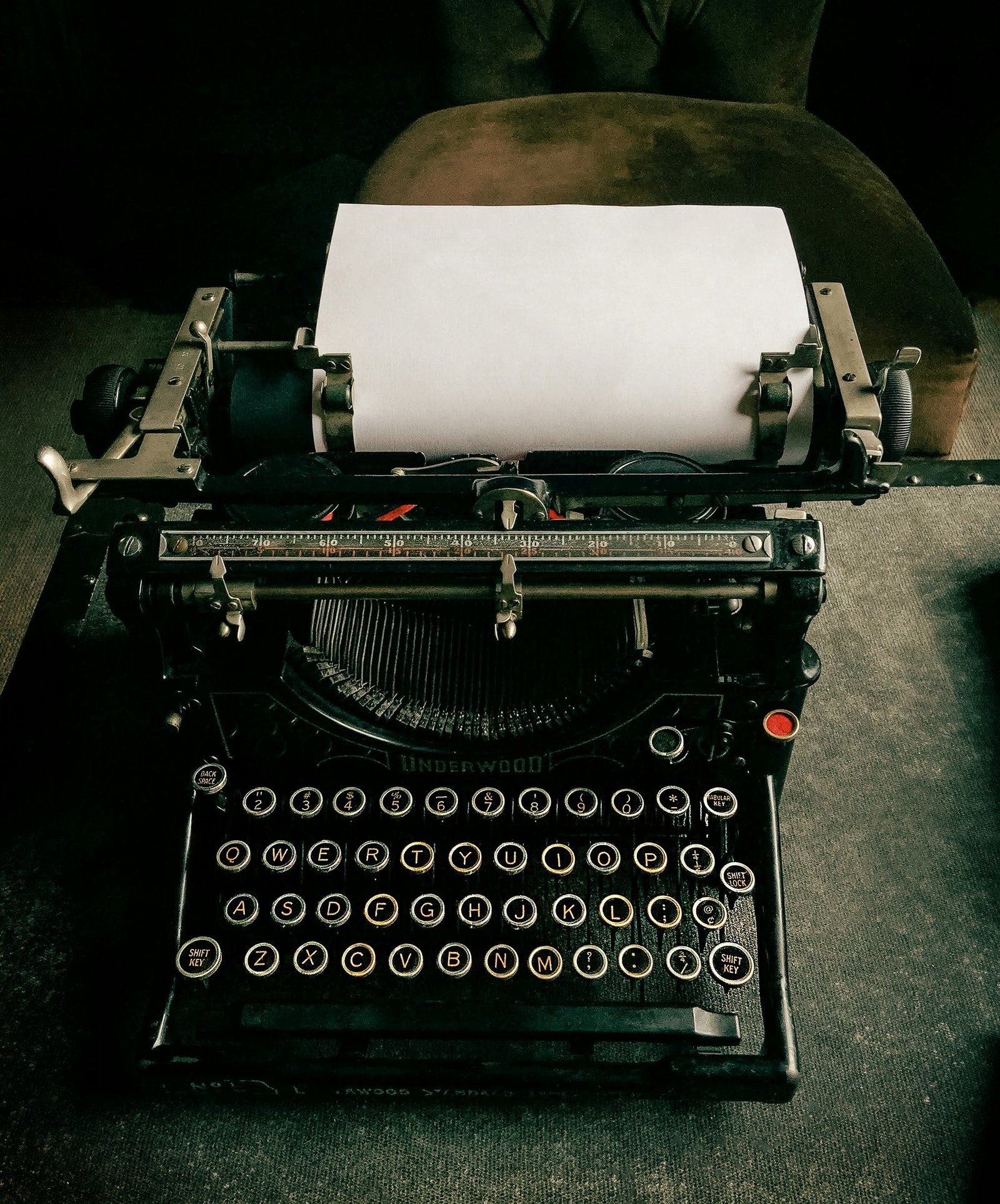
Throughout the years, various models have captured the imaginations of collectors and hobbyists alike. Iconic brands such as Remington, Underwood, and Smith-Corona produced machines that have become coveted items, each with distinctive features that showcase the evolution of typing technology. Collectors often seek out specific models, such as the portable typewriter for its convenience or the heavy-duty models known for their robustness and durability. This variety of options creates a rich landscape for enthusiasts who appreciate the craftsmanship and the nostalgia these machines evoke.
The process of restoring a vintage typewriter can be both fulfilling and deeply rewarding. It allows individuals to engage in a hands-on project that demands patience and attention to detail. Restorers often uncover hidden gems within the typewriters, reviving them from a state of disrepair to their former glory. Not only does this practice preserve a piece of history, but it also encourages a deeper appreciation of the mechanics behind the operation of these fascinating devices. Engaging with a vintage typewriter may also rekindle a passion for writing, as many users find that typing on these machines inspires creativity that may be absent in our digital age.
Gathering the Necessary Tools and Materials
Restoring a vintage typewriter can be an enjoyable and rewarding weekend project, provided you have the right tools and materials at your disposal. To ensure a successful restoration, it is important to gather essential supplies before starting the process. Below is a comprehensive checklist to help you prepare for your restoration project.
First, basic hand tools are crucial for disassembling and reassembling the typewriter. A set of precision screwdrivers is essential, including both flat-head and Phillips options, to access various screws. Pliers and tweezers will assist in handling small pieces, while a utility knife can be useful for scraping off dirt or old adhesive.
Cleaning supplies are another vital category. You will need a soft-bristle brush to delicately remove dust from hard-to-reach areas, as well as microfiber cloths for general cleaning. A gentle cleaning solution, such as a mix of water and isopropyl alcohol, can effectively clean the casing without causing harm to the finish. Additionally, cotton swabs or a small vacuum attachment can help remove debris from the type slugs and carriage.
Lubricants will also play a significant role in the restoration process. A lightweight machine oil or sewing machine lubricant can help ensure the typewriter’s moving parts function smoothly. Furthermore, be prepared to replace any parts that may be worn out or damaged during your restoration. Common replacements include ribbons, rolls, and key stabilizers.
In summary, gathering the necessary tools and materials is critical for a smooth and effective vintage typewriter restoration project. By ensuring you have hand tools, cleaning supplies, lubricants, and replacement parts at the ready, you are well on your way to bringing an antique typewriter back to life.
Choosing the Right Typewriter for Restoration
When embarking on the journey to restore a vintage typewriter, the selection of the right model is crucial. The condition of the typewriter is the primary consideration. Generally, typewriters that have been well-preserved or stored in dry conditions are easier to restore than those that have suffered from neglect or environmental damage. Look for machines that have minimal rust, intact keys, and are free of significant dents or cracks.
Next, consider the make and model of the typewriter. Some brands and models are more popular and readily available for restoration than others. For instance, models from brands like Underwood, Remington, and Olivetti are often favored among enthusiasts due to their build quality and availability of parts. Researching the specific model will provide insights into its historical significance and whether it has a community of collectors who can offer assistance or advice.
Another key factor is the typewriter’s functionality. If possible, test the typewriter to see if it functions mechanically—to determine if keys stick or if the ribbon mechanism is operational. A typewriter with functional elements may require less restoration effort and will serve as a more satisfying project.
For those looking to acquire a vintage typewriter, several avenues are worth exploring. Online platforms such as eBay and Etsy often feature listings for vintage typewriters, though local antique shops, flea markets, and estate sales can also yield excellent finds. Connecting with typewriter clubs or forums can provide leads on typewriters for sale from fellow enthusiasts.
In conclusion, selecting the right vintage typewriter for restoration involves careful consideration of its condition, make, model, and functionality, along with various sourcing strategies to find the perfect candidate for your project. Knowing these details will enhance both your restoration experience and the satisfaction derived from revitalizing a classic writing instrument.
Disassembling the Typewriter Safely
Disassembling a vintage typewriter is a meticulous process that demands patience and care. To begin, it is essential to prepare your workspace. Choose a clean, well-lit area with ample room to work, and have all necessary tools on hand, such as screwdrivers, tweezers, and small containers for storing parts. Ensuring that your tools are compatible with the typewriter’s screws and fastenings is crucial to avoid damage during disassembly.
Start by removing any screws or attachments that hold the typewriter’s casing together. It is advisable to take photos or make notes of each step as you work; this documentation will be invaluable when reassembling the typewriter. As you remove pieces, store screws and small components in labelled containers to prevent loss. Using a magnetic tray can be particularly beneficial for keeping metal parts organized.
Next, carefully detach the casing from the base. Take extra caution when handling the carriage mechanism and ribbon spools, as these components can be delicate and easily damaged. Gently lift away the parts rather than forcing any components apart. If resistance is encountered, double-check for any remaining screws or clips that may not have been removed.
It is also important to keep track of spring mechanisms and other small elements, as these are often integral to the typewriter’s functionality. Using a diagram of the typewriter can help you visualize how the parts fit together, enabling easier assembly later. As you remove internal components, continue documenting their arrangement so that reassembly can be performed accurately.
A thorough yet careful disassembly will lay the foundation for a successful restoration process, allowing for an easier and more effective cleaning and repair phase. By prioritizing safety and organization, you will protect the typewriter’s fragile components while achieving a clean slate for your restoration project.
Cleaning the Components Thoroughly
Restoring a vintage typewriter involves a meticulous cleaning process, ensuring that each component is carefully addressed to maintain the typewriter’s integrity. The primary components that require thorough cleaning include the keys, levers, and type bars. It is crucial to use appropriate cleaning agents for each specific part to avoid causing any damage.
To clean the keys, begin by removing them using a key puller. This will allow access to any dirt and grime trapped underneath. A solution of warm water mixed with a small amount of mild dish soap is effective for this. Soak the keys in the solution for a few minutes and then gently scrub each key with a soft brush or cloth. Rinse with clean water and dry thoroughly before reattaching.
For the levers, a lint-free cloth lightly dampened with rubbing alcohol works well. Be sure to avoid excessive moisture, as this could lead to rusting. Gently wipe down each lever, paying special attention to joint areas where dirt might accumulate. If the levers have stubborn spots, a small amount of penetrating oil applied sparingly can help lift the grime.
The type bars require even more care as they are delicate and pivotal in the typewriter’s functioning. Use a soft brush to remove any dust and debris from the type bars. If necessary, a soft cloth dampened with a mild cleaning solution can be used, but ensure no liquid seeps into the mechanisms. For type bars that are severely tarnished, a specialized metal polish can be applied, followed by a soft buffing using a clean cloth.
Preserving the delicate components is essential, so storing the typewriter properly after cleaning is necessary to protect it from future dust and damage. A soft cover can be beneficial. Engaging in these thorough cleaning steps will not only enhance the appearance of your vintage typewriter but will also promote its longevity and functionality.
Repairing or Replacing Worn Out Parts
Restoring vintage typewriters often involves the identification and management of worn-out parts. These components can significantly affect the performance of the typewriter and may require either repair or replacement. The first step in this process is to conduct a thorough inspection of the typewriter. Pay attention to the keys, typebars, and ribbons, as these are the areas that commonly experience wear and tear. Look for signs such as sticking keys, broken typebars, or frayed ribbons.
Once you identify the worn-out parts, the next decision is whether to repair or replace them. In some cases, especially with minor damages, a repair might be less costly and more sustainable. For example, a sticking key can often be rectified by cleaning the mechanism or applying lubricant. Key springs can usually be bent back into shape, and typebars can be straightened. However, if the damage is extensive or if parts are missing, replacement is necessary.
When it comes to sourcing replacement parts, there are several options available. Online marketplaces like eBay or Etsy frequently offer vintage typewriter parts. Searching these platforms requires patience and often a bit of research to ensure authenticity and compatibility. Alternatively, specialty shops that focus on typewriter restoration can provide both new and refurbished parts. Building connections with typewriter enthusiasts through forums and social media groups can also yield valuable information about sourcing parts specific to your model.
In conclusion, successfully restoring a vintage typewriter involves careful inspection and the right approach to replacing or repairing components. Understanding where to find quality parts can greatly enhance the restoration experience, allowing for the typewriter to function optimally and preserve its historical significance.
Reassembling the Typewriter with Care
Reassembling a vintage typewriter requires attention to detail and a methodical approach to ensure every component fits perfectly and operates smoothly. After meticulously cleaning and restoring the various components, it is time to put the typewriter back together. Begin the reassembly process on a clean, flat surface where all the parts are easily accessible. A small container can also be helpful for holding screws and small pieces to avoid losing them.
Start by positioning the frame of the typewriter upright. Carefully place the type bars into their designated slots, making sure that they are aligned correctly. It is essential to take note of how they functioned prior to disassembly; referring to pictures taken during the dismantling may assist you in this matter. For many vintage typewriters, ensuring that the type bars do not stick together is key to achieving a fluid typing experience.
Next, reattach the carriage to the frame, ensuring that it moves smoothly along the track. Check the alignment of the carriage with the type bars to facilitate proper striking of the paper. Once the carriage is secured, reinstall the ribbon spools and threading the ribbon through its guide slots is crucial. Pay attention to the direction of the ribbon; an improperly threaded ribbon will cause smudging and malfunction.
Another critical step is to connect the keys to the typewriter. Make sure that each key returns to its original position after being pressed. A common pitfall is overlooking the spring mechanisms, which should be functioning properly to avoid jams and incorrect spacing. Lastly, double-check all screws and connections, ensuring that everything feels secure and that no parts are loose.
By following these steps with patience and care, you can reassemble your vintage typewriter successfully, ready for a new chapter of typing. Remember to thoroughly test each key and component before finalizing the project to guarantee optimal performance.
Testing and Fine-Tuning Your Restored Typewriter
After completing the reassembly of your vintage typewriter, it is essential to conduct thorough testing to ensure all components are functioning as intended. Begin by inspecting the alignment of the letters, as this is a crucial aspect of typewriter performance. To do this, use a sheet of paper and print a test page that includes the entire alphabet. This will help you identify any misalignment or uneven spacing that may occur during operation.
Next, examine the smooth operation of the keys. Press each key individually to ascertain whether they strike the ribbon and paper with an adequate force. Any key that seems sluggish or unresponsive may need additional lubrication or adjustment. It may be beneficial to engage a few simple techniques such as adjusting the spring tension beneath the keys or carefully cleaning any debris that could be causing resistance.
Another important aspect to test is the ribbon feed mechanism. Ensure that the ribbon advances smoothly during typing; if you notice any issues, it may be necessary to inspect the ribbon spools and the gears that operate the feed. If the ribbon does not move properly, consider adjusting the tension or realigning the spools.
Should you encounter any common issues, such as keys sticking, misfiring, or failing to print, fine-tuning those specific parts is crucial. Always document the various issues you face and the corresponding solutions you implement, as this will assist in troubleshooting future problems.
By thoroughly testing each aspect of your restored typewriter and fine-tuning any problematic areas, you will ensure not only its functionality but also enhance your overall enjoyment of using this vintage machine. Regular maintenance will keep your typewriter performing optimally for years to come.
Maintaining Your Vintage Typewriter After Restoration
Once you have restored your vintage typewriter, it is essential to implement regular maintenance routines to keep it in optimal condition. Proper care not only enhances the performance of your typewriter but also preserves its aesthetic appeal and functionality over time.
First and foremost, establish a cleaning regime. Dust and debris can accumulate in the mechanisms and on the surface of the typewriter. Use a soft, dry cloth to gently wipe down the exterior and a small dust brush or a can of compressed air to remove particles from harder-to-reach areas, such as the keys and typebars. For more thorough cleaning, consider using a lightly dampened cloth. Avoid using any harsh chemicals that may harm the typewriter’s finish or components.
In addition to routine cleaning, proper storage is crucial for the longevity of your vintage typewriter. When not in use, store the typewriter in a cool, dry place, away from direct sunlight or moisture, which can cause damage. Using a dust cover can help protect against dust accumulation. If applicable, consider placing silica gel packets in the storage area to control humidity levels.
Operating the typewriter with care is equally important. Always ensure the paper is loaded correctly to avoid jams, and refrain from applying excessive pressure when typing. This not only promotes smoother operation but also prevents wear on the keys and internal mechanisms.
Lastly, consider periodic inspections of the typewriter. Check for any signs of wear, such as frayed ribbons or loose screws, and address these issues promptly. By implementing these maintenance strategies, you can enjoy your vintage typewriter for many years while preserving its unique charm and character.