
Introduction to Overwintering Geraniums
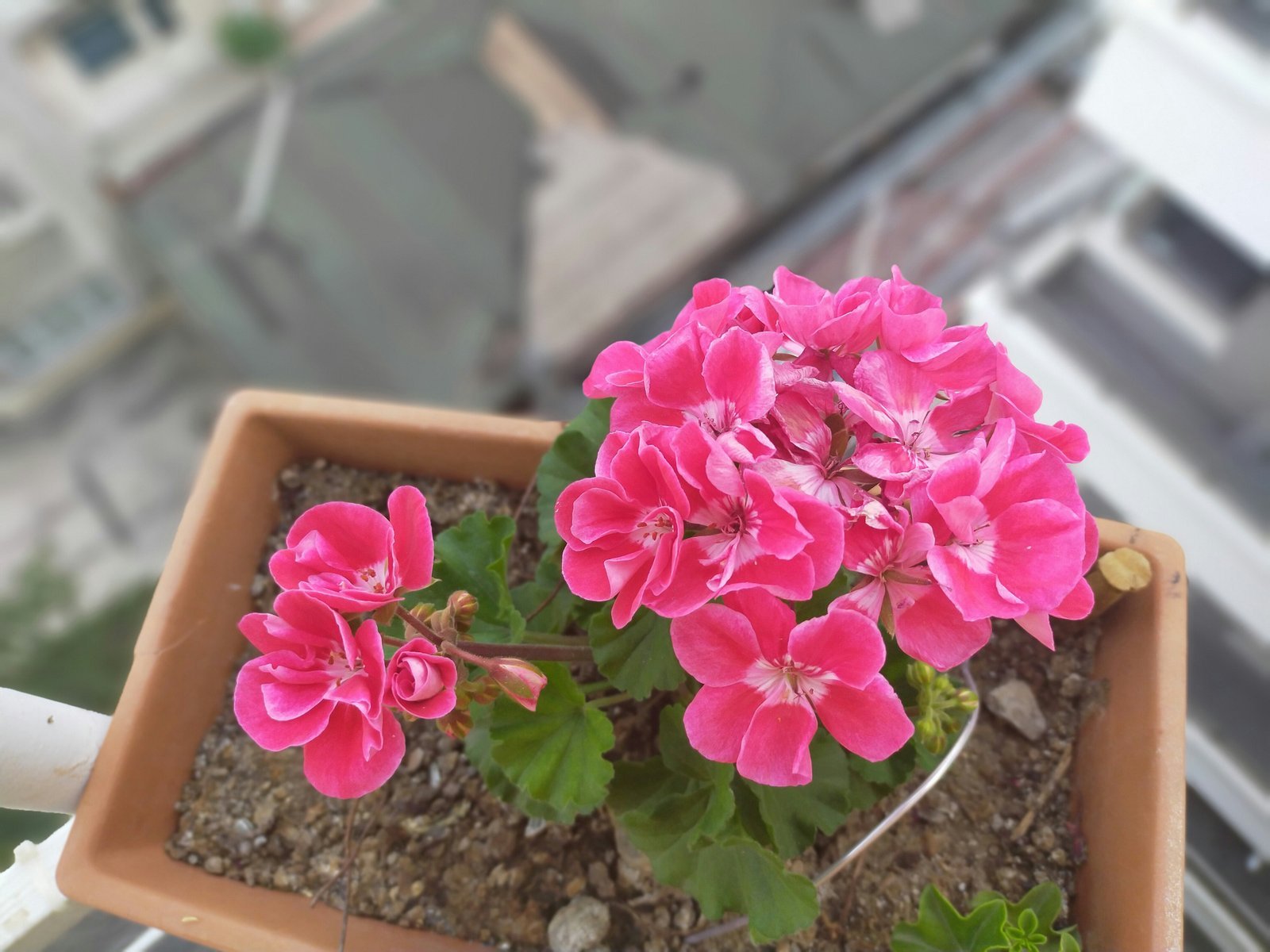
Geraniums, a popular choice among gardeners and indoor plant enthusiasts, are known for their vibrant blooms and adaptability. These flowering plants, belonging to the genus Pelargonium, are frequently utilized as both decorative houseplants and garden additions due to their visually striking appearance and the variety of colors available. Their resilience to various environmental conditions makes them a favored selection, yet, despite their hardiness, geraniums require specific care during the winter months to thrive in the following year.
Overwintering geraniums indoors is a critical practice that involves protecting the plants from the detrimental effects of cold weather. During winter, outdoor temperatures can drop significantly, leading to frost damage and, ultimately, plant mortality. Therefore, understanding the process of overwintering becomes vital for any enthusiast wishing to maintain their geraniums’ vibrancy year-round. This method allows gardeners to shield their plants from harsh winter conditions while providing an opportunity for continued growth and blooming.
By overwintering geraniums, you can ensure their health and continuity. This means that with proper care, your plants can survive the colder months and flourish in spring when temperatures rise again. Effective overwintering techniques may include positioning plants in a suitable environment, ensuring adequate lighting, managing watering schedules, and monitoring for pests. Each of these steps is essential not only to maintain the plants through winter but also to facilitate their thriving presence in your garden or home as the seasons progress.
Why Overwintering is Essential for Geraniums
Overwintering geraniums is a crucial practice for gardeners who wish to maintain and preserve their prized plants throughout the colder months. One primary reason for this necessity is the potential damage that frost can cause to geraniums. These plants, native to warmer climates, are not frost-hardy; therefore, exposure to freezing temperatures can result in irreparable harm. By managing the environment in which they are kept, particularly by moving geraniums indoors, gardeners can prevent frost damage and ensure their plants survive the winter.
Maintaining the growth cycle of geraniums during winter is also essential. Unlike many plants that may go dormant during the colder months, geraniums can continue their growth when cared for appropriately. Overwintering allows for a controlled environment, which helps in sustaining blooming even in winter months. This not only keeps the plants visually appealing but also allows them to develop roots and foliage that contribute to their strength and health when the growing season returns.
Additionally, overwintering geraniums can offer significant financial savings for gardeners. Each spring, purchasing new geraniums can quickly add up, especially for those cultivating a colorful collection. By overwintering these plants, gardeners can avoid the costs associated with re-buying them each year. Instead, they can nurture their existing plants and enjoy the beauty of their blossoms, ultimately leading to a more sustainable gardening practice. Investing the time into overwintering is a sound decision that pays off in both the short and long term, as plants are ready to thrive come spring.
When to Begin the Overwintering Process
Overwintering geraniums indoors is a crucial step for ensuring their survival and vitality when colder months approach. Typically, the ideal time to start the overwintering process is when nighttime temperatures begin to consistently drop below 50 degrees Fahrenheit (10 degrees Celsius). This temperature drop can signal to gardeners that the outdoor growing conditions for geraniums are becoming less than ideal. Early fall, when daylight hours diminish and evening temperatures start to fall, serves as the appropriate window for this process.
There are several signs that indicate it is time to transition your geraniums indoors. Yellowing leaves or drooping stems on your geranium plants often suggest that they are stressed by cooler temperatures or changes in light. Additionally, the first frost warnings in your area can act as a critical cue for gardeners. If frost occurs, it can seriously damage your geraniums, making it imperative to move them indoors before this happens.
Another key factor to consider before bringing your geraniums inside is the overall health of the plants. If they appear to be thriving as summer ends, they will have a higher chance of survival through the indoor overwintering process. It is advisable to monitor the changing weather patterns as summer transitions into fall and make preparations accordingly. This way, you ensure that the geraniums have enough time to acclimate to their new indoor environment once they are brought inside.
Preparing Geraniums for Indoor Life
Preparing geraniums for their indoor life requires careful planning to ensure their health and longevity. The first step is to assess the overall health of your geraniums. Look for any signs of disease or pest infestations, such as yellowing leaves, wilting, or unusual spots. If you find any affected areas, consider removing the damaged foliage or utilizing appropriate organic pesticides to eliminate pests before bringing them indoors.
Next, consider the watering needs of your geraniums during the transition to the indoor environment. Geraniums typically prefer to dry out between waterings. In their outdoor setting, they might benefit from more frequent watering due to higher evaporation rates. However, Indoors, the moisture levels will be different. Thus, check the soil by inserting your finger about an inch deep; if it feels dry, it’s time to water. Overwatering can lead to root rot, especially in confined indoor spaces, so maintaining appropriate humidity levels is essential.
Pruning is another crucial step in the preparation of geraniums for indoor life. This process not only helps maintain their shape but also encourages bushier growth. Examine the plant for any leggy growth or dead flowers and stems. Using clean, sharp scissors, trim any excess growth to promote airflow and reduce the chance of fungal diseases. Aim for a balanced aesthetic while ensuring that the plant retains sufficient foliage for photosynthesis.
Overall, successfully preparing geraniums for their winter retreat indoors involves a thorough health assessment, mindful watering, and strategic pruning. These practices will ensure that your geraniums thrive in the indoor environment, ready to flourish once again when the warm weather returns.
Choosing the Right Location Indoors
When overwintering your geraniums indoors, selecting the appropriate location is crucial for the health and vitality of your plants. The first factor to consider is light availability. Geraniums thrive in bright light, so it is essential to position them near a window that receives plenty of natural sunlight. South-facing windows are often ideal, as they provide the most consistent light throughout the day. If natural light is limited in your home, you may also consider using grow lights to ensure your geraniums receive adequate illumination during the winter months.
Temperature stability is another important consideration when choosing a location for your geraniums. These plants prefer a temperature range of 60°F to 70°F (15°C to 21°C). It is advisable to avoid placing them near drafty windows or heating vents, as fluctuating temperatures can stress the plants and impede their overwintering process. Maintaining a stable environment is essential for the overall wellbeing of your geraniums.
Furthermore, proper ventilation is key to preventing issues such as mold and mildew, which can thrive in stagnant air. Select a location that allows for good air circulation around your geraniums. If necessary, consider opening windows briefly on milder days or using a small fan to promote airflow without causing drafts. This helps create a balanced environment that supports the healthy overwintering of your plants.
Ultimately, when selecting the right location indoors for your geraniums, it is vital to prioritize factors such as light availability, temperature stability, and ventilation. By providing the optimal setting, you can enhance the likelihood of your geraniums thriving during the winter months, ensuring that they remain healthy and vibrant until spring returns.
Proper Watering and Care During Overwintering
When overwintering geraniums indoors, a proper watering and care regimen is crucial to ensure their survival and vigor. During the winter months, the watering needs of geraniums change significantly compared to the active growing season. It is essential to adjust your watering practices to prevent issues such as root rot, which is often caused by overwatering. A common guideline is to allow the top inch of soil to dry out before watering. This helps in maintaining a balance between moisture and aeration in the soil, which is vital for the roots’ health.
Another important aspect of caring for geraniums indoors is humifying their environment. Trees in winter often transpire less, leading to lower humidity levels. To compensate, consider using a pebble tray filled with water beneath the pot or occasionally misting the leaves to maintain adequate humidity. However, ensure that the leaves do not remain wet for prolonged periods to avoid fungal diseases.
In terms of light, geraniums thrive in bright, indirect sunlight. During the winter, when daylight hours are shorter and less intense, placing your geraniums near a south-facing window is ideal. If natural light is insufficient, supplementary grow lights can mimic sunlight and help maintain healthy foliage. Monitor the plant for signs of inadequate light, such as leggy growth or yellowing leaves, as these may indicate the need for a light adjustment.
Ultimately, a combination of proper watering, humidity control, and adequate light ensures that geraniums remain healthy during their winter dormancy. By implementing these care techniques, you are creating an optimal environment for your geraniums to thrive until they can return outdoors in the spring.
Addressing Pests and Diseases Indoors
When transitioning geraniums indoors for the winter months, it is crucial to vigilantly monitor for potential pests and diseases that may arise during this period. Common pests such as aphids, whiteflies, and spider mites can become problematic when geraniums are kept inside, where conditions may be more favorable for their proliferation. Regular inspection of the leaves and stems is advisable. Look for any unusual discoloration or the presence of tiny insects, which are indicative of an infestation.
To prevent and manage these pests, a proactive approach is essential. Begin by isolating any new geraniums brought indoors to avoid cross-contamination with existing plants. Maintaining adequate air circulation around your plants can also deter pest activity. Additionally, consider employing natural predators such as ladybugs if you observe pest infestations, as they are effective in managing aphid populations.
Diseases, including powdery mildew and root rot, can also affect geraniums during the winter months. Powdery mildew presents as white spots on the leaves and is often due to high humidity and poor air circulation. Ensure that your geraniums are placed in a location with adequate light and airflow to minimize the risk of such diseases. Regularly removing any dead foliage can further help in reducing the chance of disease spread.
If you encounter diseases, treatments such as fungicidal sprays can be effective; however, it is important to diagnose correctly before applying any chemicals. Always follow the manufacturer’s instructions when using such products. Monitoring your geraniums for signs of distress, undertaking preventive measures, and acting swiftly upon detecting pests or diseases will contribute to healthier plants throughout the winter.
Transitioning Geraniums Back Outdoors in Spring
As spring approaches, gardeners begin to consider how to best transition their geraniums back to outdoor living. Preparing these plants for the outdoor environment is crucial, as abrupt changes in temperature and sunlight can stress them. The first step is to begin the hardening-off process, which helps acclimatize geraniums to their future outdoor conditions.
Start by placing your geraniums in a shaded location outside for a few hours each day. Gradually increase their exposure to sunlight and outdoor temperatures over the course of one to two weeks. This gradual transition allows the plants to adjust to the different light conditions and temperature variations they will face outdoors. Watch closely for any signs of stress, such as wilting or yellowing leaves, during this period, and adjust the time spent outside accordingly.
In addition to sunlight exposure, consider outdoor wind conditions, as strong gusts can damage tender foliage. Initially, select locations that provide some shelter from the wind. As the plants acclimate, they can be moved to more exposed areas. Throughout this process, maintain consistent care by ensuring the geraniums are adequately watered but not overwatered, facilitating a smooth transition.
Deciding when to replant geraniums in the garden typically corresponds with the final frost date in your area. It is advisable to wait until the temperature consistently remains above 50°F (10°C) at night before relocating your geraniums outdoors. Monitoring the local weather forecast can assist in determining the right time for planting; waiting too early may lead to frost damage, while delaying might result in missed growth opportunities. By carefully following these steps, your geraniums will thrive in their outdoor environment as spring fully unfolds.
Conclusion and Final Tips for Overwintering Success
As winter approaches, many gardeners might wonder how best to protect their beloved geraniums from the cold. Overwintering these vibrant plants indoors not only preserves their beauty but also ensures they thrive when brought back outdoors in the warmer months. To successfully overwinter geraniums, it is essential to follow a few key tips that can significantly enhance their chances of survival and continued blooming.
First and foremost, choose healthy geraniums for overwintering. Inspect them carefully for any signs of pests or diseases, as it is crucial to only bring in robust plants. Once inside, provide adequate light by placing them near bright windows or supplementing with grow lights to mimic the conditions of their outdoor environment. Geraniums require a good amount of sunlight, even in winter, to maintain their health and vibrancy.
Watering is another critical aspect—reducing water frequency while ensuring not to let the soil dry out completely is vital. It is also advisable to maintain a consistent indoor temperature that neither restricts growth nor encourages pests. Fertilization should be minimized during the dormancy period to avoid unnecessary stress on the plants.
Aside from these practical tips, keeping an eye on the humidity level is crucial. Geraniums appreciate a bit of humidity, especially in dry indoor air, which can negatively affect their leaves. A humidifier or placing a tray of water near the plants can help remedy this issue. Encourage friends and gardening communities to share their overwintering experiences, fostering a sense of connection and shared learning.
With the right care and attention, it is entirely possible to enjoy the colorful blooms of geraniums even throughout the chill of winter. Embrace this opportunity to cultivate your gardening skills, ensuring that when the spring arrives, your geraniums are not only ready to thrive but also to rejuvenate your outdoor spaces.