
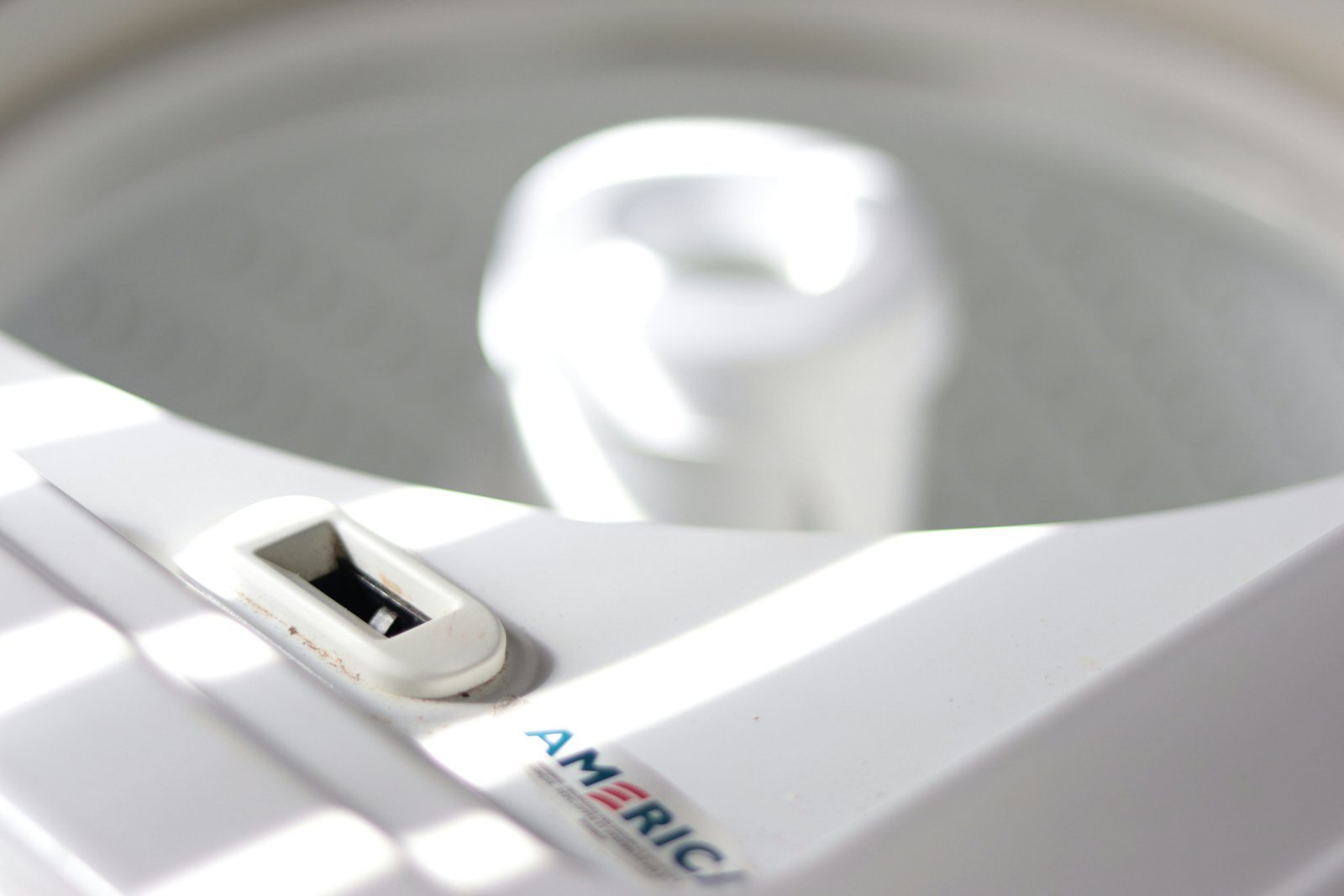

Introduction: The Importance of Deep Cleaning Your Washing Machine
Maintaining a washing machine in optimal condition is essential for both hygiene and efficiency. Over time, as we use the machine for cleaning clothes, various residues, including detergent, fabric softener, and dirt, accumulate within its components. This buildup can lead to unpleasant odors emanating from the appliance, which not only impacts the scent of freshly laundered clothes but can also introduce bacteria and mold into the cleaning process. Consequently, a dirty washing machine could affect the quality of clean you achieve, rendering it less effective in removing stains and odors from your garments.
Moreover, the consequences of neglecting this vital maintenance task can extend beyond unpleasing aromas. A poorly maintained washing machine can suffer from diminished efficiency, resulting in increased energy consumption and longer wash cycles. This inefficiency not only burdens your utility bills but can also accelerate wear and tear on the machinery itself, leading to costly repairs or, in severe cases, the need for replacement.
Incorporating regular deep cleaning into your washing machine maintenance routine is imperative for prolonging the life of the appliance. By addressing residual build-up, you can ensure that your machine operates at peak performance, which is critical for the longevity of the device. Furthermore, a clean machine contributes to the overall hygiene of your laundry, ensuring that every wash leaves fabrics fresh and spotless.
In conclusion, deep cleaning your washing machine is not an optional task but a necessary element of appliance care. Addressing the buildup of residues and maintaining optimal function will greatly enhance the effectiveness of your washing efforts, ensuring that your clothes come out as clean and pleasant as intended.
Understanding the Need: What Happens When You Don’t Clean Your Washing Machine?
The washing machine is an indispensable household appliance, yet it often goes unnoticed in terms of maintenance. When a washing machine is not regularly cleaned, it can lead to several significant issues that can affect both the quality of your laundry and the functionality of the machine itself.
One of the most common consequences of neglecting the cleanliness of your washing machine is the development of mold and mildew. The warm, damp environment inside the machine creates an ideal breeding ground for these fungi, particularly in the rubber door seal and detergent dispensers. This not only results in an unpleasant odor that permeates your laundry but can also transfer to your clean clothes, compromising their freshness.
Moreover, the buildup of detergent residue can exacerbate the problem. Over time, the residues can accumulate, forming a thick layer of grime that clogs various components of the machine. This can impede the proper functioning of the washing machine, leading to inefficient wash cycles. In severe cases, it may even cause mechanical failures, resulting in costly repairs or the need for a full replacement.
Additionally, if your washing machine is not cleaned regularly, it can lead to poor laundry quality. Clothes may come out of the wash with lingering odors, stains, or even dirt trapped within the fabric. Issues with rinsing can occur if the internal components of the washing machine are compromised, as dirty components can prevent detergents from working effectively. This can ultimately defeat the purpose of using the machine in the first place and lead to unhygienic results.
Cleaning your washing machine not only protects your investment but also ensures a healthier and more effective laundry experience. Regular maintenance is paramount in preventing mold, mildew, and residue buildup; thus, prioritizing this task will promote the longevity and efficiency of your appliance.
Gathering Supplies: What You Need for a Successful Cleaning
To effectively deep clean your washing machine, gathering the right supplies is essential for ensuring thoroughness and efficiency in the process. The first key item on your list should be white vinegar, a natural cleaning agent known for its ability to dissolve mineral deposits and stubborn odors. When used in conjunction with your washing machine’s rinse cycle, vinegar helps eliminate buildup that can interfere with machine performance.
Baking soda is another critical ingredient in this cleaning regimen. This versatile compound acts as a gentle abrasive, aiding in the removal of grime without damaging the interior surfaces of your machine. Mixing baking soda with water creates a paste that can be applied to areas requiring additional scrubbing.
In addition to these cleaning agents, consider including a set of microfiber cloths in your supplies. Microfiber cloths are highly effective at trapping dirt and grime while being gentle on surfaces, making them ideal for cleaning both the exterior and interior components of your washing machine.
Moreover, having a small brush or an old toothbrush on hand can be advantageous. These tools can reach narrow crevices and tight corners where buildup is likely to occur but may be hard to address with cloths alone. A dedicated scrubbing tool ensures that you can tackle any persistent stains or mold.
Lastly, a bucket or a small container may be required to hold your cleaning solutions or any water rinses. Organization is critical, and having all your supplies within easy reach will streamline the deep cleaning process. By preparing these essential items ahead of time, you set the stage for a successful cleaning of your washing machine, ultimately enhancing its performance and longevity.
Preparing Your Washing Machine: Preliminary Steps to Take
Cleaning your washing machine is an essential task that helps maintain its efficiency and prolongs its lifespan. To ensure a thorough clean, it is important to prepare your washing machine accordingly. The first step in this process is to empty the machine completely. Remove any clothing or items previously washed. Leaving items in the machine can impede the cleaning process and may detract from the effectiveness of the subsequent deep clean.
Following this, check all pockets of the garments you retrieved. Small items such as coins, tissues, or buttons can become trapped in the drum or filters, potentially causing clogs or malfunctions. It is advisable to periodically inspect these items as they can accumulate and may lead to complications over time. Additionally, taking a moment to assess the condition of the machine can identify any noticeable issues before initiating a deeper clean.
Next, you should consider removing specific components of your washing machine, such as filters and dispensers. Many washing machines come with removable dispensers for detergent and fabric softener, which can build up residue over time. Gently taking these parts out and cleaning them separately ensures that no nooks or crannies are left unchecked. Filters, depending on your washing machine model, may need to be removed and cleaned as well. Refer to your washing machine’s user manual for instructions on how to access and clean these components properly.
Overall, the preliminary steps of preparing your washing machine for a deep clean are crucial. By emptying, inspecting, and removing necessary parts, you set the stage for an effective and thorough cleaning process.
Step-by-Step Deep Cleaning Process
Deep cleaning your washing machine is essential for maintaining its efficiency and preventing odors. To effectively clean your machine, follow these steps categorized for both front-loading and top-loading models.
1. Gather Your Supplies: Before starting, ensure you have white vinegar, baking soda, a sponge or cloth, an old toothbrush, and a vacuum with a hose attachment handy. These items will facilitate a thorough deep cleaning process.
2. Clean the Drum: For both types of washers, begin by running an empty cycle with hot water. Add two cups of white vinegar to the drum. For front-loading machines, this will help eliminate mildew and soap scum that may have built up in the machine. In a top-loader, this process will help disinfect and clean the drum effectively.
3. Aid with Baking Soda: After the vinegar cycle, add one cup of baking soda to the drum before running another hot water cycle. This combination will help remove any lingering smells and residues, further enhancing the cleanliness of your washer.
4. Wipe Down Seals and Gaskets: Using a sponge or cloth, clean the rubber seals and gaskets around the door, especially in front-loading machines where they can trap moisture and dirt. Make sure to check for any debris or detergent buildup, using the toothbrush to scrub stubborn spots.
5. Clean Dispensers: Remove detergent and fabric softener dispensers if possible and soak them in soapy water. Scrub with a brush to remove any residue, then rinse thoroughly before reinserting.
6. Exterior Cleaning: Finally, wipe down the exterior of the washing machine with a damp cloth and a mild cleaner. This not only removes dust and grime but also leaves your appliance looking its best.
By following these steps tailored for your washing machine type, you can ensure a thorough deep cleaning that promotes efficiency and hygiene, extending the life of your appliance.
Cleaning the Detergent Drawer and Filter: A Closer Look
The detergent drawer and filter are two crucial components of a washing machine that require regular maintenance to ensure optimal performance. Over time, these parts can accumulate detergent residue, fabric softener build-up, and even mold, leading to unpleasant odors and reduced efficiency. Understanding the process of cleaning these components is essential for the longevity of your appliance.
To begin, carefully remove the detergent drawer from the washing machine. Most models allow for this by simply pulling it out; however, consult your user manual if you encounter any resistance. Once removed, rinse the drawer under warm water to eliminate any suds and build-up. For stubborn stains or residue, a soft brush can be employed to scrub away any lingering debris. Using a mixture of equal parts vinegar and water can be particularly effective in refreshing the drawer and eliminating odors.
Next, focus on the filter, which is typically located at the bottom front of the machine. Accessing the filter often requires opening a small hatch. Be prepared with a shallow container or towel as water may escape during this process. Unscrew or pull out the filter carefully, and rinse it under running water. As with the detergent drawer, any hard-to-remove deposits can be scrubbed off gently with a soft brush. Regular cleaning of the filter not only prevents blockages but also enhances the washing machine’s ability to effectively cleanse your laundry.
To prevent future build-up, it is advisable to leave the detergent drawer slightly ajar after a wash cycle, allowing airflow to dry the compartment. Additionally, using the correct amount of detergent—according to the manufacturer’s guidelines—can help minimize residue accumulation. By paying diligent attention to these aspects, you can significantly enhance your washing machine’s performance and extend its lifespan.
Finishing Touches: Rinsing and Preventative Maintenance
Once you have completed the deep cleaning of your washing machine, it is essential to undertake the finishing touches to ensure lingering residues are eliminated. A recommended method for this is to run a rinse cycle using hot water and a cup of vinegar. This combination effectively dissolves any remaining detergent build-up and neutralizes odors. By doing so, you not only complete the cleaning process but also leave your washing machine fresh and ready for its next use.
To execute the rinse cycle, begin by adding vinegar into the drum of your machine. Following this, set your washer to the hottest water setting and select the longest cycle available. This helps to flush out any residual dirt and cleaning agents, providing an effective cleansing regimen. After the cycle is complete, wipe down the interior with a clean cloth to remove any remaining moisture.
Prevention is always better than cure, especially when it comes to maintaining the cleanliness of your washing machine. There are several preventative maintenance tips that can keep your machine operating efficiently and smelling fresh longer. An effective practice is to leave the door of the washing machine open after each usage. This promotes airflow and helps to dry the interior, thus reducing the likelihood of mold and mildew development.
Additionally, regularly checking for unpleasant odors can help to identify potential issues early on. If you notice any strange smells, it might be worth repeating the cleaning process or inspecting components such as the rubber seal or detergent drawer for build-up. Ensuring that the machine is draining properly and that no water is left standing will contribute to maintaining its cleanliness. By following these simple maintenance steps, you can significantly prolong the cleanliness and efficiency of your washing machine.
Signs Your Washing Machine Needs Cleaning: When to Deep Clean
Regular maintenance of your washing machine is essential to ensure its optimal performance. However, there are certain signs that indicate your machine is in dire need of a deep clean. Recognizing these indicators can prolong the appliance’s life and enhance your laundry experience.
One of the most noticeable signs is a persistent, unpleasant odor emanating from the machine. If your washing machine starts to smell musty or like wet laundry left for too long, this can lead to unsatisfactory washing results. This odor typically suggests the presence of mold or mildew within the drum or other internal components, necessitating immediate deep cleaning to prevent further damage.
Visible grime and buildup are other critical indicators that your washing machine requires thorough cleaning. Each time you do laundry, detergent residues, lint, and dirt can accumulate not only in the drum but also in the detergent dispenser and seals. If you observe black or green mold spots on the rubber seals, it is essential to act promptly. Ignoring these signs can compromise the cleanliness of your laundry.
Another telling sign that your washing machine needs deep cleaning is subpar washing results. If your clothes come out dirty, with residual stains or a lingering odor after a wash cycle, this is often a direct result of an unclean machine failing to operate efficiently. A build-up of detergent and debris can hinder the washing process, making it vital to schedule routine cleanings to ensure your machine functions as intended.
By paying close attention to these signs—persistent smells, visible grime, and poor cleaning performance—you can determine the optimal times for a deep clean. Maintaining a clean washing machine is crucial for effective laundry results and the longevity of the appliance.
Conclusion: Enjoying the Benefits of a Clean Washing Machine
In summary, maintaining a clean washing machine is essential for enhancing its efficiency and longevity. A thorough cleaning process significantly improves the appliance’s ability to perform effectively, which results in cleaner laundry. When a washing machine is free of grime and buildup, it ensures that laundries are washed in optimal conditions, providing fresher results.
One core benefit of deep cleaning your washing machine is odor reduction. Over time, build-up from detergent residue, fabric softener, and lint can lead to unpleasant smells, which can transfer to your clothes. Regularly washing the appliance not only prevents these odors but also contributes to a healthier laundry environment, reducing the risk of mold and bacteria growth.
Furthermore, routine maintenance through deep cleaning can extend the lifespan of your washing machine. Just like any other appliance, neglecting proper maintenance can lead to premature wear and tear, resulting in costly repairs or replacements. By incorporating cleaning into your home maintenance routine, you can protect your investment and keep your washing machine functioning at its best.
Therefore, consider dedicating time every few months to deep clean your washing machine. This simple act not only ensures that your clothes come out looking and smelling fresh, but it also enhances the overall efficiency and durability of the machine. Ultimately, a clean washing machine translates to a more gratifying laundry experience, which is something every homeowner should strive for.