
Introduction: The Benefits of Growing Mushrooms at Home
Growing gourmet mushrooms at home, particularly in unconventional spaces like a laundry room, presents a unique and rewarding opportunity for both seasoned gardeners and novices alike. This practice not only taps into the joy of home gardening but also offers numerous nutritional and sustainability benefits.
Mushrooms are recognized for their rich nutritional profile. They are low in calories yet high in essential nutrients, providing an excellent source of dietary fiber, protein, and a range of vitamins and minerals including vitamin D and B vitamins. Consuming mushrooms can contribute significantly to a balanced diet, promoting overall health. Moreover, their role in plant-based diets is increasingly acknowledged as they serve as a delicious meat substitute, augmenting culinary diversity.
The sustainability aspect of growing mushrooms at home cannot be overlooked. In an era where environmental concerns are paramount, cultivating your own mushrooms can help reduce carbon footprints. Home gardening minimizes reliance on store-bought produce, which often involves extensive transportation and packaging processes. By cultivating mushrooms in a laundry room or similar space, individuals can utilize areas that might otherwise go unused, therefore maximizing home resources and contributing to a more sustainable food source.
Furthermore, growing gourmet mushrooms can be an enjoyable hobby that fosters a connection to nature and promotes mindful living. Observing the growth process can be deeply satisfying, as each step brings a sense of accomplishment. The act of nurturing living organisms, regardless of their size, invites an appreciation for the intricacies of life and nature.
In conclusion, engaging in mushroom cultivation at home, particularly in such an innovative environment as a laundry room, presents an enticing blend of health benefits, sustainability, and personal fulfillment. This hobby encourages a deeper understanding of food systems while enhancing the culinary experience with fresh, home-grown produce.
Choosing the Right Mushroom Varieties for Indoor Growth
When it comes to cultivating gourmet mushrooms indoors, selecting the appropriate varieties is essential for successful growth and a rewarding harvest. Three popular choices that thrive in indoor environments are oyster mushrooms, shiitake mushrooms, and lion’s mane mushrooms.
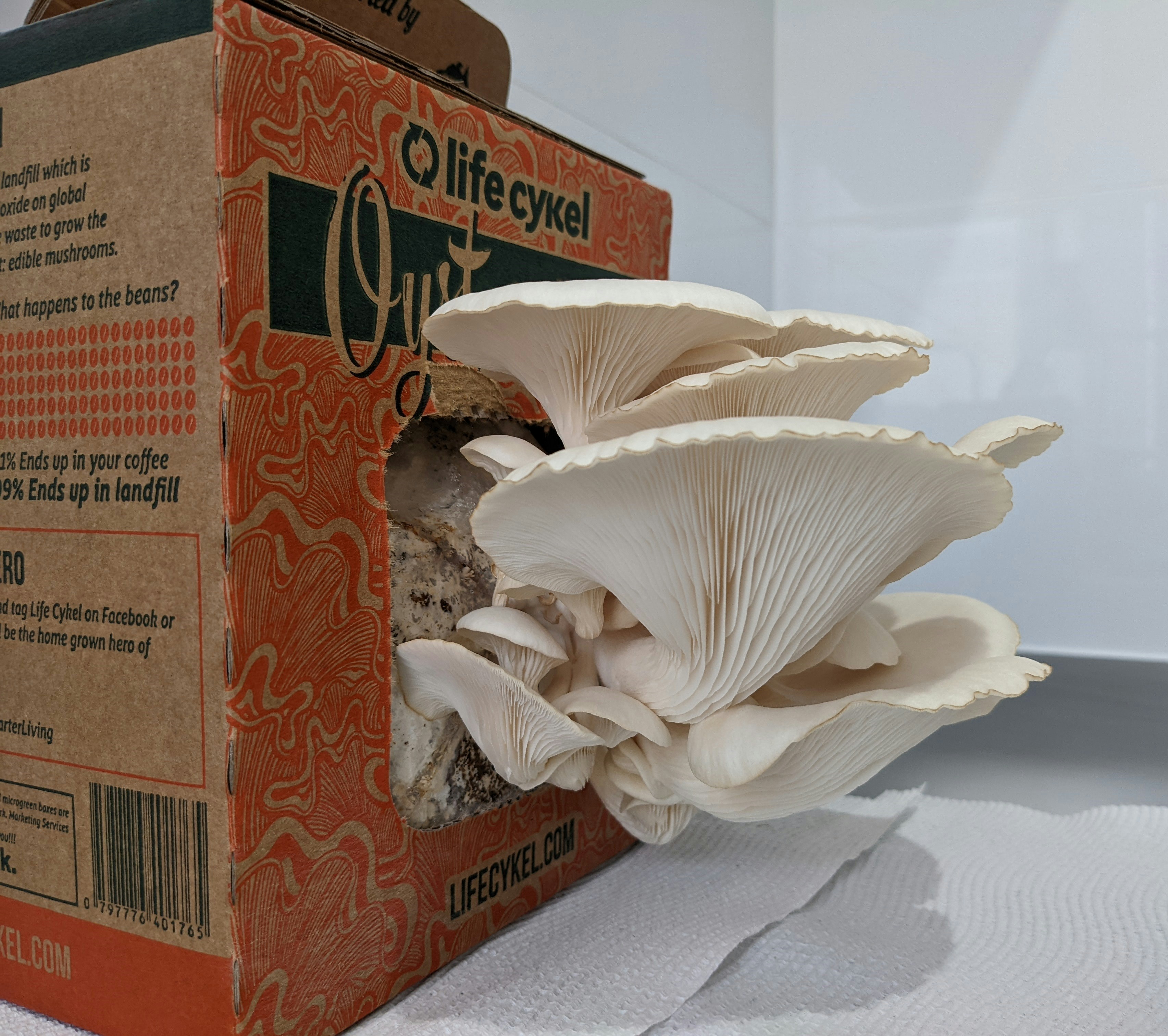
Oyster Mushrooms (Pleurotus ostreatus) are among the most forgiving mushrooms for beginners. They prefer a substrate rich in cellulose, such as straw or coffee grounds, and thrive at temperatures between 60°F and 75°F (15°C to 24°C). Oyster mushrooms can grow in low light, making them ideal for the dimmer corners of a laundry room. Known for their delicate texture and mild flavor, they can be used in various culinary applications, from stir-fries to soups.
Shiitake Mushrooms (Lentinula edodes) are another excellent option for indoor cultivation. These mushrooms are typically grown on hardwood logs or sawdust blocks. They favor slightly higher temperatures, around 70°F to 80°F (21°C to 27°C), and require more humidity than oyster mushrooms. Shiitake mushrooms are beloved for their rich, savory flavor and meaty texture, making them a popular ingredient in risottos, pasta dishes, and as a meat substitute in vegetarian meals.
Lion’s Mane Mushrooms (Hericium erinaceus) stand out for their unique appearance and potential health benefits. They grow best on sawdust or hardwood substrates and prefer temperatures around 65°F to 75°F (18°C to 24°C). With their distinct, fluffy appearance, lion’s mane mushrooms are not only visually appealing but also offer a seafood-like flavor. They are particularly praised for their potential to enhance cognitive function and overall brain health.
Ultimately, the choice of mushroom varieties hinges on personal taste, available resources, and specific growing conditions. By understanding the requirements and culinary uses of each type, aspiring indoor mushroom cultivators can make informed decisions and enjoy the fruits of their labor.
Essential Supplies and Equipment for Mushroom Cultivation
To successfully grow gourmet mushrooms in your laundry room, it is imperative to gather the essential supplies and equipment required for optimal growth. First, you will need a suitable substrate, which serves as a nutrient medium for the mushrooms. Common substrate options include straw, sawdust, coffee grounds, and even paper products. It is essential to choose a substrate that is rich in lignin and cellulose, as these components are vital for the mushroom’s development.
The next equipment necessary for mushroom cultivation is growing containers. Plastic bags are the most popular option, as they allow for easy handling and can maintain moisture levels effectively. Alternatively, you might consider using plastic or glass jars, which also work well for certain species of mushrooms. Make sure to select containers that have sufficient air circulation, as mushrooms require oxygen for healthy growth.
Humidity and temperature control devices are critical elements in the indoor cultivation process. A hygrometer can help you monitor humidity levels to ensure they remain between 80-95%, which is ideal for most mushroom varieties. Additionally, a temperature gauge will aid in managing the environment, as mushrooms thrive at temperatures ranging from 60°F to 75°F, depending on the species. If necessary, utilize a small space heater or a fan to maintain the optimal conditions in your laundry room.
Lastly, equip yourself with tools such as a spray bottle for misting the substrate, a thermometer for precise temperature readings, and a clean workspace to prevent contamination of your mushroom cultivation setup. These supplies and equipment form the foundation of a successful mushroom growing operation, enabling you to cultivate various gourmet mushroom varieties right from the comfort of your laundry room.
The Best Substrates for Growing Mushrooms Indoors
Choosing the right substrate is crucial for successful indoor mushroom cultivation. Substrates act as the food source for the mushrooms and influence their growth, yield, and flavor. In this section, we will explore several of the most effective substrates: straw, sawdust, and coffee grounds.
Straw is a popular choice because it is widely available and easy to work with. It provides a balanced nutrient profile that supports the growth of various mushroom species. To prepare straw, it must be chopped into smaller pieces and pasteurized to eliminate competing organisms. This can be done by soaking in hot water (around 160°F) for about an hour, followed by draining and cooling before inoculating with mushroom spores.
Sawdust is another excellent substrate that is particularly favorable for species like shiitake and oyster mushrooms. It is nutrient-rich and can hold moisture well, which is essential for mushroom growth. To prepare sawdust, it should be sterilized using a pressure cooker or steam, as this effectively kills any contaminants. Once sterilized, the sawdust can be mixed with supplemental nutrients such as wheat bran to enhance its effectiveness.
Coffee grounds, often overlooked, are an environmentally friendly option for cultivating certain mushroom varieties, such as oyster mushrooms. They are nutrient-dense and provide a good moist environment. Before using coffee grounds, it is important to pasteurize them to remove any potential pathogens. This can be accomplished by heating them to around 160°F for 30 minutes. Using coffee grounds not only recycles waste material but also promotes rapid mushroom growth due to the high nutrient content.
In conclusion, choosing the best substrate is essential for successful mushroom cultivation indoors. Each substrate has its unique advantages and preparation methods. Understanding how to prepare and pasteurize these substrates will greatly enhance your chances of yielding a successful mushroom crop.
Transforming Your Laundry Room
The laundry room can be an excellent space for cultivating gourmet mushrooms, provided it is transformed to meet the specific needs of mycelium growth. The first step in this transformation is to establish optimal temperature conditions. Most gourmet mushroom species thrive in temperatures between 60°F to 75°F (15°C to 24°C). It is crucial to avoid drastic temperature fluctuations, which can hinder the growth process. Consider using a thermostat to monitor and maintain a consistent temperature within this range.
Humidity is another critical factor in mushroom cultivation. Mushrooms require a humid environment, ideally around 85-95% relative humidity during their fruiting phase. To achieve this level of humidity in your laundry room, you can utilize a humidifier. Alternatively, placing water trays in the room can help increase moisture levels naturally. Regularly misting the substrate and surrounding areas can also aid in maintaining the desired humidity levels, promoting better growth.
Lighting should not be overlooked in your laundry room setup. While mushrooms do not require intense light, they benefit from indirect natural light or low-intensity artificial lighting for around 12 hours each day. An appropriate lighting setup can facilitate the development of healthy fruiting bodies. Utilizing LED grow lights designed for low-power usage can provide a sustainable solution without significantly increasing energy costs.
Space organization and cleanliness are essential in ensuring a conducive environment for mushroom cultivation. Ensure that your laundry room is free from any contaminants and clutter. Designate a specific area for your mushroom growing operation, ensuring that it is kept separate from laundry activities to prevent any cross-contamination. Regular cleaning and appropriate storage methods for substrates and equipment can significantly enhance your success in growing gourmet mushrooms.
Inoculating and Incubating Mushroom Spawn
The process of inoculating your substrate with mushroom spawn is critical for successful cultivation. Begin by preparing a sterile environment, as maintaining sterility is essential to prevent contamination. Before starting, ensure that your workspace is clean and free from potential contaminants. Using a glove box or a laminar flow hood can provide a controlled environment where airborne spores and bacteria are minimized.
Once your environment is adequately prepared, the substrate should be sterilized. This can be achieved through pressure cooking or pasteurizing the substrate, which is often made of materials such as straw, sawdust, or coffee grounds. After sterilization, allow the substrate to cool to room temperature before proceeding with inoculation.
Next, use your chosen mushroom spawn, which could be in the form of grain or sawdust, and introduce it to the cooled substrate. It is advisable to distribute the spawn evenly throughout the substrate, as this increases the chances of robust mycelial growth. Mixing these components in a sterile manner is crucial; many cultivators opt to use a clean, sanitized spoon or spatula.
Once inoculation is complete, place the substrate into clean containers, such as plastic bags or jars with breathable lids, to support gas exchange while preventing contaminants from entering. The incubation process begins after sealing the containers. This phase typically requires a warm, dark place with a temperature range of 70°F to 75°F (21°C to 24°C). Monitoring conditions is vital during this period, as fluctuations in temperature or humidity can adversely affect mycelium development.
Allow the spawn to incubate for several weeks until the substrate is fully colonized, characterized by a white, fluffy appearance of mycelium throughout the material. Observing the growth closely will help you identify any signs of contamination early on, thereby ensuring a higher yield of gourmet mushrooms in the following stages of cultivation.
Maintaining Optimal Conditions for Mushroom Growth
When cultivating gourmet mushrooms in your laundry room, maintaining optimal conditions is essential for successful growth. The three main factors to consider are humidity, temperature, and air circulation. Each of these elements plays a critical role in creating a conducive environment for mushrooms, which thrive in specific conditions.
Humidity levels ideally should be maintained between 80-95%, as mushrooms require a moist environment to grow. You can achieve this humidity by using a humidifier, which will help maintain consistent moisture levels. Alternatively, misting the growing area with water at regular intervals can also be effective. However, avoid excessive moisture, as this can lead to mold growth, which poses a threat to your crop.
Temperature is another crucial factor, with the ideal range varying depending on the mushroom variety. For most gourmet mushrooms, temperatures between 60°F to 75°F (15°C to 24°C) are optimal. Utilize a thermometer to monitor temperatures within the growing space, and take necessary actions such as using a space heater or air conditioning unit to maintain these levels. If temperatures fall below or rise above the desired range, it may lead to stunted growth or even crop failure.
Air circulation is equally important as mushrooms require fresh air to develop properly. Stagnant air can lead to the accumulation of carbon dioxide, which can hinder their growth. Ensure adequate airflow by utilizing a fan or opening windows periodically for ventilation. Additionally, consider using filters or ventilated containers to protect your mushrooms from contaminants while allowing fresh air exchange.
Common issues during the cultivation process may include excessive moisture leading to black mold or low humidity causing mushrooms to dry out. To address these problems, regularly check the growing conditions and employ corrective measures immediately. By maintaining optimal humidity, temperature, and air circulation, you can foster a thriving environment for your gourmet mushroom cultivation in the laundry room.
Harvesting and Storing Your Gourmet Mushrooms
Harvesting gourmet mushrooms at the right time is crucial to attaining optimal flavor and texture. The general rule for most mushroom varieties is to harvest them when the caps are fully developed but not yet flattened. Depending on the type of mushroom cultivated, such as oyster or shiitake, this can vary. For instance, oyster mushrooms should be picked just as their caps begin to open; this ensures a tender texture. Conversely, shiitake mushrooms are best harvested when their caps are still convex. Timing your harvest will significantly enhance the culinary qualities of your mushrooms.
When it comes to harvesting, it is recommended to use a sharp knife or scissors rather than pulling them out of the substrate. This method minimizes damage to the remaining mushroom mycelium and can encourage further fruiting. Gently twist and cut the stem close to the substrate, ensuring to leave the base intact to promote future growth.
After harvesting, the way you store your mushrooms is essential to preserve their freshness and flavor. For optimal results, avoid washing them before storage, as moisture can lead to spoilage. Instead, brush off any visible debris using a soft brush. To store, place your mushrooms in a paper bag to allow for air circulation, which is crucial to prevent moisture accumulation. They can be kept in the refrigerator for up to a week after harvesting.
If you find yourself with an abundance of mushrooms, consider preservation methods such as drying or pickling. Dried mushrooms can last for months and are an excellent addition to various dishes. Simply slice the mushrooms, place them on a dehydrator tray, and dry until fully crisp. Alternatively, pickling mushrooms can yield a delicious and tangy treat that can be stored for extended periods, offering a unique flavor profile to your meals.
Troubleshooting Common Problems in Mushroom Cultivation
Mushroom cultivation, while rewarding, can present several challenges that growers must navigate. Understanding these common issues and their solutions is crucial for successful mushroom farming, especially in unconventional spaces such as a laundry room. One of the most frequent problems faced by mushroom growers is contamination. This can manifest as unwanted mold or bacteria, which not only hampers the growth of your gourmet mushrooms but can also be dangerous to health. To mitigate contamination risks, ensure that all equipment is properly sterilized. Using a pressure cooker or an autoclave can effectively eliminate pathogens from substrate and tools.
Another common issue is insufficient growth or poor yield. This could result from several factors including inadequate temperature, humidity, or lighting conditions. Mushrooms thrive in environments where temperature and humidity are carefully controlled. For most gourmet varieties, maintaining a temperature range of 55°F to 75°F is ideal. Employing a hygrometer can help monitor humidity levels, while indirect fluorescent or LED lighting can mimic natural conditions to foster growth.
Additionally, growers might face challenges with growth rates that are either too slow or rapid pinning. Slow growth can result from suboptimal substrate preparation or insufficient nutrition. In such cases, revising the nutritional content of the substrate by incorporating suitable supplements may prove beneficial. Conversely, rapid pinning can lead to miniature and underdeveloped mushrooms; adjusting environmental factors such as light and humidity can help regulate this process.
By proactively identifying these issues and implementing practical solutions, amateur mushroom growers can enhance their cultivation experience and successfully cultivate gourmet mushrooms in their laundry rooms. As you gain experience, these troubleshooting skills will become invaluable in ensuring consistent yields and high-quality produce.