
Introduction to Avocado Cultivation
Growing avocado trees from pits offers a rewarding experience for home gardeners and nature enthusiasts alike. The allure of transforming a simple seed into a flourishing tree not only appeals to those interested in gardening but also serves as an educational journey into the world of horticulture. The process of cultivating avocado trees is fairly accessible, making it a popular choice for novice and experienced gardeners.
One of the most compelling reasons to grow avocados at home is the nutritional benefits these fruits provide. Rich in healthy fats, avocados are an excellent source of vitamins E, C, and K, along with dietary fiber. Their creamy texture and rich flavor have made avocados a staple in various cuisines, from classic guacamole to innovative salads and spreads. The culinary versatility of avocados allows gardeners to incorporate fresh, home-grown produce into their meals, enhancing both taste and health.
In addition to the immediate benefits of home gardening, cultivating avocado trees can create a long-term relationship with nature. Watching a pit grow into a mature tree introduces the principles of patience and care, enriching the gardening experience. For those seeking to cultivate sustainability in their lives, an avocado tree can serve as a symbol of growth and renewal, reflecting efforts towards environmental consciousness.
Moreover, the joy of harvesting your own avocados is unprecedented, as this journey not only results in homegrown fruit but also contributes to personal satisfaction and tangible returns on investment in time and care. The process of growing avocados from pits to pots is not merely about the fruit; it is a holistic adventure that encapsulates the essence of nurturing life in a garden.
Gathering Supplies and Choosing the Right Pit
To successfully cultivate avocado trees, the first step involves gathering the necessary supplies. You will need a few essential tools and materials: a healthy avocado pit, toothpicks, a glass of water, potting soil, and a small pot with drainage holes. These supplies will facilitate the initial germination process and later stages of growth.
Selecting a healthy avocado pit is crucial for successful cultivation. Begin by choosing a ripe avocado that is free from blemishes or dark spots. A ripe avocado will have a smooth skin and yield slightly to gentle pressure when squeezed. Once you cut the fruit, carefully remove the pit, rinse it under lukewarm water to eliminate any fruit residue, and be cautious not to damage the brown skin that covers it. Although this skin may seem unimportant, it plays a vital role in protecting the seed as it begins to germinate.
When preparing to plant the pit, consider its orientation. The broader end typically signifies the base, where roots will emerge, while the pointed end is where the stem will sprout. Using three toothpicks, insert them into the sides of the pit to suspend it over a glass of water, ensuring the bottom part is submerged while the top remains dry. Place the glass in a warm, indirect sunlight area, and monitor it regularly. The pit will take anywhere from two to six weeks to crack open and sprout roots—be patient, as this is a vital step in the process.
Furthermore, it is important to select the right avocado variety suitable for home cultivation. Hass is a popular choice due to its creamy texture and high yield, while Bacon and Fuerte varieties are also known for their hardiness in various climates. Choosing a variety that is adaptable to your local environment will significantly enhance your likelihood of success.
The Initial Stages: Germinating the Pit
Germinating an avocado pit is a rewarding process that serves as the foundation for cultivating a healthy avocado tree. The journey begins once the pit has been extracted, cleaned, and prepared for germination. One popular method for initiating growth is the toothpick method. In this technique, three to four toothpicks are inserted into the sides of the pit, creating a cradle. This allows the wider end of the pit to rest in water while suspending the upper portion in the air. It is important to maintain the water level, ensuring that the bottom part of the pit remains submerged.
Alternatively, the pit can be soaked directly in water for a few hours, followed by placing it in a potting mix, creating a more traditional approach to germination. Regardless of the chosen method, the optimal conditions for germination include a warm environment with temperatures ranging between 70°F to 85°F (21°C to 29°C). Light also plays a crucial role; the germination process thrives in bright, indirect sunlight.
The timeline for germination typically spans from two to six weeks, during which the pit’s outer layer will begin to crack. A visible root will then emerge, indicating readiness for planting. Identifying this root is vital, as it signals that the pit has successfully germinated. Once the root reaches a few inches in length and a shoot begins to grow from the top, the pit is ready to be transferred into a pot with soil. Monitoring humidity is also important; maintaining a humid environment can significantly enhance the germination rate. Patience is essential, as each pit may vary in the time it takes to sprout. Successful management of these initial stages lays the groundwork for a thriving avocado tree in the future.
Transplanting the Seedling into Potting Soil
Once the avocado pit has successfully germinated and a healthy seedling has emerged, the next critical step is to transplant it into a potting soil. To prepare for the transplant, you will need a suitable container that allows ample room for the roots to grow. A pot with drainage holes at the bottom, typically about 6 to 8 inches in diameter, is ideal for a young avocado seedling. This size provides enough depth for the roots while ensuring that the soil retains moisture without becoming waterlogged.
When selecting potting soil, choose a lightweight mix that offers good drainage and aeration. An appropriate blend might include peat moss, perlite, and compost. The composition not only promotes healthy root development but also serves to nourish the growing plant. Before placing the seedling in the pot, it is essential to gently loosen the roots if they have become tightly bound. This encourages outward growth and helps the seedling acclimate to its new environment.
After planting, ensure that the seedling is placed at the same depth it was in its original container to avoid stem rot. Firm the soil around the base to provide stability, and water thoroughly to eliminate air pockets and help establish the roots in their new home. Post-transplantation care is crucial; an avocado seedling thrives in bright, indirect light and requires consistent moisture, so check the soil regularly. As the plant adjusts, it may need more frequent watering. However, be cautious not to overwater as this can lead to root rot, a common issue with avocado trees.
Caring for Your Young Avocado Tree: Watering, Feeding, and Pruning
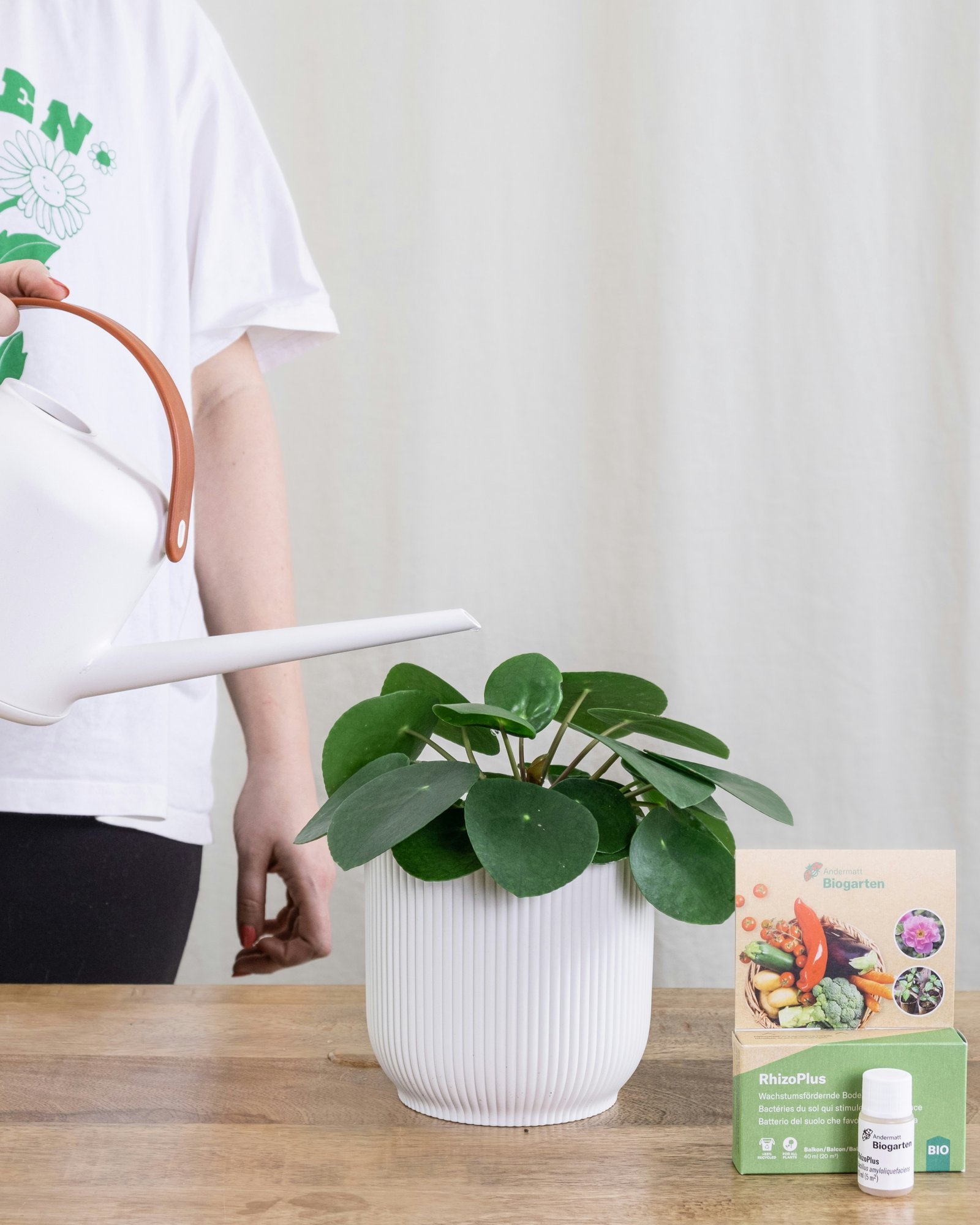
Caring for your young avocado tree involves several critical factors, with watering, feeding, and pruning being of utmost importance for ensuring healthy growth. When it comes to watering, it is essential to establish a balance; avocado trees prefer well-drained soil, so overwatering can lead to root rot. Ideally, the soil should be kept consistently moist but never soggy. A general rule is to water the tree deeply once or twice a week, depending on the climate and soil conditions. During the growing season, it’s crucial to monitor your young avocado for signs of distress, adjusting the watering schedule as necessary based on rainfall and temperature.
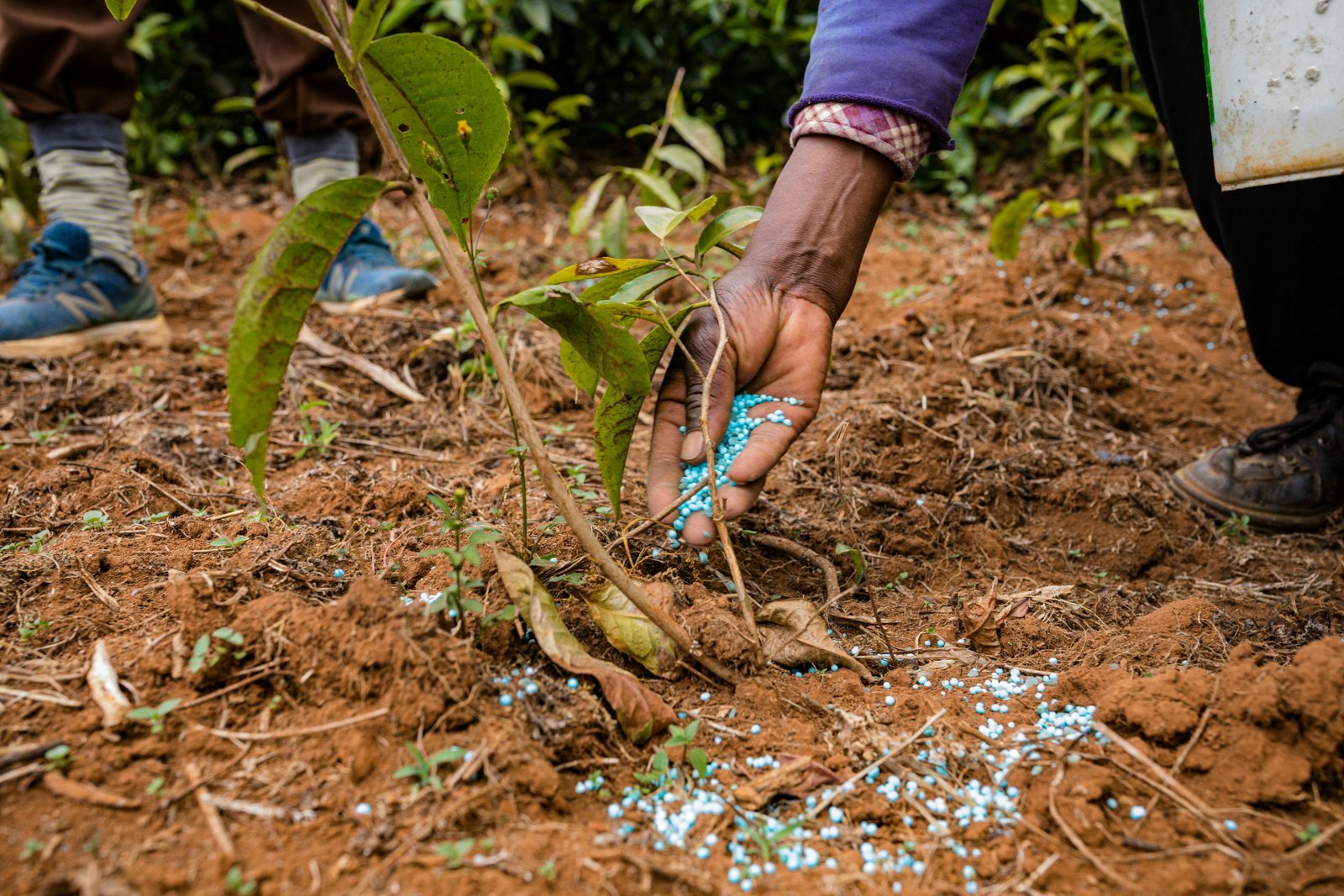
Feeding your avocado tree with the right fertilizers is equally important for its development. Young avocado trees benefit from a balanced fertilizer, rich in nitrogen, phosphorus, and potassium, typically known as NPK fertilizers. A common recommendation is to apply a slow-release fertilizer every eight to ten weeks during the growing season. Depending on the soil quality, supplements like compost can enhance nutrient absorption and improve soil structure. It is essential to avoid over-fertilizing, as too many nutrients can harm the plant.
Pruning is another vital aspect of maintaining young avocado trees. Pruning encourages strong growth and helps in shaping the tree. The best time to prune is during the spring, when new growth appears. Essential branches should be cut back to improve overall structure and air circulation, promoting healthy leaves and fruit. Furthermore, regularly inspect for pests and diseases that may affect the tree’s vitality. Common pests include aphids and spider mites, while diseases such as avocado root rot can be debilitating. Regular checks and immediate action can help mitigate these issues, ensuring that your avocado tree grows robust and healthy.
Encountering Challenges: Common Issues and Solutions
As novice gardeners embark on the journey of growing avocado trees, they may encounter various challenges during the initial years. Understanding these potential issues, such as root rot, leaf drop, and inadequate sunlight, can assist in mitigating setbacks and ensuring healthy growth.
Root rot is a prevalent issue in avocado cultivation, primarily caused by overwatering or poorly draining soil. This fungal disease can quickly jeopardize the health of the young tree. To avoid root rot, it is imperative to use well-aerated potting soil with adequate drainage. Additionally, ensuring that the pot has sufficient drainage holes will help prevent the accumulation of excess water. If an avocado tree begins to show signs of root rot, such as wilting or yellowing leaves, re-potting into dry, fresh soil may aid in recovery.
Leaf drop is another common concern for avocado trees, often stemming from environmental stressors such as extreme temperatures, insufficient watering, or sudden changes in light conditions. To combat leaf drop, monitor your tree’s watering schedule closely, providing consistent moisture without oversaturation. Moreover, it is essential to acclimatize your avocado tree to any new lighting conditions gradually; drastic changes can cause shock and lead to leaf loss.
Inadequate sunlight is yet another critical factor influencing the growth of avocado trees. Avocados thrive in bright, indirect light and require a minimum of six hours of sunlight daily. If the tree is not receiving enough light, consider relocating it to a sunnier spot or using grow lights during the shorter winter days. Proper placement can significantly contribute to healthier foliage and foliage development.
Addressing these challenges promptly will not only improve the chances of a successful avocado tree but also provide a rewarding gardening experience for those nurturing their trees from pit to pot.
Transitioning to Outdoor Growth: When and How
When considering the transition of your indoor-grown avocado tree to outdoor conditions, careful attention to various factors is essential for success. The size of the tree plays a significant role; ideally, the avocado should be at least 12 inches tall before embarking on this move. A larger tree is generally more resilient and better equipped to handle the environmental stressors associated with outdoor growth.
Environmental conditions are another crucial aspect to contemplate. Avocado trees thrive in warm-weather climates, generally requiring temperatures between 60°F and 85°F. Outdoor temperatures should be consistently above 60°F for safe transplantation. Observing seasonal changes, late spring or early summer is the most favorable time to make this transition, as it aligns with the tree’s natural growth cycle.
Choosing the right planting location also significantly impacts your avocado tree’s success outdoors. It requires a spot that receives full sun for a minimum of six hours per day, as adequate sunlight is vital for the tree’s growth and fruit production. Additionally, the soil should offer excellent drainage to prevent root rot, which is detrimental to avocado trees.
Preparation of outdoor soil is a practical step before transplanting your avocado. Test the soil pH, ideally between 6 to 7 for optimal growth. Amend the soil with organic compost to enhance fertility and structure, resulting in a healthier environment for the new planting. Dig a hole twice the width of the root ball while maintaining the same depth to prevent planting issues.
When ready to plant, gently remove the avocado tree from its pot, taking care to avoid damaging the roots, and place it in the prepared hole. Fill the hole carefully with soil, ensuring a stable placement. Water the tree well after planting to help it establish itself. By following these guidelines, your transition to outdoor growth can be a seamless and successful endeavor, setting the foundation for a robust avocado tree.
Tracking the Growth: A Year-by-Year Summary
Growing avocado trees from pits can be an enlightening experience, particularly when documenting their developmental journey over the period of two years. Throughout the first year, the avocado pit undergoes a remarkable transformation, marked by the initial sprouting of roots and shoots. Generally, the focus during this stage is to ensure the pit receives adequate moisture and warmth, conditions crucial for germination. While results can initially be varied, it is common for the first signs of growth to appear within six to eight weeks. As the first leaves begin to unfurl, caretakers often notice the tree’s progress accelerating, with the tree eventually developing a sturdy root system.
As the avocado tree transitions into its second year, the pace of growth typically continues to gain momentum. This year is characterized by more pronounced vegetative development, evidenced by the emergence of additional leaves and branches. By now, many growers have transitioned their trees from indoor pots to outdoor environments, where they can flourish under full sunlight. It is also during this year that vital lessons come into play regarding the balance of water, nutrients, and sunlight. Understanding the needs of the tree becomes integral, as excessive water can lead to root rot, while insufficient light limits the tree’s growth potential.
Throughout these two years, caretakers may also contend with pests and environmental factors, which can hinder growth if not managed effectively. Observing how these challenges are addressed offers valuable insights into resilient avocado tree cultivation. Moreover, the journey encourages patience and adaptability, as each tree will grow at its own pace, leading to personalized solutions based on specific conditions. In summary, the first two years of an avocado tree’s growth present significant learning opportunities and milestones that contribute to understanding the complexity and beauty of nurturing these remarkable plants.
Conclusion and Future Prospects: Enjoying Homegrown Avocados
Reflecting on the past two years of nurturing avocado trees from pits to flourishing plants offers immense satisfaction to any home gardener. The journey has likely been filled with learning experiences, challenges, and moments of anticipation as you watched your avocado trees grow. This culmination fosters a deep appreciation for personal cultivation while promising future rewards. As these trees mature, the prospect of homegrown avocados adds an exciting dimension to the experience, making it all worthwhile.
As your avocado trees reach maturity, it is essential to continue providing them with proper care to ensure they thrive and potentially bear fruit. Regular watering, balanced fertilization, and appropriate sunlight exposure will significantly contribute to your trees’ productivity. It is ideal to prune them appropriately to foster healthy growth patterns and enhance fruit production. Remember, patience is key; even though the journey may take a few years, the eventual yield of ripe avocados will be gratifying.
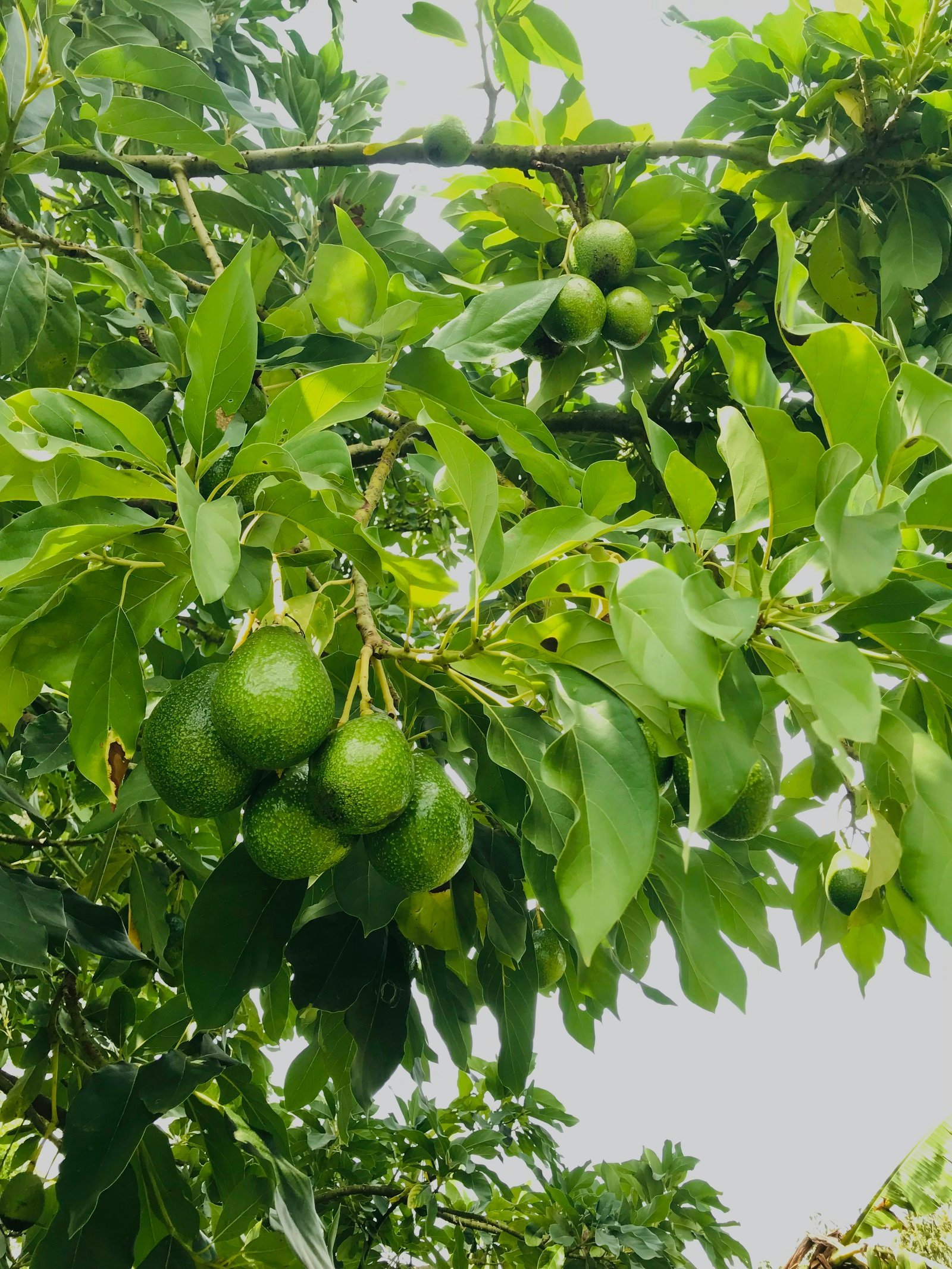
Once your avocado trees begin to bear fruit, the possibilities for enjoying your homegrown harvest are truly endless. Fresh avocados can be incorporated into various recipes, from smoothies and salads to classic dishes such as guacamole and avocado toast. Their creamy texture and rich flavor make them a versatile ingredient in both savory and sweet dishes. Additionally, homegrown avocados can be used to create homemade face masks and hair treatments due to their nourishing properties.
In anticipation of the fruit-bearing stages, nurturing your avocado tree undoubtedly transforms from just a hobby into a rewarding endeavor. As you witness the fruits of your labor, you will also cultivate a deeper bond with nature, encouraging a sustainable lifestyle. Embrace the journey ahead, as the joy of homegrown avocados awaits!