
Introduction to Buy Now, Pay Later Services
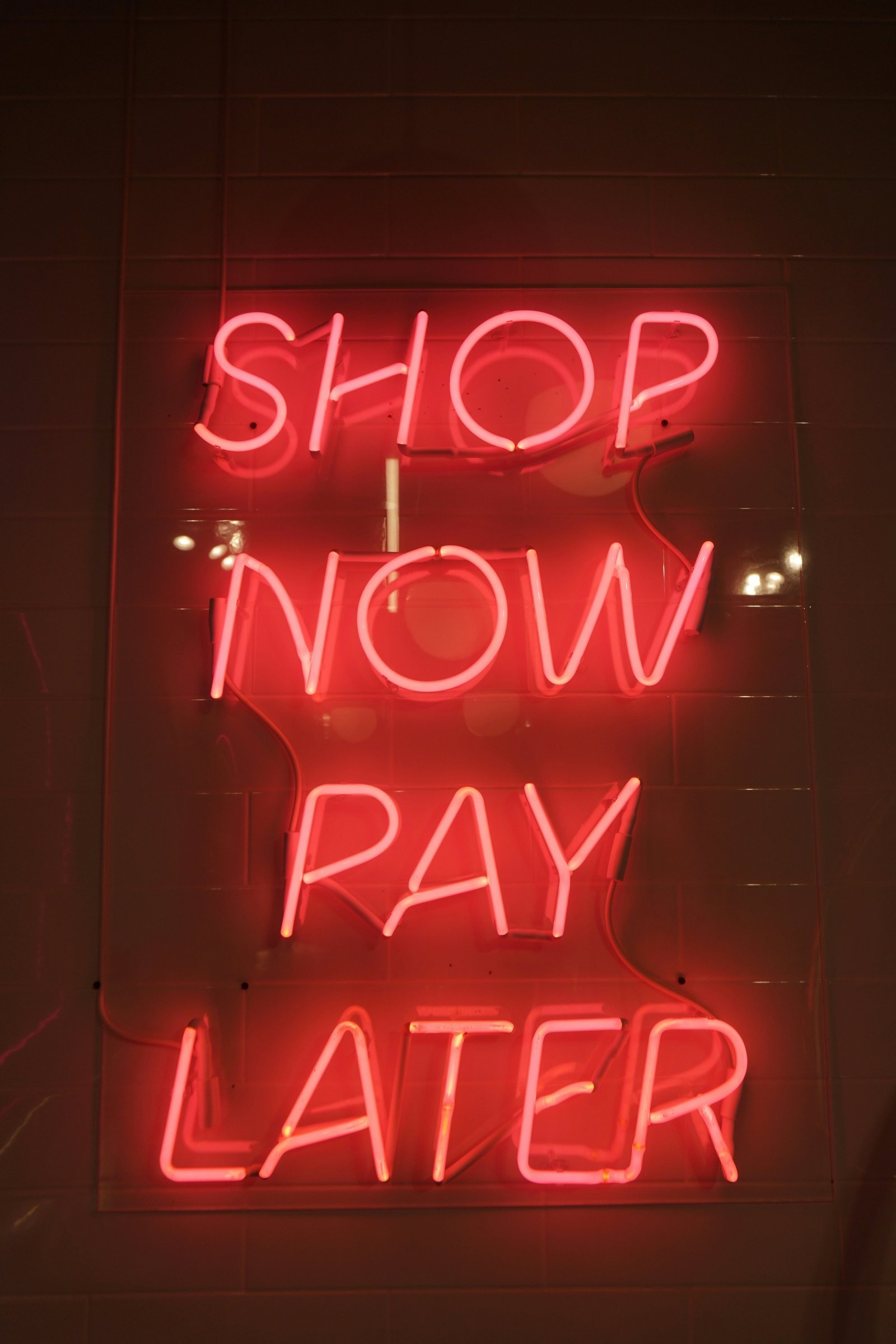
Buy Now, Pay Later (BNPL) services have emerged as a popular financial tool, allowing consumers to make purchases and defer payments over a specified period, often without incurring interest. This innovative payment method enables shoppers to engage in immediate consumption while splitting their total expenditures into manageable installments. Typically, a consumer selects an item, chooses the BNPL option at checkout, and agrees to pay the total in a series of scheduled payments. The services often do not require a credit check, making it accessible to a broader audience.
The key features of BNPL services include flexible payment plans, which are usually interest-free if payments are made on time, and a seamless integration into online and in-store shopping experiences. Many popular retailers have partnered with BNPL providers as a way to enhance customer satisfaction and drive sales. As the e-commerce landscape continues to evolve, the adoption of these services has surged, appealing particularly to younger demographics who prefer flexibility in their financial decisions.
Given its growing footprint, it is crucial to examine the implications of BNPL services. While they offer an avenue for consumers to manage their cash flow more effectively, they also raise questions about responsible spending, potential debt accumulation, and consumer behavior. Retailers benefit from increased sales and a competitive edge but face their own set of challenges regarding the regulation and management of consumer financial habits.
This introductory overview provides a foundational understanding of Buy Now, Pay Later services, setting the stage for an in-depth exploration of the associated benefits and drawbacks for both consumers and retailers in subsequent sections of this discussion.
Pros of Buy Now, Pay Later Services
Buy Now, Pay Later (BNPL) services have gained significant traction in recent years, primarily due to their appealing features for both consumers and retailers. One of the most attractive aspects of BNPL services is the concept of immediate gratification, allowing consumers to acquire products without the constraint of upfront payment. This capability aligns perfectly with today’s consumer culture that favors instant access to goods and services.
Another notable advantage is the enhanced budget management that BNPL offers. By breaking down larger purchases into manageable installments, consumers can mitigate financial strain while maintaining their spending power. This option enables individuals to make purchases they may not have considered otherwise, thereby expanding their choices and access to higher-ticket items.
In addition to benefitting consumers, BNPL services can be advantageous for retailers. By offering these payment solutions, businesses often see an increase in sales conversions. Shoppers who may hesitate to make a big-ticket purchase might be more inclined to finalize transactions when they have the flexibility to pay over time. Furthermore, BNPL has the potential to boost customer loyalty, as consumers who appreciate the financial flexibility provided by retailers are likely to return for future purchases.
Possessing the ability to choose and customize payment plans empowers customers, creating a more favorable shopping experience overall. When retailers implement BNPL options effectively, they can not only expand their customer base but also encourage repeat business. As a result, establishing a reputation for offering flexible payment solutions can differentiate retailers in a competitive marketplace.
In summary, the advantages of Buy Now, Pay Later services encompass immediate gratification, enhanced budget management, and increased purchasing power for consumers while simultaneously benefiting retailers through higher sales and greater customer loyalty.
Potential Drawbacks of Buy Now, Pay Later Services
While Buy Now, Pay Later (BNPL) services offer many advantages, they also present a variety of potential drawbacks that consumers should carefully consider. One significant concern is the risk of overspending. The appeal of acquiring products or services immediately while deferring payment can lead consumers to make purchases they may not afford in the long run. This temptation to indulge can quickly spiral into financial strain.
Moreover, the structure of BNPL plans can inadvertently encourage unsustainable spending habits. Users may feel inclined to take on multiple BNPL agreements simultaneously, creating a false sense of financial security. As these commitments accumulate, they may become overwhelming, leading consumers to struggle with debt management.
Another critical issue is the potential impact of missed payments on financial health. Unlike traditional credit cards, where consumers may have some leeway with late payments, many BNPL services impose penalties for missed deadlines. These can include late fees, increased interest rates, and even the possibility of the debt being referred to collections, which can negatively influence credit scores. A lower credit score can hinder future borrowing opportunities and financial prospects.
Consumer perspectives on BNPL services vary significantly. Some view these options as helpful tools for managing finances, particularly for planned purchases, while others argue that they foster reckless behavior. Critics emphasize that BNPL can create a culture of immediate gratification that undermines budgeting discipline and leads to financial instability. Ultimately, understanding these drawbacks is crucial for consumers considering the adoption of BNPL services, as responsible usage requires careful planning and awareness of one’s overall financial situation.
Consumer Awareness and Responsibility
As the use of ‘Buy Now, Pay Later’ (BNPL) services gains popularity among consumers, it is crucial to raise awareness regarding the terms and conditions associated with these financial tools. Many consumers are drawn to the convenience and flexibility that BNPL services provide, yet a lack of understanding about their implications can lead to unforeseen financial challenges. Thus, education is key to navigating these services responsibly.
Consumers must thoroughly comprehend the specific terms associated with BNPL offerings. This includes understanding the repayment timeline, potential interest rates, and any hidden fees that may apply. Often, BNPL services advertise no interest for a promotional period, but failing to pay within this timeframe can result in hefty late fees and interest charges. Therefore, meticulous attention to loan agreements is vital, as ignorance of these conditions can easily lead to unexpected debt burdens.
Additionally, personal responsibility plays a fundamental role in utilizing BNPL services effectively. Consumers should assess their financial situations before opting for these payment plans, ensuring that they can meet repayment obligations without compromising their budget or incurring additional debt. Creating a budget that accounts for upcoming BNPL payments can help mitigate the risk of overspending and falling into financial traps.
Furthermore, being aware of one’s spending habits can lead to more prudent financial decisions when using BNPL services. Tracking purchases and being cautious about impulsive buying can reduce the likelihood of facing overwhelming financial obligations. Overall, informed consumers who take personal responsibility are better equipped to navigate the BNPL landscape without compromising their financial health.
Impact on Retailers and E-Commerce
Buy Now, Pay Later (BNPL) services have reshaped the retail and e-commerce landscapes, facilitating increased sales and enhancing customer experiences. By allowing consumers to purchase products upfront while deferring payment, retailers can attract a wider customer base. This financial flexibility often leads to higher conversion rates, as customers feel encouraged to complete their purchases without the burden of immediate payment. For example, retailers who integrate BNPL options may see a substantial uptick in transaction sizes, as consumers are more likely to indulge in larger purchases when afforded the opportunity to pay over time.
Moreover, customer satisfaction tends to rise as consumers appreciate the convenience and flexibility offered by BNPL services. The ease of managing payments over installments can significantly enhance customer loyalty and retention, fostering long-term relationships between retailers and their clients. A notable case involves an e-commerce apparel brand that reported a 30% increase in sales after incorporating BNPL options, illustrating how effective this approach can be in driving revenue.
However, while the benefits of BNPL are evident, retailers must also navigate certain challenges. Managing cash flow can become complex, particularly for businesses that rely heavily on instant payment options. Retailers need to understand the implications of BNPL on their financial operations, assessing how delayed payments affect their working capital. Additionally, insights into consumer behavior become crucial; retailers must analyze purchasing patterns to optimize their offerings with BNPL services effectively. Understanding how different customer segments engage with deferred payment options can enable retailers to tailor their marketing approaches accordingly.
In conclusion, the integration of Buy Now, Pay Later services presents retailers and e-commerce businesses with significant opportunities to enhance sales performance and improve customer satisfaction. By strategically managing potential challenges, retailers can capitalize on the powerful advantages that BNPL offers in today’s competitive market.
Comparing BNPL to Traditional Financing Options
The financial landscape offers various options for consumers to manage their spending, with ‘Buy Now, Pay Later’ (BNPL) services emerging as a popular alternative to traditional financing methods such as credit cards and personal loans. Understanding the differences between these options can help consumers make informed decisions based on their financial situations.
One of the primary advantages of BNPL services is their often lower cost of borrowing. Many BNPL providers offer interest-free installment plans, allowing consumers to spread payments over several weeks or months without the added burden of interest. This contrasts sharply with credit cards, which can carry high-interest rates, especially if the balance is not paid in full each month. Personal loans generally have fixed interest rates, but the overall cost can still be higher than that of BNPL when considering associated fees.
Another significant aspect to consider is repayment flexibility. BNPL services typically offer a straightforward repayment schedule, which can be easier for consumers to manage. On the other hand, traditional credit cards can lead to complex repayment dynamics, especially when consumers only pay the minimum due and accumulate debt over time. Personal loans often have fixed payment terms, which might not always align with a consumer’s cash flow.
Consumer experiences also vary between these financial products. Many users appreciate the simplicity and speed of BNPL transactions, often completed at the point of sale with minimal application requirements. This can provide a convenient shopping experience. However, some consumers may be unaware of the potential pitfalls, such as overspending and the risk of late fees. Credit cards offer a greater level of spending limit and additional consumer protections, which can enhance confidence in making larger purchases. Ultimately, the choice between BNPL services and traditional financing options depends on individual financial circumstances and shopping habits.
Future of Buy Now, Pay Later Services
The Buy Now, Pay Later (BNPL) services have dramatically transformed the landscape of consumer finance, and their future appears promising yet complex. Given the rise in adoption among consumers, projections indicate significant growth in the BNPL market over the coming years. It is expected that the integration of these payment solutions will continue to expand beyond retail, infiltrating sectors such as travel, automotive, and healthcare.
With this growth, however, comes an increased scrutiny from regulators. In response to concerns regarding consumer debt levels and the clarity of BNPL agreements, we may see substantial regulatory changes. Financial authorities across several regions are already considering measures to enhance transparency and ensure consumer protections within the BNPL framework. These regulations aim to balance the benefits of flexible payment options with the necessity for responsible lending practices.
Moreover, the evolving technological landscape will play a pivotal role in shaping the future of BNPL services. The growth of artificial intelligence and machine learning could enhance the risk assessment processes, enabling companies to tailor offers with greater accuracy and personalization. These advancements may lead to improved experiences for consumers, as the services adapt to their financial behaviors and preferences.
Additionally, economic factors, such as inflation rates and shifts in consumer spending, will directly impact the viability and attractiveness of BNPL options. During times of economic uncertainty, consumers may increasingly rely on flexible payment solutions to manage their budgets more effectively. As consumer behavior evolves, BNPL providers will need to adapt their strategies to stay relevant and competitive.
In conclusion, while the future of Buy Now, Pay Later services holds much potential, it will also be characterized by the need for increased regulation, technological adaptation, and responsiveness to changing economic conditions. The growing focus on consumer protection and responsible lending practices will shape the trajectory of this innovative financial solution.
Real-life Testimonials and Case Studies
As the popularity of Buy Now, Pay Later (BNPL) services continues to rise, numerous real-life testimonials and case studies provide consumers and retailers with valuable insights into their effectiveness. These personal experiences highlight both the advantages and disadvantages of utilizing BNPL options.
One consumer, Sarah, shared her positive experience with a prominent BNPL service while purchasing a laptop. With unexpected expenses occurring at the end of the month, she was apprehensive about making a large purchase. However, BNPL allowed her to acquire the laptop immediately, while spreading the payments over several months. “It relieved my financial stress and gave me the chance to own a necessary tool without impacting my immediate budget,” she stated, underscoring the appeal of deferred payment plans.
Contrastingly, a case study of a retailer implementing BNPL highlighted some challenges. A boutique clothing store reported increased sales due to the introduction of a BNPL option, but they also faced complications with delayed payments from the BNPL provider. Owners noted that while the service attracted more customers, fluctuating cash flow created difficulty in maintaining inventory. “The increase in sales was promising, but the cash flow challenges presented a significant hurdle we had not anticipated,” they admitted.
Moreover, testimonials from users emphasize the importance of responsible spending. Mark, another shopper, discovered that using BNPL offered convenience but led him to purchase items he did not need. He cautions others: “While the service can be beneficial, it’s crucial to manage your finances carefully to avoid accumulating debt.” This reflects concerns surrounding potential overspending and financial pitfalls associated with BNPL services.
Through these testimonials and case studies, it becomes apparent that while BNPL services can facilitate purchases and enhance consumer accessibility, they also require awareness and financial responsibility to mitigate associated risks.
Conclusion
In contemplating the advantages and drawbacks of ‘Buy Now, Pay Later’ (BNPL) services, it is critical to conduct a thorough assessment of both sides of the equation. The benefits of BNPL flexible payment structures, particularly their capacity to improve cash flow and aid in budget management, are notable. Such services allow consumers to acquire desired products without immediate full payment, enabling access to goods that may otherwise exceed budget limitations. For many, especially younger consumers or those with unstable incomes, this can be an attractive solution that promotes financial flexibility.
However, the potential pitfalls cannot be overlooked. Delaying payments can sometimes lead to overspending, with the ease of BNPL potentially encouraging impulse buying behaviors that might not align with a consumer’s financial reality. Moreover, late fees associated with missed payments may exacerbate financial strain, and for those with limited financial literacy, misunderstanding the terms may result in unmanageable debt levels. These concerns underscore the necessity of approaching BNPL services with caution.
Ultimately, when considering the adoption of BNPL as a payment method, individuals are encouraged to reflect on their personal financial situations, including income stability and existing debts. An informed decision is paramount; consumers should assess whether the financial advantages are indeed beneficial in their specific context or if they might lead to unfavorable conditions in the long run. Making prudent decisions in financial matters ensures not only immediate satisfaction but also long-term financial health.