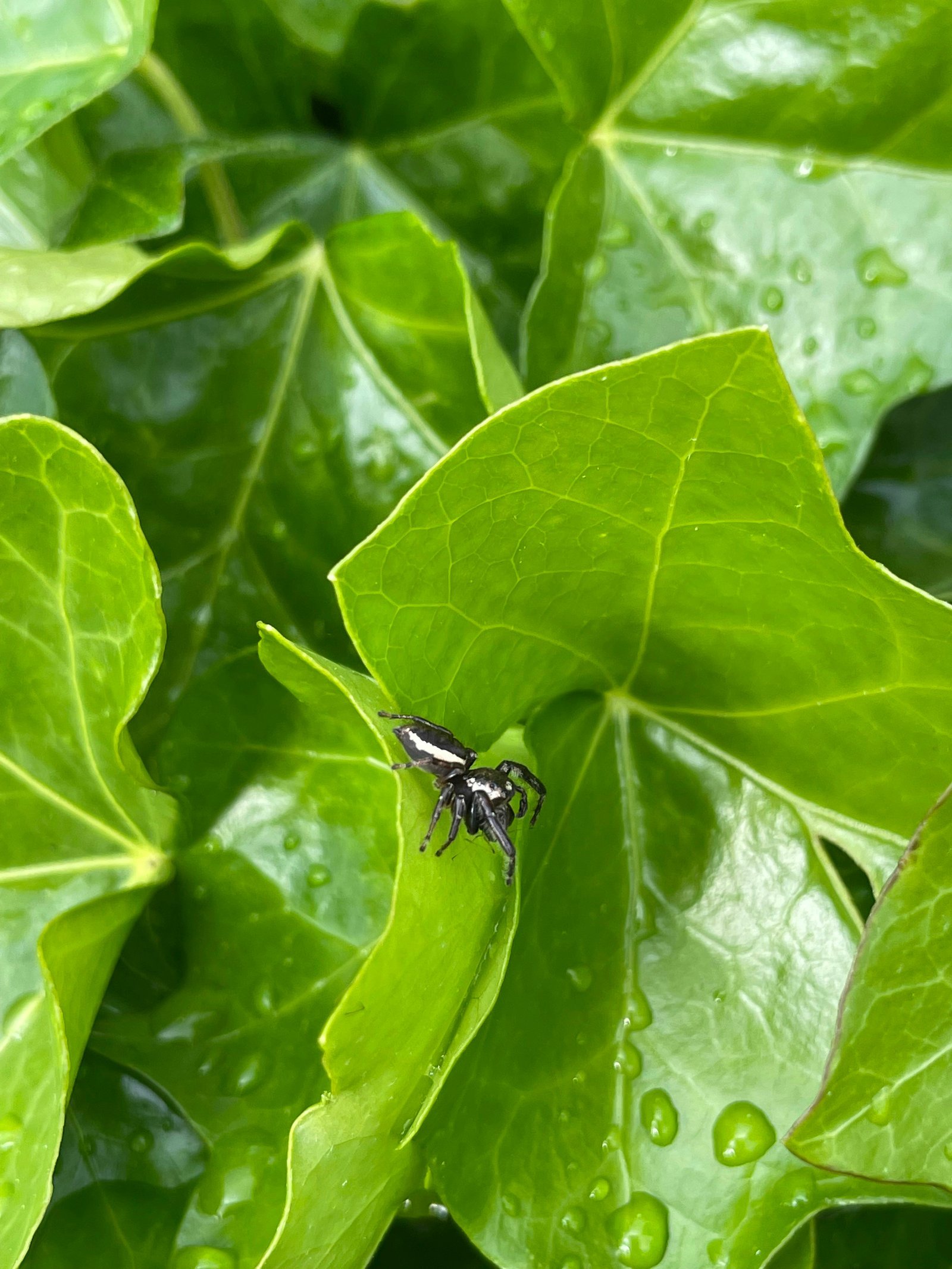

Spider mites are tiny arachnids that belong to the family Tetranychidae, known for their ability to inflict significant damage on a wide variety of plants, particularly indoor tropical varieties. The most common species that affect these plants include Tetranychus urticae, also known as the two-spotted spider mite, and Tetranychus ludeni. Typically, these pests are less than 1mm in size and are often difficult to spot without a magnifying glass. Their body is usually spherical and may appear green or red, but they can vary in color based on the plant species they infest.
Spider mites thrive in warm, dry conditions, making indoor environments particularly conducive to their proliferation. They prefer humidity levels of approximately 50% or lower and are most active at temperatures above 77°F (25°C). This makes tropical plants, which often require specific humidity and temperature ranges, particularly susceptible to infestations. As the spider mites feed on plant sap, they create a webbing that is often visible on the undersides of leaves, which can lead to significant deterioration of plant health.
Recognizing the early signs of spider mite infestation is crucial for maintaining the health of indoor tropical plants. Symptoms include stippling on leaves, yellowing, and eventually necrosis if left unaddressed. Early identification and intervention can make a significant difference in the outcome. Understanding their biology and preferred conditions helps indoor gardeners implement preventive measures to avoid these pests. Regular monitoring, maintaining optimal humidity levels, and proper plant care practices are essential in preventing the establishment of spider mites and ensuring the longevity and vibrancy of tropical houseplants.
Identifying Spider Mite Infestation
Spider mites, tiny arachnids belonging to the Tetranychidae family, can pose a significant threat to indoor tropical plants. Recognizing the presence of these pests at an early stage is crucial for effective management. One of the first signs of a spider mite infestation is the appearance of fine webbing on the undersides of leaves. This webbing, often resembling a delicate silk, can also extend across the stems and into the plant’s surrounding environment.
Additionally, the infestation may become evident through stippling on the leaves – small, light-colored speckles where the mites have fed. This feeding damage can cause leaves to become discolored, leading to a yellowing appearance. If left untreated, spider mites can cause overall plant decline, resulting in leaf drop and reduced growth vigor.
Another effective method for identifying spider mite presence involves close inspection using a magnifying glass. This tool aids in spotting the mites themselves, which can be challenging due to their small size, typically ranging from 0.5 to 1 millimeter. Observing the undersides of leaves is particularly important, as adult spider mites and their eggs are often found clustered in these areas.
Employing a damp white paper towel can also assist in detecting spider mites. By gently wiping the leaves with the towel, any pests or characteristic stippling can be readily identified against the white background. Regular monitoring and early identification are key components to effectively managing spider mite infestations on indoor tropical plants, helping to preserve their health and vitality.
Causes of Spider Mite Infestations
Spider mite infestations are a common concern for indoor tropical plants, and understanding the underlying causes is crucial for effective management. One primary factor contributing to these infestations is the presence of dry conditions. Tropical plants thrive in humid environments, and when indoor air is excessively dry—often due to central heating or lack of humidity—spider mites find an ideal breeding ground. They thrive in low humidity levels, making it easier for them to reproduce rapidly and cause significant damage to plants.
Additionally, high temperatures play a pivotal role in fostering spider mite populations. Most spider mite species prefer warm conditions, and indoor environments that mimic these temperatures can facilitate their growth. As temperatures rise, the life cycle of spider mites accelerates, leading to more frequent infestations. Plant caretakers should be mindful of maintaining moderate temperatures, as excessively warm conditions can exacerbate the risk of spider mite outbreaks.
Poor air circulation is another factor that promotes spider mite infestations. Indoor tropical plants arranged too close together can lead to stagnant air, creating an environment conducive to spider mites. Proper spacing and ventilation allow for better airflow, which can help deter these pests. Lastly, neglecting proper plant care—such as irregular watering, lack of nutrient supply, and insufficient cleaning of foliage—also contributes to infestations. Dust accumulation on leaves can hinder photosynthesis and weaken plants, making them more susceptible to spider mites. By being aware of these environmental and care-related factors, plant owners can take proactive steps to prevent and manage spider mite problems effectively.
Preventing Spider Mite Infestations
Spider mites are notorious pests that can swiftly inflict damage on indoor tropical plants. To effectively ward off these infestations, several preventive measures should be instituted. Maintaining proper humidity levels within your indoor environment plays a crucial role in deterring spider mites. These pests thrive in dry conditions; therefore, ensuring that the humidity remains above 50% can significantly hinder their development. Utilizing a humidifier or grouping plants can help create a more humid microenvironment, which is less conducive to spider mite survival.
Regular inspections of your plants are another effective strategy for prevention. It is advisable to check the undersides of leaves and surrounding areas for any signs of spider mite activity, including webbing or stippling on the foliage. Early detection allows for immediate intervention, which can prevent a small infestation from escalating into a larger problem. Schedule routine inspections at least once a week, particularly during dry seasons when spider mite populations often rise.
Adopting best practices in plant care is essential to maintaining healthy tropical plants and reducing the risk of spider mite invasions. This includes providing optimal lighting, proper watering, and adequate nutrition. Ensuring your plants receive balanced nutrients can enhance their overall resilience against pests. Inoculating plants with beneficial predatory mites may also offer an organic method of pest control, reducing the likelihood of spider mite prevalence.
Lastly, consider regularly cleaning your plants with water to remove dust and debris, which can harbor pests, including spider mites. Implementing these practices not only assists in maintaining the health of your indoor tropical plants but also creates an environment that is less inviting to spider mites.
Natural Remedies for Spider Mites
Spider mites are a common problem for indoor tropical plants, but environmentally conscious plant owners have access to a variety of natural remedies. One effective method includes the use of insecticidal soap, which can suffocate the tiny pests by blocking their breathing pores. This solution is safe for most plants when used according to the manufacturer’s instructions. It is essential to cover both the upper and lower sides of the leaves, as spider mites often reside on the underside where they are less visible.
Another popular option is neem oil, a natural pesticide derived from the seeds of the neem tree. Neem oil disrupts the life cycle of spider mites systemically, preventing them from reproducing. Mixing neem oil with water and a few drops of liquid soap creates an effective homemade spray. Users should take care to test the solution on a small area of the plant before full application to ensure no adverse reactions occur.
For those looking for an even more organic approach, the introduction of beneficial predatory insects, such as ladybugs or predatory mite species, can provide a natural balance to the ecosystem of indoor plants. These beneficial insects feed on spider mites, effectively reducing their population without harming the host plants.
When using any organic solutions, safety remains a priority. It is advisable to apply these remedies during the cooler parts of the day to avoid potential leaf burn from sunlight. Additionally, always ensure good air circulation around the plants to help them recover from infestations. Regular monitoring and implementing natural treatments promptly will help maintain the health of indoor tropical plants and create a pest-resistant environment.
Chemical Treatments for Spider Mites
Spider mites, particularly in indoor environments, can cause significant damage to tropical plants. To effectively manage these pests, various chemical treatments are available. These products typically fall under the category of miticides or pesticides specifically designed to target spider mites and similar pests.
One common active ingredient found in many commercial pesticides is abamectin. This substance works by disrupting the nervous system of spider mites, causing paralysis and death. Proper application involves spraying the affected plant parts thoroughly, ensuring that the undersides of leaves, where mites often reside, are covered. It is crucial to follow the manufacturer’s instructions closely regarding the concentration and frequency of application to enhance efficacy and minimize potential plant damage.
Another effective chemical treatment is pyrethrin, a natural insecticide derived from chrysanthemum flowers. Pyrethrin acts by attacking the nervous system of insects and is known for its quick knockdown of spider mites. However, it tends to degrade rapidly in sunlight, necessitating repeated applications and careful timing to ensure that spider mites are effectively eliminated.
When utilizing any pesticide indoors, safety precautions are paramount. It is advisable to use products labeled for indoor use to reduce the risk of harm to humans and pets. Using personal protective equipment such as gloves and masks during application can also safeguard against inhalation or skin contact. Furthermore, ensuring proper ventilation in the room where treatment takes place is essential to mitigate inhalation of chemical residues.
In summary, chemical treatments can be an effective component of spider mite management on indoor tropical plants. However, careful consideration of active ingredients, correct application methods, and adherence to safety guidelines will enhance the success of these interventions while protecting both the plants and indoors from potential adverse effects.
Long-term Strategies for Monitoring and Management
Establishing long-term strategies for monitoring and managing spider mites on indoor tropical plants is essential for maintaining healthy flora. One effective approach is to create a regular inspection schedule. Conducting thorough checks on your plants at least once a week enables early detection of any spider mite presence. During these inspections, look for signs such as yellowed leaves, fine webs, or small spots. Identifying these indicators early facilitates prompt intervention, minimizing potential damage to your plants.
In addition to regular inspections, maintaining optimal growing conditions is vital in preventing spider mites from proliferating. Indoor tropical plants thrive in humid environments; therefore, consider increasing humidity levels, especially during dry seasons. Using a humidifier or placing pots on trays of water filled with pebbles can effectively raise humidity. Furthermore, ensure that your plants are situated in an area with adequate ventilation, as this helps regulate temperature and moisture levels, both of which discourage spider mite infestations.
Another important aspect of long-term management is recognizing the importance of plant diversity. By incorporating a variety of tropical plants, the risk of infestations can significantly decrease. Spider mites tend to favor specific plant types, so including different species can create a less accommodating environment for these pests. Moreover, promoting biodiversity can enhance the ecosystem’s resilience, making it less susceptible to infestations and improving overall plant health.
Regular monitoring, optimal care, and promoting diversity among plants are integral strategies that bolster the long-term health of your indoor tropical plants while effectively managing spider mites.
Impact of Spider Mites on Plant Health
Spider mites are notorious pests that can significantly affect the health of indoor tropical plants. These tiny arachnids thrive in warm, dry environments, making them particularly problematic for houseplants. When spider mites invade a tropical plant, they pierce the plant’s cells to extract nutrients, leading to various forms of damage that can compromise plant vitality.
One of the first signs of a spider mite infestation is the presence of stippling on leaves, where the tissues gradually break down due to prolonged feeding. This damage results in reduced photosynthesis, as the plant can no longer efficiently convert sunlight into energy, leading to stunted growth. In severe infestations, entire leaf surfaces may turn yellow or become covered in fine webbing, further inhibiting the plant’s ability to thrive.
The stress caused by spider mites can make indoor tropical plants more susceptible to diseases, as a weakened plant lacks the energy to fend off pathogens. Additionally, the aesthetic appeal of the plant suffers; leaves may become discolored and drop prematurely, detracting from the overall beauty of the indoor environment. This can be particularly disheartening for plant enthusiasts who take pride in their indoor gardens. Moreover, as the infestation spreads, the impact on neighboring plants can also be significant, leading to a domino effect within a collection of tropical plants.
Ultimately, the implications of spider mites extend beyond immediate damage. The cumulative effects on plant health can result in decreased longevity and vitality for indoor tropical plants. It becomes imperative for plant owners to recognize the signs of infestation early and implement effective control measures to safeguard their plant investments and ensure a thriving indoor garden.
Conclusion and Additional Resources
In conclusion, effectively managing spider mites on indoor tropical plants requires vigilance, knowledge, and timely action. Recognizing early signs of infestation, such as stippling on leaves or webbing, is crucial for mitigating the adverse effects of these pests. Implementing integrated pest management strategies, including maintaining optimal humidity, practicing proper watering techniques, and using appropriate insecticidal treatments, will help to control and prevent spider mite populations. Regular inspections and maintaining the health of your plants are essential in proactively addressing potential issues before they escalate.
For those seeking further information on combating spider mites and enhancing indoor plant care, various resources are available to help deepen your understanding. Online blogs dedicated to horticulture often cover pest management techniques and share insights into specific plants that may be more susceptible to infestations. Educational videos on platforms such as YouTube provide visual demonstrations of treatment methods and practical tips for maintaining healthy indoor environments.
Books focusing on indoor gardening can also serve as valuable references, offering detailed guides on pest identification, integrated pest management, and care practices. Noteworthy titles include “The Houseplant Handbook” and “Indoor Gardening Basics”, which encompass thorough sections on common pests, including spider mites.
By utilizing these resources, indoor plant enthusiasts can foster healthier growth conditions and effectively manage spider mite threats. Whether you are a novice or an experienced gardener, educating yourself on spider mite control and indoor plant care will ultimately lead to more resilient plants and a flourishing indoor garden.