
Introduction to Fungus Gnats
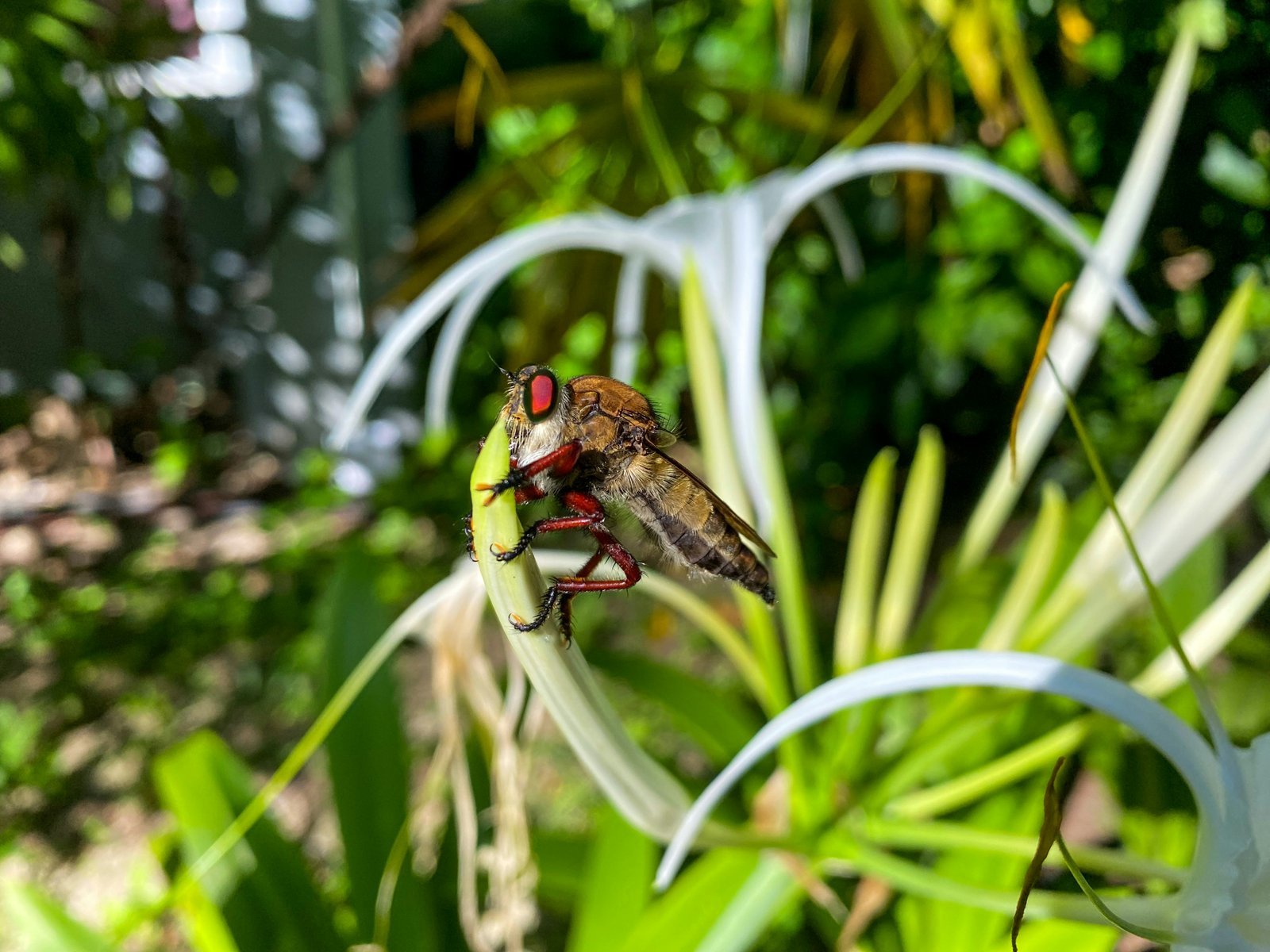
Fungus gnats are small, dark-winged insects that belong to the family Sciaridae. These pests are typically around 1/8 inch in length and have a slender body adorned with long legs and delicate, transparent wings. Their larvae, which are often the culprits behind the damage, are small, white, and worm-like, feeding on decaying organic matter and the roots of plants. Understanding the anatomy and behavior of fungus gnats is essential for effective management, particularly for those who enjoy indoor gardening or nurturing houseplants.
The life cycle of fungus gnats involves four stages: egg, larva, pupa, and adult. The adult female lays her eggs in moist, organic-rich soil, where they hatch into larvae. The larval stage, which lasts around two weeks, is critical for plant owners, as these pests can cause significant damage while feeding on roots and organic material. After the larval stage, the larvae pupate and eventually emerge as adults to begin the cycle anew, making it possible for a small infestation to rapidly escalate.
Fungus gnats thrive in environments that are consistently moist, such as indoor plant pots and poorly drained garden soils. These conditions provide the perfect breeding ground for both the larvae and adult flies. Their presence can quickly become a nuisance, especially when they swarm around potted plants or infest houseplants, leading to frustration for gardeners. Not only do fungus gnats pose a threat to the health of plants by damaging roots, but they also can be a source of embarrassment and annoyance in domestic settings.
Acknowledging the characteristics and life cycle of fungus gnats is the first step in effectively managing these pests. By understanding their environment and behavior, plant owners can implement strategies to control and eliminate fungus gnat populations, thus ensuring the health and vitality of their plants.
Signs and Symptoms of Fungus Gnat Infestation
Fungus gnats, which are small flying insects often found in houseplants, can be a nuisance for indoor gardens. Identifying the signs of a fungus gnat infestation is critical for taking early preventive steps. One of the most noticeable symptoms of an infestation is the presence of adult gnats flying around plants, primarily during the evening hours when they are more active.
In addition to observing flying adult gnats, the larvae stage of the fungus gnat can also indicate an infestation. These larvae are typically colorless or off-white and live in the upper layer of the soil. They feed on organic material and can damage plant roots, which may lead to further complications such as stunted growth or wilting. Checking the top inch of the soil can reveal the larvae that often thrive in damp environments.
Another significant sign of a fungus gnat problem is the damage they inflict on plants. The symptoms may manifest as yellowing of leaves, wilting, or slowed growth. As the larvae consume small roots, plants may struggle to take up the necessary water and nutrients, affecting their overall health. Infested plants may also exhibit a generally unhealthy appearance, which can be alarming for any gardener.
The combination of observing adult gnats flying around, the discovery of larvae in the soil, and noticeable plant damage are all key indicators of a fungus gnat infestation. By being vigilant and recognizing these signs early, gardeners can implement appropriate measures to address and manage the problem effectively.
Understanding Their Habitat: Why Fungus Gnats Love Indoor Plants
Fungus gnats are small flying insects that thrive in specific conditions, particularly in indoor environments where moisture levels are elevated. These pests are typically associated with household plants, as they are drawn to the damp conditions that often accompany soil moisture. The life cycle of a fungus gnat includes laying eggs in the top layer of moist soil, making potted plants particularly susceptible.
One of the most significant factors contributing to a fungus gnat infestation is the choice of potting mix. Many potting soils retain moisture better than others, providing an ideal habitat for the larvae to develop. Soils rich in organic matter, such as peat-based mixes, tend to hold water longer, making them attractive to both gnats and the algae they feed on. By selecting low-fertility, well-draining potting soils, plant owners can significantly reduce the likelihood of supporting a fungus gnat population.
Moreover, the typical indoor environment often promotes the conditions favored by these gnats. Factors such as insufficient airflow, high humidity levels, and excessive watering contribute to an optimal breeding ground. Indoor plants frequently require regular watering, which, if not managed carefully, can result in the soil remaining unnaturally wet for extended periods. It is advisable for indoor gardeners to be mindful of their watering habits and ensure that the top inch of soil dries out between waterings, thereby disrupting the lifecycle of fungus gnats. Additionally, increasing airflow around plants can help diminish humidity levels, making the environment less hospitable for these pests.
By understanding these habitat preferences of fungus gnats, plant owners can take proactive measures to create an environment that deters these pests, ultimately fostering healthier indoor plants and reducing the chance of infestations.
Natural Solutions to Get Rid of Fungus Gnats
Fungus gnats are a common nuisance for indoor gardeners and can be particularly harmful to young plants. To tackle this issue effectively, it is essential to consider various natural solutions that are both eco-friendly and sustainable. This approach not only minimizes chemical use but also promotes a healthy growing environment.
One of the most effective natural strategies for controlling fungus gnats involves the use of beneficial nematodes. These microscopic worms specifically target fungus gnat larvae in the soil, providing a biological control method that is safe for plants and other beneficial organisms. When applied to the soil, beneficial nematodes actively seek out and infest the larvae, thereby disrupting their lifecycle effectively.
Another viable option is the application of insecticidal soaps, which work by suffocating soft-bodied insects, including fungus gnats. These soaps can be made from natural plant oils and are safe to use on a variety of plants. It is advisable to apply the soap directly to the adult gnats and affected areas of the soil to minimize their population and inhibit future infestations.
Home remedies like neem oil are also highly regarded for their effectiveness against fungus gnats. Derived from the seeds of the neem tree, neem oil acts as a natural insect repellent and disrupts the reproductive cycle of gnats. Diluting neem oil with water and applying it as a spray can significantly reduce both adult and larval populations.
Additionally, using cinnamon as a natural remedy has garnered attention for its antifungal properties. Sprinkling a thin layer of cinnamon powder on the soil not only deters fungus gnats but also helps in keeping fungal growth at bay. The natural compounds in cinnamon interfere with the gnats’ ability to thrive, making it an effective barrier against infestations.
Preventing Future Infestations
To effectively prevent future infestations of fungus gnats, several proactive measures can be implemented. First and foremost, managing watering techniques is crucial. Overwatering is a leading cause of damp environments, which are conducive to fungus gnat breeding. Ensure that the topsoil dries out between watering sessions, as this limits the moisture available for larvae to thrive. Utilizing techniques such as bottom watering can also help control moisture levels, allowing plants to absorb water without saturating the upper soil layer.
Soil management plays a significant role in deterring these pests. Consider using a sterile potting mix that is less likely to contain gnat eggs or larvae. Additionally, amending the soil with materials such as perlite or sand not only helps improve drainage but also creates an environment that is less favorable for fungus gnats. Regularly refreshing the top layer of soil by replacing it with fresh, clean media can also disrupt the lifecycle of these pests.
Maintaining cleanliness within and around your planting areas is another effective strategy to prevent infestations. Remove any decaying or dead plant material, as these can attract gnats. Regularly sweeping and cleaning areas where plants are kept can help eliminate potential breeding grounds. Furthermore, consistently monitoring plants for early signs of gnats, such as flying adults or larvae in the soil, can lead to swift action before populations grow significantly. By implementing these preventive measures, the likelihood of fungus gnat infestations can be greatly reduced, creating a healthier environment for your plants.
Homemade Traps for Fungus Gnats
Fungus gnats, often unwelcome in households and gardens, can be controlled effectively through the use of homemade traps. These traps aim to catch adult gnats, thus interrupting their reproductive cycle and reducing their population. Here are a few simple methods to create effective traps using easily accessible materials.
One popular method involves utilizing apple cider vinegar, a substance that attracts gnats. To create an apple cider vinegar trap, begin by taking a small bowl or a glass jar. Pour approximately one inch of apple cider vinegar into the vessel, leaving some space at the top. To enhance the trap’s efficacy, you can cover the opening of the jar with plastic wrap and secure it with a rubber band. Make small holes in the plastic wrap, large enough for gnats to enter but not too big that they can easily escape. Place this trap in areas where you’ve noticed gnat activity, such as near plants or damp soil.
Another effective method is the yellow sticky trap. These traps are particularly appealing to fungus gnats due to their color and adhesive properties. To create a homemade version, cut a piece of yellow cardboard or construction paper into smaller sizes. Apply a layer of a strong adhesive, such as petroleum jelly or corn syrup, on the surface of the yellow material. Hang these sticky traps near affected plants or place them on the soil surface to catch adult gnats as they land. The yellow color will draw them in, while the sticky surface will ensnare them, making this method a highly efficient option.
In addition to these traps, ensure to maintain proper watering practices in your plant care routine, as overwatering can exacerbate fungus gnat infestations. By employing these homemade traps and adopting vigilant plant care techniques, you can effectively manage and control fungus gnats in a natural manner.
When to Call in Professionals
Dealing with fungus gnats can be a challenge, especially when these pests invade your indoor plants or garden. While many homeowners prefer natural solutions for pest control, there are circumstances that may necessitate the intervention of pest control professionals. Recognizing the signs of a severe infestation is crucial in determining whether to seek expert help.
If you notice a significant increase in the number of fungus gnats, it may be an indication that the infestation has surpassed manageable levels. Adult gnats can be found flying around plants, and their larvae may be visible in the soil, feeding on organic matter and roots. A simple sticky trap may not suffice in such cases, as this approach primarily targets only adult gnats.
Another sign that it’s time to call in professionals is when natural remedies, such as diatomaceous earth, beneficial nematodes, or homemade sprays, fail to provide satisfactory results. These methods can be effective for minor infestations but may not address a larger, more entrenched problem. A pest control service has the experience and tools necessary to assess the situation effectively and implement a comprehensive treatment plan.
Furthermore, if your plants are showing signs of distress—such as yellowing leaves or stunted growth—it may indicate that the fungus gnats have severely compromised their health. In such scenarios, a quick expert assessment can prevent further damage and help restore your plants to health.
Ultimately, knowing when to call in professionals is key to effectively managing fungus gnats. While natural solutions are beneficial, there are instances where expert intervention becomes necessary to regain control of the situation and protect your valuable plants.
Success Stories: Natural Solutions that Work
Many gardeners and plant enthusiasts have successfully tackled the issue of fungus gnats through various natural methods. These anecdotal accounts serve as a testament to the effectiveness of organic strategies in pest control. One such success story comes from Jane, a passionate indoor gardener who struggled with a persistent fungus gnat problem. After researching natural remedies, she decided to try a combination of diatomaceous earth and beneficial nematodes. Within weeks, Jane noticed a significant decline in the gnat population, which was an encouraging turning point in her gardening experience.
Similarly, Mike, who runs a small plant nursery, shared his journey of managing fungus gnats without chemically harsh solutions. He employed a simple yet effective strategy of allowing the top inch of soil to dry out between watering sessions. This method not only reduced moisture in the soil, which gnats thrive on, but also improved the overall health of his plants. The shift in his watering routine, combined with the use of yellow sticky traps, led to a remarkable reduction in gnat sightings.
Another gardener, Sarah, turned to a homemade garlic and soap solution. She blended garlic with water and applied it directly to the soil. This innovative approach deterred fungus gnats, demonstrating the potential of common kitchen ingredients as effective pest management. Sarah’s experience is a reminder of how ordinary items can become extraordinary solutions when used correctly.
Such stories highlight that natural solutions can be highly effective against fungus gnats, offering not only relief but also fostering a healthier growing environment. Encouraged by these real-life testimonials, many individuals are now more inclined to explore organic and natural methods to address their own fungus gnat challenges, contributing to more sustainable gardening practices.
Conclusion and Final Tips
In reviewing the challenges posed by fungus gnats, it becomes evident that utilizing natural solutions is not only an effective method of pest control, but it is also beneficial for maintaining the overall health of plants. These little pests can hinder plant growth and introduce disease, making it essential for gardeners to adopt proactive measures. By employing natural solutions such as beneficial nematodes, handmade sticky traps, or organic insecticides, plant owners can effectively manage fungus gnat infestations while safeguarding the environment.
To further enhance your efforts in keeping your plants healthy and gnat-free, consider the following actionable tips. First, ensure proper watering practices; over-watering creates damp conditions conducive to fungus gnat breeding. It is advisable to allow the soil surface to dry out between watering sessions, as this will deter these pests. Furthermore, maintaining clean gardening practices is crucial. Regularly removing decaying plant matter and debris from pots and trays can minimize breeding grounds.
Another effective tip is to incorporate organic matter into the soil. Utilizing materials such as perlite or sand can improve soil aeration and drainage, thus making it less inviting for fungus gnats to thrive. Additionally, placing plants in brighter areas can affect gnat habits positively since these pests prefer dark, moist environments.
Finally, be proactive in monitoring all plants regularly for any signs of pest activity. Early detection can facilitate timely intervention and prevent an infestation from escalating. By implementing these strategies, readers can maintain healthy plants and enjoy flourishing indoor and outdoor gardens free of fungus gnats.