
Introduction to Miniature Libraries
Miniature libraries, often dubbed book nooks, are charming, small-scale representations of libraries or bookshops designed for decorative purposes. These intricate creations offer a unique way to celebrate book culture and enhance the aesthetic appeal of personal spaces. As trends in interior design evolve, miniature libraries have gained popularity not only as collectible art pieces but also as thoughtful gifts for literary enthusiasts.
The concept of miniature libraries can be traced back to the desire to bring the magic of reading and learning into everyday environments. Many who create these delightful structures are inspired by real-life architecture, drawing from iconic libraries around the globe. The intricate details employed in crafting book nooks often reflect the same commitment to artistry found in larger libraries. This combination of creativity and cultural homage is one reason why many people find joy in assembling their own miniature libraries.
Furthermore, the appeal of miniature libraries extends beyond their visual charm. Engaging in the construction of these charming figures allows individuals to express their love for literature and creativity. Many crafters find it rewarding to personalize their book nooks, incorporating favorite quotes, beloved book covers, or even whimsical elements that resonate with their literary tastes. This practice not only fosters a sense of community among book lovers but also encourages a broader appreciation for the literary arts. As such, miniature libraries serve as both a conversation starter and a heartwarming reminder of the world of stories.
In summary, miniature libraries, or book nooks, are much more than mere decorative items; they represent a celebration of literature and creativity that resonates with many. Their growing popularity underscores a collective appreciation for books and the stories they hold, while providing a delightful way to infuse personal spaces with the magic of reading.
Choosing Your Concept and Theme
When embarking on the creation of a miniature library, the concept and theme serve as the foundation that shapes the project. Selecting a theme that resonates personally will not only enhance the aesthetic appeal of your library but will also provide an intimate space that reflects your preferences and interests. Start by considering various potential themes that inspire you; cozy reading nooks, enchanting fantasy worlds, or vibrant urban landscapes are just a few ideas that can guide your vision.
A cozy nook can be characterized by warm lighting, comfortable furnishings, and an atmosphere that invites relaxation. This type of setting reminds viewers of the joy of curling up with a book and enjoying a reprieve from the outside world. Integrating elements like plush chairs or miniature bookshelves can further enhance this inviting ambiance.
Alternatively, a fantasy-themed miniature library can transport you to worlds beyond imagination. Drawing inspiration from beloved novels, such as fairy tales or epic adventures, allows for creative freedom in selecting characters and scenery that evoke a sense of wonder. You might incorporate whimsical details like tiny fairies or mythical creatures, enriching the narrative behind your bookshelf.
Urban landscapes can also provide a modern and dynamic backdrop for your miniature library. Urban themes can reflect real-life cityscapes, offering a contemporary twist with elements like miniature cafes, art installations, or urban parks. This setting not only celebrates the richness of city life but also appeals to those who cherish the energy and diversity of urban environments.
Overall, the key to a successful miniature library lies in choosing a theme that aligns with your passions. Drawing inspiration from your favorite books or personal experiences will ensure that your creative expression shines through, making your literary escape a truly personal treasure for years to come.
Creating a miniature library is a delightful project that can be tackled by enthusiasts of all ages. To effectively bring your vision to life, it is essential to gather the necessary materials and tools. This section will outline a comprehensive list to help you get started on your miniature library journey.
Basic Supplies
At the foundation of any miniature project are basic supplies, which typically include cardboard, scissors, and glue. Cardboard serves as an excellent base to construct the walls, floor, and ceiling of your library. It is advisable to choose sturdy cardboard to ensure the lasting quality of your miniature. For joining pieces together, a strong adhesive like white glue or hot glue is highly recommended due to its durability.
Decorative Elements
Once you have your basic structure in place, consider adding decorative elements to enhance the visual appeal of your miniature library. This could consist of miniature books, which can be made from paper or purchased from craft stores. Additionally, tiny furniture pieces such as chairs, tables, and bookshelves can add authenticity to your project. These items can be found at craft shops or online retailers specializing in dollhouse miniatures.
Specialized Tools
In addition to basic materials, specialized tools can greatly aid the construction of your miniature library. A craft knife can offer precision in cutting intricate details or shapes, while a cutting mat can protect your work surface. Other useful tools may include paintbrushes for applying color and finishes, a ruler for measuring dimensions accurately, and a small paint palette for mixing colors.
Lighting and Effects
If you wish to create a cozy ambiance in your miniature library, consider incorporating miniature lighting options, such as LED lights. These can bring life to your project and help create a warm atmosphere. Remember to have batteries or a power source ready if you decide to go this route.
Gathering these essential materials and tools will set you on the right path towards creating a captivating miniature library. With careful planning and creativity, your book nook will surely become a cherished space of imagination and learning.
Creating the Structure: Basic Framework
Building a miniature library begins with a well-constructed framework that serves as the backbone of your project. To start, gather your materials, which may include cardboard, wood, or other lightweight materials that are easy to manipulate. Depending on your preference and the intended durability, cardboard is often a popular choice due to its accessibility and ease of cutting.
Once you have selected your material, outline the dimensions of your miniature library. Using a ruler and pencil, mark out the shapes on the material before cutting. If you are using cardboard, a sharp craft knife will provide a cleaner edge. For wood, a saw will be necessary, and it is advisable to wear protective gear. Take your time cutting to ensure that all pieces are precise and uniform, as this will significantly affect the final stability of the structure.
After cutting your pieces, the next step is to assemble them. For cardboard, glue is an effective method of attachment, while wood may require nails or screws for added sturdiness. Be sure to apply an even distribution of adhesive or ensure that the screws are placed securely to maintain the integrity of the structure. As you assemble, always check for alignment and stability; this can be done by placing the framework on a flat surface and adjusting as necessary.
Finally, consider the visual appeal of your miniature library. You may want to sand any rough edges of wood or cover cardboard with decorative paper or paint to enhance its aesthetic. Not only does this make the structure appealing, but it also protects it from wear and tear. By following these steps and ensuring that your framework is both stable and visually interesting, you will have a solid foundation for your miniature library project.
Decorating Your Miniature Library
Creating a visually appealing miniature library requires careful consideration of various decoration techniques that bring the space to life. One of the first aspects to consider is the color scheme. A cohesive palette can enhance the overall ambiance, allowing the library to evoke feelings of warmth and comfort. Classic colors like deep burgundy, navy blue, or soft greens can create a relaxing atmosphere, while brighter hues can add a playful touch.
Painting is a straightforward yet impactful method to transform the interior of your book nook. Using high-quality, non-toxic paints ensures a smooth finish, which is especially important for the surfaces of miniatures. Alternatively, wallpapering can introduce texture and intricate patterns into the space. Many miniature enthusiasts opt for scaled-down wallpaper designed specifically for dollhouses, featuring designs from floral motifs to classic stripes.
Intricate details further enhance the charm of a miniature library. Consider adding elements such as wooden shelves, decorative moldings, or small light fixtures to illuminate the collection. Incorporating these elements can draw attention to key features and create a focal point within the library. Additionally, the inclusion of personal touches is crucial. Miniature books, custom knick-knacks, or themed décor reflecting personal interests can make the space uniquely yours.
Utilizing miniatures such as tiny reading chairs, small rugs, or even a little ladder can add depth to your library’s design. Each addition can narrate a story or create a specific theme that resonates with your personality. Thus, whether your aim is to emulate a classic library feel or to create a whimsical nook, these decoration techniques will ensure your miniature library stands out as a charming retreat for book lovers.
Enhancing Atmosphere with Lighting
When constructing a miniature library, the use of appropriate lighting can dramatically alter its ambiance and overall aesthetic quality. Creating a warm, inviting atmosphere is essential for making the miniature space feel lived-in and enchanting. One popular choice for such projects is LED lighting, which is energy-efficient and comes in various color temperatures, allowing for customization according to the desired mood. Warm white LEDs can emulate the cozy glow of a traditional library, perfect for curling up with a good book.
Additionally, fairy lights can be a delightful addition to your miniature library. Stringing these small lights along bookshelves or across the ceiling can produce a whimsical effect that invites curiosity. Fairy lights are available in different colors and styles, and they can easily be hidden within the design, creating a magical quality that complements the miniature environment. Incorporating battery-operated options ensures that the layout remains clean and free from visible cords.
For a more vintage feel, miniature candles can be used either as actual light sources or decorative accents. LED candles that mimic the soft flicker of a real flame enhance the realism while providing safety in a small space. Positioning these candles on tables or within bookshelves adds layers of light, depth, and a sense of nostalgia that enhances the narrative potential of your library.
In addition to the type of lighting employed, consider varying the intensity and distribution of light throughout the space. Utilizing a combination of overhead lighting and accent lights can create visual interest, guiding the viewer’s eye to key focal points within your miniature library. By thoughtfully layering these elements, you can ensure that each corner of your project contributes to an immersive, inviting atmosphere.
Incorporating Book Elements
Creating a miniature library that sparks joy and imagination hinges not only on the physical structure but also on the inclusion of thoughtful book elements. Miniature books, scrolls, or other literary references can greatly enhance the visual appeal and thematic integrity of your book nook. Here, we explore various techniques for making these elements and incorporating them into your library.
One creative method to craft miniature books from scratch involves using materials such as cardstock or thick paper. To begin, cut your chosen paper into uniform rectangles that serve as the pages. You can use five to six sheets for an authentic look. Once the pages are aligned, bind them together using a simple stitch along one edge or by applying glue. For a more polished finish, consider creating a cover from colored paper or fabric, which can be adorned with titles or illustrations.
For readers who prefer digital solutions, printing small texts is another alternate. Utilize graphic design software to create book covers and layout templates, then scale down pages to the desired size. Printing these designs on heavier paper can provide an authentic book feel while maintaining readability. Additionally, consider sourcing images of classic book covers or literary works, which can be printed and folded into miniature form.
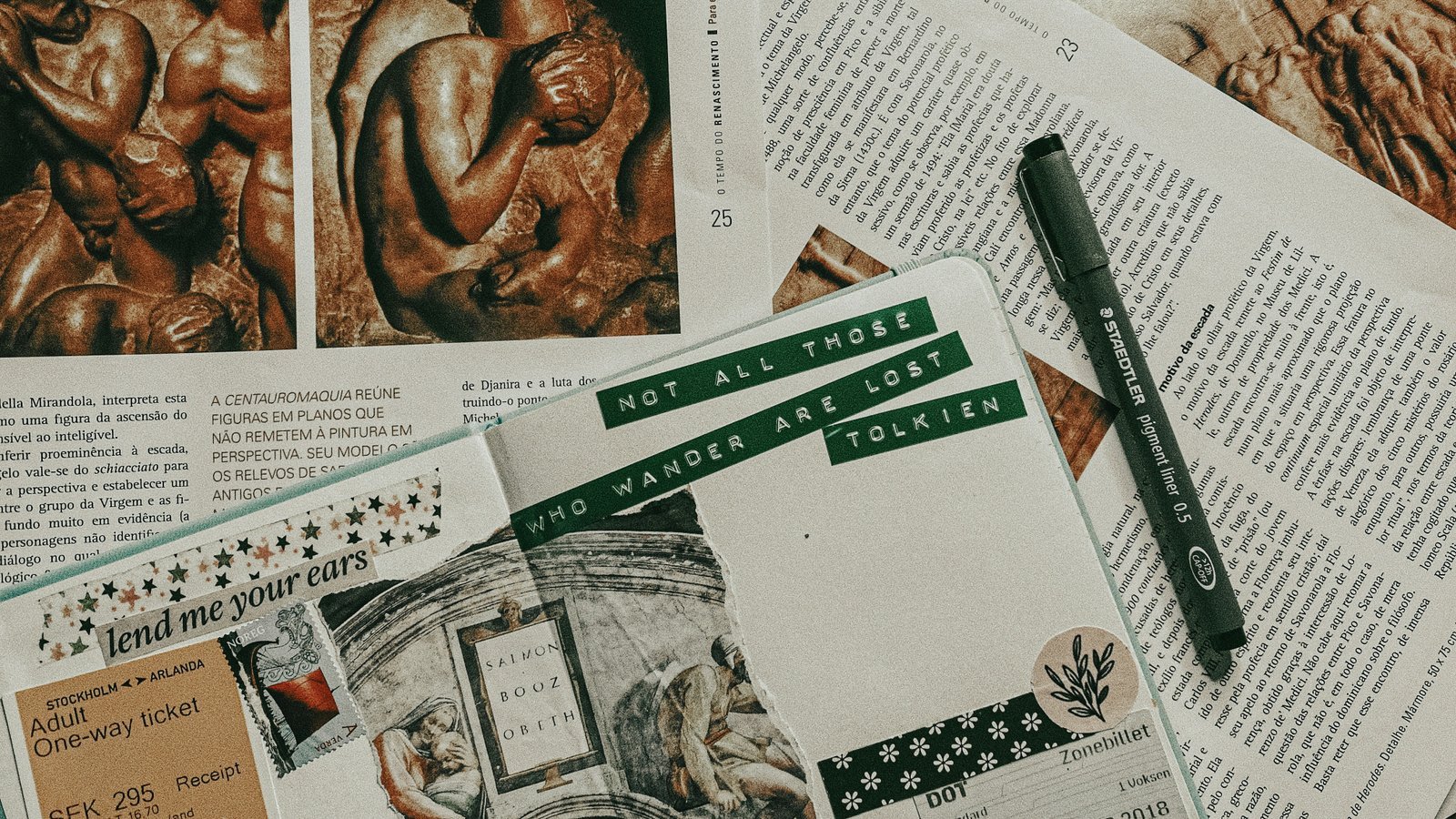
To further personalize your library, incorporate quotes or inspirational elements that resonate with you. These could be printed on small cards or even handwritten on decorative paper, allowing you to display words from your favorite authors or poems within the nook. Combining these visual elements creates a literary atmosphere that honors the written word and invites viewers to explore the delightful world nestled within your miniature library.
Displaying Your Miniature Library
Once you have crafted your miniature library, the next step is to display it in a manner that highlights its intricate details and showcases your commitment to this artistic endeavor. The way you choose to display your book nook can significantly influence its visual impact within your home. Various options are available, allowing you to consider what best fits your space and aesthetic preferences.
One popular display method is to utilize shelves, which can vary in design from floating shelves to more traditional bookcases. A floating shelf allows the miniature library to appear as if it is suspended in mid-air, creating a modern and clean look. Arrange the books and decorative items in a thoughtfully composed manner to maintain visual interest and balance. If you opt for a more conventional bookcase, consider placing your mini library at eye level for optimal viewing. This arrangement encourages viewers to appreciate the craftsmanship and detail that went into its creation.
For those seeking a more protected environment, glass cases can provide an elegant solution. Displaying your miniature library in a glass case not only protects it from dust and potential damage but also enhances the overall presentation. The transparency of the glass can create a museum-like atmosphere that emphasizes the artistry of your creation. Additionally, incorporating lighting within the case can illuminate your miniature library, drawing attention to its captivating features.
Incorporating the miniature library into existing home décor can be another effective strategy. Consider placing it near other books or decorative items that complement its aesthetic. For example, surrounding your book nook with related literary décor or thematic elements can create a cohesive look that enriches the overall environment. Proper placement – whether on a desk, in a reading nook, or as part of a larger display wall – can further enhance the viewing experience, making it an enjoyable centerpiece in any room.
Conclusion and Inspiration for Future Projects
Creating a miniature library is not merely a craft project; it is a journey into a world where imagination and craftsmanship converge. As you finish your book nook, take a moment to appreciate the intricate details, the architecture of your design, and the stories that reside within its carefully arranged shelves. The process of constructing a miniature library can be as fulfilling as the final result, stimulating creativity and fostering a love for storytelling and decoration.
As you reflect on your completed project, consider the many pathways for future endeavors. You may find inspiration in constructing different types of book nooks, such as a cozy reading corner set in a garden, or a grand library scene reminiscent of classic literature. Perhaps you could explore themed miniature libraries, such as a space dedicated to science fiction or vintage classics. Each new project can serve as an opportunity to learn new techniques, experiment with various materials, or even integrate technology to enhance the interactive aspects of your creations.
Engaging with a community of miniature builders can amplify your creative journey. Online platforms and social media groups dedicated to miniature crafting can provide a supportive environment. Sharing your work, receiving feedback, and collaborating with fellow enthusiasts will not only sustain your inspiration but may also introduce you to new ideas and techniques. Websites and forums often showcase diverse projects, ranging from unique book nook setups to entire miniature villages, which can help you envision the possibilities awaiting your next creation.
In conclusion, building a miniature library opens up a panorama of creative opportunities. By embracing your imagination and fostering connections with like-minded individuals, you can continue to explore the enchanting world of miniatures and perhaps inspire others along the way.