
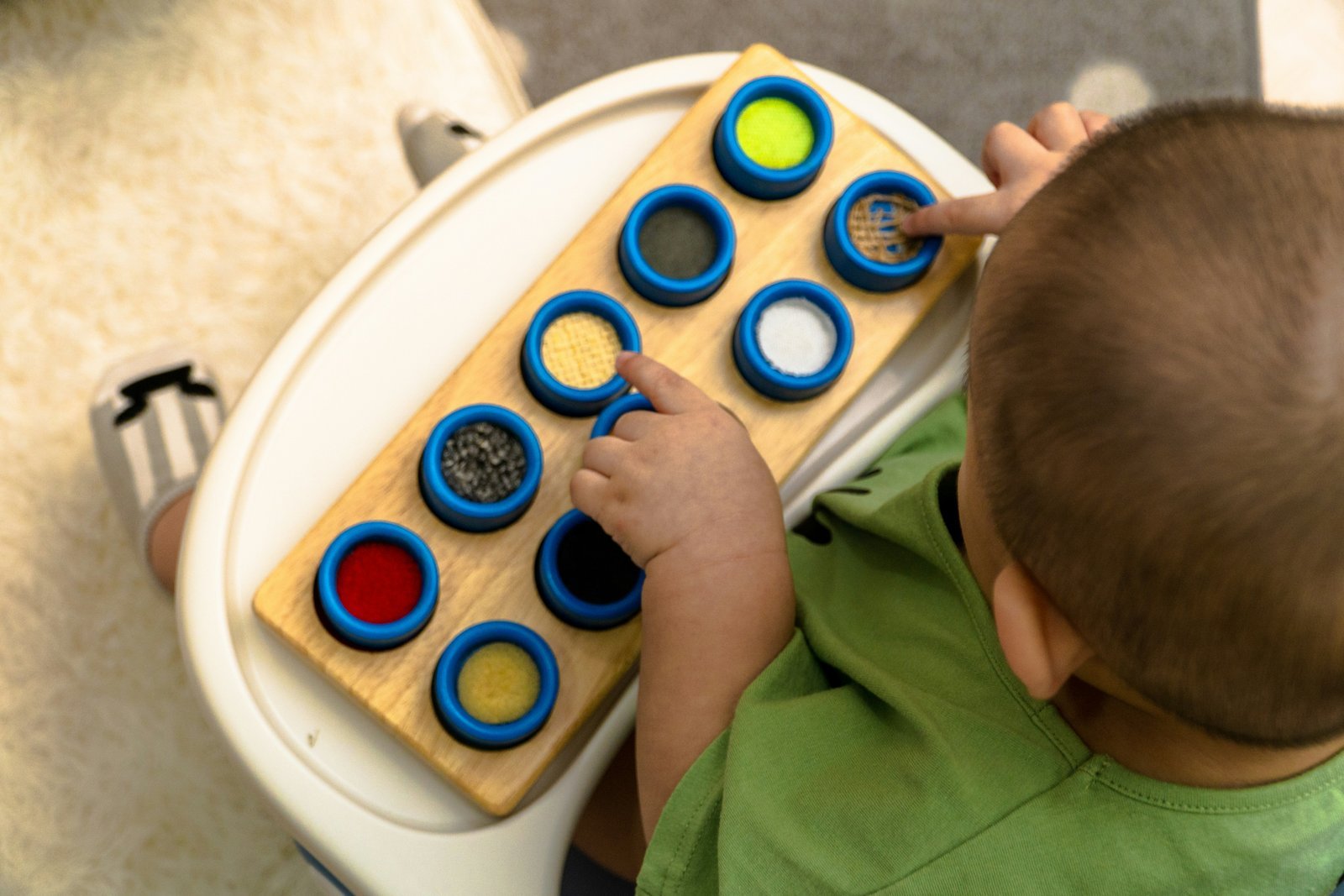

Introduction to Sensory Play
Sensory play refers to play that engages a child’s senses: touch, smell, sight, sound, and taste. This type of play is particularly important for children with autism, as it provides them with the opportunity to explore the world through various sensory experiences. These activities can significantly aid in the development of motor skills, emotional regulation, and sensory processing, which are often areas of difficulty for children on the autism spectrum.
Engaging in sensory play allows children to express themselves in non-verbal ways, which can be vital for those who may struggle with communication. Through materials ranging from water and sand to textured toys and sound-making items, children can explore their environments, experiment with materials, and engage their imaginative skills. This exploration is crucial as it not only fosters creativity but also serves to enhance cognitive skills.
Sensory play differs from traditional play in that it is less structured and more focused on the sensory experience rather than achieving a specific outcome. While traditional play may involve games with set rules and objectives, sensory activities encourage open-ended exploration and discovery, which is especially beneficial for children who thrive on routine and may feel overwhelmed by conventional forms of play. By introducing various sensory experiences through low-pressure activities, caregivers can support autistic children in honing their fine and gross motor skills.
Incorporating sensory play into daily routines can lead to significant benefits for autistic children, allowing them to develop essential skills in a safe and engaging manner. This approach to play supports their overall growth and enhances their quality of life by providing tools to navigate their environment more effectively.
Understanding the Needs of Autistic Children
Autistic children often experience the world differently from their neurotypical peers, particularly when it comes to their sensory processing abilities. Many autistic individuals exhibit a range of sensory sensitivities, which can be classified as either hyper-sensitivity or hypo-sensitivity. Hyper-sensitivity occurs when a child experiences intense reactions to sensory stimuli, such as loud noises, bright lights, or certain textures. Conversely, hypo-sensitivity is characterized by reduced sensitivity, where a child may seek out more intense sensory experiences due to a diminished response to common stimuli.
The presence of these sensory preferences can have a profound impact on the daily experiences of autistic children. For example, a child who is hyper-sensitive might become overwhelmed in noisy environments, making it difficult for them to engage or learn effectively. On the other hand, a hypo-sensitive child may struggle to gauge appropriate levels of interaction and could inadvertently hurt themselves or others while seeking out stimulation. Understanding these unique sensory needs is essential for caregivers and educators who aim to create an accommodating atmosphere that facilitates learning and personal growth.
One effective approach to addressing the sensory requirements of autistic children is through sensory play. This form of play involves providing activities that stimulate the senses at a manageable level, allowing children to explore and engage with their environment positively. Sensory play can take many forms, such as using textured materials, water play, or engaging with different sounds and smells. These experiences not only help in fulfilling children’s sensory needs but also provide valuable opportunities for cognitive development, emotional regulation, and social interaction. Ultimately, sensory play plays a crucial role in assisting autistic children to navigate their sensory world while promoting a sense of well-being and fulfillment.
Benefits of Sensory Play
Sensory play offers numerous benefits for autistic children, positively impacting their development across various domains. Engaging in activities that stimulate the senses can significantly enhance communication skills. Through sensory experiences, children learn to express themselves verbally and non-verbally, as they become more attuned to their environments. For instance, when utilizing textured materials, children might describe their sensations, fostering language development and vocabulary expansion.
Additionally, sensory play is instrumental in improving focus and attention spans. Autistic children often face challenges related to concentration, but sensory activities can captivate their interest, encouraging longer periods of engagement. For example, simple tasks like pouring rice from one container to another not only provides a sensory experience but can also help enhance their ability to concentrate on repetitive tasks, gradually increasing their attention towards more complex activities.
Moreover, participating in sensory play supports social skills development. Social interactions are often facilitated through shared sensory experiences. Activities that involve group participation, such as playing with water or sand, provide opportunities for teamwork, sharing, and communication. These interactions can lead to improved peer relationships and enhanced emotional intelligence. Anecdotal evidence suggests that children who engage in joint sensory activities frequently display greater social proficiency, including initiating conversations and cooperative play.
Emotional regulation is another significant benefit of sensory play. For many autistic children, sensory play can serve as a calming tool, helping them to manage feelings of anxiety or overwhelm. Engaging in soothing activities, such as playing with kinetic sand or using fidget toys, may help children self-soothe and express their emotions more appropriately. The act of manipulating sensory materials can act as a distraction, allowing children to navigate their emotions more effectively.
Top Sensory Play Ideas for Home
Creating a sensory-rich environment at home can greatly benefit autistic children by encouraging exploration and facilitating learning through play. Below are some effective sensory play ideas that are simple to implement and require readily available materials.
Sensory Bins: Sensory bins provide an engaging way for children to explore various textures and materials. Create a sensory bin by using a large container filled with items such as rice, dried beans, or oatmeal. To enhance the experience, consider adding small toys, measuring cups, or scoops. Supervise the play to ensure that no small items are ingested and encourage children to describe the textures they encounter.
Water Play: Water play can be both calming and stimulating. Fill a shallow basin or plastic tub with water and incorporate cups, sponges, and floatable toys. This activity not only offers sensory engagement but also promotes fine motor skills. Ensure constant supervision to manage safety and prevent accidents, especially if the child is prone to slipping or if the water level is too deep.
Sand Play: If available, a sandbox can be an excellent source of sensory exploration. Use natural sand or kinetic sand, which is easier to clean and manipulate. Provide tools such as shovels, molds, and buckets for building and digging. As with other activities, supervision is important to monitor the child’s interactions and ensure proper behavior.
Art and Craft Activities: Provide options for sensory-friendly art projects, such as finger painting or using playdough. Choose non-toxic materials that encourage tactile engagement, and allow children to express their creativity freely. Set up a space that is easy to clean and prepare to manage any mess. Supervision during art creation is necessary to ensure safety while working with potentially messy materials.
Incorporating these sensory play activities into a child’s routine can promote engagement and support developmental skills. Always remember to prioritize safety and supervision while exploring the vast potential of sensory play at home.
Outdoor Sensory Activities
Outdoor sensory activities provide enriching experiences for autistic children, allowing them to explore and engage with their environment in meaningful ways. Nature walks present an excellent opportunity for sensory stimuli, where children can experience varied textures, sounds, and scents of the outdoor world. The gentle rustling of leaves, the chirping of birds, and the feel of grass beneath their feet can enhance sensory awareness, fostering curiosity and exploration.
Additionally, sandboxes can serve as a captivating sensory playground. The tactile experience of sand can be both soothing and stimulating, allowing children to build, sift, and shape with their hands. This not only encourages fine motor skills development but also promotes imaginative play. Enhancing the sandbox with assorted tools and toys can further engage children, offering them various texture experiences, from the smoothness of plastic toys to the gritty feel of the sand.
Playgrounds equipped with sensory elements also offer diverse outdoor play opportunities. Many modern playgrounds now incorporate sensory-rich features, such as textured paths for walking, musical instruments, and sensory panels. These installations support sensory integration and fine motor skill development while encouraging social interaction with peers. Engaging in outdoor play can enhance physical coordination and provide a natural platform for children to learn about sharing and cooperative play.
Moreover, the outdoors can be less distracting than indoor environments, allowing children with autism to focus more on sensory exploration. This connection with nature not only improves their sensory processing but also has been shown to reduce anxiety. Therefore, engaging in outdoor sensory activities can significantly benefit autistic children, as they stimulate a range of senses while promoting emotional well-being and social interactions.
DIY Sensory Play Materials
Creating sensory play materials at home is an engaging and cost-effective way to support the sensory needs of autistic children. Many sensory activities can be made using affordable or common household items, fostering creativity while catering to individual sensory preferences.
One popular DIY sensory material is homemade play dough. To create this, combine two cups of flour, one cup of salt, two tablespoons of cream of tartar, two tablespoons of vegetable oil, and two cups of water. Stir the mixture in a pot over medium heat until it forms a dough consistency, and then let it cool. Once cooled, children can add food coloring or different scents, such as vanilla or lavender, to stimulate their senses further.
Sensory bottles are another excellent DIY option. You can fill a clear plastic bottle with various materials, such as water, glitter, beads, or even small toys. Add a few drops of food coloring to make it visually appealing. Seal the bottle tightly to prevent spills, and encourage children to shake or roll it to watch the materials move, promoting visual and tactile exploration.
Slime is also a favorite among children for its unique texture. To make simple slime, mix one cup of school glue with one cup of water, and then slowly add a solution made of one teaspoon of borax dissolved in one cup of water. Stir until it forms a gooey consistency; children can customize their slime with food coloring or small foam balls. Ensure that you adhere to safety guidelines when crafting these materials, especially with younger children. Always supervise activities that involve small parts, and consider opting for non-toxic materials to prevent choking hazards.
Incorporating these DIY sensory play materials not only nurtures creativity but also promotes sensory exploration and can be adjusted easily to suit different sensory preferences. Inspiring children to participate in the creation of their sensory toys enhances their engagement and enjoyment.
Incorporating Sensory Play in Therapy
Incorporating sensory play into therapeutic practices for autistic children can significantly enhance their developmental progress and engagement during sessions. Occupational therapists play a pivotal role in this process, utilizing sensory activities that cater to the unique sensory processing needs of each child. By integrating sensory play into therapy, therapists can create an enriching environment that focuses on fostering communication, social skills, and emotional regulation.
One effective method involves tailoring sensory experiences to align with the child’s individual preferences and sensitivities. This may include the use of tactile materials such as sand, playdough, or water beads which are proven to facilitate sensory exploration. When children interact with these materials, they engage multiple senses, which helps to stimulate not only fine motor skills but also cognitive functioning.
In addition, auditory and visual stimuli can be incorporated through sound toys and visually appealing objects. This approach allows children to explore their senses in a controlled manner, helping them to overcome anxiety and sensory overload which are often challenging for autistic individuals. Therapists can gradually introduce new sensory activities to ensure the child feels comfortable and supported during the process.
Moreover, structured sensory play activities can be linked to specific therapeutic goals. For instance, social interaction can be encouraged through group sensory play where children learn to share materials and communicate with peers. This aspect of therapy promotes vital social skills in a natural and enjoyable way.
Ultimately, the integration of sensory play into occupational therapy not only aids in therapeutic success but also enhances the enjoyment of learning for autistic children. The combination of play and therapy plays a crucial role in developing essential life skills that support their overall well-being.
Tips for Facilitating Effective Sensory Play
Facilitating sensory play for autistic children can significantly enhance their developmental skills and overall well-being. One of the most crucial steps is to create a calming environment that is conducive to exploration and engagement. Consider choosing a designated space that minimizes distractions, ensuring that the area is safe and comfortable. A quiet room with soft lighting and minimal visual clutter can help children focus on the sensory activities without feeling overwhelmed.
It is also important for parents and caregivers to observe the child’s reactions during sensory play. Each child has unique preferences and tolerances; hence, carefully watching their responses can provide valuable insights. By paying close attention to how they interact with different materials or activities, caregivers can adjust the sensory tools accordingly. If a child shows signs of distress or disinterest, it may be beneficial to switch to a different activity or modify the current one to suit their comfort level.
Providing opportunities for both structured and unstructured sensory play is key to fostering a child’s creativity and independence. Structured play might include following specific activities or instructions, such as building a sensory bin with particular items. In contrast, unstructured play encourages children to explore materials freely, promoting self-discovery and imagination. Balancing the two types of play allows children to thrive while developing critical skills in problem-solving and emotional regulation.
Lastly, consistency is essential when facilitating sensory play. Regularly incorporating sensory activities into a child’s routine can build familiarity and establish a safe, enjoyable learning experience. By following these practical tips, parents and caregivers can effectively support autistic children in reaping the full benefits of sensory play.
Conclusion and Further Resources
In conclusion, sensory play offers a multitude of benefits for children with autism, helping them develop essential skills such as fine motor coordination, social interaction, and emotional regulation. Throughout this blog post, we have explored various sensory play ideas, including tactile experiences with different materials, visual activities that stimulate engagement, and auditory games that foster communication. Each of these activities can be tailored to meet the unique needs and preferences of autistic children, promoting both enjoyment and developmental progress.
It is important to recognize that the effectiveness of sensory play may vary from one child to another. Therefore, experimentation is key. Parents and caregivers are encouraged to try different sensory activities and observe how their child responds. These observations can inform future play sessions, ensuring that each child gets the most out of their sensory play experiences. Remember that the ultimate goal is to create an enjoyable and supportive environment that fosters learning and growth.
For those seeking additional resources on sensory play and autism, a variety of websites and organizations can provide further support. Organizations such as the Autism Society and the National Autistic Society offer valuable information on effective strategies and activities tailored to autistic children. Furthermore, many local community centers or educational institutions may host workshops or informational sessions focusing on sensory integration techniques.
Encouragingly, sensory play does not have to be a solitary endeavor. Families can also engage in sensory activities together, strengthening their bond while supporting the child’s development. As the journey through sensory play continues, it is vital for caregivers to remain adaptable, patient, and persistent, aiming for progress at each stage of their child’s development.