
Introduction to Zero-Waste Living
Zero-waste living is an evolving lifestyle choice that focuses on reducing waste and promoting sustainability. This philosophy encourages individuals to rethink their consumption patterns and find ways to minimize their environmental impact. The basic premise of zero-waste living is to refuse, reduce, reuse, recycle, and rot. By adhering to these principles, one can significantly diminish the amount of waste produced in daily life, leading to a healthier planet and a more mindful existence.
In recent years, there has been a surge of interest in environmentally friendly practices, with zero-waste living at the forefront of this movement. As public awareness regarding climate change and pollution grows, more individuals are seeking alternatives to common practices that contribute to waste generation. This shift in mindset aligns perfectly with sustainable living, which emphasizes a holistic approach to caring for the environment.
One effective way to support zero-waste goals is by utilizing reusable products, such as dishcloths, instead of relying on single-use items. Disposable paper towels and plastic scrubbers contribute significantly to landfill waste, often taking years to decompose. In contrast, reusable dishcloths offer a sustainable solution that can be washed and used multiple times, thus considerably reducing waste production.
Moreover, the creation of homemade dishcloths through crochet not only supports zero-waste living but also provides an avenue for creativity and personalization. By choosing the materials for crafting these dishcloths, individuals can select eco-friendly fibers that align with their commitment to sustainability. Embracing such practices enhances the overall quality of life while actively participating in the fight against environmental degradation.
Benefits of Crochet Dishcloths
Crochet dishcloths represent an excellent alternative to traditional cleaning products, offering numerous advantages that align with contemporary sustainability efforts. One of the primary benefits of using crochet dishcloths is their sustainability. Unlike disposable paper towels and synthetic sponges, crochet dishcloths are reusable and made from natural materials, significantly reducing household waste. By opting for a crochet dishcloth, consumers contribute to environmental conservation while enjoying an effective cleaning solution.
In addition to their eco-friendly nature, crochet dishcloths are notably durable. Made from resilient fibers such as cotton, these dishcloths can withstand multiple wash cycles without losing their shape or effectiveness. This longevity provides excellent value for money, as a single dishcloth can serve its purpose for years when maintained properly. Furthermore, the durability of crochet dishcloths helps reduce the environmental impact associated with the production of disposable cleaning products.
Another significant advantage lies in their versatility. Crochet dishcloths can be utilized in various cleaning tasks throughout the home, from scrubbing dishes to wiping countertops, making them a multifunctional tool for daily chores. Furthermore, these dishcloths can be customized in terms of color, pattern, and size, allowing individuals to express personal style while making practical home choices. This customization capability not only enhances the user experience but also makes crochet dishcloths appealing as thoughtful gifts.
By embracing crochet dishcloths, consumers not only invest in a practical cleaning tool but also champion the principles of sustainability and creativity. As households continue to seek environmentally responsible solutions, crochet dishcloths will undoubtedly gain popularity, providing a blend of efficiency, aesthetic appeal, and ecological consciousness.
Essential Materials for Crochet Dishcloths
Creating crochet dishcloths is not just a rewarding pursuit, but it also contributes to a sustainable lifestyle when using the right materials. The primary component in crafting these eco-friendly home essentials is the yarn. Opting for natural fibers is crucial, and two of the most popular choices are cotton and bamboo yarn. Cotton yarn is highly absorbent, durable, and biodegradable, making it an ideal candidate for dishcloths. Bamboo yarn, on the other hand, is soft, has antibacterial properties, and adds a unique texture to your project, aligning perfectly with the zero-waste theme.
When selecting yarn, consider choosing organic variations that are free from harmful chemicals and dyes. This not only enhances the dishcloth’s eco-friendliness but ensures safer use in the kitchen as well. Both yarns come in various weights, with worsted weight being the most commonly used for dishcloths, as it strikes a balance between thickness and ease of handling.
Another necessary item is the crochet hook. The size of the hook is typically determined by the yarn weight chosen; for worsted weight yarn, a size H (5.0 mm) hook is often recommended. Ensure your hook is made of sustainable materials, such as bamboo or aluminum, to further align with eco-conscious crafting practices. Additionally, you may want to have stitch markers, scissors, and a tapestry needle on hand to facilitate easy project management and finishing touches.
Equipped with these materials, you are ready to embark on your journey to create beautiful, durable, and environmentally friendly dishcloths that exemplify the principles of zero waste living. By using these sustainable materials, you contribute not only to a greener planet but also to the longevity and functionality of your kitchen tools.
Beginner-Friendly Crochet Patterns
For those new to the art of crochet, creating zero-waste dishcloths presents an excellent opportunity to learn and develop skills while producing practical items for everyday use. Below, we outline several beginner-friendly crochet patterns that require minimal experience and materials.
The first pattern to try is the classic single crochet dishcloth. This fundamental stitch forms the backbone of many crochet projects and is perfect for a novice. To create this dishcloth, you will need cotton yarn (which is highly absorbent) and a suitable crochet hook, typically a size H (5.0 mm). Start by making a slip knot and chaining 25 stitches. Then, work single crochet stitches into each chain stitch, continuing until you create a square shape of approximately 10 inches by 10 inches. This dishcloth not only teaches you the single crochet stitch but also provides a reliable item for scrubbing dishes.
Another excellent option is the double crochet dishcloth. This pattern adds a bit of texture and is slightly more advanced than the single crochet. To begin, chain 30 stitches, then in the fourth chain from the hook, proceed with a double crochet stitch. Continue with double crochet stitches across the row, and on each subsequent row, turn and chain three to begin. This pattern is particularly useful for creating thicker, denser cloths that can withstand heavier scrubbing tasks.
For visual support, many free online resources are available, including step-by-step videos and tutorials that guide you through each stitch. Additionally, always remember when starting crochet projects that tension is crucial. Keeping your stitches consistent will help ensure a professional finish to your dishcloths. Engaging with fellow crafters, either in person or through online forums, can also provide invaluable encouragement and additional tips. With these patterns, beginners can easily produce beautiful, functional dishcloths while embracing a sustainable lifestyle.
Intermediate Crochet Patterns
For those looking to elevate their crochet skills, intermediate patterns for zero-waste dishcloths present a rewarding challenge. These patterns often incorporate various stitches and techniques, resulting in unique textures and visually appealing designs. As you progress, you may encounter patterns that use color changes, more advanced stitch combinations, or even innovative shaping methods that can enhance the final product.
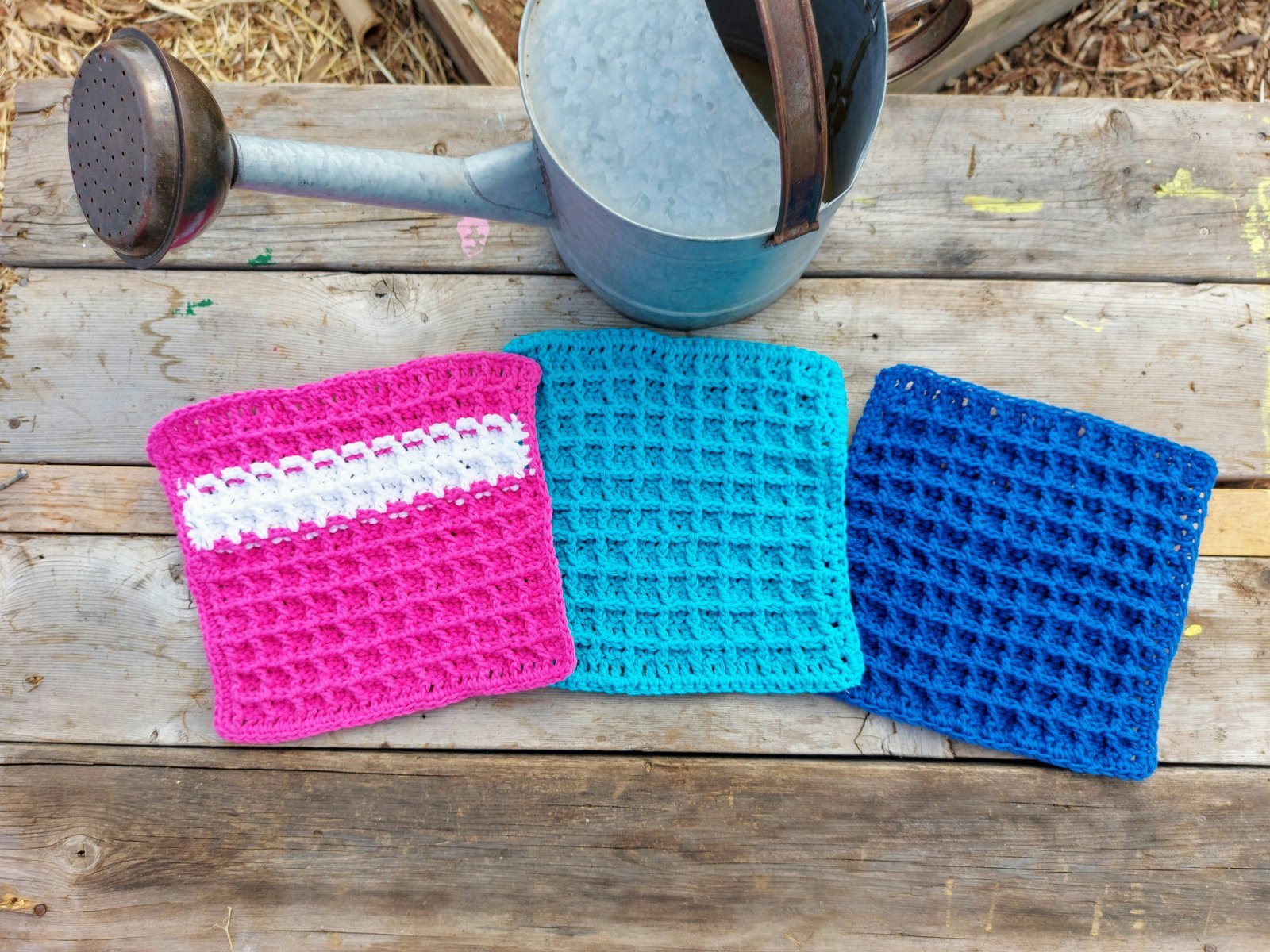
Among the most common stitches used in intermediate patterns are the shell stitch, bobble stitch, and waffle stitch. These stitches lend themselves well to creating textured surfaces that not only improve functionality as dishcloths but also add an aesthetic flair. The shell stitch, often characterized by its fan-like structure, can create a beautiful wavy effect, whereas the bobble stitch adds a playful dimensionality. The waffle stitch provides a thick pattern that enhances absorbency, making it perfect for kitchen tasks.
When embarking on these intermediate creations, attention to detail is crucial. Potential challenges might include maintaining consistent tension, navigating intricate stitch sequences, and managing multiple color changes if a pattern calls for it. It is also essential to select appropriate yarn types, as this can significantly affect the dishcloth’s durability and absorbency. Using materials such as cotton or bamboo yarn is recommended, as they tend to be more eco-friendly and effective for household use.
As you become more comfortable with these techniques, consider personalizing your dishcloths by experimenting with color combinations or even integrating unique motifs. The intermediate-level crochet patterns not only help improve your skills but also contribute to a more sustainable lifestyle by creating zero-waste kitchen essentials.
Advanced Crochet Patterns for Enthusiasts
For the experienced crocheter, exploring advanced crochet patterns can be a rewarding and fulfilling endeavor. These patterns often incorporate intricate designs that challenge creativity and skill, allowing enthusiasts to push their crafting boundaries. When engaging with these advanced techniques, it’s essential to approach them with confidence and a willingness to adapt as necessary.
One popular advanced pattern is the entrelac technique. This method creates a textured, woven appearance that is visually striking. To start, utilize multiple colors or a gradient yarn to enhance the dimensional effect. Pay close attention to the initial foundation row, as it serves as the basis for the overlapping squares. If you find the squares cumbersome, consider alternating the size to create a more dynamic piece.
An additional sophisticated pattern to try is the filet crochet, known for its open mesh and lacy appearance. This technique allows for creating detailed images or text using a combination of double crochet stitches and chain spaces. Mastering filet crochet can take practice, but the results are stunning. When working on such patterns, focus on reading charts or written instructions carefully, as the construction relies heavily on precise stitch counts.
To personalize your dishcloths, experiment with different yarn textures or include different stitch combinations throughout the project. For instance, alternating between single crochet and half-double crochet can add variety and interest. Additionally, integrating techniques like the popcorn stitch or the bobble stitch can create delightful, tactile features within your work.
In conclusion, advanced crochet patterns offer seasoned crafters an opportunity to showcase their skills and creativity while producing beautiful zero-waste dishcloths. By employing intricate designs and advanced techniques, crocheters can create unique pieces that are both functional and aesthetically pleasing.
Creative Ways to Use Dishcloths Beyond Cleaning
Homemade dishcloths, crafted with care, offer an array of creative applications that extend far beyond cleaning dishes. Their versatility enables them to fit seamlessly into various aspects of household management while aligning with a zero-waste lifestyle. One such innovative use for these reusable cloths is in the realm of guest towels. Utilizing dishcloths as guest hand towels in the kitchen or bathroom is not only a sustainable choice but also adds a personal touch to your home. Guests will appreciate the thoughtful inclusion of these handwoven fabrics, which can easily match your kitchen or bathroom decor.
In addition to functioning as guest towels, dishcloths can be transformed into decorative accents for your kitchen. By selecting vibrant colors or unique patterns, you can drape them over oven handles, hang them on hooks, or display them in baskets. Such arrangements can enhance the overall ambiance of your kitchen, showcasing your crafting skills and love for sustainability. Placing freshly crocheted dishcloths in prominent areas may even inspire others to consider incorporating eco-friendly choices into their own homes.
Moreover, dishcloths can serve as charming, handmade gifts for various occasions. A set of beautifully crafted dishcloths could be ideal for housewarming presents, bridal gifts, or even as part of a thoughtful care package for friends and family. Combining these cloths with other handmade kitchen items, such as pot holders or dish scrubs, creates a meaningful gift that reflects both creativity and environmental consciousness. Such unique presents not only promote a zero-waste ethos but also demonstrate a commitment to sustainable living, encouraging loved ones to adopt similar practices.
Tips for Caring for Your Crochet Dishcloths
To ensure the longevity and effectiveness of your crochet dishcloths, proper care and maintenance are essential. These handmade items, often crafted from yarns designed to be durable and reusable, can last for an extended period when cared for correctly. Here are some helpful tips for maintaining your crochet dishcloths.
First, washing your crochet dishcloths properly is key. It is recommended to wash them frequently to prevent the buildup of odors or stains. For most crochet dishcloths, a gentle machine wash in warm water with a mild detergent is suitable. Always check the specific care instructions associated with the yarn you used, as different fibers may require varied washing techniques. Hand washing is another option, especially for delicate fibers, and can help maintain the integrity of the stitches.
When it comes to drying, it is advisable to avoid using a dryer, which can cause shrinkage or damage the crochet structure. Instead, allow your dishcloths to air dry. Lay them flat on a clean towel or hanger to dry, ensuring they maintain their shape. If you live in a humid area, consider placing them in a well-ventilated space to expedite the drying process.
Furthermore, to keep your crochet dishcloths looking fresh and clean, consider rotating the use of several dishcloths, allowing them to rest between uses. This practice not only extends the lifespan but also gives each cloth a chance to maintain its form and texture. Additionally, if you notice any discoloration or stains, soaking the dishcloth in a mixture of vinegar and warm water for about 30 minutes before washing can help restore its appearance.
By following these care tips, your crochet dishcloths can remain functional, eco-friendly, and visually appealing for many years. Proper maintenance will ensure that your commitment to creating zero-waste products is upheld while enjoying their many benefits in your kitchen.
Conclusion and Call to Action
In our exploration of the best crochet patterns for zero-waste dishcloths, we have highlighted the various benefits these sustainable alternatives offer. Crochet dishcloths are not only eco-friendly but also reusable and customizable, making them a practical choice for anyone looking to reduce their environmental footprint. By choosing to create your own dishcloths, you not only contribute to a zero-waste lifestyle but also enjoy the therapeutic process of crochet. The multitude of patterns available allows for personal expression while maintaining functionality in your kitchen.
As we strive for a more sustainable future, the use of crochet dishcloths serves as an excellent example of how we can incorporate zero-waste practices into our daily lives. These dishcloths can be made from various materials, such as cotton or bamboo, which are biodegradable and less harmful to the environment compared to conventional sponges or paper towels. Furthermore, the durability of crochet dishcloths ensures they can withstand daily use, reducing the need for frequent replacements.
We encourage you to try your hand at crochet by selecting a pattern that resonates with your style and skill level. Whether you are a beginner or a seasoned crocheter, there is a wealth of resources available for you to create beautiful and functional dishcloths. As you embark on this creative journey, consider sharing your finished projects within the crochet community. Engaging with fellow crafters not only spreads awareness about zero-waste practices but also fosters a supportive environment for creativity and sustainability.
Take the leap into crochet dishcloth crafting today and join the movement towards a more sustainable and eco-conscious lifestyle. Together, we can make a difference, one stitch at a time.