
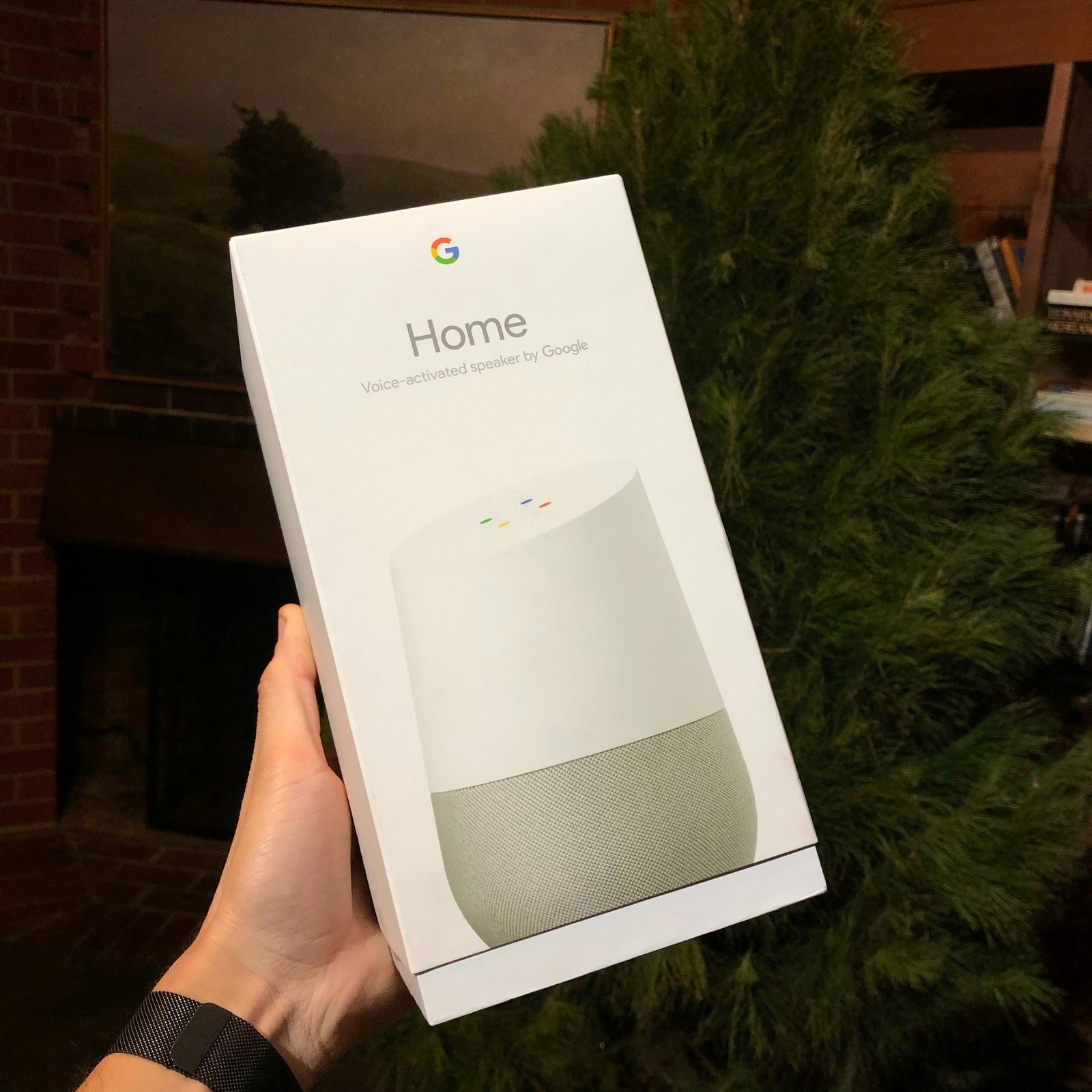

Introduction to AI Voice Assistants
The advent of AI voice assistants marks a significant milestone in the evolution of technology, particularly in home automation. Originally emerging in the early 2010s, these intelligent systems were designed to recognize and respond to verbal commands, thereby allowing users to interact with devices naturally and intuitively. Early iterations featured basic functionalities, requiring substantial improvements to achieve the sophisticated capabilities we witness today.
AI voice assistants rely heavily on advancements in natural language processing (NLP) and machine learning algorithms. These technologies enable the software to understand context, nuance, and even slang, making interactions smoother and more efficient. As a result, users can issue commands for a wide capability range, including controlling lighting, managing thermostats, and playing music. This seamless interaction has led to the rapid adoption of AI voice assistants in households worldwide.
The integration of AI voice assistants into smart home technology has been a game changer. Manufacturers have begun to embed these systems into various smart devices, such as speakers, light bulbs, and security systems, allowing for interconnected functionalities. For example, when a user says, “Good morning,” their AI assistant might automatically turn on the lights, adjust the thermostat, and read the day’s news. This level of integration has transformed the management of household tasks, underscoring the immense potential of AI voice assistants in streamlining daily life.
Overall, the continued development and adoption of AI voice assistants signal a shift toward a more automated and responsive living environment. As they evolve, these tools will play an increasingly central role in the smart home ecosystem, providing convenience and efficiency that complement the modern lifestyle.
Benefits of Automating Your Home with Voice Assistants
Automating your home using AI voice assistants offers a multitude of benefits that enhance the overall living experience. One of the foremost advantages is improved convenience. With voice command capabilities, homeowners can control a variety of smart devices such as lights, thermostats, and security systems without the need for manual adjustments. This hands-free approach streamlines daily tasks, enabling users to multitask efficiently. Furthermore, the ability to issue commands from anywhere within the home makes management of routines significantly easier.
Energy efficiency represents another critical benefit of voice-assisted home automation. AI voice assistants can optimize energy usage by adjusting settings according to user preferences and routines. For instance, they can turn off lights or lower heating when a space is unoccupied. This not only helps reduce energy bills but also promotes eco-friendly living by minimizing the carbon footprint of the household. As homeowners become more energy-conscious, integrating voice assistants into their smart devices offers an effective way to monitor and manage energy consumption.
Increased security is also a vital aspect of utilizing AI voice assistants in home automation. Many systems can be programmed to notify homeowners of security breaches or suspicious activities. Integration with security cameras and smart locks allows users to manage and monitor their home security remotely. Additionally, voice commands can be used to lock doors or activate alarm systems, adding an extra layer of protection. Lastly, the capacity to control multiple devices within a singular interface simplifies the overall home management process, making it more intuitive and user-friendly.
Getting Started: Setting Up Your Voice Assistant
Setting up your voice assistant is a fundamental step towards creating a fully automated smart home. The first phase of this process involves selecting the right voice assistant device that aligns with your specific needs and existing smart home ecosystem. Popular options include Amazon Alexa, Google Assistant, and Apple HomeKit. Each of these platforms has distinct features and compatibility considerations, so it is imperative to review their capabilities relative to your other smart devices.
Once you have chosen a device, the next step is to install it. Most voice assistants are relatively easy to set up. Begin by placing the device in a central location within your home, ensuring it is close to a power source. Many voice assistants connect through a wireless network, thus confirming your Wi-Fi connection is functional is crucial. Follow the manufacturer’s instructions, typically provided in the user manual or available online. Installation generally involves downloading an associated mobile application, which guides you through the setup process, including connecting the device to your Wi-Fi network.
After installation, configuration is essential for optimal performance. Launch the application linked to your voice assistant and follow the prompts to customize settings according to your preferences. During this stage, you may want to link additional smart home devices such as smart plugs, lights, and thermostats. Ensure your devices are compatible with the voice assistant you have selected to allow for seamless integration. Furthermore, utilizing routines can enhance functionality, enabling multiple operations to be executed with a single voice command. For example, you can create a “Good Night” routine that turns off lights and sets the thermostat to a comfortable temperature.
With the voice assistant properly set up and configured, you are well on your way to enjoying the benefits of a smart home powered by voice automation.
Compatible Smart Home Devices
As the integration of artificial intelligence continues to permeate our daily lives, the compatibility of smart home devices with voice assistants has become increasingly essential for maximizing convenience and efficiency. Today’s market offers a plethora of devices across various categories that can seamlessly connect with popular voice assistants like Amazon Alexa and Google Assistant.
Lighting: Smart lighting options allow for easy automation and control of your home’s illumination. Brands such as Philips Hue and LIFX provide energy-efficient LED bulbs that can be adjusted remotely or via voice commands. These lights can change colors and adjust brightness, enhancing mood and ambiance.
Thermostats: Modern smart thermostats, such as the Nest Learning Thermostat and Ecobee SmartThermostat, offer user-friendly interfaces and adaptive heating and cooling capabilities. These devices learn your schedule, allowing them to adjust temperatures automatically, thus saving energy and reducing utility costs.
Security Systems: Home security is crucial, and devices like Ring Video Doorbell and Arlo Security Camera provide excellent solutions that are compatible with voice assistants. These systems offer real-time video monitoring and alerts, allowing users to keep an eye on their property no matter where they are.
Appliances: Smart appliances from manufacturers such as Samsung and LG can be controlled via voice commands, enhancing home convenience. From refrigerators that alert you about expired food items to washing machines that can be programmed remotely, smart appliances have redefined household management.
Entertainment Systems: Smart speakers and streaming devices like the Amazon Echo and Google Chromecast make home entertainment accessible through voice control. Users can command their systems to play music, adjust the volume, or start their favorite shows without lifting a finger.
In today’s ecosystem, integrating these devices not only elevates the functionality of a smart home, but also enriches the user’s experience, making everyday activities simpler and more enjoyable.
Voice Commands and Automation Routines
Creating effective voice commands is a crucial element in automating your smart home with AI voice assistants. These voice commands act as gateways to functionality, enabling users to control various devices seamlessly. The effectiveness of voice commands largely depends on their simplicity and clarity. For instance, instead of saying, “Turn on the living room lights,” consider using a more concise command like, “Lights on.” This reduces the cognitive load on the voice assistant and enhances responsiveness.
Moreover, it is beneficial to establish automation routines that consistently perform multiple actions with a single command. For example, in the morning, a routine such as “Good morning” can trigger actions like gradually brightening the lights, playing your favorite morning playlist, and adjusting the thermostat to a comfortable setting. This not only streamlines your morning but also improves your overall efficiency.
Evening routines can further enhance your home automation experience. A command like “Good night” could be programmed to lock doors, turn off unnecessary lights, and lower the thermostat, creating a restful environment for sleep. The key here is to tailor these commands and routines to your daily habits, as personalized settings significantly improve user satisfaction with smart home technology.
To optimize voice command usage, avoid multi-step phrases that may confuse the AI. Instead, create multiple simplified commands for different tasks. Furthermore, adjusting the phrasing based on context can yield better results. For instance, if adding an item to your shopping list, instead of saying, “Add milk to my shopping list,” say simply, “Add milk.” By following these guidelines, users can efficiently harness the capabilities of AI voice assistants, paving the way for a more intuitive and responsive smart home experience.
Advanced Features: Skills, Actions, and Integrations
AI voice assistants have evolved significantly, offering advanced features that enhance automation and user experience. For instance, Amazon’s Alexa provides a range of downloadable skills that allow users to customize their smart home functionality. These skills can be considered akin to apps; they enable various tasks from controlling smart home devices to accessing news and entertainment. Users can find thousands of skills categorized under various domains like smart lighting, thermostats, and even games, tailoring the assistant’s functionality to suit their lifestyle.
On the other hand, Google Assistant utilizes what are termed “actions,” enabling users to perform a multitude of tasks through voice commands. These actions can also harness third-party integrations, allowing the Google Assistant to connect with services such as Spotify for music or Uber for ridesharing. The ability to engage with numerous third-party applications greatly enhances the versatility of smart home automation, providing users with seamless interaction across their favorite services.
Furthermore, integrating voice assistants with third-party apps is essential for optimizing home automation. Popular platforms like IFTTT (If This Then That) allow users to create personalized automations that link together various services and devices. Users can program their voice assistants to perform specific actions automatically based on certain triggers, simplifying daily tasks. For instance, a user could set up an automation that turns on the lights at a specified time, or a routine to switch off devices when they leave the house.
Overall, the advanced features of AI voice assistants are greatly enhancing the scope of smart home automation. By leveraging skills, actions, and third-party integrations, users can experience a more streamlined and efficient interaction with their devices.
Troubleshooting Common Issues
As smart homes become increasingly reliant on AI voice assistants, users may encounter various issues that hinder optimal functionality. Addressing these problems effectively is essential for a seamless user experience. One of the most frequent obstacles is connectivity. When your smart home devices seem unresponsive, ensure that both the voice assistant and the devices are connected to the same Wi-Fi network. A quick restart of your router can also resolve temporary connectivity problems that may arise due to network congestion or interruptions.
Another common challenge involves command misunderstandings. Users may find that the voice assistant misinterprets spoken instructions, leading to incorrect actions. To mitigate this, it is advisable to articulate commands clearly and use specific phrases the assistant recognizes. Checking the assistant’s settings for regional dialects or accent preferences can further enhance the command recognition. Additionally, refining the phrasing of your requests can yield significantly better responses.
Device compatibility is another critical factor to consider. Some users may experience difficulties when integrating new devices into their existing smart home ecosystems. It is important to verify that all devices are compatible with the specific voice assistant. Refer to the manufacturer’s guidelines and consult the user manual for detailed compatibility information. In cases where certain features are still dysfunctional, reinstalling the application associated with the voice assistant and ensuring that the device firmware is up to date may help resolve the issue.
Finally, regular maintenance of your smart home setup can assist in minimizing future problems. This includes routine checks on device software updates and network performance. By staying informed about the latest developments in voice assistant technology and device compatibility, users can efficiently troubleshoot and enjoy a fully automated smart home experience.
Future of Smart Home Automation with AI Voice Assistants
The future of smart home automation, driven by advancements in AI voice assistants, holds immense promise for users seeking enhanced convenience and efficiency in their everyday lives. As AI technology evolves, we can expect intelligent voice assistants to integrate more seamlessly into our home environments, allowing for more intuitive control over a variety of devices.
One potential development is the increased capability of voice assistants to understand context and user intent more effectively. This will enable them to anticipate needs and adjust settings without explicit commands. For instance, a smart assistant could recognize when a user arrives home and adjust the lighting and temperature accordingly, creating a welcoming atmosphere while optimizing energy usage.
Moreover, the integration of advanced machine learning algorithms will allow these voice assistants to learn from user behaviors and preferences over time. This personal touch means that users can enjoy a tailored experience, as devices will become better at understanding individual routines and preferences. As a result, tasks like managing home security, entertainment systems, and even grocery lists could become fully automated, saving users time and effort.
Additionally, the potential for voice assistants to interface with a wider range of smart devices is significant. As more manufacturers produce compatible products, users can expect to manage everything from kitchen appliances to personal health trackers through a single voice command. This level of interconnectedness will create a cohesive ecosystem that enhances the smart home experience.
In conclusion, the trends in AI voice assistant technology for smart home automation suggest a future where homes are more responsive, intuitive, and user-friendly. With the continued evolution of these technologies, users can look forward to a more integrated and efficient approach to home management in the years to come.
Conclusion: Embracing the Power of AI in Your Home
As we navigate through the evolving landscape of technology, the integration of AI voice assistants into our daily lives presents an unrivaled opportunity to enhance the convenience and efficiency of our homes. By embracing these intelligent systems, homeowners can create a more responsive and interactive living environment tailored to their needs.
The capabilities of artificial intelligence voice assistants extend beyond simple voice commands; they can learn user preferences, manage various home devices, and optimize energy consumption, contributing to a more sustainable lifestyle. These systems operate seamlessly, allowing you to control lights, thermostats, security systems, and even entertainment devices through intuitive verbal instructions. This level of automation not only streamlines daily tasks but also significantly enhances comfort and safety.
Moreover, AI voice assistants facilitate a more connected home where users can enjoy the functionality of smart technology without extensive technical expertise. The setup process is generally straightforward, making it accessible for households of all types. The increasing compatibility of these assistants with a wide array of smart devices allows every user to customize their experience according to personal preferences and lifestyles.
In conclusion, adopting AI voice assistants in home automation is not merely a trend; it represents a shift toward a smarter, more efficient future. The benefits extend beyond convenience to cost savings and improved energy management. By taking the leap into this technological advancement, you are not only enhancing your living space but also embracing a lifestyle that is both progressive and sustainable. As we move into 2026 and beyond, the importance of such innovations in our homes will continue to grow, marking an exciting period for intelligent living solutions.