
Introduction to Genealogy and AI
Genealogy, the study of family ancestries and histories, has increasingly become a popular field of interest for many individuals seeking to uncover their roots and connect with their heritage. Traditionally, genealogists have employed a variety of methods, such as reviewing historical documents, interviewing relatives, and utilizing online databases to trace their lineage. However, despite the wealth of resources available, genealogical research often encounters significant limitations, especially when dealing with unindexed records. These challenges hinder the ability to easily access and interpret vital information that can enhance one’s understanding of familial connections.
Artificial Intelligence (AI) has emerged as a transformative force across numerous fields, including genealogy. By leveraging AI-driven technologies, researchers can analyze vast datasets, automate time-consuming tasks, and decode complex historical records more efficiently. For genealogists, AI provides powerful tools that can help uncover relationships and fill in gaps within family trees. Machine learning algorithms, for example, can be trained to recognize patterns within handwritten documents or categorize information, significantly improving the efficiency of data extraction from unindexed sources.
The intersection of genealogy and AI is an evolving landscape that promises to enhance both individual research experiences and the broader field of genealogical studies. As more AI applications are developed, genealogists are better equipped to tackle the inherent challenges posed by unindexed records, including faded documents, diverse writing styles, and non-standard terminology. Consequently, the growing importance of AI in genealogy not only streamlines the research process but also opens up new avenues for discovery in understanding our collective past.
Understanding Unindexed Records
Unindexed records refer to documents and data that have not been systematically organized or cataloged for easy retrieval, often posing challenges for genealogical research. Unlike indexed records, which allow quick searches through databases for specific names or dates, unindexed records require more labor-intensive methods to explore. Examples of these records include handwritten documents, local archives, and various historical papers that have not yet been digitized.
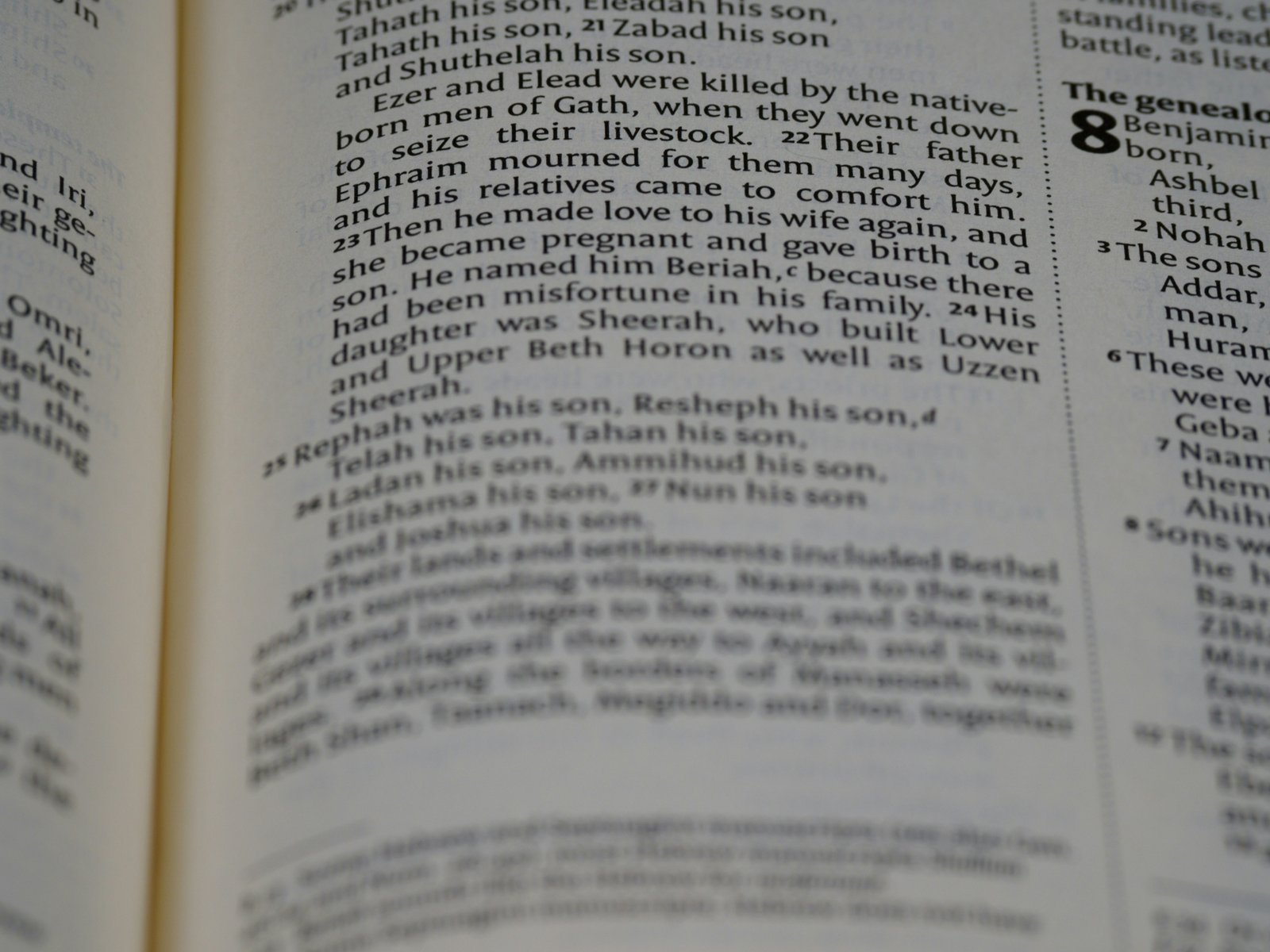
Handwritten documents are a significant type of unindexed record that genealogists may encounter. This can include letters, diaries, and family bibles, which often provide personal insights and vital information about ancestors. However, the unique handwriting styles and the potential for faded ink can make reading and interpreting these documents more complicated.
Local archives often house materials that remain unindexed, such as land deeds, property records, and municipal government documents. These can be invaluable for tracking properties owned by ancestors, but accessing them may require visiting physical locations or navigating microfilm archives. The significance of such records is underscored by the fact that they can reveal relationships, locations, and timeframes of ancestors’ lives, enriching a genealogical narrative.
Furthermore, historical records such as census data, military service records, and immigration documents may also fall into the category of unindexed records. Some of these documents exist in older formats, such as paper, making them less accessible online. While they hold the potential for discovering connections and context regarding family histories, it requires perseverance and skillful searching to utilize them effectively.
In navigating the genealogical landscape, being attuned to the existence of unindexed records is essential, as they can unlock a wealth of information that indexed records might overlook. The challenge lies in their accessibility and the effort required to uncover potential ancestor insights from these valuable yet hidden resources.
The Role of AI in Processing Unindexed Data
Artificial Intelligence (AI), particularly through the applications of machine learning and natural language processing (NLP), has gained prominence in the field of genealogy as a tool for processing unindexed data. Unindexed records, which often include handwritten documents, images, and historical texts, present formidable challenges for genealogists seeking to trace their lineage. However, the advent of AI technologies provides innovative solutions to these challenges.
Machine learning algorithms can be trained to recognize patterns within vast datasets, facilitating the extraction of relevant genealogical information from unstructured data. By utilizing training datasets that consist of previously indexed records, these algorithms learn to identify different handwriting styles, words, and phrases that are commonly found in genealogical documents. This capability enhances the efficiency of data extraction, allowing genealogists to access valuable historical data that was previously overlooked.
Natural language processing further contributes to this process by enabling AI systems to comprehend context and semantics within written texts. NLP techniques allow AI to decipher relationships between names, dates, and events within documents, thereby painting a clearer picture of an individual’s ancestry. For example, when analyzing a digital image of a birth certificate, an AI program can extract names, dates of birth, and parental information, transforming the handwritten text into structured data that genealogists can easily utilize.
The capabilities of AI in recognizing patterns, understanding context, and extracting pertinent information from unindexed records not only streamline the research process but also open new avenues for discovering familial links that may have been difficult to ascertain through traditional methods. By harnessing these advanced technologies, genealogists can enhance their research endeavors, making the exploration of ancestry more accessible and comprehensive.
Case Studies: Successful Applications of AI in Genealogy
Artificial Intelligence (AI) has emerged as a powerful ally in the field of genealogy, providing innovative solutions to researchers facing the challenges associated with unindexed records. The following case studies highlight the practical applications of AI in enhancing genealogical research, revealing the remarkable potential of technology in this traditionally meticulous domain.
One notable case involved a team of genealogists working to trace the lineage of a family with deep roots in Eastern Europe. Facing numerous unindexed church records, they deployed an AI-powered image recognition system capable of analyzing handwritten documents. This technology allowed for the rapid transcription of old records, which would have taken years to decipher manually. As a result, they uncovered lost branches of the family tree and established connections with long-lost relatives.
In another instance, an organization focused on African American genealogy utilized AI to access historical documents that were not readily searchable. By implementing natural language processing (NLP) algorithms, they dramatically improved their ability to identify and categorize relevant census records, land deeds, and military service documents. This led to the identification of previously unrecognized ancestors and enriched the narratives of countless individuals seeking to understand their heritage.
Furthermore, a genealogy firm specializing in Irish ancestry employed AI to process vast amounts of unindexed records from various archives. By leveraging machine learning techniques, the firm enhanced the accuracy of their searches and developed a comprehensive database of names and places. The results not only facilitated more efficient research but also produced significant findings that reshaped family histories and cultural identities.
These case studies exemplify how AI tools can dramatically transform genealogical research. By employing sophisticated algorithms to analyze and interpret unindexed records, genealogists can uncover hidden connections and gain insights that were previously unimaginable. The marriage of technology and traditional research methods heralds a new era in genealogy, paving the way for future generations to explore their ancestral lines with ease and precision.
Tools & Software Leveraging AI for Genealogy
In the domain of genealogy, various tools and software solutions harness the power of artificial intelligence to enhance research capabilities. These AI-driven platforms are specifically designed to aid genealogists in uncovering ancestral information from vast and often unindexed records. As technology advances, genealogists can leverage these innovative tools to streamline the research process and uncover valuable insights from historical data.
One widely recognized tool is MyHeritage, which utilizes AI technology to provide users with enhanced record matching capabilities. Its Smart Matching feature compares user family trees with those of other users and suggests potential connections. Furthermore, MyHeritage boasts an innovative Photo Enhancer that can improve the quality of old photographs, aiding genealogists in visual documentation of their family history.
Ancestry.com is another leader in the genealogy sphere that employs artificial intelligence to help users navigate extensive databases of genealogical records. The platform’s AI tools assist in suggestions for potential ancestors based on collected data, which can lead users to new and previously undiscovered family connections. Ancestry’s AI-driven hints work by analyzing your existing tree and comparing it to millions of records and trees online, making genealogical research more efficient.
Moreover, Geneanet offers a distinctive approach by integrating AI systems to enhance user contributions. With its global database enriched by volunteer-sourced records, Geneanet uses AI algorithms to help digitize unindexed documents, enabling genealogists to find hidden connections within local archives.
As these AI-powered tools continually evolve, they are instrumental in making genealogy research more accessible, efficient, and fruitful. By utilizing such innovative platforms, genealogists can save considerable time in their pursuit of uncovering their family legacies, ensuring that the stories of our ancestors are preserved and passed on to future generations.
Challenges and Limitations of AI in Genealogy
Artificial intelligence (AI) has revolutionized various fields, and genealogy is no exception. However, despite its potential, the integration of AI technologies into genealogical research presents several challenges and limitations that must be acknowledged. One significant concern is the accuracy of AI interpretations. While AI algorithms can process vast amounts of unindexed records, they may misinterpret data or identify false positives, leading to potential inaccuracies in genealogical conclusions. The reliance on AI-generated insights necessitates careful scrutiny and verification of findings by human researchers, which introduces another layer of complexity.
Moreover, the need for human oversight cannot be overstated. Genealogists must take the time to review the results produced by AI technologies, ensuring that the interpretations align with existing historical data and familial records. This interplay between AI and human expertise is crucial, as automated systems may lack the nuance and context that human researchers can provide. Such collaborative efforts require ongoing training and awareness, emphasizing the importance of continuous education in dealing with AI tools.
In addition to accuracy and oversight, issues of data privacy and ethics are pertinent when leveraging AI in genealogical research. Genealogists often work with sensitive family histories and personal information that requires cautious handling. The use of AI raises ethical questions about consent, data sharing, and potential misuse of information. Organizations and individuals engaged in genealogy must prioritize the ethical implications of applying AI, ensuring compliance with data protection regulations and maintaining respect for individuals’ privacy rights.
In conclusion, while AI offers innovative possibilities for genealogists in accessing unindexed records, it also presents notable challenges and limitations that require careful consideration. Addressing these issues can help create a more balanced and effective approach to genealogical research, harnessing the advantages of technology while maintaining the integrity of the genealogical process.
Best Practices for Genealogists Using AI
As genealogists increasingly turn to artificial intelligence (AI) to enhance their research capabilities, it is essential to adopt best practices that ensure accurate and reliable results. First and foremost, verifying AI-generated results should be a priority. While AI tools can process vast amounts of data quickly, they may also produce errors or misunderstandings due to the nuances of historical records. It is advisable to cross-reference findings with traditional research methods, such as consulting primary sources, family records, and preservation societies. This step helps ensure that the information aligns well with established genealogical data.
Moreover, employing AI should not replace traditional research methodologies; instead, it can complement them. Genealogists should understand that AI tools excel in identifying patterns and relationships within large datasets, but they cannot discern the context or significance of findings. Combining insights gained from AI with conventional research practices can lead to a more comprehensive understanding of family history. For instance, use AI-generated hints to guide your research; follow up on leads by investigating original documents or collaborating with historical societies to validate the details.
Additionally, sharing findings with the genealogical community enhances collaborative efforts and collective knowledge. Online forums, social media, and local genealogical societies serve as platforms for discussing AI-generated insights, experiences, and challenges. Engaging with peers not only fosters learning but also might uncover additional resources or perspectives that can refine your genealogy project. By adopting these best practices, genealogists can maximize the benefits of AI while minimizing potential pitfalls, leading to a more successful and enriched exploration of their ancestral heritage.
Future Trends in AI and Genealogy
The field of genealogy is on the brink of transformation due to the integration of advanced artificial intelligence technologies. As AI continues to evolve, it brings with it the potential to reshape how genealogists conduct research, particularly in relation to unindexed records. Current trends indicate that AI systems will leverage algorithms to analyze historical documents, making it easier to identify and extract relevant genealogical information.
One significant trend involves the increasing sophistication of machine learning models, which are capable of recognizing patterns and anomalies within vast datasets. This advancement could dramatically enhance access to unindexed records, which often remain buried in archives or neglected due to their challenging nature. Such records, which include handwritten notes, census data, and immigration files, can be difficult for traditional search methods to parse. However, AI has the potential to automate the transcribing process, thereby accelerating genealogical research.
Moreover, the future may see greater collaboration between major genealogy platforms and AI developers. These partnerships could lead to the development of intuitive software tools that can predict familial connections or suggest possible ancestry routes based on existing data. Such integrations would provide genealogists with comprehensive tools that not only retrieve data but also enhance interpretative insights, enabling researchers to achieve a deeper understanding of their lineage.
As technology progresses, one can anticipate new applications of AI in visualizing genealogical information, allowing researchers to create dynamic family trees that are more informative and visually engaging. Furthermore, the democratization of AI will likely ensure that these advancements are accessible to both amateur and professional genealogists. In this collaborative future, AI could serve as a reliable partner, fostering richer genealogical research experiences for individuals seeking to connect with their ancestry.
Conclusion: Embracing AI for Ancestor Discovery
As genealogists continue to seek innovative methods for tracing their lineage, the integration of artificial intelligence (AI) into genealogical research represents a transformative step forward. The discussion on utilizing AI tools highlights the potential benefits of harnessing technology to uncover ancestral connections scattered across unindexed records. By leveraging machine learning algorithms, genealogists can sift through vast amounts of data more efficiently than traditional methods allow.
One of the key advantages of AI in this realm is its capacity to automate the extraction of data from complex and unindexed sources. Such capabilities can drastically reduce the time-consuming efforts often associated with manual searches. AI can assist in identifying and organizing genealogical information, providing researchers with a comprehensive view of their ancestry that may have otherwise remained obscured.
Moreover, embracing AI technologies empowers genealogists to tap into national and international archives that house a wealth of unindexed materials. These archives may contain records such as immigration documents, military service records, and land ownership papers. With AI-driven tools, researchers can traverse these extensive databases, ultimately leading to discoveries that can illuminate family histories.
In summary, the future of genealogical research is closely tied to the advancements in artificial intelligence. As the field of genealogy evolves, it is imperative for genealogists to remain open to incorporating these emerging technologies into their practices. By doing so, they can enhance their research, uncover hidden connections, and contribute to a more accurate understanding of their family lineage. Encouraging all genealogists to explore AI capabilities paves the way for a more effective and enriched ancestor discovery journey.