

Introduction to the Nomad Visa Concept
The concept of a nomad visa is gaining traction in today’s increasingly globalized labor market, providing a tailored pathway for digital nomads and remote workers who seek the flexibility to work while traveling. Unlike traditional visas, which often limit work options or require a formal employment relationship, a nomad visa allows individuals to reside and operate freely from one country while engaging in remote work for employers or clients located elsewhere. This unique visa type addresses the needs of a growing demographic of professionals who value mobility and wish to experience different cultures without the constraints typically imposed by standard work permits.
In 2026, Japan’s introduction of the nomad visa signifies a significant step towards acknowledging the evolving nature of work. This groundbreaking policy reflects an understanding of the benefits that remote workers bring to host countries, including cultural exchange, increased tourism, and economic stimulation. By facilitating easier access to stay and work for foreign freelancers and digital professionals, Japan is not only enhancing its reputation as an innovative and welcoming place for international talent but also positioning itself as a competitive destination for remote workers seeking a vibrant and diverse lifestyle.
Furthermore, Japan’s unique blend of tradition and modernity presents an unparalleled opportunity for digital nomads. From the bustling cityscapes of Tokyo to the serene landscapes of Kyoto, the country offers a wide array of experiences that can enrich the lives of remote workers. This convergence of work and culture is particularly appealing to international freelancers who seek not just a workspace but a place where they can engage with the local community while still fulfilling their professional obligations. The introduction of the nomad visa is, therefore, a pivotal moment for remote workers looking to immerse themselves in Japan’s rich heritage while continuing their careers from abroad.
Understanding Japan’s Nomad Visa Criteria
In recent years, Japan has garnered attention as a viable destination for remote workers and digital nomads seeking a unique blend of cultural experiences and professional opportunities. However, obtaining a nomad visa for Japan involves meeting specific criteria designed to ensure applicants can effectively integrate into the Japanese society and economy.
Firstly, candidates must adhere to age restrictions. Typically, applicants should be between the ages of 18 and 50, promoting a demographic that is likely to engage with the local community and contribute positively to the economy. This age criterion is part of Japan’s effort to attract a dynamic workforce that can add value to its innovative sectors.
Moreover, applicants must demonstrate a stable source of income through remote work or freelance projects. Specifically, individuals are generally required to showcase an annual income of at least ¥3 million (approximately $27,000). This income threshold ensures that visa holders can support themselves financially while living in Japan without relying on local resources, which aligns with the nation’s goal of attracting self-sufficient professionals.
Educational qualifications also play a significant role in obtaining the nomad visa. Applicants are typically expected to hold a bachelor’s degree or possess equivalent professional experience, which assures the Japanese authorities of the individual’s competency and readiness to work within Japan’s advanced industry sectors.
Additionally, candidates must possess valid health insurance coverage, ensuring they have access to healthcare while residing in the country. This requirement underlines the importance of safeguarding both the individual and the public health system.
Overall, understanding and preparing for these criteria is essential for potential applicants aiming to navigate the complex process of securing a nomad visa for Japan.
Step-by-Step Application Process
Obtaining a nomad visa for Japan can appear daunting, but breaking it down into manageable steps will facilitate a smoother experience. The first step in the application process is gathering the necessary documentation. This typically includes a valid passport, proof of financial stability, health insurance, and a comprehensive itinerary detailing your planned activities while in Japan. It is crucial that all documents are up to date and meet the specific requirements set by the Japanese government.
Once you have collected the required documents, the next step is to complete the application form. This form can typically be found on the official Japanese immigration website or through the relevant embassy or consulate. Be meticulous while filling out the form, ensuring that all information is accurate and clearly presented to avoid unnecessary delays.
After completing your application, arrange for submission. This can generally be done online or in person at a local Japanese embassy or consulate. Some jurisdictions may require an appointment, so it is advisable to check ahead of time. Upon submission, you may need to pay an application fee, which can vary based on your nationality and the type of visa you are applying for.
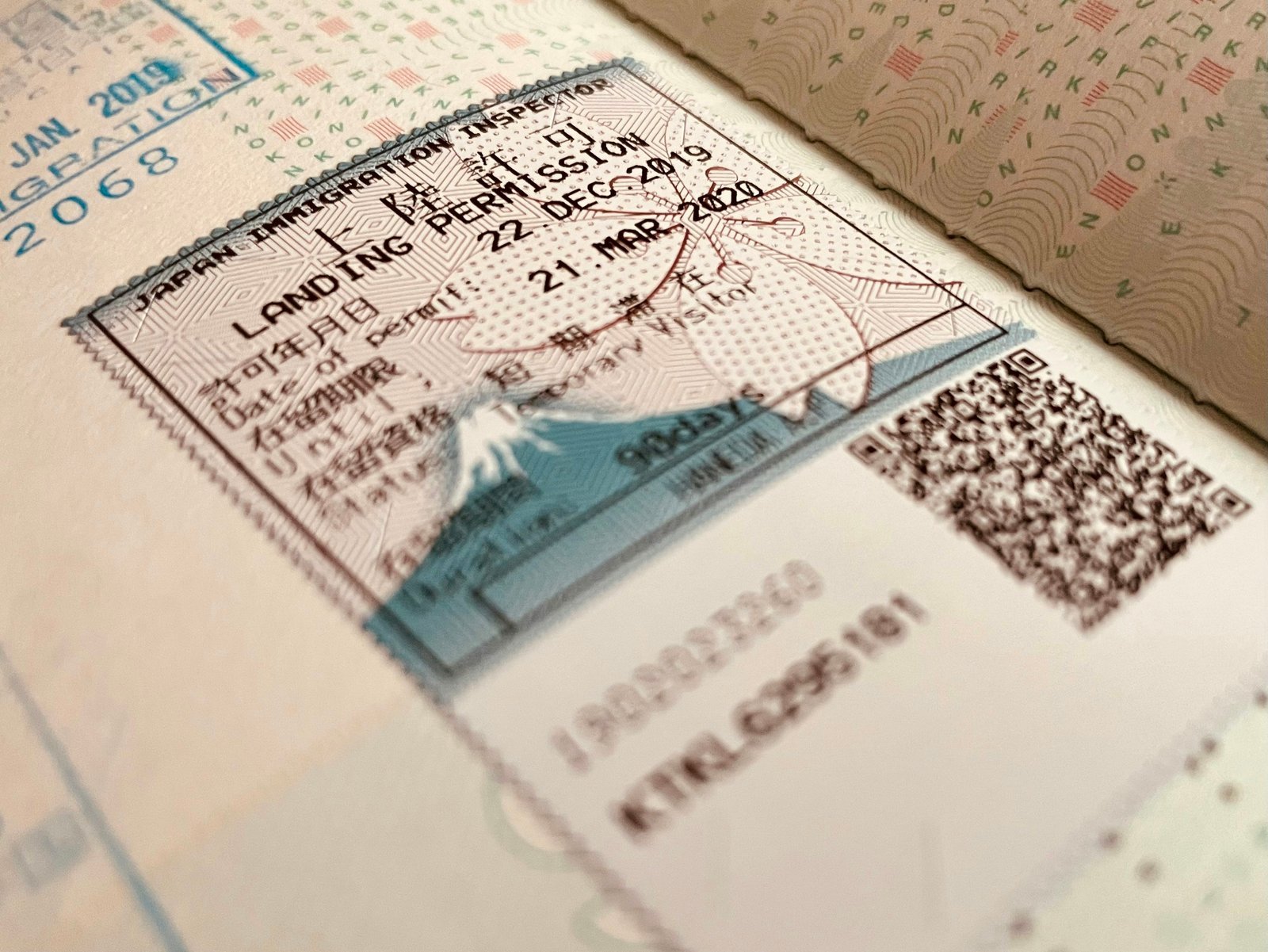
Following submission, the waiting period begins. During this time, it is prudent to monitor the status of your application. You may receive notifications from the immigration office concerning your visa status or requests for additional information. Lastly, if approved, be prepared to receive your visa, often provided via a sticker in your passport. With this visa in hand, you are now set to embark on your journey as a digital nomad in Japan, ready to explore all the cultural and economic opportunities that this vibrant country has to offer.
Preparing Required Documentation
Obtaining a nomad visa for Japan in 2026 necessitates careful preparation of various essential documents. This documentation is crucial to substantiate your application and to prove your eligibility for the visa. The first requirement typically involves proof of employment, which can include a letter of employment from your employer, indicating your job title, the nature of your work, and a confirmation of your remote work arrangement. For freelancers and entrepreneurs, contracts with clients or a detailed business plan may suffice.
In addition to employment verification, financial statements represent another pivotal component of your application. Applicants must provide recent bank statements or income statements to illustrate their ability to support themselves during their stay in Japan. A general guideline is to demonstrate that you have sufficient funds to cover living expenses without engaging in local labor activities.
Health insurance coverage is also a critical aspect of the nomad visa documentation. It is mandatory for applicants to demonstrate that they possess adequate health insurance that covers their medical expenses during their stay in Japan. This insurance should be valid for the entire duration of their stay and ideally should include provisions for emergency medical transportation and repatriation.
Moreover, other relevant paperwork might include a completed visa application form, a valid passport, passport-sized photographs, and documentation related to accommodation plans during your time in Japan. Some applicants may also need to present a certificate of no criminal record or a medical clearance certificate depending on their country of origin. Overall, the thoroughness of the documentation provided plays a significant role in facilitating a smooth application process for the nomad visa.
Tips for a Successful Visa Application
When applying for a nomad visa for Japan, it is paramount to approach the process with meticulous attention to detail. An organized and detailed application is essential for enhancing the chances of a successful outcome. Begin by gathering all required documentation well in advance. This typically includes proof of financial stability, a detailed work portfolio, a business plan outlining your activities while in Japan, and identification documents. It is advisable to prepare these materials in a professional manner, as this will reflect your seriousness about the application.
Moreover, ensure that your application form is filled out comprehensively. Any discrepancies or incomplete sections can lead to delays or even rejections. Review the application multiple times and, if possible, have someone else read through it to catch errors that might have been overlooked. Additionally, refrain from using overly complex language; clear and concise communication is critical.
Another key aspect is to avoid common pitfalls. Applications often fail due to insufficient financial documentation. Provide bank statements that clearly show your ability to support yourself while living in Japan. Furthermore, minor mistakes in names, dates, or documentation can cause significant issues. Double-check everything before submission. If the application allows for a cover letter, take advantage of this opportunity to provide context about your intentions and plans while in Japan.
Finally, be prepared for potential follow-up inquiries from the immigration authorities. These could involve requests for additional documentation or clarification on your situation. Respond promptly and thoroughly to any such requests, exhibiting your willingness to comply. Following these tips can significantly facilitate a successful nomad visa application process, setting a solid foundation for your journey in Japan.
Navigating the Japanese Immigration Process
Once the application for a nomad visa has been submitted, the next steps involve navigating the Japanese immigration process, which can vary depending on individual circumstances. Typically, applicants can expect a waiting period during which their application is reviewed. This duration may range from a few weeks to several months, requiring applicants to be patient and prepared for potential follow-ups.
Throughout this phase, it is essential to stay informed about any updates or additional document requests from the Japanese immigration authorities. Should the immigration office need further information, they will usually communicate via email or official letters sent to the applicant’s registered address. Therefore, ensuring that all contact information is accurate and up-to-date is crucial to avoid unnecessary delays.
In some instances, the immigration authorities may require an interview to clarify aspects of the application. This interview typically serves to verify the applicant’s intentions, financial stability, and overall eligibility for the nomad visa. It is advisable for candidates to thoroughly prepare for this interview by reviewing their application, gathering relevant documents, and having a clear understanding of their motivation for traveling to Japan.
Communication with Japanese immigration authorities should remain polite and professional. If there are queries or concerns regarding the application, contacting them through the prescribed channels is important. Applicants may also consult legal experts or immigration advisors if needed to ensure proper navigation of the immigration landscape.
By following these guidelines, applicants can effectively manage the Japanese immigration process, ensuring a smoother transition into their planned lifestyle in Japan, while minimizing any uncertainties during the waiting period.
Living and Working in Japan as a Nomad Visa Holder
Settling into life in Japan as a nomad visa holder offers a unique opportunity to experience a blend of cultural immersion and professional growth. To successfully navigate this adventure, it is essential to begin with adequate preparations regarding accommodation.
Finding a suitable living space in Japan can vary significantly based on city and area. Tokyo, for instance, presents a wide array of options, from compact apartments to shared living spaces, while rural areas may offer traditional homes or guesthouses. Utilize platforms such as Suumo, GaijinPot, and Airbnb for both short- and long-term rentals, paying attention to leases that cater to expatriates. Additionally, establishing connections through social media and local expat groups can provide valuable insights and assistance in finding a home.
Understanding the cost of living in Japan is crucial. Cities like Tokyo and Osaka rank among the highest in living expenses, particularly regarding rent, transportation, and dining. Budget planning is advisable, and taking advantage of local supermarkets and marketplaces can help curb the grocery bill. Transportation in Japan is efficient and can be navigated using a prepaid Suica or Pasmo card, offering seamless travel across various city commuting options.
Cultural adaptation plays a significant role in your experience as a nomad. Be prepared to familiarize yourself with local customs, language, and social etiquette, as this will enhance interactions with locals and improve overall integration. Learning basic Japanese phrases can go a long way in daily scenarios and reflect respect towards the culture.
Lastly, maintaining a healthy work-life balance is vital while working remotely in Japan. Although remote work offers flexibility, it is essential to establish boundaries and schedule breaks to explore your surroundings. Embracing traditional Japanese practices, such as visiting parks or participating in local festivals, can enrich your overall experience, allowing you to blend work productivity with personal enrichment.
Renewing Your Nomad Visa
When it comes to extending your stay in Japan, understanding the renewal process for the nomad visa is essential. Initially, the nomad visa is typically issued for a duration of one to three years, depending on individual circumstances. As you approach the expiration of your visa, it’s crucial to prepare for the renewal process to ensure a seamless continuation of your residency in Japan.
To renew your nomad visa, you must first verify that you meet the criteria established by the Japanese immigration authorities. This includes demonstrating proof of stable income and ongoing financial independence, as the nomad visa is designed for individuals who work remotely. Additionally, be prepared to show evidence that you have maintained a residence in Japan during your initial visa period. This could include rental agreements or utility bills.
The renewal application must be submitted within the designated timeframe prior to your current visa’s expiration, commonly within three months. Properly filling out the appropriate forms is vital; ensure that all sections are completed accurately and with the necessary supporting documents attached. The required documents often include your passport, previous visa, income statements, tax documents, and proof of health insurance coverage. Additionally, gathering any other relevant records that may strengthen your application can be beneficial.
Once your renewal application is submitted, the processing period can vary, typically ranging from one to three months. During this time, it is advisable to refrain from traveling outside Japan, as it may complicate your renewal status. Ultimately, a successful renewal will allow you to continue enjoying the benefits of living and working in Japan, pursuing your professional and personal goals in this vibrant country.
Conclusion and Future Perspectives
In conclusion, the introduction of a nomad visa for Japan in 2026 marks a significant milestone for the country, opening doors for digital nomads seeking an enriching lifestyle in one of the world’s most vibrant cultures. This visa aims to attract skilled professionals who can contribute to Japan’s economy while enjoying the unique blend of tradition and modernity that the country offers. Through efficient processes and clear guidelines, Japan’s nomad visa presents a structured opportunity for these individuals to thrive in an environment that fosters innovation and creativity.
The implications of this visa extend beyond individual applicants. By embracing digital nomadism, Japan positions itself as a competitive global destination for remote workers, enhancing its international appeal. This move is expected to stimulate local economies and foster cross-cultural exchanges, providing benefits not only to visa holders but also to communities and businesses across the nation. The positive influx of diverse talents could facilitate knowledge transfer, creative collaborations, and potentially lead to long-term relationships between foreign workers and local enterprises.
Looking forward, several changes and improvements may be anticipated in the nomad visa framework. As the global landscape of remote work evolves, Japan may continue to fine-tune visa conditions to meet the diverse needs of digital nomads. For instance, adjustments could be made to the duration of stay, integration of language support services, and improved access to local resources such as coworking spaces and networking events. These enhancements could further solidify Japan’s reputation as an attractive hub for global talent.
Ultimately, the success of the nomad visa will depend on both Japan’s responsiveness to the demands of the global workforce and the experiences of those who embark on this new adventure. By fostering a collaborative spirit and adapting to change, Japan can ensure that it remains a leading destination for digital nomadism in the years to come.