
Introduction to FIFO Method
The First In, First Out (FIFO) method is a systematic approach utilized in various settings, including inventory management, food storage, and pantry organization. The fundamental principle behind FIFO is simple yet effective: the first items that enter the pantry are also the first ones to be utilized. This methodology not only promotes a streamlined approach to pantry management but also plays a significant role in minimizing food waste, which is a growing concern in today’s society.
By implementing the FIFO method in your pantry, you ensure that older ingredients are prioritized over newer ones. This is particularly important for perishable items that have a limited shelf life. For instance, dry goods, canned products, and even fresh produce should be organized in a manner that allows easy access to older stock. Consequently, this consistent rotation of items leads to a reduction in spoilage and ensures that the ingredients used in meals are always fresh and of the highest quality.
Furthermore, adopting the FIFO method encourages mindful consumption. As individuals become more aware of their pantry contents and the importance of using items before they expire, they are likely to plan their meals better. This not only aids in reducing food waste but also promotes healthier eating habits by encouraging the use of ingredients that might otherwise be neglected or forgotten.
Overall, the FIFO method stands out as a proactive strategy for organizing a pantry effectively. It addresses both the practical aspects of food storage and the critical environmental need to reduce waste. By prioritizing the use of older items, individuals can ensure a fresher pantry while contributing to broader sustainability efforts.
Benefits of the FIFO Method
The First In, First Out (FIFO) method is a highly effective strategy for organizing your pantry. One of the primary advantages of implementing FIFO is the significant reduction in food spoilage. By ensuring that older items are used first, the likelihood of perishable goods expiring before they can be consumed is minimized. This not only protects your investment in food but also contributes to reducing food waste, a critical concern in households today.
Another compelling benefit of the FIFO method is its ability to lead to substantial savings. When you consistently rotate your pantry items, you are less likely to purchase duplicates of products that you already possess. This practice encourages mindful shopping habits and better budget management, as you’ll be utilizing items that might otherwise have been overlooked. Over time, these savings can accumulate and positively impact your overall grocery expenses.
The FIFO approach also enhances inventory management. By maintaining an organized system, you can quickly assess what items you have, thus facilitating easier meal planning and shopping. An organized pantry helps in keeping track of grocery items, reducing the risk of running out of essential ingredients. Additionally, this method offers a more functional pantry space, as it encourages neatness and accessibility in food storage. When your pantry is organized, finding what you need becomes effortless, leading to a more enjoyable cooking experience.
Furthermore, adopting the FIFO method contributes significantly to building healthy eating habits. By prioritizing the consumption of older foods, you are encouraged to diversify your meals and try different recipes. This practice not only enhances nutrition but also adds variety to your diet, making mealtimes more exciting.
Assessing Your Current Pantry Setup
Before implementing the ‘First In, First Out’ (FIFO) method for organizing your pantry, it is essential to conduct a thorough assessment of your existing setup. Start by emptying your pantry, which not only provides a clean slate but also allows you to visibly inspect every item present. This process makes it easier to take inventory and identify any unneeded items.
As you remove items, categorize them into groups based on type, such as grains, canned foods, baking supplies, and snacks. During this stage, be vigilant in checking expiration dates. Discard any expired products promptly, as these can contribute to clutter and reduce the overall effectiveness of your pantry organization. If any items are well past their use-by date, consider whether they can be composted or donated if still unopened.
Another vital aspect of assessing your pantry is understanding the unique space requirements of your food items. For instance, consider the height and width of shelves while planning for bulk items or larger containers. Make a note of any tools or containers that you currently have, as well as those you might need to purchase in order to optimize your space. Remember, effective organization depends not only on the items you have but also on how you choose to store them. Utilize baskets, stackable containers, or clear jars to ensure that everything is easily visible and accessible. This strategic assessment will pave the way for a more efficient layout, enabling you to easily implement the FIFO method afterward, ensuring that you utilize older items before their newer counterparts.
Choosing Storage Solutions
Implementing the ‘First In, First Out’ (FIFO) method requires a strategic approach to pantry organization, starting with the choice of appropriate storage solutions. A well-organized pantry not only enhances visibility but also improves accessibility, ensuring that older items are used before newer ones.
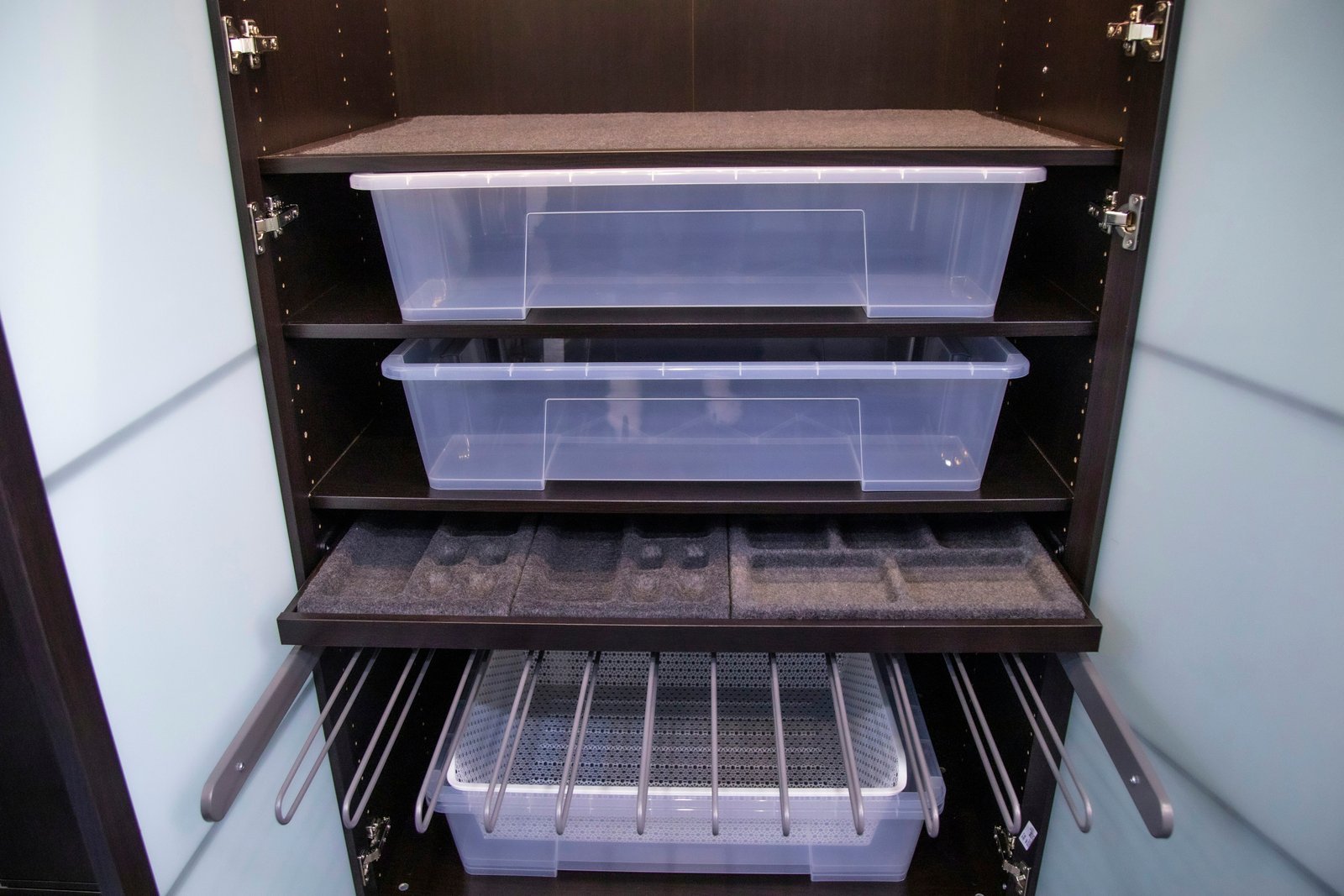
One effective storage option is the use of clear bins. These bins allow for easy identification of contents, making it simple to locate older products without needing to sift through multiple layers. Opting for transparent storage also encourages regular inventory checks, thus promoting the FIFO approach. Additionally, clear containers can be labeled to further streamline organization, helping to quickly categorize items by type or expiration date.
Another popular method involves utilizing shelves that can be adjusted to different heights. Adjustable shelving provides the flexibility to accommodate various sized containers and products, ensuring that older items remain accessible at the front. This setup aligns perfectly with FIFO principles, as it naturally discourages the placement of newer items in front of older products.
Labels play a crucial role in maintaining order within the pantry. Effective labeling helps members of the household understand where items belong and which products should be used first. Consider color-coded labels for different categories, such as grains, canned goods, or snacks, simplifying the sorting process while also enhancing the aesthetic appeal of your pantry.
Lastly, rotating your pantry contents regularly is essential for FIFO success. By periodically rearranging your items, you can ensure that older products remain visible, decreasing the likelihood of waste due to expired food. Overall, the right storage solutions can significantly enhance your pantry’s organization, facilitating a system that adheres to FIFO principles and encourages efficiency in meal preparation.
Implementing FIFO: Step-by-Step Guide
Implementing the First In, First Out (FIFO) method in your pantry is a straightforward process, but it requires careful planning and organization. This method is particularly useful for ensuring food safety and minimizing waste. Here are the detailed steps to set up your pantry using FIFO.
1. Clear and Clean the Space: Begin by removing all items from your pantry. This allows you to see what you have and enables a thorough cleaning of the shelves. Wipe down all surfaces with a suitable cleaner, making them ready for reorganizing.
2. Sort and Categorize: Next, categorize all food items into groups. Common categories may include canned goods, dry goods, spices, and snacks. This arrangement will help streamline the organization process and make it easier to locate items later.
3. Check Expiration Dates: As you sort through your items, check for expiration dates. Discard any expired food or items that are no longer safe to consume. This step is vital for maintaining a healthy pantry and follows the FIFO philosophy by prioritizing older items.
4. Organize by Type: After sorting and discarding, position similar items together on the shelves. For instance, place all canned goods in one area and grains in another. This categorization not only enhances accessibility but also facilitates better management of your pantry’s contents.
5. Implement FIFO in Storage: When placing items back into the pantry, ensure that newer items are positioned behind older ones. This setup encourages the consumption of older items first, which is the essence of the FIFO method.
6. Regularly Rotate Stock: To maintain the FIFO system, regularly check your pantry and rotate stock. Make it a habit to move older items to the front as you add new groceries, ensuring that nothing expires or goes to waste.
By following these steps, you will create an organized pantry that adheres to the FIFO method, which not only keeps your items fresh but also helps in planning meals efficiently.
Maintaining Your Organized Pantry
To ensure the continued effectiveness of the ‘First In, First Out’ (FIFO) method in your pantry, it is crucial to establish a routine that focuses on regular check-ins and cleaning schedules. Regularly reviewing the contents of your pantry helps in identifying which items need to be used soon and which can be repurchased. Ideally, aim to check in on your pantry at least once a month. This routine allows you to make informed decisions on expiration dates and helps you reduce food waste, ultimately saving you money.
In addition to regular check-ins, creating a cleaning schedule can significantly contribute to maintaining your organized pantry. Set aside a day every three months to completely empty your shelves, discard expired items, and wipe down surfaces. This ensures that your pantry remains free from pests and clutter. During this cleaning, you can also realign items according to the FIFO method, ensuring that older items are at the front and newer items are placed behind.
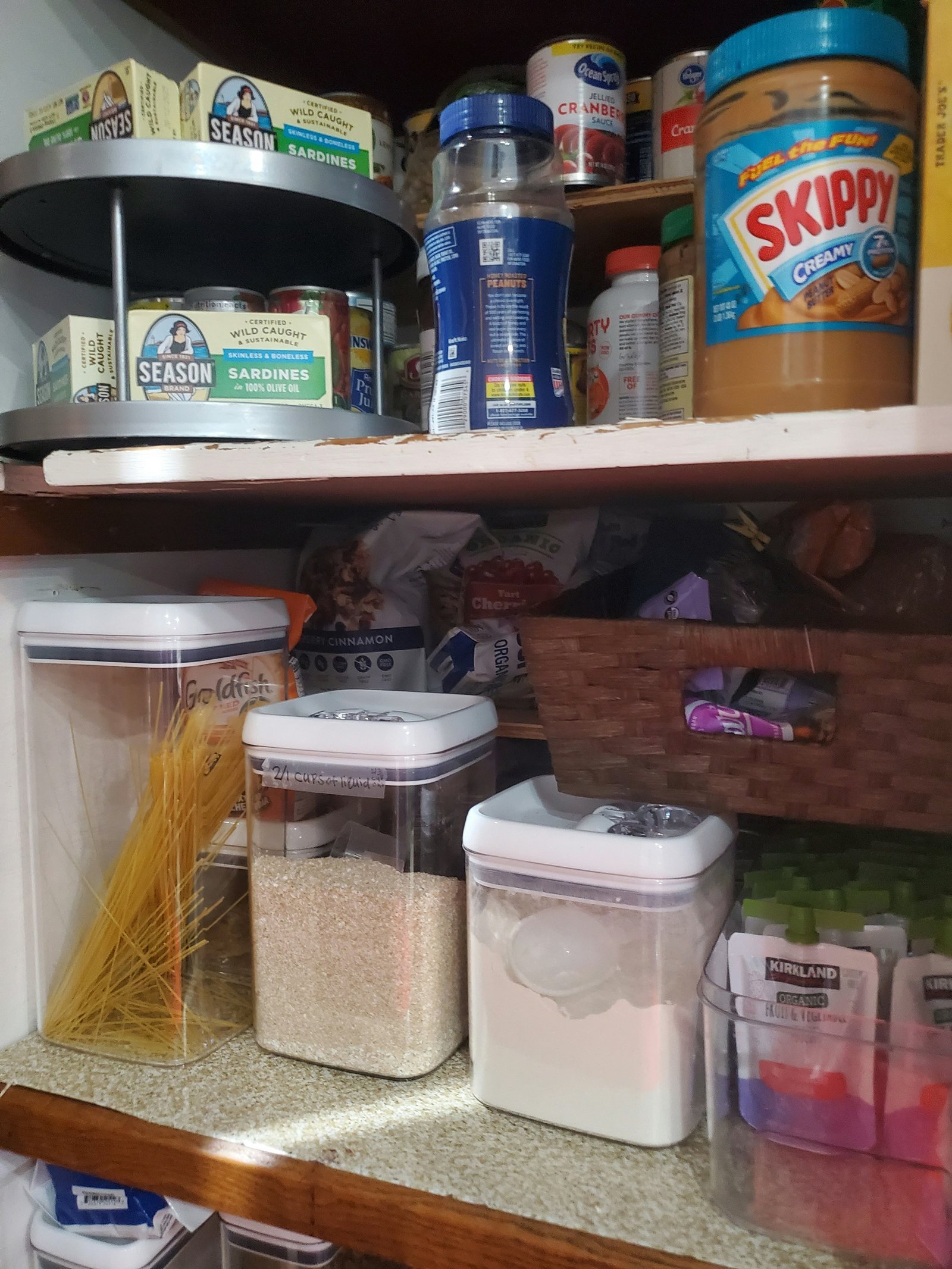
Minimizing clutter is essential for keeping the FIFO system functional. To achieve this, consider using clear containers for items such as grains, pastas, and snacks. These not only help in keeping the pantry visually appealing but also make it easier to see what you have. Labeling these containers can provide quick visibility of their contents and expiration dates, thus enabling prompt rotation when necessary. Additionally, avoid overbuying items that you already have stocked in your pantry to prevent congestion. By implementing these strategies, you can maintain an organized pantry that promotes efficiency and reduces waste.
Tips for Seasonal Pantry Organization
Organizing your pantry using the First In, First Out (FIFO) method throughout the changing seasons can greatly enhance your cooking and storage efficiency. To effectively adjust your pantry organization according to seasonal variations, you should first consider the types of food items that are typically in demand during each season.
During the autumn and winter months, you often find yourself with an abundance of holiday ingredients, such as baking supplies and canned goods. It is advisable to create a dedicated space for these seasonal items, ensuring they remain visible and easily accessible. Store items like flour, sugar, and spices at the front of the pantry. In contrast, items that are less frequently used during this period, such as summer produce or grilling essentials, should be moved towards the back. This practice allows you to utilize FIFO effectively by ensuring that older items are consumed before newer ones.
As spring arrives, fresh produce becomes more abundant. You might start to notice the influx of seasonal vegetables, fruits, and herbs. This is the perfect time to reassess your pantry’s contents and incorporate a preservation strategy. Consider freezing or canning excess produce to prolong its shelf life. Additionally, remember to label and date these preserved items to adhere to the FIFO system. The same applies in summer when you may have to deal with a harvest of cucumbers, tomatoes, and berries.
Anticipating your storage needs as seasons change is vital. Maintain an inventory list of your pantry contents, including seasonal items as they come in and out of favor. Regularly revisiting this list will help streamline your pantry organization and prevent food waste. By combining the FIFO method with strategic seasonal organization, your pantry can remain functional and efficient all year round.
Common Mistakes to Avoid
When implementing the ‘First In, First Out’ (FIFO) method in pantry organization, several common mistakes can hinder effectiveness. One significant pitfall is the lack of proper labeling. Without clear labels, it becomes challenging to identify products and their expiration dates, which can lead to confusion and potential food waste. To avoid this issue, consider using permanent markers, labels, or tape to clearly indicate what each item is and when it should be consumed.
Another prevalent mistake is overstocking items. While it may seem beneficial to buy in bulk, excessive quantities can defeat the purpose of the FIFO method. When products are overstocked, it becomes difficult to ensure that older items are used first. This often results in expired products being thrown away, wasting money and resources. To prevent this, evaluate your purchasing habits and buy only what you realistically need based on your consumption patterns.
A third mistake to watch for is neglecting to regularly rotate products. Even with the best intentions, it is easy to forget to put older items at the front and newer items at the back. This oversight can lead to items remaining in your pantry longer than intended. To combat this lapse, schedule regular pantry audits. A monthly review can serve as a reminder to check dates, rearrange items, and restock as needed.
By being aware of these common pitfalls, you can maximize the effectiveness of the FIFO method. Proper labeling, avoiding overstocking, and routinely rotating products are essential practices that not only save space and time but also reduce food waste, ensuring that your pantry is organized and efficient.
Conclusion and Encouragement
In conclusion, implementing the ‘First In, First Out’ (FIFO) method in your pantry organization is not just a simple approach to maintaining order; it is a significant step towards reducing waste and maximizing the efficiency of your food storage. By prioritizing the use of older items first, you help ensure that nothing goes to waste, ultimately contributing to both economic savings and sustainability.
Upon embracing the FIFO system, you will likely notice a change in how you interact with your pantry. A well-organized pantry can simplify meal planning, reduce the time spent searching for ingredients, and make it easier to manage your grocery inventory. Moreover, the visual appeal of a tidy pantry can create a more enjoyable cooking environment, encouraging you to experiment with new recipes and utilize the ingredients you already have on hand.
As you take the first steps towards this organization method, remember that it’s essential to be consistent. Regularly revisiting your pantry to check expiration dates, rotating your supplies, and practicing mindful shopping can enhance the effectiveness of the FIFO methodology. Taking these measures not only keeps your pantry functional but also instills a habit of being conscious about food preservation and consumption.
We encourage you to start your pantry organization journey today. The benefits of the FIFO method extend beyond immediate convenience; they promote a culture of sustainability and responsible food management. As you progress in adopting these practices, you will likely find a renewed sense of control over your kitchen, allowing you to create meals with confidence and reduce food waste in your home. Take the plunge and experience the positive transformation that a structured and efficient pantry can bring to your daily life.