
Introduction: The Importance of a Clean Cage
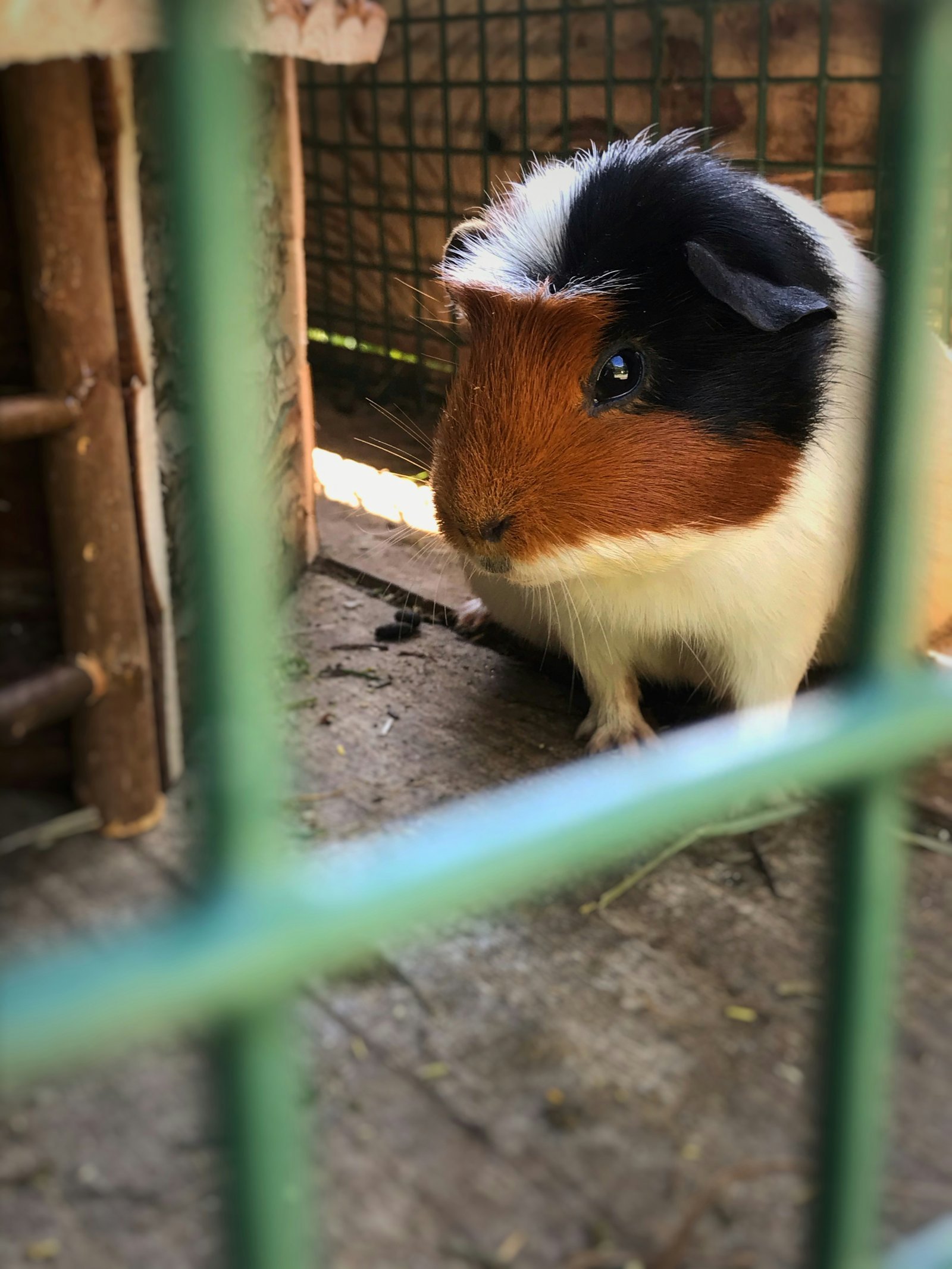
Maintaining a clean cage for your guinea pig is essential not only for the pet’s health but also for the overall living environment. Guinea pigs are known for being sensitive to their surroundings, and a clean habitat significantly impacts their well-being. Regular cleaning helps to prevent the buildup of waste that can lead to unpleasant odors and unhealthy living conditions.
One of the key benefits of a clean guinea pig cage is the prevention of bacterial infections and diseases. Guinea pigs excrete various waste products, which can harbor harmful bacteria if left unattended. Regular cleaning minimizes the risk of sick pets and promotes a healthier environment. Additionally, maintaining hygiene in the cage helps to control parasites, which can thrive in filthy conditions.
A clean cage also enhances the overall comfort and happiness of your pet. Guinea pigs are social and rooted in their environment; cleanliness allows them to explore and interact comfortably. A dirty cage can lead to stress and anxiety in pets, which in turn can affect their behavior and health adversely. When the cage is neat, guinea pigs can enjoy a pleasant living space, leading to increased relaxation and better overall health.
Moreover, cleanliness contributes to the aesthetic value of the pet area. A tidy cage is more visually appealing for pet owners and visitors alike. It reflects responsible pet ownership and demonstrates respect for the animal and its needs. Taking just a few minutes every day to clean the cage can foster a positive living environment for guinea pigs, promoting their well-being and ensuring a happy, active pet.
Gathering Your Cleaning Supplies
Cleaning a guinea pig cage efficiently requires preparation and the right tools. To streamline the process and ensure it can be completed in under 10 minutes, gather the essential supplies beforehand. This approach not only saves time but also makes the cleaning experience more effective.
Firstly, a hand-held vacuum is invaluable for quickly removing loose fur, bedding, and debris from the cage floor. Opt for a vacuum with strong suction and a specialized attachment for corners and edges to reach all areas of the cage. In addition to the vacuum, having disposable gloves on hand is crucial for personal hygiene and cleanliness during the process.
Next, a pet-safe cleaning solution is necessary to sanitize the cage without harming your guinea pig. Ensure that the cleaning product you choose is specifically designed for pet environments, as this will help eliminate harmful substances while effectively removing any stubborn stains. Pair this solution with paper towels or reusable cloths for easy application and wiping.
A brush with firm bristles can also enhance your cleaning efforts, especially for scrubbing surfaces and corners within the cage that may collect grime. For bedding, it is essential to have fresh material ready to replace the old. Fleece or paper-based bedding is ideal, as it is absorbent and provides a comfortable environment for your pet.
Finally, organizing and having everything in one designated area can further streamline the cleaning process. Consider placing all supplies in a basket or caddy for easy transport to the cage. This way, you can quickly access everything you need without unnecessary delays. With these supplies prepared in advance, cleaning your guinea pig’s habitat becomes an efficient task.
Removing Your Guinea Pig Safely
When cleaning a guinea pig cage, the first and foremost step is to safely remove your pet from the enclosure. This process is critical not only for the welfare of your guinea pig but also for reducing stress levels associated with sudden movements or loud noises. To begin, ensure that you are calm and composed, as guinea pigs are sensitive to their owner’s emotions.
First, approach the cage gently and speak softly to your guinea pig. This helps them recognize your presence and reduces any anxiety they may have. Depending on their disposition, you may want to offer a small treat—this can encourage them to come closer to you, making it easier to pick them up.
When it is time to handle your guinea pig, always support their body properly. Slide one hand gently under their chest, while the other hand supports their hindquarters. This method allows them to feel secure, as guinea pigs must feel stable to avoid panic. Make sure to lift them slowly and steadily to prevent any sudden movements that could startle your pet.
It is essential to keep the surrounding noise low during this process. If your household is busy or noisy at the moment, you may want to take your guinea pig to a quieter area before cleaning its cage. Additionally, it’s important to be mindful of the height from which you lift them. Guinea pigs can be frightened by heights, so keeping them close to the ground will create a sense of safety.
Lastly, once removed from the cage, provide reassurance by speaking softly and stroking their back gently. This comfort helps in alleviating any stress from the transition and prepares them for their time away from the cage during cleaning.
Efficient Methods for Emptying the Cage
Cleaning a guinea pig cage effectively requires a systematic approach, particularly when aiming to complete the task in under ten minutes. One of the most efficient methods starts with the removal of old bedding. First, gather your materials, including a scoop, a small shovel, or a vacuum designed for pet waste. If using a scoop, select one with a wide surface to allow for quick collection of bedding, waste, and food remnants.
Before starting, ensure you have a designated waste disposal bag or bin close by. This minimizes the time spent moving back and forth. Begin by removing any uneaten food and placing it in the disposal. Next, use the scoop or vacuum to effectively gather the soiled bedding. If opting for a vacuum, consider a handheld model which can easily reach corners and crevices, where waste often accumulates.
For larger pieces of waste, such as droppings or leftover vegetables, ensure that your instrument is positioned correctly to capture these quickly. If you choose to vacuum, adjust the setting if necessary, to prevent damage to the bedding material while still efficiently picking up debris.
Consider implementing a routine where you spot clean daily to minimize the build-up of waste. This allows for a more manageable cleaning process every few days, keeping the cage environment fresh without requiring excessive effort. Additionally, having a consistent cleaning schedule reduces overall cleaning time, contributing to a healthier habitat for your guinea pig.
Implementing these quick and efficient methods allows pet owners to maintain a clean cage with minimal disruption to their daily routine, while ensuring that their pets’ living conditions remain optimal.
Cleaning the Cage Surfaces
Cleaning the surfaces of a guinea pig cage is essential for maintaining a healthy living environment for your pet. To begin the cleaning process, it is crucial to choose a pet-safe cleaning solution. Many standard household cleaners contain chemicals that can be harmful to small animals. Instead, opt for solutions specifically designed for cleaning pet cages, or consider a mixture of vinegar and water as a natural, safe alternative.
Equipped with the right cleaning solution, gather essential tools, such as a sponge, a scrub brush, and paper towels. A sponge can effectively remove grime while a scrub brush is ideal for scrubbing away stubborn stains. Paper towels can come in handy for drying off surfaces after cleaning, ensuring that your guinea pig’s living area remains dry and comfortable.
When it comes to the actual cleaning, pay special attention to corners and hiding spots within the cage. These areas can accumulate waste and bacteria if not cleaned thoroughly, which could pose health risks to your guinea pig. It’s also important to clean any accessories or toys that are within the cage. Disturbing these items allows you to clean underneath and ensures that hidden dirt is addressed.
Ensure that you focus on high-traffic areas where your guinea pig spends the most time. Regularly inspecting and disinfecting these locations will further reduce the risk of bacterial build-up. Remember, a clean cage not only enhances the comfort of your guinea pig but also contributes positively to its overall health. Committing a few extra moments to focus on these details during the cleaning process can significantly impact the well-being of your furry friend.
Rinsing and Drying the Cage
After successfully applying a cleaning solution to your guinea pig’s cage, it is crucial to rinse the enclosure thoroughly to eliminate any residual cleaning agents. Leaving cleaning solutions on the surface can pose significant health risks to your pet, including skin irritations or respiratory issues. Therefore, it is advisable to use warm water when rinsing, as this helps in effectively removing any remnants of the cleaning products. Make sure to inspect all corners and crevices of the cage, as these areas can harbor hidden cleaning solution that might be harmful to your guinea pig.
To facilitate a comprehensive rinsing process, consider using a spray nozzle, which can help direct a steady stream of water efficiently. For those without a hose attachment, a bucket or container can serve as a practical alternative. Ensure that you completely flush out all areas of the cage, including bedding and accessories, applying additional water as needed to remove any persistent residues.
Once rinsing is concluded, focus turns to drying the cage swiftly to prepare it for your pet. Employing towels is an effective method; absorbent towels can help remove excess moisture quickly. It’s advisable to use a clean towel dedicated solely to this task to avoid transferring any unwanted odors or residues back to the cage. Alternatively, consider placing the cage in a well-ventilated area. Natural airflow can enhance the drying process significantly. If circumstances allow, positioning the cage outdoors for a brief period can expedite moisture evaporation while providing excellent ventilation.
Reorganizing the Cage Setup
Following a thorough cleaning of your guinea pig’s cage, it is essential to reorder the setup to promote both comfort and mental stimulation for your pet. An effective cage setup begins with the application of fresh bedding. Choose absorbent, soft bedding materials, such as aspen shavings or fleece, as these will help keep your guinea pig comfortable while absorbing moisture. Start by laying down a generous layer of bedding across the entire bottom of the cage, ideally around one to two inches deep, to create a soft and cozy environment.
Next, position the food and water dishes in easily accessible locations. The food bowl should be placed in a corner of the cage to minimize mess, helping to keep other areas clean. Ensure that the water bottle is elevated just above the bedding level, preventing spillage and ensuring that your guinea pig can drink comfortably. It is also wise to choose heavy, non-tip bowls to prevent them from being easily overturned or spilled.
Once your food and water fixtures are set, it is time to arrange toys and hiding spots. Incorporate a variety of stimulating toys, such as chew toys, tunnels, and hammocks, to encourage exploration. Additionally, provide hiding spots such as cardboard boxes or small igloos where your guinea pig can retreat and feel secure. Place these items around the cage to create an interesting space for your pet to explore, ensuring that they are not obstructed by the food or water supply.
Finally, confirm that your guinea pig has enough space to move freely and comfortably between these essential areas. A well-organized cage setup not only enhances the living environment but also contributes to your guinea pig’s overall happiness and well-being.
Reintroducing Your Guinea Pig
After cleaning your guinea pig’s cage, it is essential to reintroduce your pet in a manner that ensures its comfort and happiness. Begin this process by preparing the cleaned cage adequately; ensure that all bedding, food, and water are fresh and the environment is stress-free. Guinea pigs are sensitive creatures, and any abrupt changes can lead to anxiety or confusion.
Start the reintroduction by gently placing your guinea pig back into the cage, allowing it to explore its familiar surroundings. You might want to hold your pet for a brief moment before placing it down, as this provides reassurance. Once in the cage, observe your guinea pig closely for any signs of discomfort or stress. Look for behavior such as hiding, excessive vocalization, or pacing, which may indicate that it is feeling uneasy in its newly cleaned environment.
It can be beneficial to introduce your pet to its favorite toys and treats to encourage a positive association with the cleaned cage. Engaging the guinea pig in play or providing it with chew items can help ease any anxiety. Additionally, consider maintaining a calm demeanor during this transition; your guinea pig can sense your emotions, and a relaxed approach may help it feel more secure.
Monitoring your guinea pig’s behavior throughout the day after reintroduction is crucial. Some guinea pigs may take longer to acclimate than others, and patience is key. If you notice any continuing signs of distress, it may be necessary to assess the environment and make adjustments that could enhance its comfort. By following these steps, you can ensure a smooth transition back to the recently cleaned cage, promoting a healthy and happy environment for your beloved pet.
Tips for Maintaining a Clean Cage Between Deep Cleans
Keeping a clean environment for your guinea pig is essential for its health and happiness. To maintain cleanliness between deep cleans, adopting a consistent routine is essential.
One effective strategy is spot cleaning. This involves daily checks to remove soiled bedding, uneaten food, and other waste that accumulates quickly. Focusing on high-traffic areas where your guinea pig spends most of its time can make the process more efficient. Guinea pigs often prefer specific corners of their cage, so ensuring these spots are cleaned regularly will significantly reduce odors and build-up.
Incorporating a routine helps maintain a clean cage. A schedule can be organized to include a quick clean each day and a more thorough cleaning weekly. For instance, dedicating just a few minutes each day to dispose of droppings and replenish fresh bedding can be effective. This not only keeps the cage tidy but also makes the weekly deep clean less overwhelming.
Additionally, consider using absorbent bedding materials designed for small animals. These can help control odors better and minimize the frequency of cleaning required. Furthermore, placing a few extra layers of bedding in areas where your guinea pig likes to nest can ensure maximum comfort while simplifying your maintenance tasks.
Lastly, make sure to monitor food and water supplies closely. Spillage can lead to quick contamination in their environment, so providing a secure feeding area can have a positive impact on overall cleanliness. In summary, by implementing daily spot cleaning, maintaining a cleaning routine, choosing suitable bedding, and securely managing food and water, pet owners can ensure a consistently clean cage for their guinea pig.