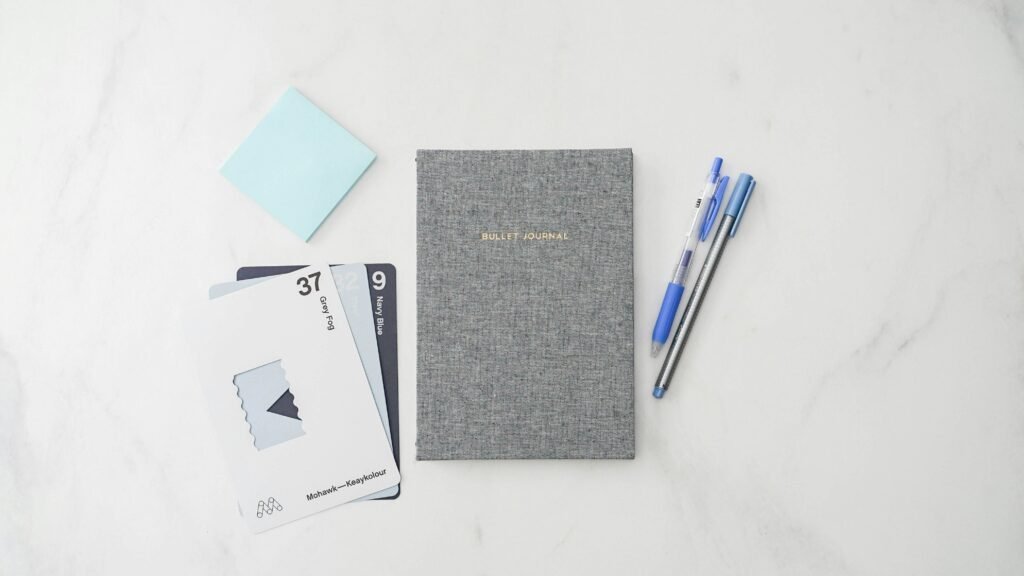

Bullet journaling, a customizable organization system, has gained immense popularity in recent years as a way to enhance productivity and mindfulness. Originating from the mind of designer Ryder Carroll, the bullet journal system is designed to allow individuals to create a personal organization tool tailored to their specific needs. At its core, this journaling method combines elements of a planner, diary, and to-do list, offering users a uniquely flexible way to track tasks, goals, and events.
One of the primary purposes of bullet journaling is to cultivate a sense of clarity and focus in everyday life. By incorporating various bullet journal techniques, users can organize their thoughts visually and streamline daily tasks into manageable formats. This method also encourages regular reflection, helping individuals prioritize their schedules and identify long-term goals. As more people adopt this practice, the community surrounding bullet journaling has rapidly expanded, with abundant resources and creative ideas available online.
For effective bullet journaling, it is crucial to select the right materials that enhance the overall experience. Among these materials, pens play a significant role. The right pen can significantly contribute to the aesthetic quality of a bullet journal layout, ensuring that writing is not only legible but visually appealing. However, one common issue faced by bullet journal enthusiasts is bleed-through, which can detract from the overall presentation of the journal. Selecting pens specifically designed to minimize this problem is essential for maintaining clean and organized pages.
In exploring the best pens for bullet journaling, particularly those that prevent bleed-through, we can enhance our journaling experience. The following sections will delve deeper into the considerations necessary for choosing the right writing instruments, emphasizing their impact on the quality of bullet journaling.
Understanding Pen Types and Their Features
When it comes to bullet journaling, selecting the right pen can significantly enhance the experience. Various types of pens offer unique features that cater to different preferences and styles. The most popular pen types for bullet journaling are gel pens, ballpoint pens, and felt-tip markers, each boasting distinct characteristics that can impact your creative process.
Gel pens are well-regarded for their smooth ink flow and vibrant colors. The gel ink provides a rich, even application, making them ideal for intricate designs, lettering, and doodling. They typically come in a variety of nib sizes, ranging from fine to bold. However, one important consideration with gel pens is their drying time, which can vary by brand and color. Therefore, it’s crucial to choose a fast-drying gel pen if you frequently write on thin paper or if you are prone to smudging.
Ballpoint pens are another popular choice due to their reliability and versatility. They use a thicker oil-based ink, which dries quickly, significantly reducing the risk of bleed-through. Ballpoint pens offer consistent performance on various paper types, making them suitable for everyday journaling. The nib sizes also vary, though most ballpoint pens lean towards medium or broad points, suited for clear, legible writing.
Finally, felt-tip markers are favored for their bold lines and vibrant colors. These pens usually feature a porous tip, which allows for the even application of ink. Felt-tip markers are particularly advantageous for creating eye-catching headers or illustrations. However, caution should be exercised as some felt tips may bleed through thinner paper, so selecting ink formulations labeled as non-bleed or safe for journaling is critical.
Understanding these pen types and their features will empower you to make informed choices enhancing your bullet journaling experience.
The Importance of Paper Quality
In the realm of bullet journaling, the quality of paper plays a pivotal role in determining the overall experience and effectiveness of the process. A significant aspect to consider is how different types of paper interact with various pens, particularly regarding ink absorption and bleed-through. Poor quality paper can lead to smudges and discoloration, detracting from the aesthetic appeal and functionality of one’s journal.
Good bullet journal paper should possess certain attributes to enhance the writing experience. Primarily, it should be thick enough to prevent bleed-through, ensuring that ink from one side of the page does not seep through to the others. This is particularly important when using gel or fountain pens, which can exhibit higher fluidity. As a guideline, paper that is at least 160 GSM (grams per square meter) is often recommended, as this thickness provides a sturdy foundation that reduces the risk of bleed-through.
Additionally, the texture of the paper can significantly affect the flow of the pen. Smooth paper typically allows for effortless writing, making it easier to create intricate designs and lettering without interruption. Alternatively, some may prefer a more textured paper that offers a tactile element to the journaling experience. Ultimately, the choice of paper is subjective, as it depends on personal preferences and the type of pens being used.
For those seeking reliable options, several notebooks stand out for their high-quality paper. Brands such as Leuchtturm1917 and Rhodia are esteemed in the bullet journaling community for their thick, bleed-resistant pages, designed specifically to accommodate a variety of pen types. Evaluating the quality of paper in a bullet journal not only enhances the visual aspect of journaling but also contributes to a more enjoyable and stress-free writing experience.
Factors Contributing to Bleed-Through
Bleed-through is a common issue faced by bullet journal enthusiasts, which can be frustrating when attempting to maintain a neat and organized journal. Several factors can contribute to this phenomenon, including ink viscosity, pen pressure, and the texture of the paper used. Understanding these variables can help you select the best pens that minimize bleed-through, ensuring your creative expressions remain legible.
Ink viscosity plays a critical role in how ink interacts with the paper. Pens with low-viscosity ink tend to flow more freely, which can lead to a greater propensity for bleed-through, especially on thinner paper. On the other hand, high-viscosity inks, such as those found in gel pens and some ballpoint pens, dry quickly and often sit on the surface of the paper rather than seeping through. Choosing pens specifically designed with ink viscosity in mind can be beneficial in avoiding bleed-through.
Another factor influencing bleed-through is pen pressure. Writers who apply excessive pressure while using their pens may cause the ink to saturate the paper fibers more than necessary, leading to bleed-through. It is advisable for users to practice a lighter grip when writing. This not only enhances the longevity of the pen but can also help reduce the probability of ink soaking through to the other side of the page.
Lastly, the texture of the paper itself should not be overlooked. Smooth paper tends to absorb ink more effectively, reducing the chance of bleed-through, whereas rough or porous paper types may exacerbate the problem. Selecting high-quality dot grid journals or papers specifically designed for pen use can significantly mitigate the bleeding issue, allowing for a more enjoyable bullet journaling experience.
Top Pens for Bullet Journaling: No Bleed-Through Selection
For bullet journal enthusiasts, selecting the right pen can significantly enhance the journaling experience. It’s essential to choose pens that not only write smoothly but also prevent bleed-through on pages. Here are some of the top contenders that have gained admiration among users for their performance in bullet journaling.
1. Pilot G2 Gel Pen: The Pilot G2 is a popular choice for bullet journalists due to its smooth ink flow and quick-drying capabilities. Available in various tip sizes, it provides versatility for different styles of writing and drawing. Users appreciate the comfort grip, which allows for extended writing without fatigue. However, some users have reported that lighter colors may experience slight bleed-through on thinner paper.
2. Micron Pigma Pens: Renowned for their archival quality, Micron pens are ideal for bullet journaling. With a range of sizes, these pens produce crisp lines and are highly resistant to bleeding. The ink is waterproof, chemical-resistant, and fade-resistant, making it a favorite among artists and those who enjoy intricate designs. Keep in mind that they may require a light hand to avoid smudging.
3. Tombow Fudenosuke Brush Pen: This brush pen is excellent for adding artistic flair to bullet journals with its flexible brush tip. The Tombow Fudenosuke is available in hard and soft tips, allowing for varied strokes. Users love its ability to create both fine lines and bold brush strokes without bleeding through paper. Nevertheless, it may take practice to master the brush technique.
4. Sharpie S-Gel: The Sharpie S-Gel pen combines a sophisticated design with an outstanding writing experience. The gel ink glides smoothly, dries quickly, and resists bleed-through on most journaling paper. Consumers enjoy the sleek body and reliable performance, although some may find that it performs best on specific types of paper.
These pens have proven their merit in the bullet journaling community, offering features that cater specifically to preventing bleed-through. Choosing the right pen will ultimately depend on personal preferences, styles, and techniques. Experimenting with different types may lead to discovering the ideal pen for your bullet journaling journey.
Testing Pens for Bleed-Through: A Step-by-Step Guide
Testing your pens for bleed-through is a crucial process for bullet journal enthusiasts seeking to maintain the integrity of their pages. To begin, you will need a few essential materials. First, select a variety of pen types, including gel pens, fineliners, and fountain pens. Then, gather multiple types of paper, such as copier paper, watercolor paper, and dedicated bullet journal paper. Each type of paper has different absorbency levels, which will affect the ink behavior.
Start your test by setting up a controlled environment. Place each type of paper on a flat, hard surface to ensure stability. It is advisable to work in a well-lit area so that you can clearly see any bleed-through results. Using a ruler or a straight edge, draw a line about one inch from the top of the page and label each paper sample with the type of pen being tested.
Select one pen at a time and apply it to the paper. It is important to use consistent pressure and stroke length to maintain accuracy across tests. After you have written a short phrase or created a doodle, allow the ink to dry completely, which usually takes about 30 seconds for most fast-drying inks.
Once the ink has dried, hold the paper up to a light source to examine the back side for bleed-through. If you see ink seeping through, make a note of the pen and the paper combination for your records. Repeat this testing process with each pen and paper type. Take time to document your findings, as this record will help inform your future pen usage and ensure that your bullet journal remains neat and clean.
Following this step-by-step guide will allow you to select pens that suit your style and that are less likely to cause unsightly bleed-through, enhancing your bullet journaling experience.
Care Tips for Bullet Journaling Pens
Maintaining your bullet journaling pens is essential for ensuring their longevity and performance. Proper care can prevent issues such as ink clogging, drying out, and inconsistent ink flow, which can affect your writing experience. Here are several tips to consider for taking care of your pens:
First and foremost, always store your pens in a horizontal position whenever possible. This prevents the ink from settling and ensures consistent ink flow during your next writing session. If your pens are designed with a cap, remember to securely close them after use to keep them from drying out.
Secondly, cleaning your bullet journaling pens periodically can significantly enhance their lifespan. One effective method is to flush the nib with cool water, especially if you notice any clogging during use. For gel or fountain pens, it is advised to rinse the nib under running water and gently wipe it with a soft cloth. Avoid using abrasive materials which may scratch the surface.
Additionally, be mindful of the paper you use in your bullet journal. Using low-quality paper can lead to ink bleed-through and might damage your pens as well. Opt for bleed-resistant paper specifically designed for journaling to maintain the integrity of both your writing and your pens.
Lastly, when writing, apply a consistent and moderate amount of pressure. Excessive force not only affects the pen’s performance but can also wear down the nib over time. By following these care tips, you will prolong the life of your bullets journaling pens, ensuring a reliable and enjoyable writing experience.
User Reviews and Recommendations
Bullet journaling has garnered a large community of enthusiasts who share their experiences and preferences regarding various tools, particularly pens. User reviews often reflect personal insights that can help others make informed decisions on which pens to incorporate into their bullet journaling practices.
Many users recommend gel pens for their smooth writing experience and vibrant ink colors. One widely praised option is the Pilot G2 gel pen, known for its quick-drying ink, making it less likely to smear. Users highlight that its ink consistency allows for smooth lines, which is vital for those wanting to create clean, aesthetically pleasing bullet journal layouts. Additionally, many found it effective in preventing bleed-through, even on thinner paper.
Another favorite among the journaling community is the Sakura Pigma Micron pen. Artists and journalers alike commend its fine tip and archival quality ink, which provides excellent precision for intricate designs and lettering. Reviewers note that it performs exceptionally well on various types of paper, including softer journal sheets, while avoiding the common issue of ink bleeding through the pages. Users appreciate the range of available nib sizes, catering to both delicate detailing and bolder strokes.
Beyond these popular choices, many are also enthusiastic about using fountain pens. Brands like Lamy and Pilot offer models that provide a more personalized writing experience. Users frequently mention their delight in choosing different ink colors and experiencing the unique feel of writing with a fountain pen. However, reviewers advise ensuring that the paper used is suitable to prevent undesirable bleed-through.
By examining these recommendations, new bullet journaling enthusiasts can navigate through various products and select pens that align with their specific needs while fostering creativity in their journaling practices.
Conclusion and Final Thoughts
Throughout this guide, we have explored the critical aspects of selecting the best pens for bullet journaling, specifically focusing on the no bleed-through feature that many journalers seek. We highlighted various types of pens, including gel, fineliner, and brush pens, each offering unique attributes that cater to different styles of journaling. The careful consideration of pen characteristics such as ink flow, nib size, and drying time can greatly enhance the bullet journaling experience.
We also discussed the importance of testing different pen combinations to discover what works best for your individual needs. Every bullet journaler has a distinct style, and it can be beneficial to experiment with different shades and styles of pens to find the right balance of functionality and aesthetics. Remember, personalization is key in bullet journaling—not only in how you organize your content but also in how you express your creativity through your choice of writing instruments.
As you embark on your bullet journaling journey, we encourage you to take risks with colors and layouts, and to find that perfect pen pairing that inspires you. Whether you prefer bold strokes for expressive doodles or precise lines for intricate planning, the right tools can help you elevate your journaling skills. Always keep in mind that each pen offers an opportunity to reflect your personality and artistic vision in your bullet journal.
In conclusion, the variety of pens available makes it easier to craft a bullet journal that is uniquely yours, free from bleed-through issues. Take the time to explore your options, and enjoy the process of making your journal a true representation of your thoughts and creativity.