

Introduction to Plein Air Painting and Its Challenges
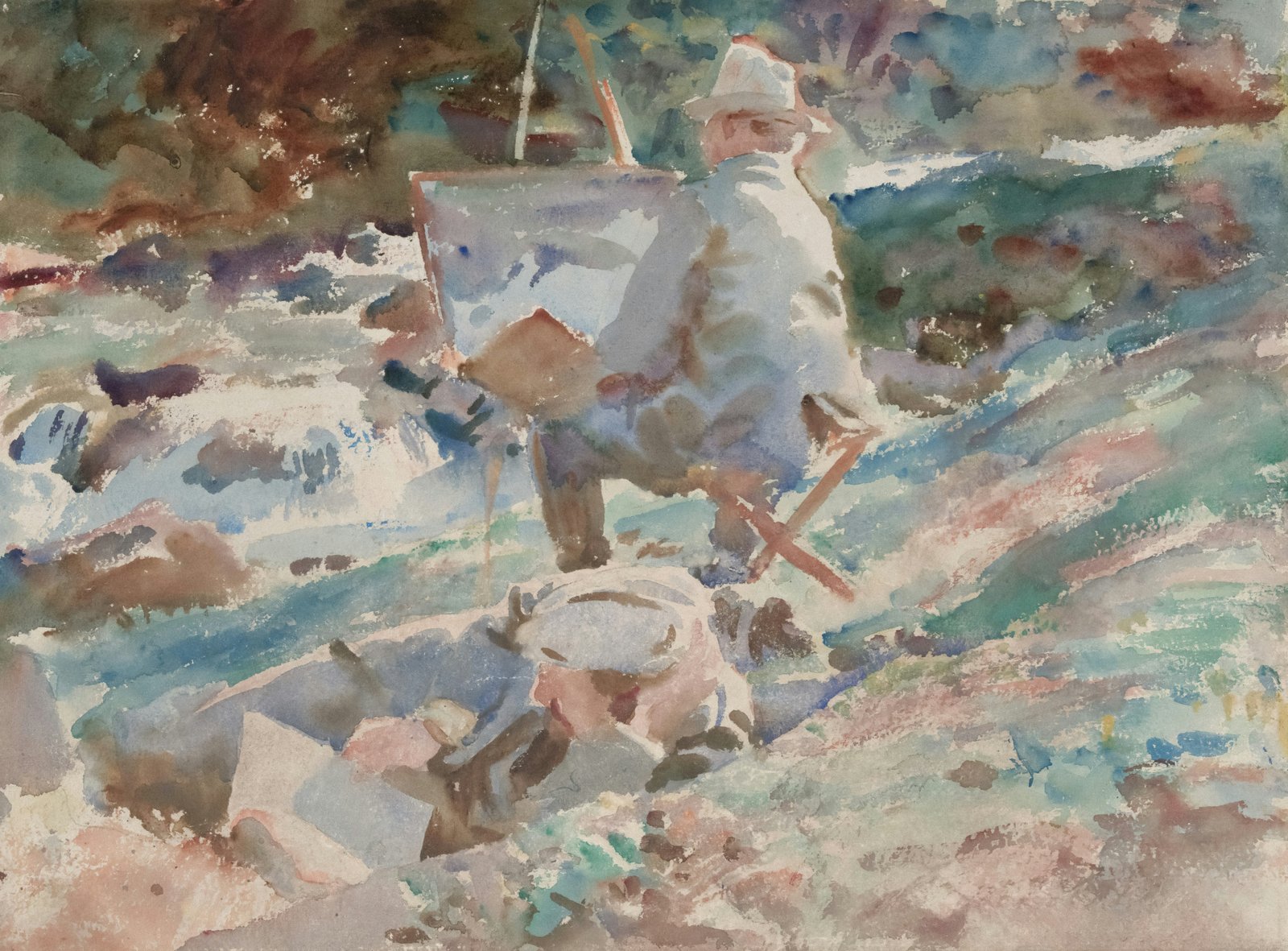
Plein air painting, a term derived from the French phrase “à la plein air,” refers to the practice of painting landscapes outdoors, on-site, rather than in the controlled environment of a studio. This approach has captured the fascination of artists for centuries, offering a unique opportunity to engage directly with the natural world. Artists are drawn to plein air painting due to the vibrant colors and varying light conditions found outside, allowing them to capture the essence of a moment in a way that is often unattainable in the confines of a studio.
One of the primary appeals of plein air painting is the spontaneous connection it fosters between the artist and their surroundings. Working outdoors provides a dynamic experience, as the subtle changes in light can dramatically transform a scene within minutes. Artists must adapt swiftly to these shifts, requiring skillful decision-making and quick execution. This element of urgency not only challenges the artist technically but also enhances their ability to translate feelings and observations onto canvas.
However, plein air painting is not without its challenges. The outdoor environment introduces various uncontrollable factors, including weather conditions, fluctuating light, and the presence of insects or other distractions. Additionally, artists must contend with portability—choosing materials that are both lightweight and durable is essential. Watercolor paper and other tools must withstand outdoor conditions since they may be subjected to moisture or rough handling as the artist seeks the perfect scene. Selecting the appropriate watercolor paper is crucial, as it has to be resilient enough to endure multiple layers and washes, while also allowing for the quick application that plein air requires.
Understanding Watercolor Paper Types
Watercolor paper is essential for artists, particularly those who engage in plein air painting. The quality and type of paper can significantly influence the outcome of a painting. Watercolor papers are primarily categorized based on their surface texture, which includes rough, cold-pressed (noted as “NOT”), and hot-pressed (or “smooth”). Each type has distinct characteristics that cater to different techniques and preferences.
Rough watercolor paper features a textured surface that allows for ample water retention, creating a natural, expressive quality in washes and brush strokes. This type is often favored by artists looking to achieve a more spontaneous appearance, as the uneven texture can create interesting effects with color dispersal.
Cold-pressed paper, on the other hand, strikes a balance between texture and smoothness. It has a unique, slightly textured finish that supports detailed work, making it versatile for many techniques. This paper allows for controlled washes while maintaining the ability to lift pigments easily, which is particularly useful for creating highlights or correcting mistakes.
In contrast, hot-pressed watercolor paper has a smooth surface ideal for detailed work, such as fine lines and intricate designs. This paper is well-suited for artists who prefer a more controlled application of water and paint. However, due to its minimal texture, it may require more precision and is often less forgiving than other types.
In addition to surface texture, the composition and weight of watercolor paper play crucial roles. Most watercolor papers are made from 100% cotton or a combination of cellulose and wood pulp. Cotton papers are more durable and flexible, making them highly regarded by professional artists. The weight of watercolor paper is measured in grams per square meter (gsm), with heavier papers (around 400 gsm) capable of withstanding more water. Artists typically choose the paper based on the techniques they wish to employ and their personal style, ensuring the most effective surface for their plein air painting endeavors.
Key Features to Look for in Watercolor Paper for Plein Air
When selecting watercolor paper for plein air painting, several key features should be taken into account to ensure a successful outdoor painting experience. One of the first considerations is the weight of the paper, measured in grams per square meter (gsm). Heavier papers, such as those weighing 300 gsm, are often recommended as they can withstand significant water application without buckling. This is particularly important for plein air artists who wish to achieve rich, layered washes without worrying about the integrity of their surface.
Texture is another critical attribute. Watercolor papers typically come in three textures: rough, cold-pressed (NOT), and hot-pressed (smooth). Cold-pressed papers, with their slightly textured surface, are favored by many plein air artists as they allow for a balance of detail and wash application. However, the choice of texture often depends on personal preference and the techniques the artist wishes to employ.
Absorbency is also vital. The paper’s ability to retain and absorb water affects how the pigment disperses and interacts with the surface. Good watercolor paper should allow adequate absorbency while preventing the colors from becoming overly diluted. Additionally, for plein air painting, a certain degree of durability against changing weather conditions is necessary. Papers that are less prone to warping and can resist moisture are ideal for outdoor work.
Finally, for artists on the move, portability becomes significant. Look for lightweight and easily foldable pads that can fit into a backpack without taking up too much space. Some papers come as blocks, which provide additional durability, as they are glued on all sides. This feature helps to maintain a flat surface during painting, reducing the risk of warping in outdoor settings.
Top Recommended Watercolor Papers for Plein Air Painting
When it comes to plein air painting, selecting the right watercolor paper is crucial for achieving the desired results. Here are some of the top recommended options available, each tailored for different artistic preferences and painting techniques.
1. Arches Watercolor Paper
Known for its exceptional quality and durability, Arches offers both cold-press and hot-press watercolor papers. The cold-press variant is particularly favored for its texture, which allows for excellent water retention and paint layering. Its strength means it can withstand heavy washes without buckling. However, the price point can be higher than other brands, making it a significant investment for serious artists.
2. Fabriano Artistico
Another top-tier choice, Fabriano Artistico is made with 100% cotton fibers, providing a luxurious feel and superior absorbency. Similar to Arches, it comes in both cold-press and hot-press options. Artists appreciate its versatility and ability to handle various paint types, including granulating pigments. While it behaves well with wet techniques, care should be taken as excessive water can saturate the paper quickly.
3. Strathmore 500 Series
This watercolor paper is renowned for its balanced surface and affordability. The cold-press variety from Strathmore’s 500 Series is ideal for both beginners and seasoned artists, offering a reliable performance, especially during outdoor excursions. Its lighter weight makes it easier to transport, but it may not handle heavy washes as well as its cotton counterparts.
Each of these watercolor papers brings unique attributes that cater to various plein air painting styles. Selecting the appropriate paper depends on your preferred techniques and the conditions you expect to encounter outdoors, ensuring the best possible results in your artistic endeavors.
Comparing Natural vs. Synthetic Paper Options
When it comes to plein air painting, the choice between natural and synthetic watercolor paper is fundamental, as it can significantly impact the overall experience and outcome of the artwork. Natural watercolor papers, typically made from 100% cotton or cellulose, possess unique qualities that appeal to many artists. The absorbency and texture of natural papers allow for vibrant color representation, making them ideal for artists who prioritize color depth and blending capabilities. Their ability to withstand heavy washes without warping also enhances their appeal for outdoor use where weather conditions can vary.
On the other hand, synthetic watercolor papers are increasingly gaining popularity due to their durability and lightweight nature. These types of papers are often made from a combination of polyester or other synthetic materials, offering resistance to tearing and water damage. Such properties can be particularly advantageous when working outdoors, where unexpected elements can challenge the longevity of the materials. Synthetic options also tend to have a smoother surface, which can facilitate quick and easy paint application, making them suitable for artists who prefer more fluid brushwork.
However, synthetic paper has its drawbacks. While it may excel in terms of durability, some artists find that it lacks the texture and absorbent qualities that natural paper provides, which may affect the final appearance of the painting. This difference can be especially pronounced when using traditional watercolor techniques, where layers and washes are crucial. Consequently, the decision between natural and synthetic options should be guided by the specific needs of the project and personal preferences. For instance, if an artist is planning to produce multiple washes and intricate detail work, natural paper might be the better choice. Conversely, for quick sketching sessions or environments where the artist expects exposure to the elements, synthetic paper could prove more advantageous.
Preparing Your Watercolor Paper Outdoors
When venturing out for plein air painting, preparing your watercolor paper correctly is crucial for achieving the desired artistic results. One of the first steps involves selecting the right paper based on your painting style, whether it is cold press, hot press, or rough. Each type has its unique texture and absorbency, which can dramatically influence the outcome of your work.
Once you have chosen your watercolor paper, it may be beneficial to stretch it, particularly if you anticipate using copious amounts of water. Stretching helps to prevent the paper from buckling during the painting process. To stretch your paper, begin by soaking it in water for a few minutes until completely saturated. Then, place the damp sheet onto a sturdy board, ensuring it is positioned flat. Use masking tape or painter’s tape along the edges to secure it firmly. This step is essential as it allows for even drying, preserving the integrity of the paper.
In addition to stretching, consider using a watercolor block. These blocks are pre-stretched, allowing for ease of use in various outdoor environments. They keep the paper flat while painting, reducing the preparation time on-site. If utilizing loose sheets, ensure your work area is stable and free from wind or moisture that might affect your painting.
Lastly, carry a palette that matches your technique and water control to complement your chosen paper. Ensure you have sufficient workspace by using a portable easel that can hold your watercolor paper securely. By following these preparation steps, you will create a foundation for a successful plein air painting experience, allowing you to focus on capturing the beauty of your surroundings.
Tips for Storing and Protecting Your Watercolor Paper During Outdoor Painting
When engaging in plein air painting, one of the fundamental considerations is the proper storage and protection of your watercolor paper. This ensures that your materials remain intact and that your artistic efforts are preserved. To begin with, choose a reliable portfolio or watercolor case specifically designed for outdoor use. These often come with padded sections, preventing the paper from bending or creasing during transportation. When selecting your case, ensure it is lightweight yet durable enough to withstand the outdoor elements.
Weather can be unpredictable, and protecting your watercolor paper from environmental factors is crucial. Carry plastic sleeves or waterproof bags to shield your paper against rain or humidity. If you anticipate exposure to direct sunlight, consider a UV protective cover for your artwork, which will help to prevent fading and deterioration of the colors.
Utilizing a sturdy easel that can withstand wind is equally important when painting outdoors. An easel with adjustable legs can help you maintain stability on uneven terrain while providing a secure platform for your paper. Additionally, keeping your working area tidy will minimize the risk of accidental damage; this means organizing your brushes, palette, and paper effectively, ensuring that nothing is inadvertently knocked over or spilled.
Once your artwork is completed, ensure that the watercolor paper is fully dry before storing it flat in your case. If using a sketchbook, gently place a clean sheet of cardboard between pages to prevent smudging. Lastly, consider investing in archival-quality options for longer-term storage of your unused sheets. This will not only protect the paper but also help in maintaining the quality and longevity essential for successful plein air painting.
Techniques for Working with Watercolor Paper en Plein Air
Working with watercolor paper en plein air can be both rewarding and challenging due to the inherent unpredictability of outdoor conditions. To maximize effectiveness while painting outside, it is vital to employ several practical techniques tailored to this unique environment.
One effective method is to utilize a variety of brushstroke techniques. For instance, broad strokes with a flat brush can help cover larger areas of your watercolor paper efficiently. Conversely, fine detailing can be achieved using a round brush, allowing for precise control essential for capturing intricate elements of your landscape. Be mindful of the pressure applied with your brush to create different textures and effects; varying pressure will yield contrasting results that can lend depth to your artwork.
Layering is another critical technique to consider when painting outdoors. It involves building a composition through successive layers of paint, allowing for a more dynamic and rich representation of the scene. The beauty of watercolor lies in its transparency; thus, starting with lighter washes and gradually adding darker layers creates dimension and vibrancy. Ensure adequate drying time between layers to prevent muddiness and maintain clarity in your colors.
Handling wet paint in a natural setting requires particular attention. Outdoor environments can be unpredictable, with wind and varying humidity levels affecting drying times. Carrying a palette with a lid or covering your watercolor paper with a damp cloth can protect your work from dust and direct sunlight. Additionally, using a travel easel can stabilize your materials, facilitating smoother brush movements and minimizing accidental smudging.
In adapting these techniques to your plein air practice, remain flexible and responsive to the environment. Your watercolor journey outdoors is as much about the experience as it is about the finished piece, and these strategies can enhance both the process and the outcome.
Conclusion: Making the Best Choice for Your Plein Air Practice
Choosing the right watercolor paper is crucial for enhancing the plein air painting experience. Throughout this guide, we have explored various factors that influence the selection of watercolor paper, which directly affects the quality of the artwork produced. Artists must consider the weight, texture, and sizing of the paper, as these attributes can significantly impact paint application and drying times.
For instance, heavier papers generally offer greater absorbency and durability, making them well-suited for outdoor conditions. Additionally, different textures, such as rough or hot-pressed, cater to varying artistic styles and techniques, allowing for a more personalized approach. Moreover, understanding the significance of sizing in watercolor papers ensures that the paint behaves predictably, leading to more successful outcomes.
Ultimately, the best watercolor paper for plein air painting aligns with the artist’s personal preferences, painting style, and the specific conditions of the outdoor environment. It is advisable to test various papers to find the optimal match that complements one’s artistic vision. This exploration can elevate not only the technical aspects of painting but also the overall enjoyment and satisfaction derived from the plein air process. Students and professionals alike are encouraged to invest time and resources in selecting their watercolor supplies carefully.
In conclusion, selecting the appropriate watercolor paper is indispensable for both novice and experienced plein air painters. This strategic choice not only enhances the overall painting experience but also significantly affects the quality and longevity of the final artwork. By taking into account the insights shared in this guide, artists can make informed decisions that best suit their individual artistic practices while enjoying the beauty of painting in natural settings.


