
Introduction to Companion Planting
Companion planting is a gardening technique that involves growing two or more different plant species in proximity for mutual benefit. This method has its roots in ancient agricultural practices, where farmers observed the natural relationships between plants. By leveraging these interdependencies, urban gardeners can enhance their gardens’ productivity and sustainability.
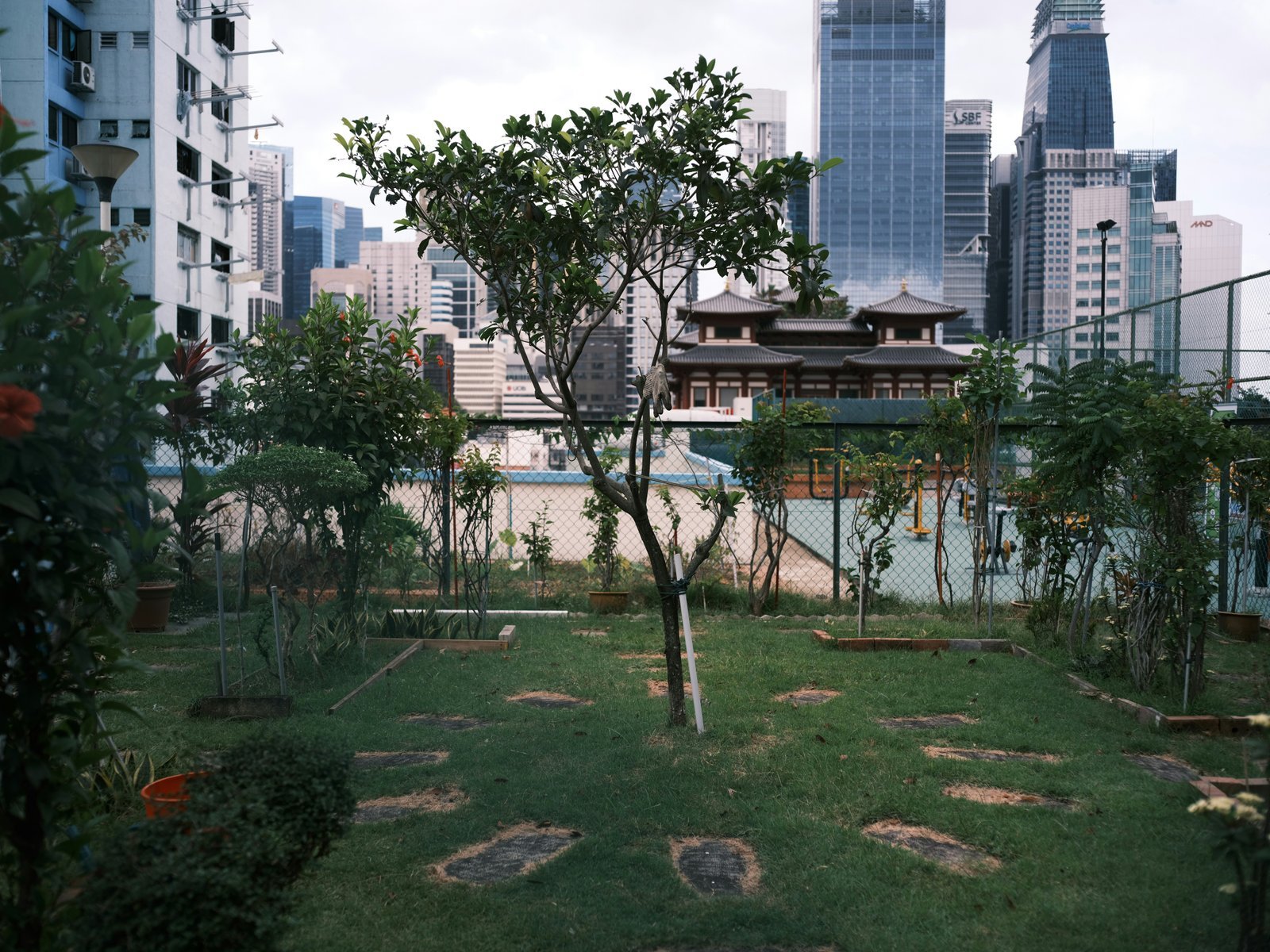
For urban gardeners, companion planting is particularly significant. It addresses space limitations by maximizing the efficiency of small garden plots. It promotes increased biodiversity, which is vital for creating a healthy ecosystem in urban settings. By choosing compatible plants, gardeners can cultivate a thriving environment that naturally wards off pests and diseases, eliminating the need for harmful pesticides.
Unlike traditional gardening, which may focus on monoculture—growing a single type of crop—companion planting encourages polyculture, where multiple varieties co-exist. This approach not only aids in pest control but also enhances nutrient uptake and growth rates of the participating plants. For instance, certain plants can provide shade, while others may act as natural repellents to harmful insects, protecting neighboring species.
The benefits of companion planting extend beyond immediate growth advantages. It also fosters a richer soil ecology, contributing to long-term soil health. Over time, companion plants can improve nutrient availability and promote beneficial microorganisms in the soil. Such interactions are particularly crucial in urban gardens, where soil may be degraded or compacted.
In summary, companion planting serves as a strategic approach for urban gardeners seeking to optimize their limited spaces while enhancing their gardens’ resilience. By carefully selecting plant combinations, they can create more productive and sustainable environments that support both plant health and ecosystem balance.
Tomatoes and basil are widely recognized as ideal companion plants, a relationship that extends back through centuries of gardening practice. The compatibility of these two plants stems from multiple factors, each playing a vital role in enhancing the growth and health of one another.
First and foremost, basil is known to improve the flavor and aroma of tomatoes. This synergy can be attributed to the volatile compounds released by basil, such as eugenol. These compounds not only contribute to the distinct taste of basil but also positively influence the chemical composition of neighboring tomatoes, leading to a richer flavor profile. This effect has been supported by various studies which demonstrate that the proximity of basil can enhance the sensory qualities of tomatoes, making them more appealing for culinary use.
Additionally, basil offers a natural form of pest control, acting as a deterrent against various insects that commonly target tomatoes, such as aphids and whiteflies. This ability to repel pests reduces the need for chemical pesticides, aligning with organic gardening principles. The diverse chemical compounds present in basil are known to confuse and repel pests, which significantly lowers the likelihood of infestations and promotes healthier tomato plants.
The relationship between tomatoes and basil extends beyond these benefits. Both plants thrive in similar growing conditions, including sunlight and moisture levels, making them practical choices for urban gardeners. Studies have indicated that growing them in close proximity can result in improved yields for both plants, allowing urban gardeners to maximize the productivity of their limited space. This harmony in growth habits further exemplifies why they are often found together in gardens worldwide.
Preparing Your Urban Garden for Companion Planting
Urban gardening presents unique challenges and opportunities for those looking to cultivate a flourishing garden. When preparing your urban garden for companion planting, particularly with tomatoes and basil, it is essential to begin by selecting the right location. Choose a spot that receives at least six to eight hours of direct sunlight each day to promote healthy growth for both crops. Urban spaces often limit the sheer amount of gardening area available, which makes optimizing each square foot of your garden crucial.
Soil quality is a fundamental factor in successful urban gardening. Begin by assessing your existing soil—this may include testing its pH and nutrient levels. To enhance soil fertility, mix in well-rotted compost and organic matter. This will not only provide essential nutrients but also improve soil structure, which is critical for root development. Aim for a loose, well-draining soil that retains some moisture without becoming waterlogged.
When it comes to spacing, tomatoes and basil should be planted with sufficient room for air circulation and growth. General guidelines suggest that tomato plants should be spaced 18 to 24 inches apart, while basil can be planted 12 inches apart. This arrangement allows for optimal growth and helps prevent disease. Additionally, consider the potential height of tomato plants; keep these in a position where they will not overshadow basil, which typically grows lower to the ground.
The optimal planting time for tomatoes and basil in urban settings aligns with the warmer months. Typically, this is after the last frost date, around late spring to early summer, depending on your region. By following these steps—careful location selection, soil preparation, and proper spacing—you can create an effective and productive environment for your companion plants, maximizing yields from your urban garden.
Planting Techniques for Success
Integrating tomatoes and basil in an urban garden requires careful attention to planting techniques to ensure both plants thrive. Firstly, real estate is limited in urban settings, making the efficient use of space critical. Plant tomatoes and basil in a manner that maximizes their growth potential while allowing adequate air circulation. A common planting depth for tomatoes is approximately 2 feet apart and 1-2 inches deep. This depth promotes strong root establishment, overall growth, and enhances tomato production. Conversely, basil can be planted closer together, about 12 inches apart, as its root system is shallower.
Watering requirements for tomatoes and basil differ slightly. Tomatoes thrive on consistent moisture but are sensitive to overwatering, which can lead to root rot. A deep watering method is recommended, typically 1-2 inches of water weekly, so the soil is moist but not saturated. In contrast, basil prefers well-drained soil with a weekly watering schedule that ensures the soil remains lightly moist, but not soggy. This balance can significantly aid in the establishment of both plants.
Caring for tomatoes and basil involves regular pruning and monitoring for pests. When pruning tomatoes, remove suckers and yellowing leaves, which helps improve airflow and prevents disease. Basil should be harvested regularly to encourage bushier growth and prevent flowering, which can alter its flavor. For urban gardeners using containers, ensure pots have adequate drainage and consider using a fertilizer regimen aimed at both herbs and vegetables, which will support their respective growth needs.
Visual aids, such as planting diagrams, can greatly enhance understanding. For a simple container setup, position the taller tomatoes back and the basil in front to utilize vertical space effectively and provide full sun exposure for both plants. This strategic layout not only optimizes each plant’s growth but also enhances overall garden aesthetics.
Maintaining healthy tomato and basil plants in your urban garden not only enhances their growth but also maximizes their companion planting benefits. Proper care plays a significant role in the success of these plants throughout the growing season.
Firstly, establishing a consistent watering schedule is crucial. Tomatoes require deep watering, ideally about 1-2 inches per week, depending on the climate and rainfall. It is beneficial to water these plants in the early morning to minimize evaporation and to prevent fungal diseases. Basil, on the other hand, enjoys consistently moist soil, so aim to keep a close watch on the moisture level and water accordingly. Both plants thrive with well-draining soil, so ensure your pots or garden bed have adequate drainage.
Feeding is another essential aspect of care. Fertilization can help support the growth of tomatoes and basil significantly. Use a balanced fertilizer that features equal parts nitrogen, phosphorus, and potassium. During the growing season, apply fertilizer every four to six weeks, decreasing the frequency as the season winds down. Be wary of over-fertilizing, as this may lead to lush foliage at the expense of fruit production in tomatoes.
Pruning is vital for both plants to promote air circulation and encourage a bushier growth. With tomatoes, remove suckers that form in the leaf joints to direct energy towards fruit development. For basil, pinch back the blossoms to stimulate leaf production; this practice hinders the plant from going to seed too early. Regularly trimming both plants can lead to a more vigorous harvest.
Finally, monitoring for pests and diseases will ensure that your tomato and basil companion plants flourish. Keep an eye out for common pests such as aphids and whiteflies, which may affect both species. Neem oil can be a helpful organic option for treatment while ensuring to inspect the foliage regularly for any signs of diseases, such as wilt or blight, to act promptly.
Harvesting Tips and Tricks
Properly harvesting tomatoes and basil is essential for maximizing flavor, freshness, and productivity in your urban garden. For tomatoes, the timing of the harvest greatly influences taste. Ideally, you should begin harvesting tomatoes when they reach full color—this is usually indicated by a deep red hue for red tomatoes. It’s best to gently twist the fruit from the vine rather than pulling, which can damage the plant. The best time to harvest is during the cooler parts of the day, either early morning or late afternoon, to reduce stress on the plant and retain moisture.
When it comes to harvesting basil, the technique differs slightly, as regular pruning can promote bushier growth and a higher yield. It is advisable to harvest basil when the plant has grown at least six inches tall. To encourage healthy growth, only pick the top leaves of the basil and avoid stripping the lower leaves. Using your fingers to pinch off the leaves or scissors to snip just above a leaf node ensures that new growth will emerge from the stem, allowing for continued production throughout the growing season.
Additionally, avoiding harvesting on rainy days will help prevent diseases and pests, ensuring the health of both the basil and tomato plants. After harvesting, it is recommended to avoid wetting the freshly picked leaves as this can lead to bruising. Instead, let them dry on a clean cloth. Following these harvesting techniques will not only help you maintain peak flavor in your tomatoes and basil but also foster an environment conducive to ongoing growth and productivity in your urban garden.
Troubleshooting Common Issues
In the urban setting, gardening enthusiasts may encounter several challenges while cultivating the synergistic pair of tomatoes and basil. Addressing these issues effectively is crucial for ensuring a productive garden. Nutrient deficiencies are a common concern; tomatoes require ample nitrogen, phosphorus, and potassium, while basil also thrives in rich, loamy soil. To combat nutrient deficiencies, urban gardeners are advised to conduct soil tests and amend their soil with organic fertilizers or compost, which not only enhances soil quality but also provides the necessary nutrients for both plants.
Pest infestations can also pose significant problems. Urban areas attract various pests that might affect tomato and basil plants, such as aphids, whiteflies, and spider mites. To manage pests naturally, gardeners can use insecticidal soap or introduce beneficial insects like ladybugs and lacewings, which help control harmful populations. It is essential to monitor plants regularly for signs of pest activity to respond promptly and mitigate damage.
Diseases, including blight and powdery mildew, can further complicate the growth of tomatoes and basil in close proximity. Ensuring good air circulation between plants, watering early in the day to allow for proper drying, and practicing crop rotation can help prevent these issues. Additionally, selecting disease-resistant varieties can significantly reduce the chances of infection.
Lastly, environmental problems such as high temperatures and limited sunlight can affect growth. Urban gardeners should aim to select a planting location that receives at least six to eight hours of sunlight daily and provide adequate watering, particularly during heat waves. Use of shade cloths can also alleviate stress during extreme heat. By understanding and implementing these practical solutions, urban gardeners can navigate common challenges and successfully cultivate the harmonious duo of tomatoes and basil.
Creative Ways to Use Your Harvest
Urban gardening not only provides an opportunity for food cultivation but also offers a unique chance for culinary creativity, especially with vibrant ingredients like tomatoes and basil. These two plants are not just companions in the garden, but they also make a dynamic duo in the kitchen. The versatility of tomatoes and the aromatic freshness of basil can elevate a variety of dishes.
One of the simplest yet most satisfying uses of your tomato harvest is to prepare a classic tomato salad. Combine ripe tomatoes with fresh basil, mozzarella cheese, and a drizzle of olive oil and balsamic vinegar for a refreshing dish that celebrates the ingredients. Another recipe that highlights both flavors is caprese skewers – just thread cherry tomatoes and basil leaves onto a skewer, and add a piece of mozzarella or a drizzle of pesto for an easy appetizer.
Preservation of your harvest can be just as delicious. Making basil pesto is a popular option that can preserve the herb’s vibrant flavor. Blend fresh basil leaves with garlic, pine nuts, Parmesan cheese, and olive oil until smooth. This pesto can be stored in the refrigerator or frozen in ice cube trays for convenience. Use it to dress pasta, as a spread on sandwiches, or as a drizzle over grilled vegetables.
Incorporating your tomatoes into sauces is another excellent way to make the most of your harvest. A homemade tomato sauce can be quickly made by sautéing onions and garlic in olive oil, adding chopped tomatoes, and seasoning with basil, salt, and pepper. This sauce can be used for pasta dishes, pizza, or as a base for stews.
Furthermore, consider canning your tomatoes to enjoy their flavor throughout the year. Canned tomatoes can be used in countless recipes, maintaining the taste of summer even in the colder months. By exploring the culinary uses of your urban garden harvest, you not only enhance your meals but also relive the joy of gardening with every delicious bite.
Conclusion: The Benefits of Companion Planting in Urban Gardening
Companion planting, particularly the pairing of tomatoes and basil, offers a multitude of advantages for urban gardeners looking to maximize their small spaces. This technique enhances the growth and flavor of both plants, as basil is known to repel pests that typically afflict tomatoes while simultaneously attracting beneficial insects. Through mutual support, these plants create an environment that fosters increased yield and overall health, demonstrating the advantages of thoughtful garden planning.
Urban environments often pose challenges with limited space and resources; however, companion planting allows urban gardeners to utilize their available area more effectively. By integrating a diverse array of plants, one can not only improve their crop yield but also contribute positively to the local ecosystem. This method encourages biodiversity, reduces the need for chemical pesticides, and promotes sustainable gardening practices that can benefit the community and environment.
Furthermore, the relationship between tomatoes and basil embodies the broader principle of companion planting; that is, certain plants complement each other in ways that enhance growth, flavor, and resilience. Urban gardening enthusiasts are encouraged to explore additional plant pairings, expanding their gardening horizons beyond the basic tomato and basil combination. The understanding of these relationships within plant communities allows gardeners to be more strategic in their planting decisions, creating symbiotic environments that yield healthier and more flavorful harvests.
In conclusion, companion planting not only provides practical benefits for urban gardeners but also promotes a more sustainable and ecologically friendly approach to gardening. By exploring further pairings and adopting these methods, urban dwellers can contribute positively to both their gardens and the environment, making the practice of companion planting a valuable addition to any urban gardening strategy.