
Introduction to Coffee Grounds as Fertilizer
Coffee grounds have gained recognition among gardening enthusiasts and sustainable agriculture advocates for their potential as a natural fertilizer. As an organic material, coffee grounds contribute to improving soil health in multiple ways. They are rich in essential nutrients such as nitrogen, phosphorus, and potassium, which are vital for plant growth and development. By integrating coffee grounds into the soil, gardeners can enhance nutrient availability, ensuring that plants thrive throughout their growing cycles.
Furthermore, coffee grounds help in improving soil structure. When mixed into garden soil, they aid in improving aeration and drainage, allowing for better water retention and root penetration. This enhanced soil structure enables plants to access nutrients more efficiently, ultimately leading to healthier vegetation. The texture of coffee grounds also facilitates the development of a rich compost, making them an excellent addition to compost piles.
Attracting beneficial organisms is another notable benefit of using coffee grounds as fertilizer. Earthworms and other soil microbes are drawn to the grounds, as they provide a rich source of organic matter. This activity encourages a vibrant ecosystem within the soil, promoting natural processes that enhance plant health and growth. The use of coffee grounds ultimately aligns with the growing trend toward sustainable gardening practices, as it emphasizes the recycling of household waste into productive resources.
As the trend for environmentally friendly gardening continues to rise, utilizing coffee grounds as a fertilizer represents a simple yet effective strategy. By embracing this organic option, gardeners can foster healthier gardens while benefiting the environment through reduced waste.
Nutritional Benefits of Coffee Grounds
Coffee grounds are rich in several essential nutrients, making them a valuable addition to any garden soil. Predominantly, coffee grounds provide a significant source of nitrogen, an element that is crucial for plant growth and development. Nitrogen plays a pivotal role in the synthesis of proteins and enzymes, promoting healthy foliage and overall plant vigor. Additionally, coffee grounds contain trace amounts of phosphorus and potassium, two nutrients that are important for root development and flowering. Phosphorus aids in energy transfer and photosynthesis, while potassium is vital for water regulation, disease resistance, and the setting of fruit.
Another noteworthy aspect of coffee grounds is their organic content, which can enhance soil structure by improving aeration and moisture retention. As coffee grounds decompose, they contribute to the formation of humus, enriching the soil with organic matter that benefits microbial activity. Furthermore, the mild acidity of coffee grounds can be beneficial for certain plants. Plants such as azaleas, rhododendrons, and blueberries thrive in acidic conditions, making coffee grounds an appropriate choice for these varieties.
However, it is important to consider the impact of the acidic nature of coffee grounds on different types of plants. While some plants may flourish in acidic soil, others, such as lavender and certain vegetables like carrots, prefer neutral to alkaline conditions. Therefore, before incorporating coffee grounds into the soil, it is advisable to evaluate the specific pH requirements of the plants being cultivated. Overall, using coffee grounds as a fertilizer can not only enrich the soil but also promote healthier plants due to the diverse range of nutrients they provide.
Do’s of Using Coffee Grounds in the Garden
Using coffee grounds as a natural fertilizer can greatly enhance the health and productivity of your garden, provided that certain practices are followed for optimal results. First and foremost, proper collection of coffee grounds is essential. Ensure that you gather used coffee grounds from your daily brew, avoiding any that contain added sugar or creamer, as these can attract pests and lead to undesirable microbial growth. Store the coffee grounds in a sealed container to maintain their freshness and prevent moisture loss; a compost bin is an excellent option for this purpose.
When it comes to mixing coffee grounds with soil, maintaining the correct ratios is crucial. A good guideline is to ensure coffee grounds make up no more than 20% of your total soil mix. This will help maintain an appropriate balance of nutrients while preventing potential issues related to soil acidity. Additionally, it is advisable to combine coffee grounds with other organic materials, such as leaves or grass clippings, to create a more balanced compost mix. This strategy not only enhances nutrient availability but also promotes beneficial microbial activity in the soil.
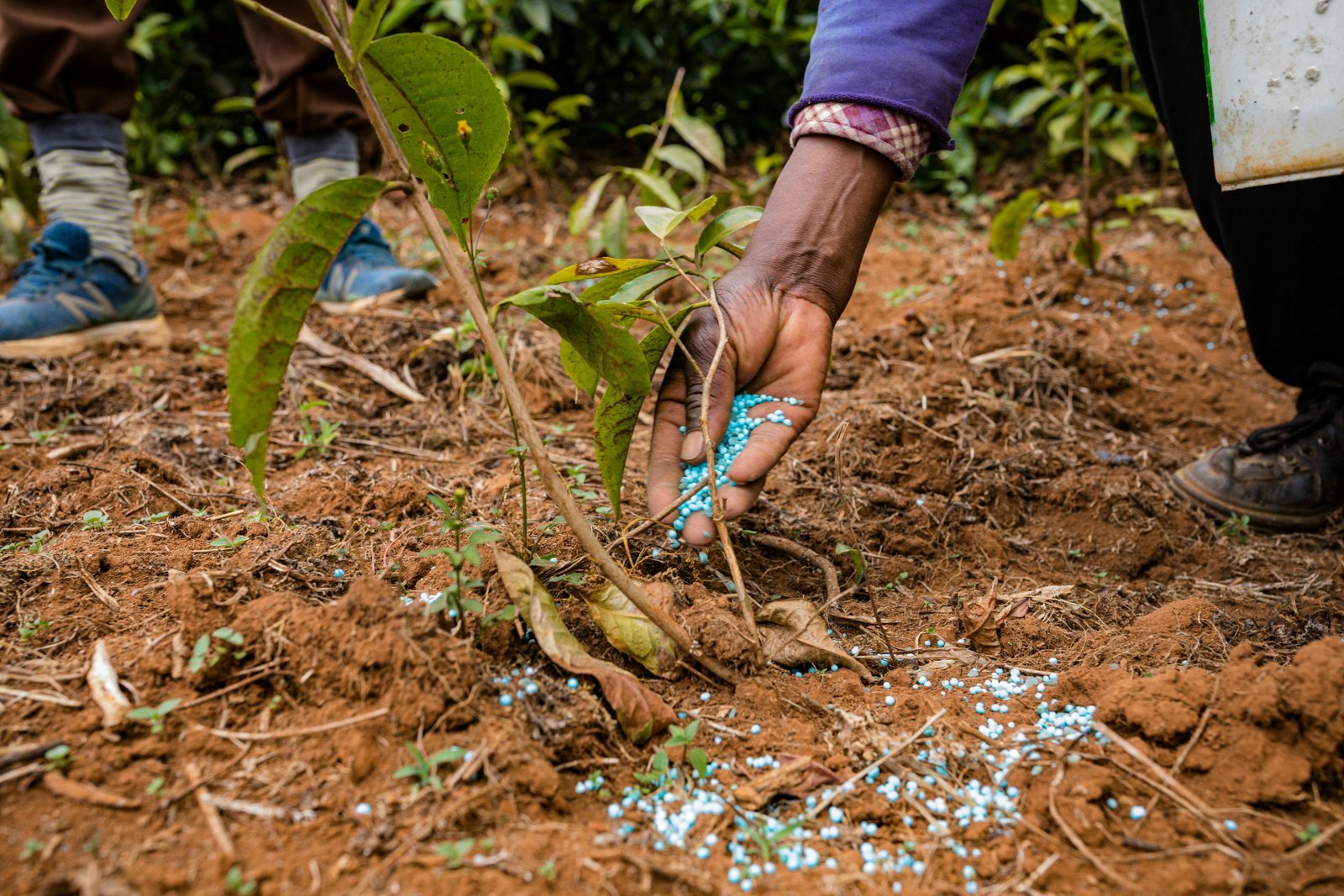
Applying coffee grounds effectively is another important consideration. You can sprinkle them directly onto the soil surface around your plants or incorporate them into your compost pile. For optimal results, focus on using coffee grounds around acid-loving plants such as blueberries, azaleas, and rhododendrons. These plants can benefit from the natural acidity that coffee grounds provide.
Lastly, composting coffee grounds before application can significantly boost their effectiveness as a fertilizer. Composting allows the grounds to break down further, releasing nutrients gradually and improving soil structure. This ensures a healthier growth environment for your plants, maximizing the benefits that coffee grounds can provide.
Common Mistakes to Avoid
When utilizing coffee grounds as fertilizer in your garden, it’s crucial to be aware of the common pitfalls that can adversely affect plant health and soil quality. One of the most significant mistakes is over-application. Although coffee grounds carry beneficial nutrients such as nitrogen, the excess can lead to imbalances in soil pH and nutrient availability. A blanket application without proper assessment can hinder plant growth rather than promote it, as too much of a good thing can become detrimental.
Another critical point to consider is the use of grounds from flavored or sweetened coffee. These types of grounds may contain added sugars or artificial flavors, which can attract pests and pathogens or create an unfavorable environment for soil microorganisms. Utilizing plain coffee grounds, preferably organic, is advisable to avoid introducing unwanted substances into your garden.
Additionally, caution should be exercised regarding the use of old or moldy coffee grounds. Grounds that have been stored improperly or for an extended period can develop mold, which may harbor harmful pathogens that can adversely affect your plants. Always aim to use fresh coffee grounds that have been properly stored to maximize their benefits without introducing risks.
Another important consideration is that coffee grounds tend to have an acidic profile. Gardeners must consider the overall soil characteristics; those with high acidity may create further imbalances. Regular monitoring of soil pH will help ensure that the introduction of coffee grounds supports your garden’s health rather than disrupts it. Accordingly, integrating coffee grounds should be done thoughtfully and in moderation to foster thriving plants.
Best Plants for Coffee Ground Fertilization
Coffee grounds are not only a popular beverage ingredient but also serve as an excellent organic fertilizer. They can improve soil structure and provide essential nutrients. However, certain plants benefit more from coffee grounds due to their acid-loving nature. Understanding which plants are suited for coffee ground fertilization is crucial for a successful gardening experience.
Acid-loving plants thrive in soil with lower pH levels, making them ideal candidates for coffee ground fertilization. These plants include blueberries, azaleas, rhododendrons, and hydrangeas. Blueberries, in particular, flourish in acidic soils and benefit significantly from the nitrogen present in coffee grounds. Similarly, azaleas and rhododendrons appreciate the enhanced acidity that coffee grounds provide, promoting vibrant blooms and robust growth.
In contrast, there are plants that may not fare well with the acidity introduced by coffee grounds. Vegetables like carrots, cabbage, and broad beans prefer a more neutral soil pH. While they can tolerate some coffee grounds, excessive application may hinder their growth. Therefore, it is essential to monitor the effects of coffee ground fertilization on these plants.
To observe plant health effectively, consider conducting soil tests to determine pH levels before applying coffee grounds. Additionally, monitor your plants’ response to fertilization; signs of discoloration, stunted growth, or increased pest activity may indicate an adverse reaction. Implementing these observations will ensure the beneficial use of coffee grounds as fertilizer while promoting a thriving garden.
How to Compost Coffee Grounds Effectively
Composting coffee grounds effectively is a valuable practice for enhancing soil health and nutrient content. Coffee grounds are considered a “green” material, rich in nitrogen, which is essential for the composting process. To achieve a balanced compost pile, it is important to combine coffee grounds with “brown” materials, such as dry leaves, cardboard, or straw. This balance is crucial as it helps maintain adequate air flow and moisture levels, ensuring an efficient decomposition process.
When adding coffee grounds to your compost, it is recommended to mix them with other materials rather than layering them on top. This integration will help prevent clumping, which can lead to anaerobic conditions that hinder the composting process. Aim to maintain a carbon-to-nitrogen (C:N) ratio of about 30:1, with brown materials consisting of approximately three parts to every one part of coffee grounds. Effective mixing not only aids in breakdown but also fosters diverse microbial activity, which is beneficial for compost health.
To maintain healthy compost, regularly turn your pile to aerate it and promote even decomposition. Monitoring moisture levels is equally important; compost should feel like a damp sponge, retaining moisture without being overly wet. If the compost appears too dry, simply add water or more greens, including coffee grounds. On the other hand, if it is too wet, incorporate additional brown materials to absorb excess moisture.
Composting coffee grounds offers several advantages over direct application to soil. By composting, you allow the nutrients and beneficial microorganisms to break down fully, enhancing their availability for plants. Additionally, composting helps to stabilize the acidity of coffee grounds, making it more suitable for a wider range of plants. Overall, incorporating coffee grounds into a manageable compost pile can serve as an excellent organic fertilizer while reducing kitchen waste.
Real-Life Examples and Success Stories
Many gardeners across the globe have embraced the use of coffee grounds as a natural fertilizer, sharing their experiences and the significant transformations in their gardening practices. These personal anecdotes not only emphasize the effectiveness of this organic material but also serve as compelling illustrations of its environmental benefits.
For instance, a home gardener in California reported dramatically improved growth in her tomato plants after incorporating coffee grounds into her soil. Initially, her tomatoes suffered from poor yields, producing small, pale fruit. After amending her soil with used coffee grounds, which are rich in nutrients, she observed a substantial increase in both the size and flavor of her tomatoes by the following season. This success encouraged her to share her findings with fellow gardening enthusiasts, promoting the benefits of recycling waste through adding coffee grounds.
Another notable case is that of a community garden in New York City, where the incorporation of coffee grounds into various garden beds led to enhanced biodiversity and robustness in plant growth. Garden volunteers began collecting used coffee grounds from local cafes, mixing them with compost, and applying this nutrient-rich blend to their plots. The results were remarkable; flowers blossomed more vibrantly, and vegetables like carrots and peppers exhibited improved resistance to pests and diseases. Educating the community about this sustainable practice became an integral part of their gardening workshops, further highlighting the positive environmental impact of using coffee grounds.
These inspiring stories are just a glimpse into the potential benefits of integrating coffee grounds into gardening practices. By sharing practical experiences, these gardeners encourage others to consider the possibilities that used coffee grounds hold, paving the way for a greener, more sustainable gardening approach.
Environmental Impact of Using Coffee Grounds
Repurposing coffee grounds as fertilizer is an effective practice that presents numerous environmental benefits. One of the most significant advantages is the reduction of waste. Coffee grounds are often discarded in landfills, where they contribute to methane emissions and other environmental hazards. By recycling these grounds, we significantly minimize waste production, thus contributing to more sustainable waste management practices.
Integrating coffee grounds into gardening not only enhances soil quality but also promotes sustainable gardening techniques. The rich nutrients contained in coffee grounds—such as nitrogen, potassium, and phosphorus—can improve soil structure and fertility. This natural fertilizer offers an alternative to synthetic fertilizers, which often cause soil degradation and introduce harmful chemicals into the ecosystem. By choosing to use coffee grounds, gardeners can support eco-friendly practices that align with broader global environmental initiatives aimed at promoting sustainable agriculture.
Moreover, the use of coffee grounds in gardens can positively impact local ecosystems. The organic material from coffee grounds attracts beneficial microorganisms and earthworms, which are essential for maintaining a healthy soil structure. These organisms aid in breaking down organic matter, thereby releasing nutrients slowly and making them available for plant absorption. This process fosters a more balanced and vibrant garden ecosystem, promoting biodiversity and resilience against pests and diseases.
In summary, the ecological benefits of using coffee grounds as fertilizer extend far beyond simple gardening enhancements. By implementing this practice, individuals play a significant role in waste reduction, promote sustainable gardening, and contribute to healthier ecosystems. As more people adopt such sustainable practices, we collectively move towards a greener future, aligning our efforts with important global environmental initiatives.
Conclusion and Final Tips
Utilizing coffee grounds as a fertilizer can significantly enhance your gardening practices and contribute to sustainable agriculture. As discussed, coffee grounds are rich in nutrients that can benefit plants, particularly when it comes to nitrogen content, which is essential for their growth. Not only do they improve soil texture by contributing organic matter, but they also aid in moisture retention, which is indispensable for plant health.
However, it is crucial to approach the use of coffee grounds wisely. Adhering to the outlined do’s, such as ensuring that grounds are used in moderation and incorporating them into compost rather than applying them directly, will maximize their benefits. Conversely, avoiding practices like overusing coffee grounds or applying them to acid-sensitive plants will prevent detrimental effects on your garden.
To recap some key points: ensuring a balanced approach is vital, as too much of any one substance can lead to adverse reactions. Mixing coffee grounds with other organic matter strengthens the soil ecosystem, leading to healthier plants. Periodically testing your soil pH can provide valuable insights into how your plants might respond to added coffee grounds.
For those embarking on this exciting gardening journey, consider these final tips: collect used coffee grounds from local coffee shops to minimize waste, explore different applications like pest deterrent or mulch, and keep an eye on the overall health of your garden. By engaging in sustainable practices, you not only foster plant health but also contribute positively to the environment.