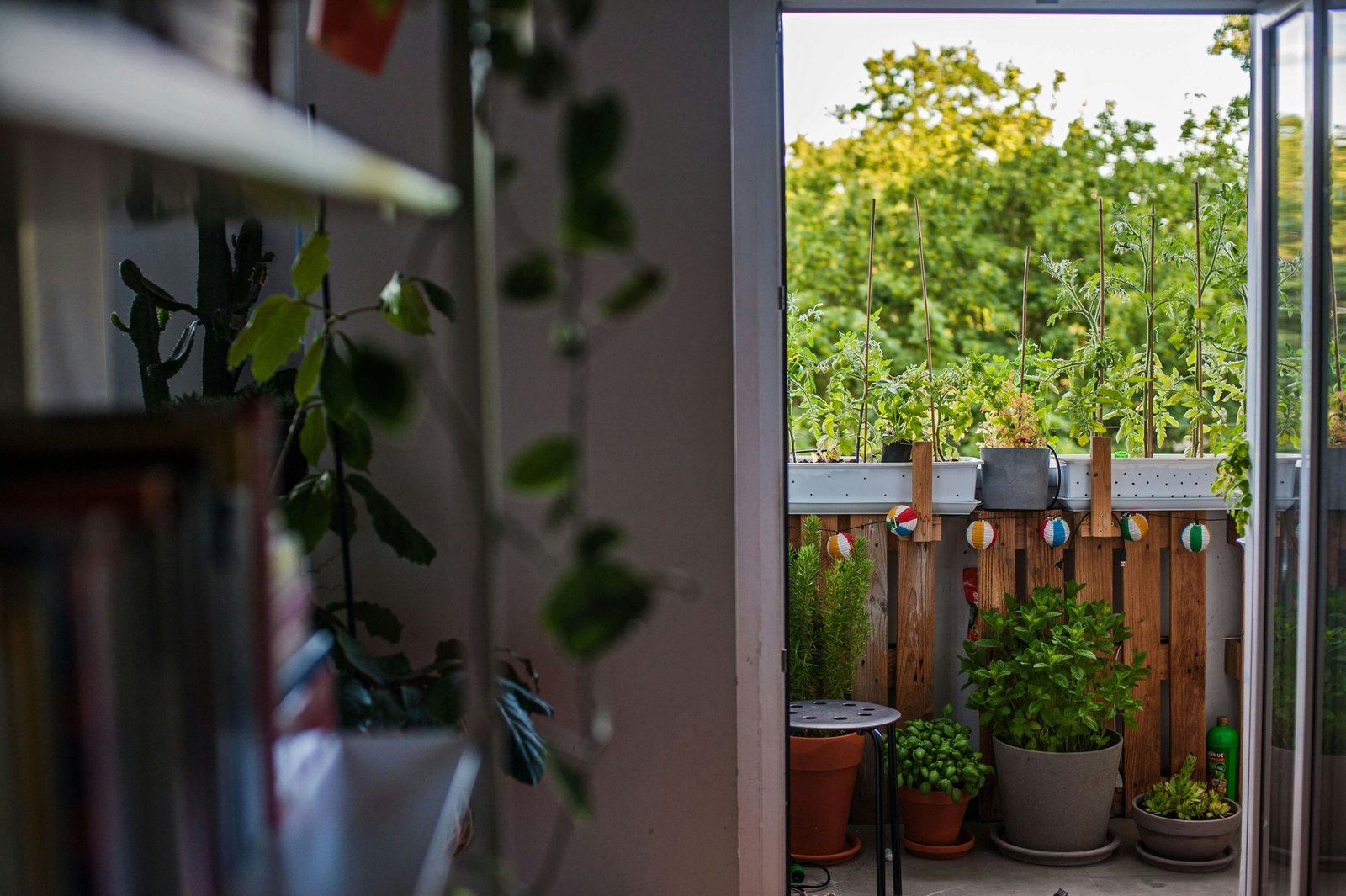

Introduction to Balcony Vegetable Gardening
Balcony vegetable gardening is rapidly gaining traction among urban dwellers, particularly as city living becomes increasingly prevalent. This form of gardening allows individuals with limited outdoor space to cultivate their own vegetables, thereby enhancing their living environment and promoting sustainable practices. The option to grow vegetables on a balcony not only provides an opportunity to enjoy gardening but also contributes to a more self-sufficient lifestyle.
One of the primary benefits of establishing a balcony vegetable garden is the easy access to fresh produce. Homegrown vegetables can significantly enhance dietary quality while reducing reliance on store-bought alternatives. This aspect is particularly appealing as people become more conscious about the origin of their food and the importance of eating seasonally. By growing their own vegetables, balcony gardeners can ensure that they are consuming pesticide-free and organic produce, aligning with health-conscious living.
Moreover, engaging in vegetable gardening offers a unique sense of satisfaction and accomplishment. As individuals nurture their plants and witness the fruits of their labor come to life, it instills pride and enhances mental well-being. Gardening serves as a therapeutic activity that can help alleviate stress, particularly in the fast-paced urban environment.
Lastly, balcony vegetable gardening allows for creative utilization of limited space. Urban gardeners can experiment with various planting strategies, such as vertical gardening and container gardening, to maximize their garden potential. This not only makes the most of small spaces but also allows for personal expression in the design and layout of the garden. In essence, cultivating a balcony vegetable garden is a fulfilling endeavor that brings together the joys of gardening, fresh produce access, and innovative use of urban space.
Mistake 1: Choosing the Wrong Vegetables
When embarking on the journey of creating a balcony vegetable garden, the selection of vegetables plays a critical role in achieving a successful and bountiful harvest. One of the most common mistakes that new gardeners make is choosing the wrong types of vegetables that are ill-suited for limited space. Not all vegetables thrive in small containers or require the same growing conditions; therefore, careful consideration is paramount.
Vegetables such as tomatoes, peppers, and various herbs are particularly well-suited for balcony gardening. They have relatively compact growth habits and can flourish in pots ranging from 5 to 10 gallons. For instance, determinate tomato varieties are an excellent choice for small areas as they grow to a certain height and are manageable without extensive staking or support. Likewise, pepper plants yield an abundance of produce in confined spaces and benefit from the warm microclimate a balcony can provide.
Conversely, selecting larger vegetables such as squash, pumpkins, or corn can lead to frustration for balcony gardeners. These plants typically require more space to grow both above and below ground, which is often not feasible in a limited area. Furthermore, they may compete for resources such as sunlight and nutrients, making them unideal candidates for container gardening.
In addition to the types of vegetables, it is crucial to factor in conditions such as sunlight exposure and climate. Identifying the light levels on your balcony—whether it receives full sun, partial shade, or full shade—will help steer your selections. The right vegetable choices can dramatically increase your chances of a thriving balcony garden, ultimately ensuring a rewarding gardening experience.
Mistake 2: Neglecting Sunlight and Water Requirements
When establishing a balcony vegetable garden, one of the most critical considerations is understanding the specific sunlight and water needs of chosen plants. Each vegetable species has distinct light requirements that can range from full sun to partial shade. For instance, vegetables like tomatoes and peppers thrive in full sun, requiring at least six to eight hours of direct sunlight daily. In contrast, leafy greens such as lettuce and spinach generally perform better in partial shade, particularly during hotter weather where excess sun can lead to bolting.
Assessing the sunlight exposure of your balcony is essential for successful vegetable growth. Observe how sunlight moves across your space throughout the day and identify whether any areas are predominantly shaded by surrounding structures or other plants. This evaluation allows you to choose appropriate vegetable varieties that can adapt to the lighting conditions of your balcony. Furthermore, rotational planting may help maximize light exposure over time.
In addition to sunlight, proper watering techniques play a paramount role in nurturing a balcony vegetable garden. Different plants require varied levels of moisture, and understanding these requirements is critical. One common error among novice gardeners is overwatering, which can lead to root rot and other moisture-related issues. To prevent this, it is advisable to ensure that pots have adequate drainage holes, allowing excess water to escape and preventing the roots from sitting in water.
Watering should be done based on the specific needs of the plants. Checking the moisture level of the soil with your fingers or using a moisture meter can help determine when to water. By carefully managing sunlight and water needs, you enhance the likelihood of a thriving balcony vegetable garden, fostering healthy plant growth and bountiful harvests.
Mistake 3: Ignoring Soil Quality and Fertilization
Soil quality plays a pivotal role in the success of any balcony vegetable garden. Many new gardeners overlook the importance of selecting the right soil for their container gardens, often opting for garden soil that is unsuitable for pots. Instead, it is essential to use a high-quality potting mix specifically formulated for container gardening. This mix is designed to provide good drainage, aeration, and moisture retention, all of which are crucial for the healthy growth of vegetables.
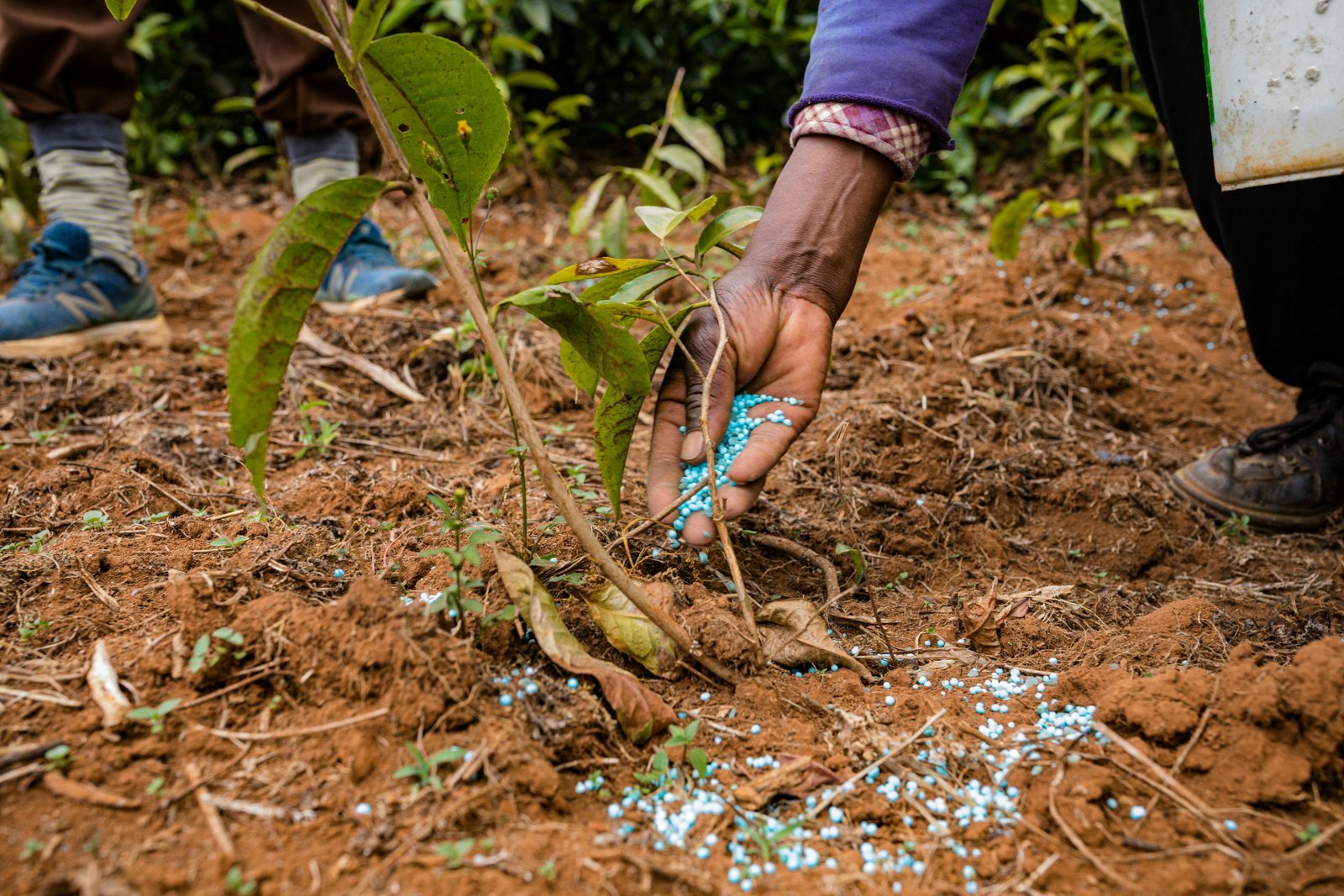
In addition to choosing the right soil, the role of nutrients cannot be understated. Container plants are typically limited in the nutrients available to them due to the small volume of soil in which they are growing. As a result, periodic fertilization becomes necessary to replenish the nutrients that plants consume over time. By using a balanced fertilizer, which includes key nutrients such as nitrogen, phosphorus, and potassium, gardeners can enhance plant growth and development.
Furthermore, it is advisable for gardeners to conduct a soil test before planting. This test can provide insights into the existing nutrient levels and pH of the potting mix, allowing for more informed decisions regarding fertilization. Adjusting soil acidity or nutrient levels can significantly impact plant health and productivity. Ultimately, paying careful attention to both soil quality and fertilization practices is fundamental in avoiding mistakes when starting a balcony vegetable garden. Such diligence will lead to a more fruitful and vibrant growing experience, ensuring that vegetables flourish in their confined environment.
Importance of Research and Planning
Starting a balcony vegetable garden can be an enriching experience, yet it is crucial to approach this endeavor with careful research and planning. Proper preparation lays the groundwork for a fruitful gardening experience and helps avoid the common pitfalls that many novice gardeners encounter.
One of the first steps in establishing a successful balcony vegetable garden is to create a layout plan. This involves understanding the available space, sunlight exposure, and access to water. Mapping out the arrangement of pots and containers will not only optimize space but also ensure that each plant receives adequate sunlight. Consideration should also be given to how plants will access resources like nutrients and water, which can affect their growth.
In addition to planning the physical layout, it is imperative to research suitable plants that can thrive in the local environment. Understanding the climate conditions of your area, including temperature ranges and seasonal changes, is key to selecting the right vegetables for your balcony. For instance, in warmer climates, you might choose heat-tolerant varieties, whereas, in cooler climates, selecting species that thrive in lower temperatures would be beneficial. An informed choice ensures a higher likelihood of successful germination and growth.
Moreover, be aware of potential pests and diseases that may affect your chosen plants. Researching local fauna can provide insights into which pests are prevalent and how to manage them effectively. By investing time in planning and conducting thorough research, gardeners can make informed decisions, resulting in a flourishing balcony vegetable garden rather than impulsively choosing plants that may not succeed. Adopting a strategic approach ultimately contributes to a rewarding gardening experience.
Tips for Optimizing Your Balcony Space
Creating a flourishing vegetable garden in limited balcony space requires strategic planning and creative solutions. One proven method for optimizing small areas is vertical gardening. By using wall-mounted planters or trellises, you can grow a variety of vegetables upwards rather than outwards, thus conserving valuable floor space. This technique not only maximizes garden space but also adds an aesthetically pleasing element to your balcony.
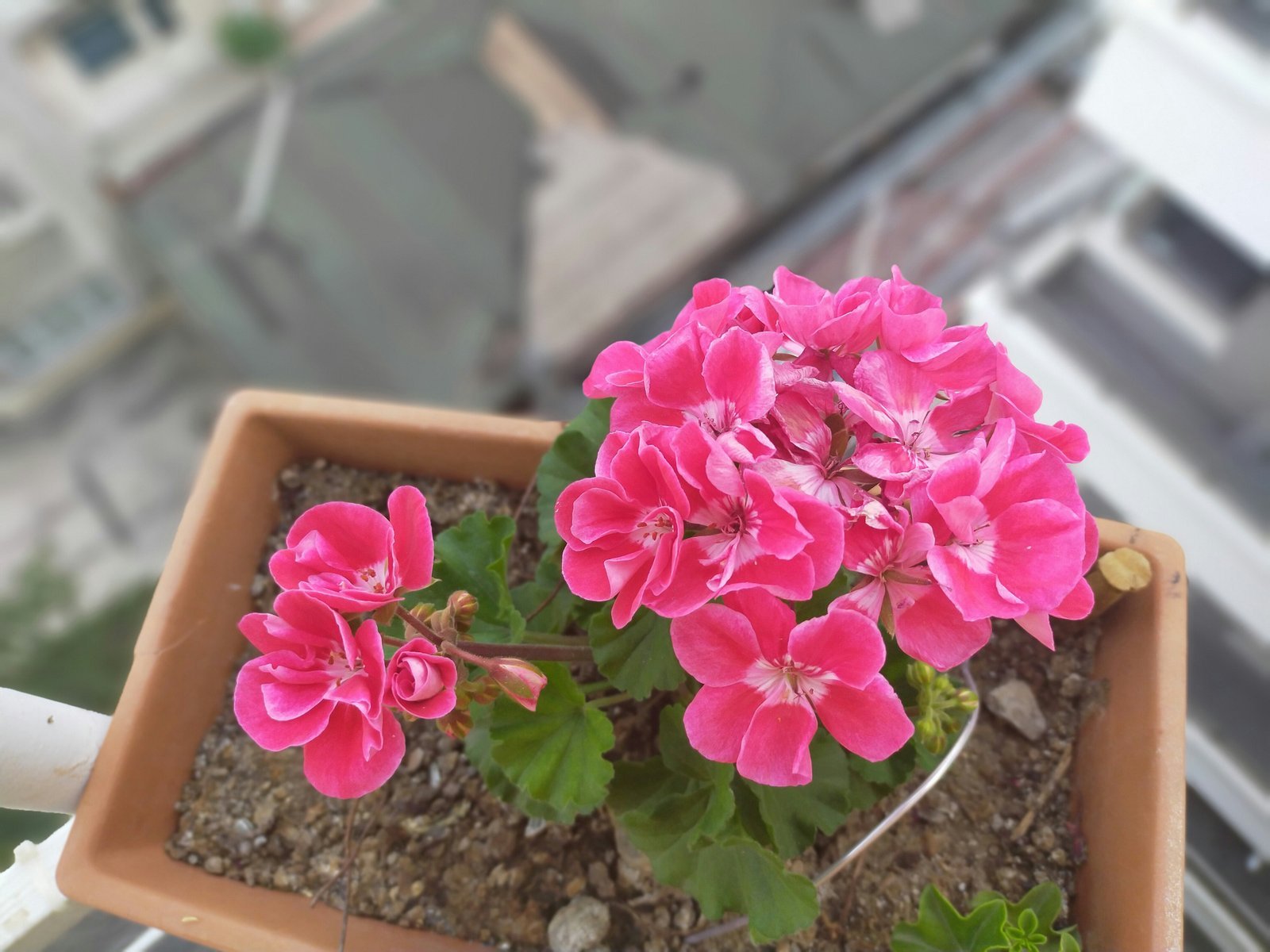
Another practical approach is to utilize railing planters. These containers can be easily secured to your balcony railing, allowing you to grow herbs and smaller vegetables while keeping the floor clear. Railing planters are particularly effective for growing varieties such as strawberries, lettuce, and herbs that do not require extensive root space. Make sure to choose lightweight and self-watering options to limit maintenance and ensure healthy plant growth.
Incorporating shelves can also enhance your balcony garden. Installing tiered shelving units allows you to create multi-level gardening spaces that can hold pots of different sizes. This arrangement not only maximizes sunlight exposure for plants but also maintains accessibility for watering and harvesting. On shelves, you can mix decorative planters with vegetable pots, creating an inviting space that encourages gardening and relaxation.
When arranging your plants, consider their growth habits and light requirements. Taller plants should be positioned at the back, with shorter, bushier vegetables placed in front to ensure that all plants receive adequate sunlight. Additionally, grouping plants with similar watering and sunlight needs can streamline maintenance and promote healthy growth.
Through these strategies—vertical gardening, using railing planters, and incorporating shelves—you can successfully transform your balcony into a functional and productive vegetable garden despite limited space. With thoughtful arrangement and the right tools, your gardening aspirations can flourish.
Learning from Experience: Adjusting to Mistakes
The journey of starting a balcony vegetable garden can be both rewarding and challenging. New gardeners often encounter a variety of pitfalls that can lead to discouragement. However, it is essential to perceive these setbacks as opportunities for growth. Being adaptable and learning from mistakes can significantly enhance a gardener’s skills and confidence.
Many beginners grapple with issues such as poor drainage, inadequate sunlight, and pest infestations. For instance, one common mistake is overwatering, which can lead to root rot and ultimately, plant death. A gardener who has faced this challenge may realize that adjusting the watering schedule based on weather conditions and understanding the specific needs of each plant can prevent future issues. Instead of viewing this as failure, it should serve as a valuable lesson in providing better care for their leafy companions.
Another frequent challenge is selecting the wrong type of plants for the available space. Imagine a novice gardener who has enthusiastically planted sprawling zucchini but quickly realizes that the balcony does not receive adequate light and space for such growth. This experience can inspire them to select more suitable options such as herbs or smaller vegetable varieties that flourish even in limited areas. The adaptability shown through clearly re-evaluating plant choices emphasizes the value of planning and research.
Encouragingly, every gardener has the power to evolve through these experiences. By embracing mistakes, new gardeners can refine their techniques and develop a deeper understanding of gardening. The process is inherently educational, and with each error, one learns not only about plants but also about their unique environment. Recognizing this can motivate beginners to continue experimenting and developing their green thumbs, transforming their balcony into a thriving vegetable sanctuary.
Conclusion: Starting Your Balcony Vegetable Garden Right
Embarking on the journey of starting a balcony vegetable garden can be a fulfilling and rewarding endeavor, yet it is not without its challenges. In this discussion, we have highlighted three common mistakes that individuals often make when initiating their gardening adventures. First, the failure to assess sunlight exposure adequately can hinder plant growth, as most vegetables require a significant amount of direct sunlight for optimal development. Second, novice gardeners sometimes overlook the importance of selecting suitable containers, leading to issues such as drainage problems and root confinement. Lastly, the tendency to neglect proper watering practices can result in either under- or over-watering, both of which can adversely affect plant health.
It is crucial to take these insights to heart as you embark on or continue your own balcony garden. Ensuring that you conduct thorough research on your chosen vegetable varieties, understand their light and water requirements, and select the right containers can significantly contribute to a more successful gardening experience. By avoiding these common pitfalls, you can set yourself up for a fruitful harvest.
Most importantly, remember that gardening is a learning process. Each plant you grow will offer valuable lessons, helping you refine your techniques and deepen your understanding of vegetable cultivation. Therefore, take the time to observe your plants’ growth and adapt your strategies accordingly. As you navigate the intricacies of balcony gardening, these proactive measures will not only mitigate issues but also enhance your enjoyment of this gratifying activity. With proper planning and ongoing education, your balcony vegetable garden can flourish, providing both fresh produce and personal satisfaction. Happy gardening!
Additional Resources and Further Reading
Starting a balcony vegetable garden can be an enriching experience, and there are numerous resources available to support new gardeners in their endeavors. Here are some suggested materials and organizations that can provide further guidance and inspiration.
Books such as “The Balcony Gardener” by Isabelle Palmer and “Container Gardening for Beginners” by Melanie McFarland offer practical tips and creative ideas specifically tailored to growing vegetables in limited spaces. These publications address common challenges faced by balcony gardeners, such as selecting appropriate plants, managing sunlight exposure, and optimizing space. They also include step-by-step instructions for beginners, making them excellent references.
In addition to books, several informative articles and online platforms are dedicated to urban gardening. Websites like the Royal Horticultural Society (RHS) and Gardening Know How provide a wealth of information ranging from planting guides to troubleshooting common gardening problems. Their easy navigation and search features allow new gardeners to find specific topics quickly.
Furthermore, joining local gardening clubs and community organizations can greatly enhance your gardening experience. Many cities have gardening groups that focus on urban agriculture and balcony gardening. These clubs often hold workshops and social events where members can share tips, ask questions, and exchange seeds.
Online forums and social media groups dedicated to balcony gardening are also invaluable resources. Platforms such as Reddit, Facebook, and Instagram host vibrant communities where enthusiasts share their experiences, providing both inspiration and practical advice. Engaging with other gardeners allows newcomers to benefit from collective knowledge and fosters a supportive atmosphere.
Ultimately, leveraging these resources can significantly improve the chances of success in starting a balcony vegetable garden, ensuring that your gardening journey is both enjoyable and fruitful.