
Introduction to Quail Keeping
Quail keeping has gained popularity among suburban residents as a rewarding and practical endeavor. This interest can be attributed to several factors that make quails an appealing choice for both hobbyists and those looking to enhance their self-sustainability. One of the primary advantages of keeping quails is their minimal space requirements. Unlike traditional poultry, quails require considerably less room, making them suitable for individuals with limited backyard space or smaller properties.
Moreover, quails are relatively easy to care for. With a simple yet effective habitat setup, these birds can thrive while requiring minimal daily maintenance. They adapt well to enclosed spaces and can be housed in secure pens or aviaries, reducing concerns about predation that often come with raising other types of livestock. This ease of care further encourages individuals to consider quails as a viable option for their backyard livestock needs.
In addition to their practicality, quails contribute to sustainable living practices. By keeping quails, individuals can enjoy a steady supply of fresh eggs, which are not only nutritious but also free of pesticides and hormones that may be present in store-bought options. Quails also help in pest control by consuming insects within their reach, thus naturally reducing pest populations in gardens. Furthermore, quail droppings can be utilized as an excellent organic fertilizer, enriching the soil and promoting healthier plants.
Overall, quail keeping presents an attractive opportunity for suburban dwellers looking to incorporate sustainable agricultural practices into their lifestyle. It appeals to those wishing to improve their self-sufficiency while enjoying the companionship of these charming birds. With proper knowledge and commitment, anyone can embark on this gratifying journey of quail husbandry.
Choosing the Right Quail Species
When considering raising quails in your suburban backyard, selecting the right species is crucial. The two most common species favored by backyard keepers are the Coturnix quail and the Bobwhite quail, each offering unique benefits.
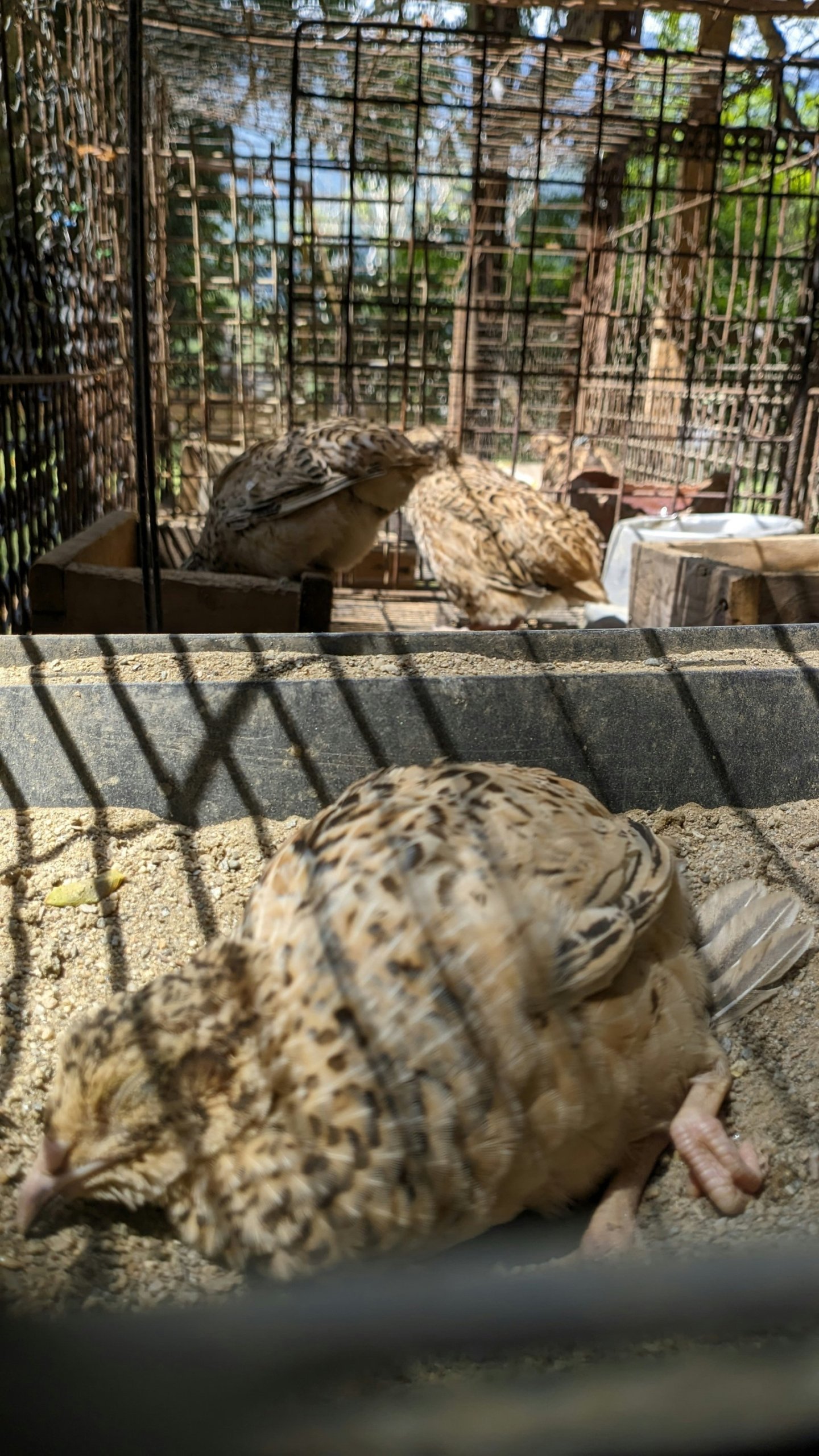
The Coturnix quail, also known as the Japanese quail, is renowned for its compact size, generally weighing between 5 to 7 ounces. This species is particularly valued for its prolific egg-laying capabilities, averaging around 200 to 300 eggs per year, making it a preferred choice for those interested in egg production. In addition to their productive nature, Coturnix quails are known for their friendly temperament, often adapting well to human interaction. Their quick growth rate, reaching maturity in approximately 6 to 7 weeks, makes them an appealing option for novice bird keepers.
On the other hand, the Bobwhite quail tends to be a bit larger, typically weighing between 6 to 9 ounces. Known for their distinctive call, Bobwhite quails are celebrated for their robust and lively personality. While they can be a bit more challenging to manage than Coturnix quails, Bobwhites are well-regarded among gamebird enthusiasts. They are capable of laying around 100 to 200 eggs per year, with a peak laying season in spring and summer. Their natural foraging and survival instincts may enable them to thrive in a more spacious environment, making them suitable for those who can provide an adequate outdoor run.
Ultimately, the choice of quail species depends on your specific goals, whether it be for egg production, companionship, or game-bird purposes. Both Coturnix and Bobwhite quails offer rewarding experiences for backyard enthusiasts, each contributing uniquely to your suburban setting.
Necessary Supplies for Quail Keeping
Keeping quails as pets or for egg production in a suburban backyard requires specific supplies to ensure their well-being and productivity. First and foremost, appropriate housing is essential. Quails require a secure and comfortable coop or pen that protects them from predators and harsh weather conditions. The housing must be well-ventilated and spacious enough to prevent overcrowding, with adequate space for each bird. A basic rule is to provide at least one square foot of floor space per quail. It is beneficial to include both an indoor area for resting and an outdoor run for exercise.
Next, nesting materials play a crucial role for quails, especially if you plan to breed them. Shredded paper, straw, or hay can serve as suitable bedding, providing warmth and comfort. Additionally, you will need food and water containers. High-quality, commercially available quail feed is recommended, with essential nutrients and minerals. Feeders should be designed to minimize waste and keep the food clean. Similarly, waterers should be spill-proof and easy to clean, ensuring that your birds have constant access to fresh water.
Temperature regulation is another essential consideration, particularly during colder months. Quails are sensitive to extreme temperatures, so heating options such as heat lamps or heated pads can help maintain a comfortable environment in the coop. If you live in a region with extreme weather, insulating the coop to retain heat can further benefit your quails’ health.
In summary, proper housing, nesting materials, food, waterers, and heating options are critical supplies for successful quail keeping. Investing in quality supplies not only enhances the comfort and safety of your birds but also promotes a thriving backyard quail operation.
Building or Buying a Quail Coop
One of the most crucial decisions for anyone looking to keep quails in a suburban backyard is whether to build a quail coop from scratch or buy a pre-made one. Each option has its advantages, allowing for flexibility in meeting the specific needs of your birds.
If you choose to build a quail coop, you have complete control over the design, size, and specifications. Building can be a rewarding project that allows you to tailor the coop to suit your space and preferences. It is essential to consider the size: quails require enough room to move around, and a general guideline is to provide at least one square foot of space per bird. Make sure the design includes ample ventilation, as this is crucial for maintaining a healthy environment. Incorporating features like wire mesh for windows can help achieve good airflow while preventing predator access.
When contemplating a pre-made quail coop, it is vital to evaluate the available options. Many manufacturers offer coops designed specifically for quails, considering their unique requirements. These ready-to-install structures often provide advantages such as portability, ease of setup, and built-in features like nesting boxes and perches. However, it is essential to verify the quality of materials and construction. Lightweight materials may not hold up against predators, which are a threat to quails. Therefore, look for coops made of durable materials with adequate security measures, including locks and fortified panels.
In conclusion, whether you opt to build or purchase a quail coop, careful consideration of size, ventilation, and security is paramount. Both options can lead to a successful quail-keeping experience, provided they meet the essential needs of your birds.
Proper Quail Care and Maintenance
Maintaining the health and well-being of quails in a suburban backyard setting requires regular attention and commitment. Daily care routines play a crucial role in ensuring these birds thrive. It is imperative to feed your quails a balanced diet that provides sufficient proteins, vitamins, and minerals essential for their growth and egg production. High-quality commercial quail feed can be supplemented with fresh fruits, vegetables, and grains to enhance their nutrition. Ensure that your birds have constant access to fresh, clean water, as hydration is vital for their overall health.
Cleaning the habitat is another fundamental aspect of proper quail care. Daily, you should inspect the enclosure for any signs of waste accumulation. Uneaten food should be removed promptly to deter pests and prevent contamination. A humid environment poses a risk for various diseases, so it is advisable to clean the bedding material regularly and replace it every week with fresh substrate. The enclosure should be adequately ventilated to minimize moisture levels and facilitate airflow, which is essential in preventing respiratory issues commonly associated with cramped living conditions.
Health monitoring is critical in identifying potential issues early. Regularly observe your quails for signs of distress or illness, such as changes in behavior, appetite, or physical appearance. Should you notice any abnormalities, consult a veterinarian experienced in avian care promptly. Additionally, keeping the habitat clean and well-maintained greatly aids in disease prevention. Vaccination and regular health check-ups can employ a proactive approach to maintaining your quail’s health. By diligently adhering to these care routines, you can foster a suitable environment where your quails flourish, ensuring their longevity and productivity in your suburban backyard.
Feeding Your Quails: Nutrition and Diet
Feeding quails in a suburban backyard requires an understanding of their nutritional needs to promote healthy growth and egg production. Quails are omnivorous birds that thrive on a well-balanced diet consisting of various components. The foundation of their diet typically includes commercial quail feeds, which are specially formulated to meet their nutritional requirements. These feeds usually contain a blend of grains, proteins, vitamins, and minerals tailored to the needs of these small birds.
It is important to provide a high-quality starter feed for young quails, which is distinct from adult feeds in its higher protein content. As the birds mature, transitioning to a maintenance feed is essential, which generally has lower protein levels. Additionally, providing supplementary foods such as insects, mealworms, or small amounts of cooked grains can ensure that quails receive adequate protein and variety in their diet.
Incorporating fresh vegetables can significantly benefit your quails, adding essential vitamins and enhancing their overall health. Leafy greens such as kale, lettuce, and spinach are excellent choices, and occasional treats of fruits like berries or melons can be offered to diversify their intake. Furthermore, quails require access to grit—tiny stones and shells that aid in digestion—especially if they are consuming whole grains or seeds.
It is crucial to monitor the feeding routine and portion sizes carefully. Overfeeding quails can lead to health problems, including obesity or liver issues. Therefore, providing the right quantity of feed based on the number of birds and their requirements is vital. Regularly assessing their body condition can help adjust feeding practices to maintain optimal health.
Breeding Quails: A Step-by-Step Guide
Breeding quails can be a rewarding endeavor for those looking to expand their backyard poultry experience. To begin with, selecting the ideal breeding pairs is crucial. Look for healthy birds that exhibit desirable traits such as good temperament, weight, and consistent egg production. It is recommended to use a ratio of one male to two or three females to maximize breeding success and ensure the females are not overly stressed.
Once you have your breeding pairs, the next step involves setting up a proper incubation environment. Quail eggs typically require an incubation period of 17 to 22 days, with optimal temperature settings around 99.5°F (37.5°C) and a humidity level of 45-55% for the first half, increasing to about 65% during the last few days. A good incubator is essential; it should provide accurate temperature and humidity controls, as well as proper ventilation.
After the incubation period, it is essential to handle the hatchlings with care. Newly hatched quail chicks are vulnerable and require specific conditions to thrive. Provide them with a warm brooder that maintains a temperature of 90°F (32°C) for the first week, gradually reducing the temperature as they grow. Ensure they have access to high-quality starter feed that meets their nutritional needs.
Breeding quails can come with its challenges, such as poor hatch rates or health issues among chicks. To mitigate these challenges, practice biosecurity measures to prevent disease transmission and ensure the breeding environment is free from stressors. Additionally, observe the breeding pairs closely for signs of aggression or health issues, making sure to separate any problematic birds.
By carefully selecting breeding pairs and creating the right conditions for incubation and chick care, you can successfully breed quails in your suburban backyard, contributing to a vibrant and productive poultry experience.
Understanding Regulations and Local Laws about Keeping Quails
Before embarking on the journey of raising quails in your suburban backyard, it is crucial to understand the various local regulations and laws that govern the keeping of these birds. Each locality may have specific ordinances concerning the types of animals that can be kept, the number of animals permitted, and the necessary conditions for the welfare of the animals and surrounding community.
It is common for municipalities to impose zoning laws that dictate whether or not certain types of livestock, including quails, can be raised within residential areas. Potential quail owners should consult their local zoning office to ascertain any restrictions that may be in place. Many suburban areas allow for a limited number of birds, but these regulations can vary significantly. In some zones, additional permits may be required to raise quails profitably or as a hobby. Failing to comply with these zoning laws can lead to fines or the forced removal of the birds.
In addition to zoning regulations, it is important to consider health codes that may apply to keeping quails. These regulations are designed to ensure that animal husbandry practices do not have a negative impact on public health or the environment. This could include standards for the sanitation of living areas and proper waste disposal. Some regions might also have specific rules regarding the types of feed and medications used for the birds. Being informed of these health codes is essential to maintain a safe living environment for both the quails and human residents.
In conclusion, understanding the regulations and local laws about keeping quails is a fundamental step in the process of starting your quail-keeping venture. Taking the time to research and comply with these regulations will not only help avoid legal issues but will also contribute to the successful and ethical raising of quails in a suburban setting.
Conclusion and Final Thoughts
Through this guide, we have explored the essential aspects of keeping quails in a suburban backyard, highlighting their benefits as well as the necessary considerations for successful quail husbandry. Quails are an excellent choice for urban dwellers, offering substantial rewards in terms of fresh eggs, pest control, and companionship. These small birds can adapt well to limited spaces, making them ideal for city living while providing an enriching hobby for owners.
Key points discussed include the optimal housing conditions for quails, dietary requirements, and the importance of proper hygiene and health monitoring. Understanding the needs of quails can significantly impact their well-being and productivity. It is crucial to provide a secure and comfortable living environment to minimize stress and potential health issues. Additionally, being aware of specific breed characteristics can enhance the overall experience of quail-keeping.
As you embark on your journey into quail husbandry, remember that proper planning and ongoing education are vital components. Research local regulations regarding poultry, prepare a suitable habitat, and establish a reliable feeding regimen. These foundational steps will not only ensure compliance but also promote a healthy community for your quails.
In conclusion, keeping quails can be a fulfilling and rewarding venture for suburban residents. With careful research and dedication, you can cultivate a thriving environment for these birds, enriching your life while contributing positively to local biodiversity. We encourage you to pursue this hobby with passion and commitment, allowing the experience to bring joy and productivity to your backyard.