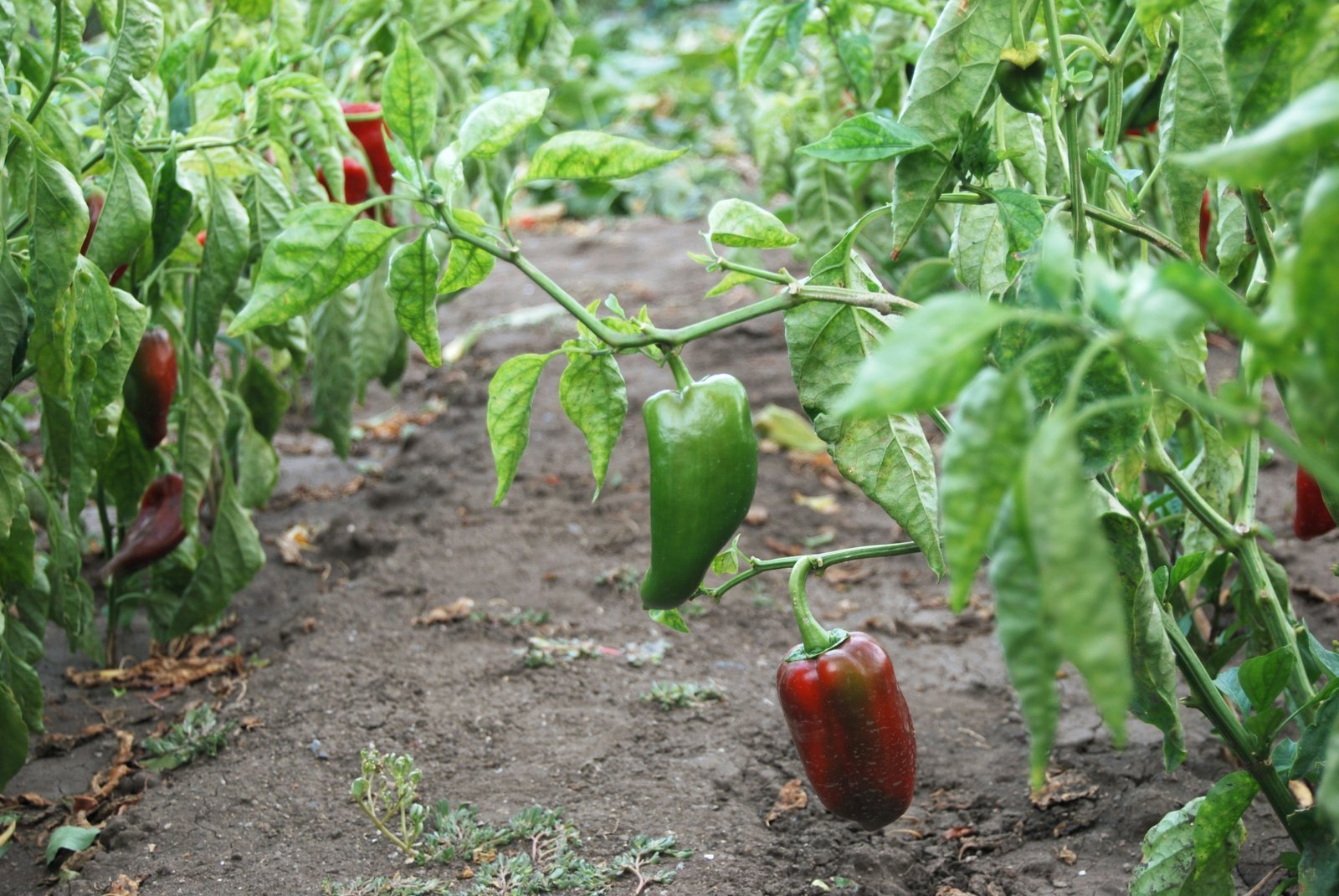


Introduction to Chaos Gardening
Chaos gardening is a burgeoning approach to horticulture that embraces spontaneity and creativity, diverging significantly from conventional gardening practices. Unlike traditional gardens, which often rely on strict layouts, meticulous planning, and a rigid adherence to established rules, chaos gardening promotes an untamed and organic aesthetic where nature is allowed to flourish without excessive human intervention. This method champions the idea that gardens should mimic the natural world, where plants grow in unexpected combinations and arrangements.
At its core, chaos gardening liberates the gardener from the constraints of conventional methods. It taps into the innate freedom found in nature’s unpredictability, encouraging a holistic connection between the gardener and the environment. In a chaos garden, one may find a delightful amalgamation of flowers, vegetables, and herbs coexisting harmoniously. This approach not only enriches the biodiversity of the garden but also nurtures a more sustainable ecosystem, as plants support one another in various ways.
The essence of chaos gardening lies in its adaptability. While traditional gardening often involves a focus on order and structure, chaos gardening embraces the beauty that can emerge from disorder. Gardeners are encouraged to experiment with different plant combinations, colors, and textures, creating a unique landscape that reflects their personal style and preferences. This method also allows for the spontaneous introduction of new plants, fostering an environment of continuous exploration and discovery.
Overall, chaos gardening represents a shift in how we perceive and interact with our outdoor spaces. It invites individuals to cultivate their gardens not just as functional plots for growing food or flowers, but as vibrant ecosystems brimming with life and diversity. The following sections will delve deeper into the benefits and practical considerations of establishing a chaos garden, highlighting why this innovative gardening style is worth embracing.
Benefits of a Chaos Garden
A chaos garden, often characterized by its wild and unstructured design, offers numerous benefits that distinguish it from traditional gardening practices. One of the primary advantages is its aesthetic appeal. A more natural look can enhance the beauty of your front yard, attracting the eye with an array of colors and textures that change with the seasons. This appealing disarray creates a vibrant outdoor space that can foster a sense of tranquility and connection to nature, further complementing the existing landscape.
Moreover, chaos gardens promote biodiversity by providing a habitat for various species of plants, insects, and wildlife. Unlike conventional manicured gardens that often prioritize specific plant types, chaos gardens embrace a wide array of native flora, which can attract beneficial insects such as pollinators. This increased biodiversity contributes to a healthier ecosystem, as it allows for natural pest control and enhances the resilience of your landscape to climatic changes.
Another significant benefit of a chaos garden is the reduced need for extensive maintenance. While traditional gardens often require regular weeding, pruning, and precise watering schedules, chaos gardens thrive on resilience. This lower maintenance requirement is particularly beneficial for individuals with busy lifestyles, as well as for those seeking to reduce their carbon footprint. In providing a space where nature can take its course, homeowners can enjoy the beauty of their garden with minimal intervention.
In essence, starting a chaos garden promotes a harmonious interplay between time, nature, and aesthetics. Through fostering biodiversity and minimizing maintenance needs, chaos gardens stand as a testament to sustainable gardening practices that can greatly enrich the front yard experience.
Promoting Biodiversity
Establishing a chaos garden in your front yard can serve as a significant step towards promoting biodiversity within your local ecosystem. This type of garden emphasizes a mix of native and non-native plants, creating a vibrant tapestry of flora that attracts various wildlife. One of the primary contributors to this increased biodiversity is the attraction of pollinators such as bees, butterflies, and other essential insects. These species play a vital role in pollinating not only the plants in your chaos garden but also the surrounding flora, which is crucial for the health and sustainability of local ecosystems.
Moreover, a chaos garden can create an array of microhabitats that support various animal species. By incorporating a diverse range of plants with different heights, colors, and flowering times, you can provide food and shelter for birds, beneficial insects, and small mammals. This ecological diversity contributes to a more resilient garden, one that can better withstand pests and diseases, reducing the need for chemical interventions.
Another critical aspect of chaos gardens is their ability to enhance soil quality. Diverse plantings can improve nutrient cycling and promote the growth of beneficial microorganisms within the soil. Different root structures and plant types compete for resources, resulting in a healthier, more balanced ecosystem beneath the surface. This interconnection between plants and soil not only supports the garden’s immediate inhabitants but also contributes to the broader environmental health.
By creating a thriving habitat filled with diverse plant species, a chaos garden can become a critical sanctuary for declining wildlife populations. Biologists widely acknowledge that preserving and creating such habitats is essential to maintaining the balance of nature and ensuring a sustainable environment for future generations. Hence, investing in a chaos garden is not just an aesthetic choice; it is a profound commitment to fostering and safeguarding biodiversity.
Low Maintenance Strategy
One of the most appealing aspects of chaos gardening is its inherently low-maintenance nature. By permitting plants to grow freely, gardeners can significantly reduce the time and effort typically associated with maintaining a traditional garden. This approach allows for a more hands-off strategy, where the focus shifts from constant weeding, pruning, and fertilizing to simply enjoying the evolving natural beauty of the landscape.
A fundamental principle of chaos gardening is to cultivate a diverse array of native and adaptable plant species. These plants are often better suited to the local climate and soil conditions, which means they require less intervention from the gardener. By selecting flora that thrives in the existing ecosystem, one can establish a self-sustaining garden. This characteristic not only minimizes the need for irrigation and fertilization but also encourages a robust community of microorganisms and pollinators, thus enhancing biodiversity.
To maximize the low-maintenance benefits of a chaos garden, consider implementing mulch layers. Mulch serves several purposes: it suppresses weeds, retains moisture, and adds organic matter as it decomposes. By using organic mulch materials such as straw, grass clippings, or wood chips, gardeners can create an environment that fosters plant growth while simultaneously downgrading maintenance requirements.
Another effective low-maintenance strategy involves embracing seasonal changes. Allowing plants to follow their natural growth cycles means that, at different times of the year, the garden will shift in composition and appearance. This dynamic aspect of chaos gardening not only reduces the gardener’s workload but also provides a captivating display of colors and textures throughout the seasons.
Creative Expression Through Chaos Gardening
Chaos gardening presents an opportunity for individuals to embrace their creative instincts while fostering a unique relationship with nature. Unlike traditional gardening methods that often emphasize structure and conformity, chaos gardening encourages a more relaxed and spontaneous approach. This style allows gardeners to express their personalities freely, resulting in visually striking landscapes that reflect their individuality.
For many, the act of chaos gardening can be liberating. By breaking away from rigid frameworks and scheduled planting routines, gardeners often find themselves experimenting with a diverse array of plants and designs. Many report feeling a greater sense of fulfillment when their gardens defy conventional expectations. This organic approach can lead to unpredictable combinations of colors, shapes, and textures that highlight the gardener’s distinctive style.
Take, for instance, the story of Laura, who transformed her suburban front yard into a vibrant locale bursting with eclectic flora. Where she once adhered to an exacting flower bed layout, she now allows invasive wildflowers and untamed herbs to intermingle with carefully chosen seasonal blooms. Laura describes the outcome as a “beautiful mess,” which not only brought joy to her but also sparked fascination among neighbors who appreciate the garden’s unique aesthetic.
Similarly, David shares his experience with chaos gardening, noting how this approach has shifted his focus from strict plant care to the enjoyment of the evolving landscape. He finds thrill in discovering unexpected pairings each season brings, whether it is a vibrant sunflower juxtaposed with trailing vines or delicate daisies peeking through native grasses. By allowing nature to dictate the arrangement, David feels he has created a living canvas that invites ongoing creativity.
Ultimately, chaos gardening serves not just as a cultivation practice but as a means of personal expression, encouraging each gardener to embrace the art of the unplanned.”
Choosing the Right Plants for a Chaos Garden
When embarking on the journey of establishing a chaos garden, selecting the right plants is crucial for creating a vibrant and dynamic space. One effective approach is to prioritize native plants, which are well-adapted to the local climate and soil conditions. Native plants not only provide habitat for local wildlife but also tend to require less maintenance and water compared to non-native species. By incorporating a variety of native flora, gardeners can contribute to biodiversity while ensuring resilience in their chaos garden.
Another important consideration is companion planting—strategically grouping plants that benefit each other. For instance, planting marigolds alongside vegetables can deter pests, thereby enhancing the overall health of the garden. A thoughtful combination of flowers, herbs, and vegetables can create a harmonious environment where plants support one another, promoting growth and reducing the need for chemical interventions.
In addition to native species and companion plants, diversifying the selection in terms of perennials and annuals adds depth and interest throughout the seasons. Perennials, such as echinacea and black-eyed Susans, can provide stability and structure, returning year after year with minimal effort. Meanwhile, annuals, like zinnias or cosmos, offer the opportunity for seasonal variation, allowing for bursts of color and changing aesthetics from year to year. Such a mixture ensures that your chaos garden is consistently engaging, showcasing an array of textures, heights, and hues.
Ultimately, the right selection of plants contributes to the chaos garden’s overall health and visual appeal. By focusing on native species, employing companion planting techniques, and creating a blend of perennials and annuals, gardeners can cultivate a thriving ecosystem that embodies the essence of a chaos garden.
Implementing a Sustainability Approach
Adopting a sustainability approach in chaos gardening offers numerous ecological benefits that contribute towards a healthier planet. One of the primary methods is the reduction of water usage. By employing plants that are well-suited to the local climate and soil conditions, gardeners can create a landscape that requires less irrigation. Native plants, for instance, are adapted to thrive in local weather conditions, thereby decreasing reliance on supplemental watering.
Another vital component of sustainable chaos gardening involves composting. This practice not only recycles organic waste, such as kitchen scraps and yard debris, but also enriches the soil with essential nutrients. Composting enhances soil structure, promotes beneficial microbial activity, and reduces the need for chemical fertilizers, thus ensuring that gardens remain productive while minimizing environmental impacts. Moreover, the practice of composting aligns well with the chaos gardening philosophy, as it encourages a more natural and balanced ecosystem within the garden.
Avoiding chemical pesticides is another crucial aspect of promoting sustainability in the chaos garden. Chemical pesticides can harm beneficial insects and disrupt local ecosystems. By utilizing organic alternatives or integrated pest management (IPM) techniques, gardeners can protect their plants while safeguarding the local biodiversity. Planting companion plants that deter pests naturally, along with encouraging pollinators, creates a resilient garden that thrives without the need for harmful chemicals.
Ultimately, implementing these sustainable gardening practices contributes not just to the individual garden’s health but extends benefits to the surrounding environment as well. The methods of reducing water usage, composting, and steering clear of chemicals form a holistic approach that emphasizes ecological integrity, making chaos gardening an exemplary model for creating a sustainable future.
Incorporating Structure within Chaos
While the concept of a ‘Chaos Garden’ celebrates the untamed beauty of nature, introducing elements of structure can enhance the visual appeal and functionality of the space. Striking a balance between chaos and order is essential for creating an inviting atmosphere in your front yard. This can be achieved through the thoughtful integration of focal points and pathways that guide the eye and encourage exploration.
One effective method to incorporate structure is by establishing focal points. This could be achieved through the placement of a distinctive sculpture, a decorative birdbath, or a vibrant flower pot. These elements serve to draw attention amid the lush, chaotic surroundings, creating a pleasing contrast. Moreover, they can enhance the ecological diversity of your garden by attracting various wildlife, further enriching the experience of your space.
Another important aspect to consider is the creation of pathways. A well-designed pathway not only facilitates movement through the garden but also helps to organize plantings. Materials such as gravel, stepping stones, or mulch can serve as effective options for pathways, blending harmoniously with the natural elements of a chaos garden. These paths can invite visitors to wander, encouraging them to take in the myriad of textures and colors found throughout the garden without feeling overwhelmed.
Additionally, using hedges, trellises, or even strategically placed rocks can help define specific areas within the garden. This subtle form of structure offers a sense of direction while allowing the wild beauty of the plants to flourish. The aim is to evoke a sense of serenity and discovery without constraining the innate chaos that makes this style of gardening so unique.
Conclusion and Getting Started
In light of the myriad benefits highlighted throughout this discussion, establishing a chaos garden in your front yard presents a unique opportunity to embrace the beauty of biodiversity and the unconventional. Such a garden not only enhances the aesthetic appeal of your home but also contributes positively to the local ecosystem. The principles of chaos gardening promote harmony with nature, allowing you to cultivate a self-sustaining space that provides both nourishment and sustenance.
To embark on your chaos gardening journey, begin by assessing your available space and the environmental conditions that influence your front yard. Take note of sunlight exposure, soil quality, and existing flora. Once you have a clear understanding, select a diverse range of plants that are endemic to your region. Incorporating native plants is advantageous, as they often require less maintenance and provide essential habitats for local wildlife.
Start by preparing the ground, ensuring you are mindful not to exert excessive control over it. A scatter and blend approach to sowing seeds will yield the most authentic chaos garden. Allow nature to dictate the growth patterns while keeping an eye on invasive species that may disrupt the intended ecosystem. As the garden begins to flourish, appreciate the spontaneity and the natural beauty that emerges.
Furthermore, involve your family or community in the process. Chaos gardening can be both a learning experience and a collaborative endeavor. Share knowledge and resources to inspire others and create a supportive network of fellow gardeners. This initiative not only nurtures the land but also engages the community, fostering a connection to nature.
In summary, a chaos garden offers a transformative gardening experience. By taking these practical steps, you can create a beautiful and vibrant space that reflects the essence of nature’s unpredictability while enriching your surroundings. Embrace the joy of gardening by stepping into this innovative approach and witnessing the living art that unfolds in your front yard.