
Introduction to Vertical Strawberry Planters
Vertical strawberry planters have emerged as a popular gardening solution, particularly among urban gardeners facing space constraints. This innovative approach allows individuals to cultivate strawberries in a compact and efficient manner, making it especially appealing for those living in apartments or homes with limited outdoor areas. By utilizing vertical space, gardeners can maximize their yield without requiring a substantial footprint.
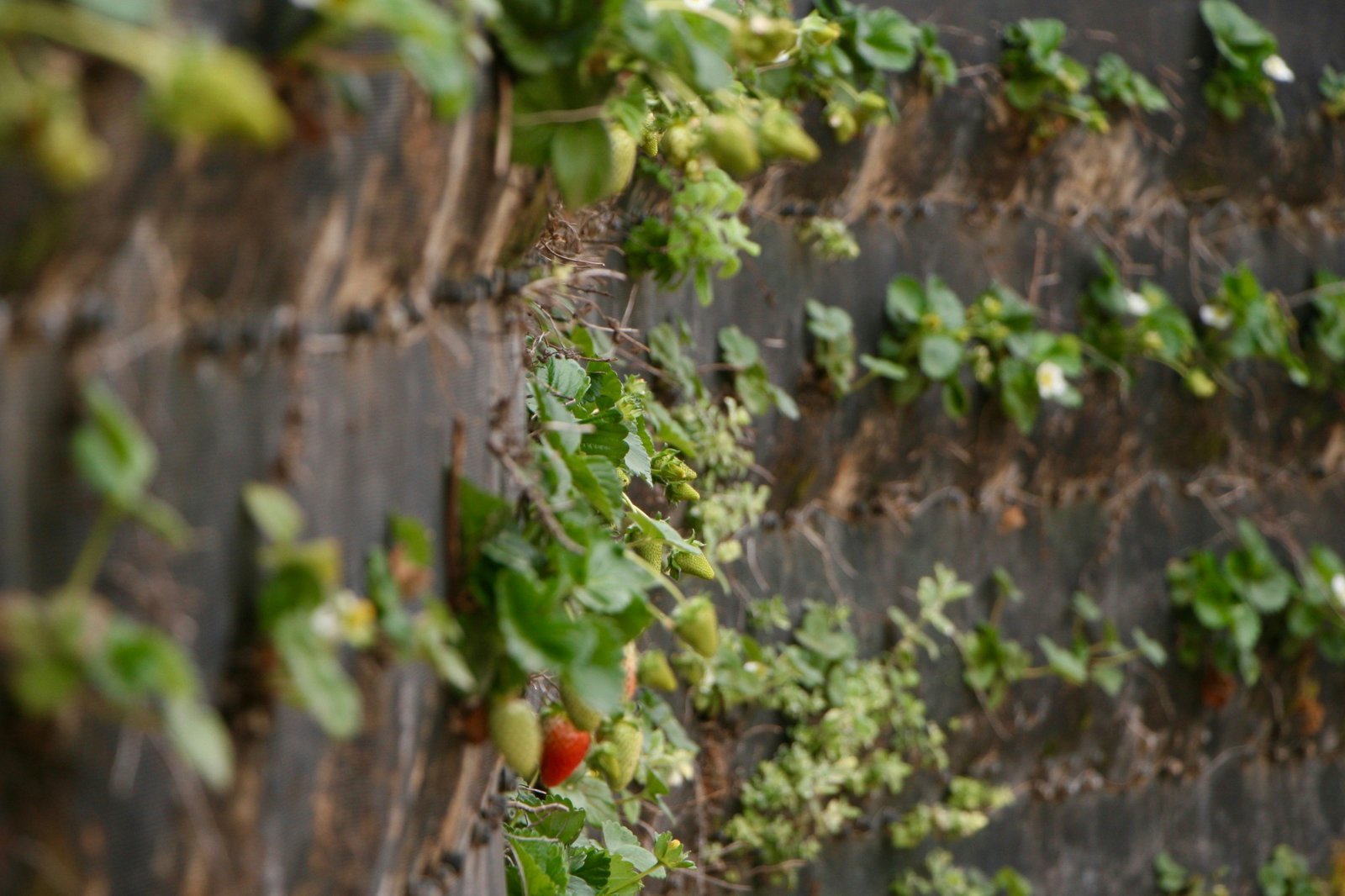
The design of vertical strawberry planters typically consists of stacked or tiered systems, enabling multiple layers of strawberry plants to thrive. This not only saves horizontal space but also provides optimal light exposure for all plants, as the leaves above do not overshadow those below. Consequently, vertical planters are ideal for growing lush, healthy strawberries, improving both the quantity and quality of the harvest.
One significant advantage of vertical gardening is the ease of maintenance it offers. Plants positioned at eye level allow for convenient access for watering, pruning, and harvesting, reducing the physical strain often associated with traditional gardening methods. Additionally, vertical strawberry planters can contribute to better air circulation around the plants, minimizing the risk of diseases often caused by overcrowding.
Furthermore, the aesthetics of vertical strawberry planters cannot be overlooked. They serve as visually appealing structures in gardens, balconies, or patios, transforming ordinary spaces into vibrant edible gardens. The vertical design also encourages innovation in gardening styles, prompting many to experiment with various planting arrangements and materials.
In conclusion, vertical strawberry planters offer a functional and attractive solution for growing strawberries in confined spaces. As urban gardening continues to gain momentum, the popularity of vertical planters is likely to rise, benefiting those eager to enjoy homegrown strawberries while optimizing available space.
Benefits of Vertical Gardening
Vertical gardening is an innovative approach to cultivating plants, particularly strawberries, that offers numerous advantages for urban gardeners and space-conscious horticulturists. One of the primary benefits of vertical gardening is the ability to maximize yield in limited space. By utilizing vertical planters, gardeners can grow strawberries upwards, thereby significantly increasing the density of plants per square foot compared to traditional horizontal layouts.
In addition to space savings, vertical gardens promote enhanced air circulation. Proper airflow is crucial for preventing conditions that lead to disease and promoting healthy plant growth. In a vertical system, strawberries are less likely to experience overcrowding, allowing for better air exchange and reducing the risk of fungal infections. This improved air circulation can also lead to higher fruit quality and overall plant vigor.
Another noteworthy advantage of vertical gardening lies in its drainage capabilities. Vertical systems often incorporate specially designed containers that facilitate better water runoff and drainage, preventing the common issue of root rot that can plague strawberries in traditional soil beds. This controlled environment enables gardeners to maintain optimal moisture levels for their plants, ensuring robust growth.
Pest management also benefits from vertical gardening techniques. By raising strawberries off the ground, gardeners can deter pests such as slugs and snails, which are less likely to reach elevated plants. Furthermore, the visible nature of vertical systems allows for easier monitoring and management of pest populations, leading to more effective interventions.
Finally, vertical gardening adds aesthetic appeal to any space. With the vibrant green leaves and bright red fruits of strawberries cascading from various angles, vertical planters can transform simple spaces into visually striking gardens. Thus, vertical gardening not only offers practical benefits but also elevates the overall beauty of the surrounding environment.
Choosing the Right Vertical Planter
When it comes to vertical strawberry planters, selecting the right planter is crucial in order to achieve maximum yield in restricted spaces. The market offers a variety of vertical planters made from different materials, each with its own advantages and disadvantages. Whether you opt for plastic, wood, or even a DIY solution, it is important to consider several criteria before making your choice.
Firstly, consider the material of the planter. Plastic planters are lightweight and often come in a range of colors and designs, making them a popular choice for urban gardeners. They are generally more affordable and resistant to mold and rot compared to wooden options. On the other hand, wooden planters can be more aesthetically pleasing and provide better insulation for the roots; however, they may require more maintenance to prevent decay. Furthermore, DIY vertical planters provide a customizable solution that can cater to specific space constraints and personal style, but they require a time investment and some woodworking skills.
Size is another critical factor to examine. The dimensions of your space will dictate the height and width of your vertical planter. Smaller spaces may benefit from narrow, tall structures, while more expansive areas can accommodate wider options that offer more planting sites. Additionally, ensure that the planter has sufficient depth for the roots of the strawberry plants to grow. A planter that is too shallow may restrict growth and yield.
Durability is essential, particularly for outdoor planters exposed to weather conditions. Select materials that can withstand rain and sunlight without degrading quickly. Cost is also a significant factor, with plastic planters typically being less expensive than wooden or bespoke options. Balancing these criteria will help you choose the ideal vertical planter for your strawberry cultivation needs, ensuring not just survival but optimal productivity.
Best Strawberry Varieties for Vertical Planters
When selecting strawberries for vertical planters, it is crucial to choose varieties that not only adapt well to confined spaces but also produce abundant yields. One of the best options is the everbearing strawberry, known for its ability to produce fruit throughout the growing season. Varieties such as Albion and Seascape are excellent choices, as they remain productive from early summer until the frost arrives. Their compact growth habit allows them to fit well in vertical spaces without becoming overcrowded.
Another favorable variety is the day-neutral strawberry. This type, which includes varieties like Tristar and Cascade, thrives in vertical planters because it does not depend on day length to trigger flowering. This quality enables these strawberries to continue fruiting until the first frost, making them a perfect choice for extended harvest periods.
For gardeners looking to maximize yield in limited spaces, fragaria vesca, or woodland strawberries, are also worth considering. These plants are smaller and can be effectively grown in vertical planters without the need for extensive support structures. Their sweet, aromatic fruits are beloved by many and can be a delightful addition to any garden.
In a vertical gardening setup, it is essential to consider the growth habits of the strawberry varieties chosen. Maintaining airflow around the plants is vital for preventing diseases, particularly in elevated planters. Additionally, appropriate watering and nutrient considerations must be taken into account, ensuring that plants receive adequate moisture while avoiding waterlogged conditions.
In summary, selecting the right strawberry varieties for vertical planters can significantly impact both the yield and fruit quality. Everbearing and day-neutral types, along with woodland strawberries, provide promising options that thrive in limited spaces, allowing gardeners to enjoy fresh berries even in urban environments.
Setting Up Your Vertical Strawberry Planter
Establishing a vertical strawberry planter requires careful planning and execution to maximize yield while minimizing space. The first step is selecting the right planter; options include stackable pots, vertical garden units, or repurposed materials like pallets. Each option has its benefits, but ensuring good drainage is crucial to prevent waterlogging and disease.
The choice of soil plays a vital role in the health of your strawberry plants. A well-draining potting mix rich in organic matter is highly recommended. Look for mixes specifically designed for container gardening that contain ingredients like peat moss, vermiculite, and compost. These components will retain moisture while providing necessary nutrients. You may also wish to amend the soil with slow-release fertilizers to promote robust growth throughout the season.
When it comes to planting techniques, it is essential to allow adequate space between each strawberry plant to ensure proper air circulation. Place seedlings or bare-root plants in your vertical planter, ensuring that the crown (the point where the stem meets the roots) is level with the soil surface. Gently firm the soil around the base of each plant to secure them in place.
Optimal sunlight exposure is another crucial factor to consider. Strawberries thrive in full sun, so position your vertical planter where it will receive at least six to eight hours of sunlight daily. If natural light is limited, consider using grow lights to supplement. Additionally, rotate your planter periodically to ensure all sides of the plants receive even sunlight and to promote balanced growth.
In essence, setting up your vertical strawberry planter involves careful selection of materials, soil, and positioning to ensure the best conditions for healthy strawberry growth. By following these steps, you will enhance the likelihood of a bountiful harvest, even in limited space.
Watering and Nutrient Requirements
Vertical strawberry planters offer a unique approach to growing strawberries, especially in limited spaces. However, to ensure optimal growth and yield, understanding the specific watering and nutrient requirements is crucial. Strawberries, being shallow-rooted plants, necessitate a consistent moisture level in their growing medium. Overwatering or underwatering can lead to various issues, including root rot or stunted growth.
A good rule of thumb is to water strawberry plants when the top inch of the soil feels dry. It’s essential to monitor moisture levels regularly, as vertical planters tend to drain more rapidly than traditional gardening methods. Using a moisture meter can help you assess the soil’s condition more accurately, ensuring that your plants receive the correct amount of water without risking excess.
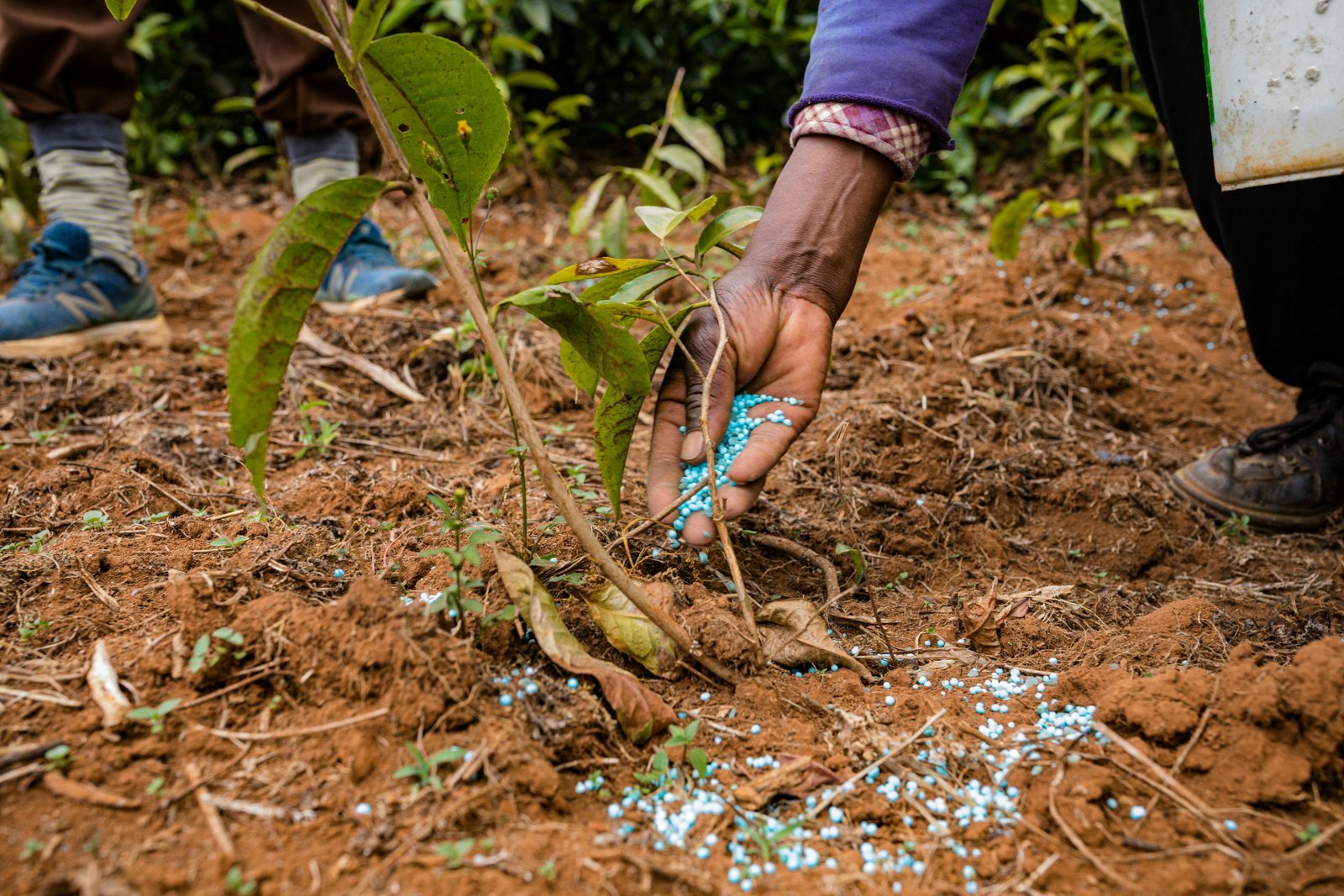
When it comes to nutrients, strawberries thrive on a balanced fertilizer that encourages both vegetative growth and fruit production. A slow-release granular fertilizer, rich in potassium and phosphorus, is particularly beneficial, as it promotes flowering and fruiting. During the growing season, it is advisable to apply fertilizer every four to six weeks. Organic options, such as compost or fish emulsion, can also be effective, providing a slower release of nutrients that builds soil health over time.
Furthermore, it is important to consider pH levels, as strawberries prefer slightly acidic conditions, ideally between 5.5 and 6.5. Regular testing of the soil pH will help in adjusting nutrient applications, ensuring that plants can access the necessary elements for growth. Paying attention to these watering and nutrient specifics will promote healthy vertical strawberry plants and can significantly increase the yield in a limited space.
Pest and Disease Management
Growing strawberries in vertical planters presents a unique set of challenges, particularly concerning pest and disease management. Strawberries are prone to various pests such as aphids, spider mites, and slugs, which can significantly affect yield if not controlled. Additionally, diseases like powdery mildew and root rot can thrive in the moist environment often created by vertical planters.
To effectively manage these pests and diseases, implementing a combination of organic solutions and preventative measures is essential. Regular monitoring of your plants is crucial, as early detection of pests and signs of disease can allow for timely interventions. For instance, introducing beneficial insects like ladybugs can naturally control aphid populations. Neem oil is another organic treatment that can deter a variety of pests while being safe for the environment.
In terms of disease management, ensuring proper airflow around the plants can help minimize humidity, which is a contributing factor to powdery mildew. Additionally, practicing crop rotation and sanitizing the planter between growing seasons can reduce the buildup of pathogens in the soil. Using disease-resistant strawberry varieties is another effective strategy to limit outbreaks. Similarly, incorporating a well-draining soil mix can prevent root rot, which is often aggravated by overwatering.
Companion planting is also an advantageous method for controlling pests. By planting strawberries alongside herbs such as basil or mint, you can create a natural barrier that deters common insect pests. Furthermore, maintaining an optimal feeding schedule with organic fertilizers will keep your plants robust and resilient against both pests and diseases.
Harvesting and Storing Strawberries
Harvesting strawberries from vertical planters presents unique opportunities and challenges, particularly due to the confined space and elevated growing conditions. To ensure the highest fruit quality, timing plays a crucial role. Strawberries should be harvested when they have fully developed their color, which can vary from bright red to deep crimson depending on the variety. It is advisable to pick strawberries in the cooler hours of the day, either early morning or late afternoon, to minimize spoilage caused by the heat.
Using gentle techniques is essential when harvesting strawberries to prevent bruising or damaging the fruit. It is recommended to grasp the stem and gently pull to detach the berry from the plant without using excessive force. Additionally, leaving a short piece of the stem attached to the fruit can help prolong its freshness. When harvesting, ensure that only ripe berries are collected, as unripe fruit will not continue to ripen after being picked, and may detract from the overall yield of the vertical planter.
Once harvested, proper storage techniques become vital to maintain the freshness and quality of strawberries. It is best to store unwashed strawberries in a breathable container, such as a perforated plastic clamshell or basket lined with paper towels to absorb excess moisture. Keeping strawberries in the refrigerator at a temperature between 32°F and 36°F (0°C to 2°C) will help preserve their quality. Consume the berries within five to seven days for optimal flavor and texture. If surplus strawberries are collected, they can be frozen after washing and hulling. Spreading them in a single layer on a baking sheet before transferring to a freezer bag will help retain their shape and prevent clumping.
Conclusion: The Future of Urban Gardening
Vertical strawberry planters represent a transformative approach to urban gardening, particularly beneficial in densely populated areas where space is limited. By utilizing vertical gardening techniques, urban dwellers can enjoy fresh, homegrown strawberries while optimizing their available growing space. This innovative method not only enhances productivity but also encourages sustainable gardening practices.
One of the most compelling advantages of vertical strawberry planters is their ability to maximize yield. They allow for more plants within a smaller footprint, leading to increased harvest potential without requiring expansive garden plots. Additionally, vertical setups facilitate better air circulation and access to sunlight, both crucial factors for healthy strawberry growth. As cities continue to expand, integrating these gardening strategies can help address challenges associated with traditional agricultural practices.
Furthermore, vertical gardening supports environmental sustainability by reducing the carbon footprint associated with transporting fruits. Homegrown strawberries, cultivated in an urban setting, not only taste better but also contribute to fresher air and improved urban ecosystems. With the rising interest in food security and self-sufficiency, adopting vertical garden methods makes it possible for individuals to cultivate their food sources, regardless of their living conditions.
In light of these benefits, we encourage readers to consider vertical strawberry planters as a viable option for their own gardening endeavors. Exploring this method can lead to a rewarding experience, providing both fresh produce and a deeper connection to nature. As urban gardening continues to evolve, embracing innovative techniques such as vertical planters will play a pivotal role in shaping sustainable living practices for future generations.