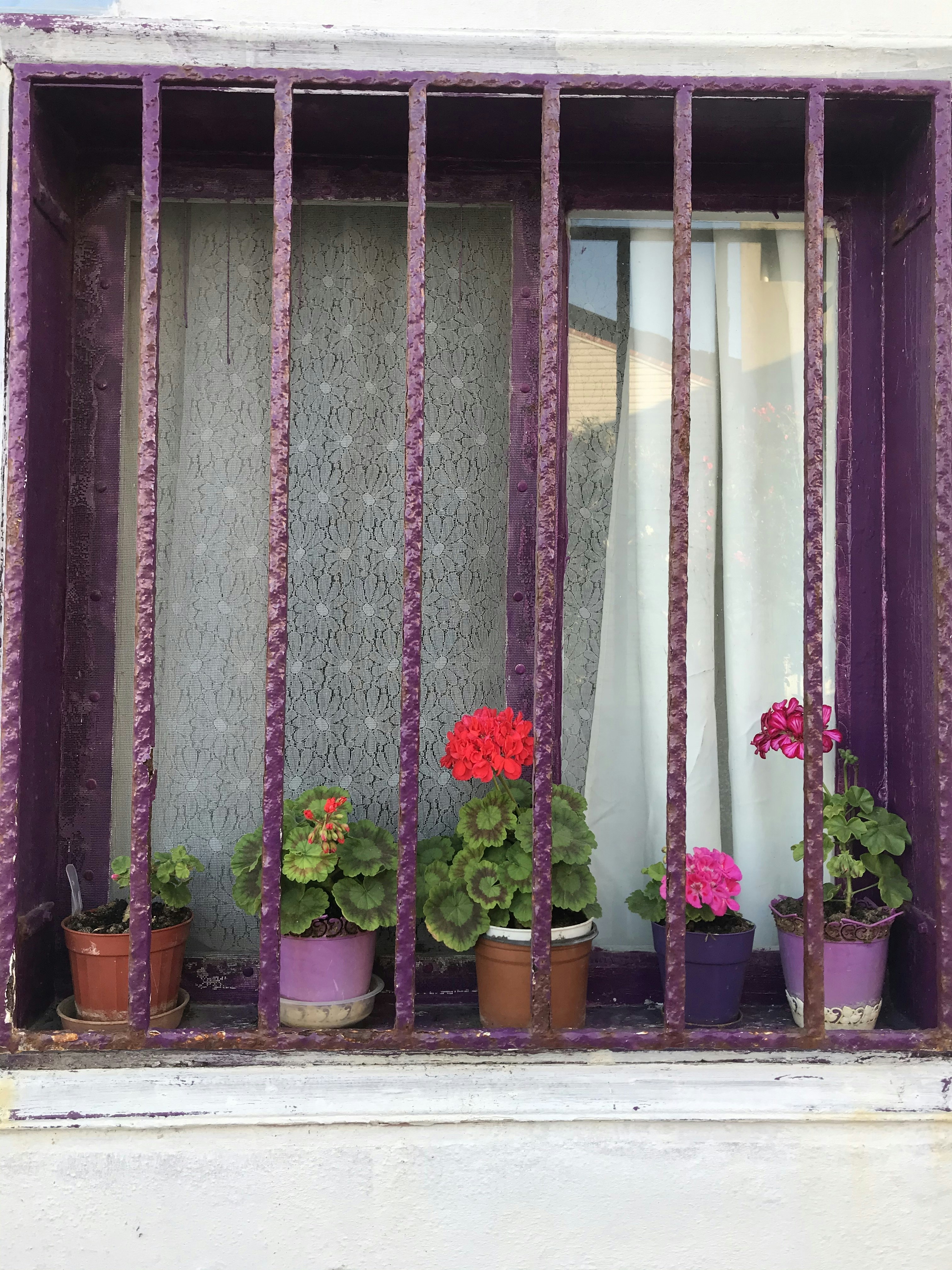
Introduction to Edible Flowers
Edible flowers have long played a vital role in culinary traditions across the globe, with their origins tracing back to ancient civilizations that embraced their aesthetic and nutritional potential. Cultures including the Chinese, Greeks, and Romans recognized the value of these botanicals, incorporating them into gourmet dishes to enhance flavors and present meals with a touch of elegance. Today, the practice has resurfaced, gaining popularity among home cooks and chefs alike who seek to elevate their culinary creations by using flowers that are not only visually pleasing but also flavorful and nutritious.
Incorporating edible flowers into one’s diet can offer numerous health benefits. Many edible varieties are rich in vitamins, minerals, and antioxidants, which contribute positively to a balanced diet. For example, nasturtiums are abundant in Vitamin C, while calendula petals have anti-inflammatory properties. These beneficial compounds not only add flavor to salads and dishes but can also support overall wellbeing by enhancing nutrient intake. Furthermore, the unique flavors of certain edible flowers, such as the sweet notes of violets or the peppery bite of arugula flowers, can brighten up various recipes.
As people become more conscious of their dietary choices, edible flowers present an innovative way to diversify meals, allowing individuals to experiment with new tastes and textures. They serve as a source of inspiration in culinary arts, encouraging creativity in both home and restaurant kitchens. From garnishing delicacies to infusing beverages with delightful flavors, the potential uses for edible flowers are virtually limitless. Moreover, cultivating these plants in one’s windowsill or garden can foster a deeper appreciation for nature and encourage sustainable gardening practices.
Benefits of Growing Edible Flowers on a Windowsill
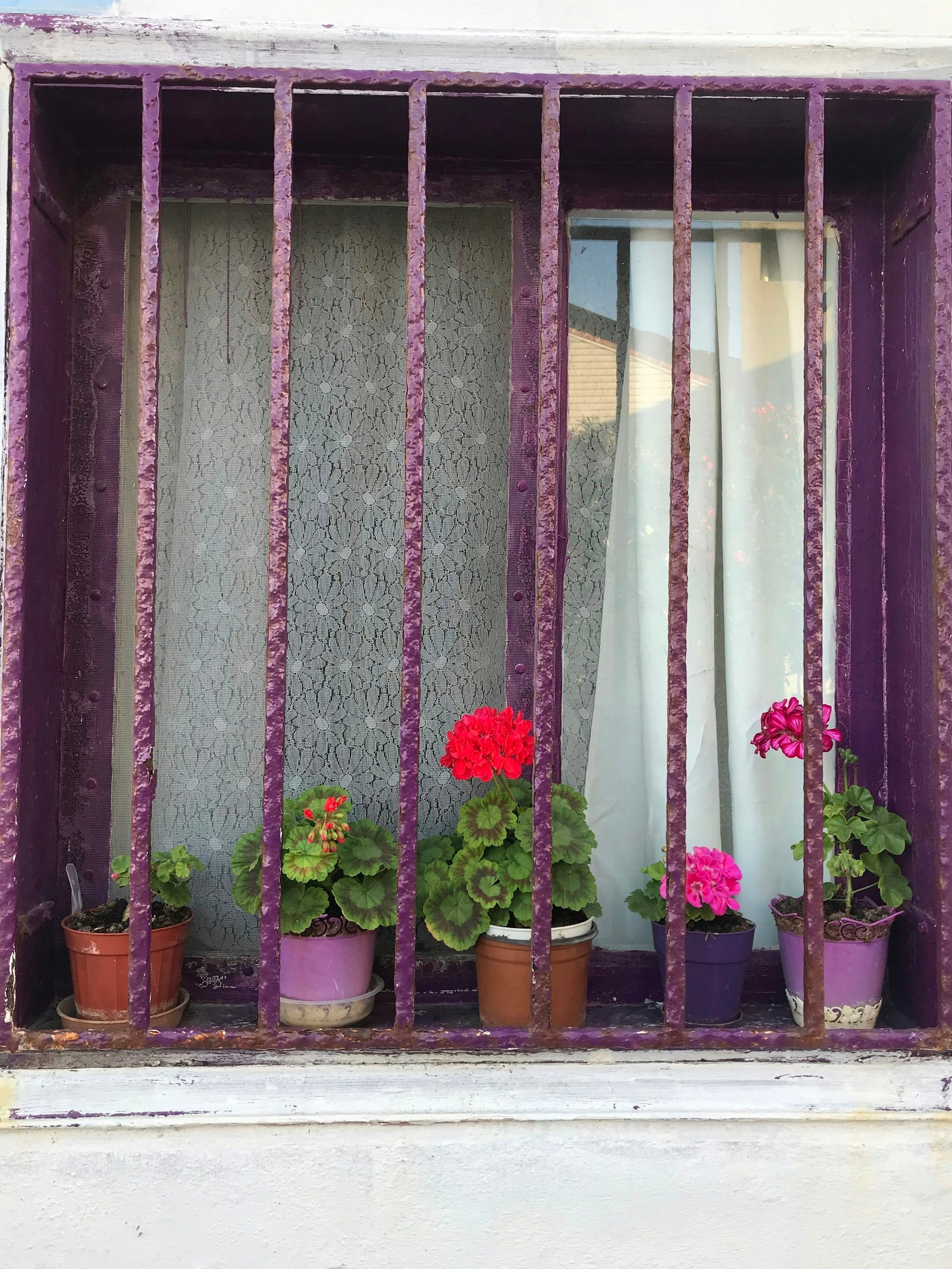
Growing edible flowers on a windowsill presents numerous benefits, particularly advantageous for those who live in urban environments where space may be limited. The convenience of having fresh, vibrant flowers just a few steps away from your kitchen promotes both accessibility and a more sustainable lifestyle. Instead of purchasing flowers from the store, gardeners can cultivate their own delightful blooms, reducing the carbon footprint associated with transport and packaging.
Additionally, growing edible flowers contributes to space-saving gardening. Windowsills often receive ample sunlight, making them ideal for cultivating various herbs and edible blooms without requiring extensive outdoor space. This method allows individuals to enjoy the art of gardening in small apartments or homes, bringing nature into their living space while enhancing the biodiversity of the area. Furthermore, the ability to grow your own edible flowers empowers home cooks to elevate their culinary creations, adding unique flavors and stunning visual appeal to dishes.
The aesthetic appeal of having colorful, fragrant flowers right in one’s home cannot be understated. These blooms can brighten up a kitchen or living room, offering a delightful sensory experience for residents and visitors alike. Beyond their visual charm, edible flowers provide an opportunity for individuals to reconnect with nature and experience the joy of watching something flourish under their care. This connection to the growth cycle of plants can be a fulfilling endeavor, promoting mental well-being and encouraging a deeper appreciation for food sources.
In conclusion, the many benefits of cultivating edible flowers on a windowsill range from convenience and aesthetic charm to the pleasure of gardening. Such practices not only enhance one’s culinary pursuits but also promote a sustainable lifestyle, making gardening an enjoyable activity even in the smallest of spaces.
Nasturtium: The Colorful Wonder
Nasturtium, known for its vibrant colors and distinctive peppery flavor, is an outstanding choice for those interested in cultivating edible flowers on their windowsill. This annual flower, belonging to the Tropaeolum genus, not only adds visual appeal to your space but also enriches your culinary endeavors.
The flavor profile of nasturtium is often described as a combination of arugula and radish, making it a dynamic addition to salads, sandwiches, and garnishes. The leaves and blossoms both contribute to dishes, providing a slight heat that complements various ingredients. Furthermore, the blossoms are visually striking, available in shades of orange, yellow, and red, making them a vibrant option for culinary presentations.
Growing nasturtium on a windowsill is a relatively simple process. These plants thrive in well-drained soil and prefer full sun, making a south-facing window ideal for their growth. When planting, use a pot that allows for adequate drainage and ensure it is filled with a nutrient-rich potting mix. Water the plants regularly, but be cautious of overwatering, as nasturtiums are sensitive to soggy conditions.
Seeds can be sown directly in the soil or started indoors and transplanted after a few weeks. With proper care, nasturtium can flourish within quite a short span, typically yielding edible flowers just 6 to 8 weeks after sowing. Regular harvesting of flowers will encourage further blooming and enhance your culinary experience, allowing for continuous use in various dishes.
In conclusion, nasturtium stands out not only for its aesthetic appeal but also for its versatility in the kitchen. Its ease of growth and unique flavor make it a perfect candidate for edible flower gardening on your windowsill.
Pansy: A Sweet Delight
Pansies (Viola tricolor var. hortensis) are a popular choice among edible flowers, cherished not only for their striking and vibrant colors but also for their mildly sweet flavor. These delightful blooms display a palette that includes shades of purple, yellow, blue, and white, making them a visually appealing addition to any space. They are relatively easy to grow and can thrive on a windowsill, offering a touch of nature alongside culinary versatility.
To cultivate pansies indoors, begin by choosing a container with good drainage. A pot that is at least 6 to 8 inches deep will suffice. Fill the container with a quality potting mix and ensure it is light and well-aerated, as pansies prefer soil that retains moisture without becoming soggy. Position the pot in a spot that receives 4 to 6 hours of sunlight daily, as pansies flourish in full to partial sunlight.
Water your pansy plants consistently to keep the soil damp, especially during dry spells. However, avoid overwatering and make sure the water drains freely to prevent root rot. Fertilizing them every few weeks with a balanced, water-soluble fertilizer can help promote healthy growth and colorful blooms. With proper care, pansies can produce blossoms for several weeks, providing an ongoing supply of edible flowers.
When incorporating pansies into your dishes, consider their unique flavor profile. Their sweet taste makes them an excellent addition to salads, providing visual appeal and a subtle hint of sweetness. You can also use them as garnishes for desserts, cakes, and cocktails. Ensure the flowers are pesticide-free before consuming them, as safety is critical. By cultivating pansies on a windowsill, you not only enhance your home decor but also enrich your culinary experiences with their remarkable beauty and flavor.
Marigold: More Than Just a Pretty Flower
Marigolds, scientifically known as Tagetes, are vibrant and hardy flowers that bring both beauty and flavor to your culinary creations. Known for their bright hues ranging from golden yellows to deep oranges, marigolds are not just visually appealing; they also possess a slightly spicy, citrus-like taste that can enhance a variety of dishes. These edible flowers are often used in salads, adding a splash of color and a unique flavor profile.
When considering marigolds for your windowsill garden, it is essential to understand their growth requirements to ensure a healthy and flourishing plant. Marigolds thrive in well-drained soil with plenty of organic matter. They require full sun exposure, ideally receiving at least 6 hours of direct sunlight each day. This ensures robust growth and vibrant blossoms. Regular watering is crucial, especially during dry spells; however, care should be taken to avoid waterlogging the soil, as this can lead to root rot.
Regarding care, marigolds are relatively low-maintenance. They can benefit from regular deadheading, which involves removing spent flowers to encourage new blooms. Fertilization should be done sparingly, as too much can lead to lush foliage but fewer flowers. Using a balanced, all-purpose fertilizer can provide the essential nutrients the plants need to flourish without overwhelming them.
Moreover, marigolds are not only edible but also serve as excellent companion plants in your garden due to their ability to repel certain pests, thus contributing to a healthier growing environment for your other plants. Their versatility, coupled with their culinary charm, makes marigolds a fantastic addition to any windowsill herb collection.
4. Chive Blossoms: A Subtle Onion Flavor
Chive blossoms, the delicate pink or purple flowers of the chive plant, are not only visually appealing but also provide a mild onion flavor that can enhance a variety of dishes. These edible flowers pack a subtle taste that complements numerous culinary creations, ranging from salads to soups. Their exquisite appearance makes them a popular choice for garnishing, adding a touch of elegance to any plate.
To successfully grow chive blossoms on a windowsill, it is essential to start with healthy chive plants, which are ideally suited for containers. A pot that is approximately 4-6 inches deep and has drainage holes is suitable for planting. Fill the pot with a high-quality potting mix, ensuring it remains well-draining. Planting chive seeds or young plants in the spring will yield the best results, as they thrive in bright, indirect sunlight.
Chive plants require moderate watering, so it is important to keep the soil consistently moist but not soggy. Over-watering can lead to root rot, which is detrimental to the plant’s health. Once the chives mature, chive flowers typically begin to bloom in late spring to early summer. At this stage, you can harvest the flowers by cutting the stem just below the bloom, ensuring that you leave some stems behind for continued growth.
In addition to being used fresh, chive blossoms can be incorporated into various dishes, such as salads, omelets, and vinaigrettes. They can also be infused into oils or vinegars, creating flavorful additions to numerous recipes. By cultivating chive blossoms on a windowsill, gardeners can enjoy a continuous supply of these unique and versatile edible flowers, enriching their culinary experiences throughout the growing season.
Bee Balm: Aromatic and Beautiful
Bee balm, scientifically known as Monarda, is not only visually appealing but also provides a delightful aromatic experience. Characterized by its vibrant blossoms which range from bright red to purple, bee balm attracts not only human attention but also pollinators such as bees and butterflies, making it a perfect addition to any windowsill garden.
This herb thrives in well-draining soil and requires a balance of sunlight and moisture. When growing bee balm indoors, ensure it receives at least six hours of sunlight daily, as this aids in producing robust foliage and blooms. For optimal growth, consider utilizing a pot with drainage holes and a quality potting mix. Regular watering is essential, particularly during dry spells, but take care not to overwater, as bee balm prefers slightly moist soil.
In terms of edibility, bee balm leaves and flowers are both safe for consumption, offering a minty flavor with subtle notes reminiscent of oregano. The flowers can be utilized in a variety of culinary preparations, enhancing salads, desserts, and beverages. For example, you can sprinkle the petals over a fresh salad for a pop of color and a hint of flavor or infuse them into teas, lending a fragrant twist.
Additionally, bee balm can be used as a garnish for cocktails or desserts, making it a versatile option in the culinary world. Moreover, it possesses medicinal properties, traditionally used to support digestive health and alleviate respiratory issues.
With its aromatic qualities and vibrant appearance, bee balm serves as more than just a decorative plant; it can bring flavor, beauty, and health benefits right to your living space.
Caring for Your Edible Flowers
Growing edible flowers on a windowsill is a rewarding endeavor that not only enhances your culinary dishes but also beautifies your living space. To ensure that these flowering plants thrive, certain care practices must be adhered to. First and foremost, it is essential to understand the specific sunlight requirements for each type of edible flower. Most edible flowering plants prefer bright, indirect sunlight, with at least six hours of light per day. Therefore, positioning your plants near a south-facing window can yield the best results.
Watering is another crucial aspect of maintaining your blossoming plants. Edible flowers generally prefer well-drained soil, thus overwatering should be avoided. A good practice is to check the top inch of the soil; if it feels dry, it is time to water. Allow the excess water to drain from the bottom of the pot to prevent root rot. Using a light, organic fertilizer every few weeks during the growing season can also help provide essential nutrients, promoting healthy growth and vibrant flowers.
Pest control is vital to protect your edible flowers from harmful insects. Regularly inspecting your plants for signs of pests such as aphids or spider mites enables prompt action to be taken. Natural remedies, like neem oil or insecticidal soap, can effectively deter these invaders without harming the plant or surrounding environment. Additionally, encouraging beneficial insects, such as ladybugs and lacewings, can promote a balanced ecosystem within your indoor garden.
Ultimately, maintaining a healthy environment for your edible flowers involves careful attention to their light, water, and pest management needs. By ensuring these factors are optimized, you can successfully cultivate a flourishing windowsill garden of edible flowers.
Conclusion and Encouragement to Try Gardening
As we explore the world of edible flowers, it becomes clear that cultivating these delightful plants can add not only visual beauty but also a unique flavor to our culinary experiences. The five flowers we have discussed—nasturtiums, pansies, violets, marigolds, and borage—are all excellent candidates for windowsill gardening. Their vibrant colors and distinctive tastes can enhance a variety of dishes, from salads to desserts, providing both aesthetic and gastronomic appeal.
In conclusion, growing edible flowers can be an enriching and rewarding endeavor that fosters a connection with nature, even in urban settings. Gardening can serve as a mindful activity, allowing individuals to engage with their living space meaningfully. Even if you have limited space, a few pots on a windowsill or balcony can yield wonderful results. The satisfaction derived from nurturing plants and eventually enjoying their blooms in your meals can be immensely fulfilling.
We encourage you to take that first step into indoor gardening. Begin with one or two flowers and observe their growth. Document your journey, share your successes and challenges, and inspire others by connecting your experiences with a community of fellow enthusiasts. Your insights may encourage someone else to explore the joys of growing edible plants. Remember, every gardener starts somewhere, and with patience and care, you will see the fruits of your labor bloom right before your eyes.