

Introduction to Tech Neck
In today’s digital age, the phenomenon known as ‘tech neck’ has emerged as a significant concern, especially among office workers who spend prolonged hours behind screens. This condition is primarily characterized by neck pain and discomfort resulting from improper posture during the use of computers and smartphones. As individuals lean forward or look down at their devices for extended periods, they place excessive strain on their cervical spine, leading to a range of physical ailments.
The rise of remote work and the increased reliance on technology for communication and productivity have exacerbated the prevalence of tech neck. Many office workers are often unaware of their body mechanics, which can lead to poor posture habits. This prolonged inclination of the head can result in a misalignment of the spine, leading to chronic neck pain, stiffness, and even frequent headaches.
Symptoms of tech neck can vary among individuals, but they often include generalized neck discomfort, tightness in upper back muscles, and recurring headaches that may radiate to the shoulders. In more severe cases, individuals may experience tingling sensations in their arms due to nerve compression caused by misalignment. It is increasingly clear that tech neck is not merely an inconvenience but can impact an individual’s overall quality of life, thereby necessitating immediate attention and action to mitigate its effects.
Understanding tech neck and its implications is a crucial first step towards addressing this condition. Recognizing the causes and symptoms will pave the way for office workers to seek effective proactive measures, thus encouraging better posture and overall wellness in the workplace.
Understanding the Impact of Tech Neck
In today’s digital age, the term “tech neck” has become increasingly prevalent, particularly among office workers who spend extensive hours hunched over screens and mobile devices. This phenomenon arises from poor posture, which can have significant implications for overall health and productivity. When individuals adopt a forward head position, they are unintentionally leading to tension in the neck and upper back muscles, resulting in discomfort and pain.
Over time, the effects of tech neck can exacerbate, leading to chronic pain conditions that impact daily life. The strain on the cervical spine can potentially cause degenerative disc issues and result in postural changes that are not only uncomfortable but also challenging to correct. Furthermore, the continuous cycle of discomfort can affect work efficiency, as employees may experience decreased concentration and motivation due to persistent pain or distraction caused by tech neck symptoms.
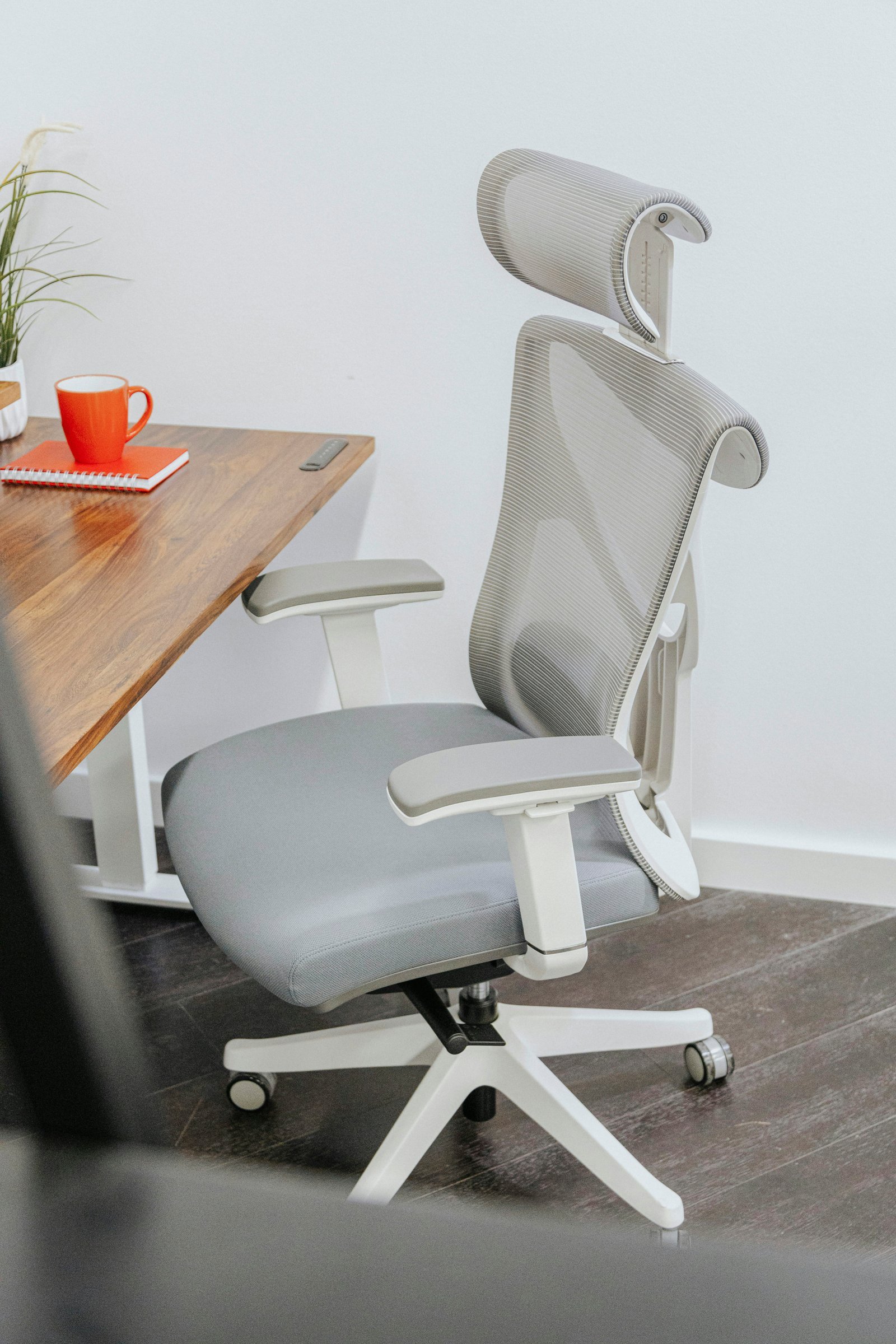
To combat the adverse effects of poor posture, it is imperative for organizations to prioritize ergonomics in the workplace. This involves creating workstations that support proper body alignment, thus reducing the risk of developing tech neck. Simple adjustments, such as positioning the computer screen at eye level and using supportive chairs, can significantly alleviate strain on muscles and joints.
Moreover, enhancing awareness about proper posture and encouraging regular breaks for stretching and movement can contribute to better physical well-being among office workers. By fostering an environment that prioritizes ergonomic practices, businesses not only promote employee health but also enhance overall productivity and morale in the workplace.
Overview of Exercises to Fix Tech Neck
In today’s digital age, office workers are increasingly prone to experiencing symptoms of ‘tech neck.’ This condition, characterized by discomfort in the neck and shoulders, often arises from prolonged periods of looking down at screens, whether on computers or mobile devices. It’s crucial for individuals to recognize the importance of mitigating these effects through regular movement, stretching, and strengthening exercises. The following exercises have been specifically designed to target the strains associated with this condition and promote better posture, resilience, and overall neck health.
The five exercises to be covered in this post include neck stretches, chin tucks, shoulder blade squeezes, thoracic extensions, and wall angels. Each of these exercises serves a distinct purpose in combating tech neck. Neck stretches are essential for relieving muscle tension by improving flexibility. Chin tucks strengthen the deep neck flexors, helping to realign the spine in a neutral position. Shoulder blade squeezes enhance scapular stability, crucial for counteracting rounded shoulders caused by poor posture. Thoracic extensions work to increase mobility in the upper back, while wall angels focus on improving shoulder movement and alignment.
Incorporating these exercises into your daily routine is vital for those who spend extended hours in front of screens. Regular practice not only alleviates existing discomfort but also serves as a preventive measure against future issues. Remember to perform these exercises mindfully, paying attention to proper form and breathing, to maximize effectiveness and minimize the risk of injury. Maintaining optimal neck health is key for enhancing productivity and comfort in the workplace.
Neck Stretch
The neck stretch is a fundamental exercise aimed at alleviating the discomfort caused by ‘tech neck’, which is common among office workers. This exercise targets the sternocleidomastoid and upper trapezius muscles, promoting flexibility and reducing stiffness in the neck region.
To correctly perform the neck stretch, follow these step-by-step instructions:1. Begin by sitting or standing in a comfortable position, ensuring your back is straight and shoulders are relaxed.2. Slowly tilt your head to the right side, bringing your ear toward your shoulder. This movement should be gentle; never force it.3. To deepen the stretch, you may place your right hand on the left side of your head, applying light pressure.4. Hold this position for approximately 15-30 seconds, breathing deeply.5. Repeat the same process on the left side, holding for the same duration.6. For an added challenge and variation, you can also gently turn your head to the right while stretching, allowing further engagement of the neck muscles.7. Complete 3 to 5 repetitions on each side, performing this exercise 3-5 times a week for optimal results.
For beginners, it is essential to listen to your body and only stretch within a comfortable range. Advanced practitioners may incorporate this exercise after prolonged periods of screen time to counteract tension build-up. The neck stretch can provide immediate relief from discomfort and, when performed regularly, can enhance overall neck and shoulder mobility.
Shoulder Shrugs
Shoulder shrugs are a straightforward and effective exercise aimed at alleviating tension in the shoulders and upper back. This exercise focuses on the trapezius muscles, which can become tight due to prolonged periods of sitting, especially when working at a computer. Implementing shoulder shrugs into your daily routine can help mitigate the discomfort associated with ‘tech neck’ and promote better posture.
To perform shoulder shrugs, follow these steps:
- Begin by standing with your feet shoulder-width apart, ensuring your body is aligned and relaxed.
- Keep your arms at your sides with your palms facing your body.
- Inhale deeply as you raise your shoulders toward your ears, squeezing the shoulder blades together at the top of the movement.
- Hold this position for a moment, feeling the contraction in the upper back and shoulders.
- Exhale slowly as you lower your shoulders back to the starting position.
- Repeat the exercise for 10 to 15 repetitions, focusing on maintaining a controlled pace throughout.
Several variations of shoulder shrugs can enhance their effectiveness. For instance, you can hold light weights in each hand while performing the shrugs to increase resistance. Alternatively, try performing them seated in your office chair; this can help remind you to maintain proper posture during the exercise. Incorporating the shoulder shrugs with deep breathing can further augment relaxation, allowing for a more profound release of tension.
Incorporating shoulder shrugs into your daily routine offers numerous benefits. Regular practice can help alleviate tightness in the neck and shoulders, improve overall range of motion, and reduce the risk of developing chronic pain associated with desk work. By making shoulder shrugs a staple in your exercise regimen, you can promote a healthier and more comfortable working environment.
Chest Opener Exercise
The chest opener is a highly beneficial exercise specifically designed to counteract the postural imbalances that result from prolonged periods of tech neck. As office workers commonly find themselves hunched over screens, this exercise helps to stretch the chest and shoulder muscles, promoting improved posture and relieving tension.
To perform the chest opener effectively, begin by standing or sitting upright. If you are seated, make sure your feet are flat on the ground and your back is straight. Interlace your fingers behind your back with your palms facing inward. Next, gently pull your shoulders back while lifting your hands away from your body. It is crucial to avoid straining your back; the movement should feel comfortable and controlled. You should feel a stretch across the chest and the front of the shoulders.
Hold this position for 15 to 30 seconds, breathing deeply throughout the stretch. To deepen the stretch, you may lean slightly forward while keeping the shoulders relaxed. Be cautious not to overstretch; the goal is to feel a gentle pull rather than sharp pain. Repeat this stretching exercise 2 to 3 times, ensuring that you maintain proper posture throughout each repetition.
Incorporating the chest opener into your daily routine can prove beneficial, especially for those who spend numerous hours at a desk. Aim to perform this exercise at least once every hour or during breaks to help counteract the stiffness that accumulates from poor posture. By regularly practicing the chest opener, office workers can effectively alleviate tech neck symptoms, enhancing their overall comfort and productivity in the workplace.
Seated Torso Twist
The seated torso twist is an effective exercise for alleviating the symptoms associated with ‘tech neck’, a common ailment among office workers who spend long hours hunched over computers. This exercise focuses on enhancing spinal mobility and improving posture, which can counteract the effects of prolonged sitting and forward head posture.
To perform the seated torso twist, begin by sitting upright in your chair with your feet flat on the floor and your back straight. Ensure that your shoulders are relaxed and your hands are resting on your thighs or the armrests. Taking a deep breath, gently initiate the twist by turning your upper body to the right while keeping your hips square. To achieve maximum benefit, use your right hand to hold the back of your chair for support, while your left hand can be placed on your right knee for an enhanced stretch. Hold this position for 15 to 30 seconds, ensuring that you maintain a comfortable and controlled twist.
After completing the twist on the right, return to the center and repeat the motion on the left side. This side-to-side rotation promotes flexibility in the thoracic spine and can relieve tension in the neck and shoulders. As an alternative, if the traditional seated position is not convenient, office workers can perform the torso twist while standing, using a desk or wall for added balance.
Incorporating the seated torso twist into your daily routine can significantly contribute to improved spinal health and better posture. It allows for the release of built-up tension and helps to reset alignment when spending extended periods of time in a sedentary position. Thus, this exercise not only enhances mobility but also serves as a valuable tool for maintaining overall well-being in today’s technology-driven workplace.
Chin Tucks: A Detailed Guide for Office Workers
Chin tucks are an effective and simple exercise designed to strengthen the neck muscles and correct forward head posture, a common issue faced by many office workers due to prolonged computer use. This exercise helps align the head over the spine, reducing strain on the neck and improving posture.
To perform a chin tuck, begin by sitting or standing with a straight back. Ensure your shoulders are relaxed and your chin is parallel to the floor. Take a deep breath, and as you exhale, gently pull your chin back towards your neck. This motion should feel like creating a double chin; however, avoid tilting your head down or up. Hold the position for five seconds while breathing normally and then release. Repeat this exercise for ten repetitions, ideally a few times throughout your workday.
Chin tucks can be performed anywhere, making them suitable for busy office environments. Integrating this exercise into your daily routine can be beneficial, especially after long periods of sitting. Consider performing chin tucks during short breaks or whenever you feel tension in your neck. Additionally, combining chin tucks with other neck strengthening exercises can further enhance their effectiveness in alleviating tech neck symptoms.
There are several variations of the chin tuck that can be incorporated for added challenge or effectiveness. For instance, the seated chin tuck involves performing the exercise while seated on a stability ball to engage more core muscles. Another variation is the chin tuck with rotation, where you perform the tuck and gently turn your head to one side, then the other, to stretch the neck while maintaining the correct posture. Incorporating these variations can keep the exercise routine engaging, helping to address tech neck comprehensively.
Conclusion and Practical Tips for Maintaining Good Posture
In recap, the issue of ‘Tech Neck’ is increasingly prevalent among office workers, resulting from prolonged periods spent in front of screens without adequate posture support. The effective exercises discussed throughout this post—including chin tucks, neck stretches, shoulder blade squeezes, upper body twists, and neck rotations—serve as valuable methods to alleviate discomfort associated with this condition. Regularly incorporating these exercises into your daily routine is crucial for maintaining neck health and overall well-being.
To further support good posture, establishing an ergonomic workspace is vital. Ensuring that your chair, desk, and computer monitor are positioned correctly can significantly reduce the risk of developing ‘Tech Neck’. Position your monitor at eye level and keep your chair adjusted to support your lower back. Your feet should rest flat on the ground, with knees at a 90-degree angle, and your forearms should be parallel to the floor when typing.
Additionally, it is essential to take regular breaks. Following the 20-20-20 rule is an excellent way to reduce strain on the neck and eyes. Every 20 minutes, take a 20-second break to look at something 20 feet away. During these breaks, perform some neck stretches or simple exercises to keep muscles relaxed and reduce tension.
By diligently applying these practices and committing to the recommended exercises, you can combat ‘Tech Neck’ effectively. It is important to blend these health strategies into your daily schedule, fostering a more comfortable and productive work environment. Strive to prioritize your posture and overall health as an intrinsic part of your work routine.