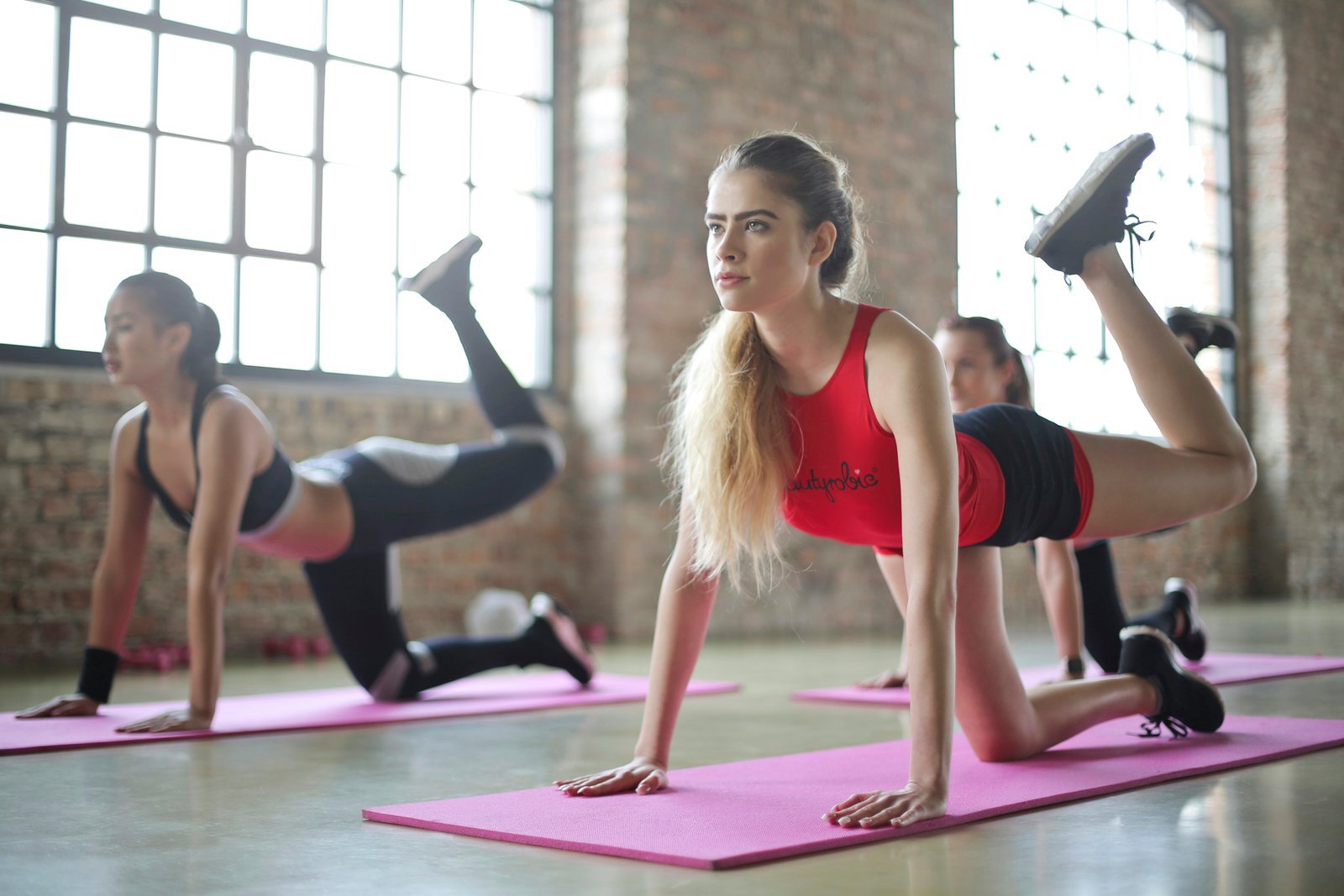


Understanding Post-Workout Inflammation
Post-workout inflammation is a natural physiological response that occurs after exercising. It is characterized by the body’s immune system reacting to the microtears in muscle fibers caused by strenuous activity. This inflammatory response is essential for the recovery and adaptation processes, as it initiates repair mechanisms and promotes muscle growth. However, excessive inflammation can have detrimental effects, leading to prolonged soreness and hindering overall performance.
Several factors contribute to post-workout inflammation, including the intensity, duration, and type of exercise performed. High-intensity interval training (HIIT) or resistance training typically induces greater muscle damage, leading to a more pronounced inflammatory response. Additionally, individual differences such as fitness level, nutrition, and recovery practices can influence the extent of inflammation experienced after workouts.
The effects of post-workout inflammation on the body are multifaceted. Initially, it can cause discomfort and delayed onset muscle soreness (DOMS), which can deter individuals from maintaining a consistent workout schedule. Furthermore, chronic inflammation may lead to long-term consequences, increasing the risk of injury and prolonging recovery times. Therefore, athletes and fitness enthusiasts must be proactive in managing this inflammation to optimize their training and recovery.
Effective strategies for managing post-workout inflammation include proper hydration, nutritional support, and recovery techniques. Implementing cold exposure methods, such as cold plunges, can significantly reduce inflammation, aiding in quicker recovery and improved athletic performance. Understanding the dynamics of post-workout inflammation and its impacts is crucial for anyone engaged in physical activity.
What Are Cold Plunges?
Cold plunges, often referred to as cold water immersion therapy, are practices designed to expose the body to cold temperatures for therapeutic benefits. This technique has been utilized for centuries, tracing back to ancient civilizations that recognized the healing potential of cold water. Histories of therapeutic bathing in places like Roman baths illustrate an early understanding of the recuperative powers of cold exposures.
In contemporary settings, cold plunges are integrated into various wellness routines, particularly among athletes and fitness enthusiasts who seek to reduce post-workout inflammation and improve recovery times. The concept revolves around immersing the body, or specific body parts, in cold water, typically between 50°F to 59°F (10°C to 15°C). These temperatures are considered ideal for eliciting physiological responses that combat inflammation and enhance muscle recovery.
Different methods of cold plunging exist, ranging from traditional immersion in cold baths or natural water bodies like lakes and rivers to modern alternatives such as cryotherapy chambers or ice baths. Each method has its variations, but the underlying principle remains consistent: the exposure to cold aims to constrict blood vessels and reduce metabolic activity, consequently alleviating swelling and tissue breakdown.
The adoption of cold water immersion in sports is on the rise, with athletes often utilizing it post-exercise to hasten recovery. Research supports that such cold exposure can reduce delayed onset muscle soreness, enhance physiological adaptations to training, and support overall physical performance. As awareness of these benefits expands, cold plunges are increasingly celebrated not just as a recovery tool, but also as a modality in holistic wellness practices.
The Science Behind Cold Therapy and Inflammation
Cold therapy, often employed through cold plunges, has gained attention for its role in managing post-workout inflammation. Scientific studies corroborate the efficacy of this method, demonstrating that exposure to cold can significantly mitigate inflammation following physical activity. When the body is subjected to low temperatures, a variety of physiological responses are initiated, which can be beneficial for recovery.
One of the primary mechanisms at play is vasoconstriction, a process where blood vessels constrict due to cold exposure. This reduction in blood flow limits the migration of inflammatory cells to tissues that were subjected to stress during exercise. A study published in the Journal of Athletic Training indicated that athletes who engaged in cold water immersion showed reduced levels of inflammatory markers, such as cytokines, compared to those who did not.
Moreover, cold therapy may alleviate muscle soreness and stiffness because it slows down metabolic processes. By decreasing the rate of cellular activity, cold plunges help in the reduction of muscle damage that typically accompanies vigorous workouts. Research in the European Journal of Applied Physiology found that athletes who utilized ice baths after intense training sessions reported lower perceived levels of soreness and faster recovery times.
Additionally, the biochemical response to cold exposure can aid in recovery by promoting mitochondrial function and increasing antioxidant defenses. These enzymatic activities are crucial for muscle repair and overall recovery. In summary, the research suggests that cold plunges are not merely a fad but rather a scientifically backed method for minimizing post-exercise inflammation and enhancing recovery, thereby making them a worthwhile consideration for athletes and fitness enthusiasts alike.
How to Incorporate Cold Plunges into Your Routine
The integration of cold plunges into your post-workout routine can significantly aid in the reduction of inflammation and enhance recovery. To effectively employ this method, proper timing, duration, and frequency are crucial. Following a workout, when muscles are fatigued and inflamed, is the optimal time to perform a cold plunge. Ideally, the plunge should be taken within 30 minutes after exercise to maximize recovery benefits.
When it comes to duration, beginning with a cold plunge of 3 to 5 minutes is advisable. This duration allows the body to adjust to the sudden cold exposure while still reaping the benefits of reduced inflammation. As your body acclimates to cold exposure, you can gradually increase this time to 10 minutes, although preferences will vary among individuals.
Frequency should also be considered in your training schedule. For those engaged in high-intensity workouts or competitions, 2 to 3 times a week may be beneficial. However, for general fitness enthusiasts, a once-a-week cold plunge may suffice to aid in recovery and inflammation control.
Furthermore, safety precautions must be adhered to when incorporating cold exposure. Always listen to your body; if you experience excessive discomfort or numbness, it is advisable to exit the plunge. Additionally, consulting a healthcare provider before starting a cold plunge regimen is recommended, particularly for those with existing health conditions such as cardiovascular issues. By following these guidelines, you can seamlessly incorporate cold plunges into your post-workout strategies, optimizing recovery and performance.
Best Practices for Effective Cold Plunges
To harness the full benefits of cold plunges for reducing post-workout inflammation, certain best practices should be observed. Initially, implementing pre-cooling techniques can set a solid foundation. Consider taking a brief cold shower or applying ice packs to specific muscle groups prior to the main immersion. This can enhance blood circulation and may amplify the effectiveness of the cold plunge.
Following the cold plunge, it is crucial to engage in an adequate warm-up strategy. After exposure to cold water, the body can become rigid. Hence, gentle stretching or light aerobic activities can facilitate the warming of muscles and promote recovery. This step is vital, as it offsets any tightness that may result from the cold therapy, ensuring that the muscles remain flexible and responsive.
When executing your cold plunge post-workout, adhering to a well-defined protocol maximizes its benefits. Best practices suggest immersing the body in cold water for approximately 10 to 15 minutes. This duration is generally effective for achieving a significant reduction in inflammation and pain. Additionally, maintaining a consistent temperature around 50 to 59 degrees Fahrenheit (10 to 15 degrees Celsius) is ideal for optimizing the cold plunge experience and protecting the body’s core temperature.
As with any therapeutic practice, there are common pitfalls to avoid during cold therapy. Many individuals tend to stay in cold water for too long, which can lead to hypothermia or excessive discomfort. Furthermore, sudden temperature changes should be limited, as they could shock the system. Always listen to your body, and if you experience severe discomfort, it’s prudent to exit the cold plunge immediately. By adhering to these best practices, one can ensure an effective and beneficial cold plunge experience to reduce post-workout inflammation.
Personal Experiences: Athlete Testimonials
In the realm of sports and physical training, recovery is a crucial factor in performance. Many athletes, both amateur and professional, have started incorporating cold plunges into their post-workout regimes, reporting significant improvements in their recovery times and overall well-being. One such athlete, a competitive runner, shared her experience: “After implementing cold plunges, I noticed a remarkable reduction in muscle soreness. The days following intense training sessions were less daunting, allowing me to maintain my training schedule with minimal interruption.”
Another testimonial comes from a CrossFit competitor who has embraced cold water immersion as a staple of his recovery routine. He stated, “I initially hesitated to try cold plunges, thinking the discomfort would outweigh the benefits. However, after my first session, I was amazed at how quickly my muscles felt refreshed. It not only alleviated inflammation but also provided a mental reset after grueling workouts.” Such personal accounts underscore the transformative effects that cold exposure can have on an athlete’s recovery.
A professional swimmer highlighted the psychological benefits of cold plunges, indicating, “Not only does the cold help soothe my muscles, but it’s also a ritual that signifies my transition from training mode to recovery. It’s a moment of clarity and focus, enabling me to prepare for the next challenge ahead.” This reflective perspective reinforces the multifaceted advantages of cold therapy beyond mere physical relief.
These testimonials illustrate a broader movement within the athletic community towards adopting cold plunges as an essential component of recovery and rehabilitation. By sharing their journeys, athletes provide valuable insights into how cold exposure techniques contribute to enhanced performance and longevity in their respective sports. From runners to swimmers, the consensus is clear: cold plunges are an effective and beneficial tool for anyone seeking to optimize their recovery process.
Potential Risks and Considerations
While the therapeutic benefits of cold plunges are well-documented, it is essential to consider the potential risks and contraindications before engaging in cold exposure therapies. Cold therapy may not be suitable for everyone, particularly individuals with certain medical conditions. Those who have cardiovascular issues, respiratory problems, or cold hypersensitivity should approach cold plunges with caution. Extreme cold exposure can lead to vasoconstriction, which may exacerbate existing health issues. Therefore, it is advisable for individuals with these conditions to consult a healthcare professional before incorporating cold therapy into their routine.
Additionally, pregnant women, individuals with hypertension, and those with severe arthritis or neuropathy may also need to avoid or limit their exposure to cold therapy. A close assessment of individual tolerance levels is critical, as some people might experience skin numbness, tingling, or even pain following cold exposure. Recognizing these symptoms is vital, as they can indicate that the body is reacting negatively to the cold. If such discomfort arises, it is recommended to exit the cold plunge immediately and seek warmth.
To ensure safety during cold therapy, it is important to adhere to recommended guidelines. Starting with shorter durations of exposure—typically ranging from 1 to 5 minutes—can help the body adjust to cold water. Gradually increasing the duration can promote acclimatization without overwhelming the body. Moreover, monitoring body temperature and ensuring that the exposure does not lead to hypothermia are crucial safety measures. Engaging in cold therapy in a controlled environment, such as a spa or facility specialized in cryotherapy, can alleviate some concerns regarding safety and effectiveness.
Complementary Recovery Techniques
In addition to cold plunges, which are well known for their ability to reduce post-workout inflammation, there are several complementary recovery techniques that can enhance overall recovery and well-being. These methods work synergistically with cold therapy, creating a comprehensive recovery strategy.
Firstly, stretching plays a crucial role in the recovery process. Engaging in static or dynamic stretches following exercise can help alleviate muscle tension, improve flexibility, and promote blood circulation. This increased blood flow aids in the delivery of nutrients necessary for muscle repair and can further mitigate inflammation.
Another effective recovery technique is foam rolling, which is a form of self-myofascial release. This method aids in targeting specific muscle groups that may feel tight or sore after intense workouts. By using a foam roller, individuals can break down myofascial adhesions and knots, increasing range of motion and accelerating the recovery process. The combination of foam rolling with cold therapy can be particularly beneficial in managing post-exercise soreness.
Nutrition also plays a vital role in recovery. Incorporating anti-inflammatory foods such as berries, fatty fish, and leafy greens can provide essential nutrients that support recovery. Hydration is equally important; maintaining adequate fluid levels can help reduce the risk of cramps and ensure that nutrients are effectively transported throughout the body. During recovery, electrolyte-rich beverages can be particularly useful, especially after prolonged exercise sessions.
In summary, while cold plunges offer substantial benefits in managing post-workout inflammation, integrating stretching, foam rolling, appropriate nutrition, and hydration into your routine can create a holistic approach to recovery. Employing these strategies in conjunction with cold therapy can lead to improved athletic performance and overall well-being.
Conclusion: Embracing Cold Plunges as a Recovery Tool
In recent years, cold plunges have gained recognition as a significant strategy for enhancing post-workout recovery. The benefits of cold therapy range from reducing inflammation, which is a common concern for athletes and fitness enthusiasts, to promoting overall muscle recovery. By incorporating cold plunges into a regular recovery regimen, individuals may experience a noteworthy difference in their recovery time and comfort levels after strenuous activities.
One of the primary advantages of using cold plunges is their ability to constrict blood vessels, which subsequently limits swelling and tissue breakdown. Upon emerging from the cold water, blood vessels dilate, leading to increased blood flow that nourishes muscles and aids in the recovery process. This physiological response is particularly beneficial for those engaging in high-intensity or prolonged exercise routines, where inflammation can become a considerable impediment.
Furthermore, cold plunges can serve as a refreshing alternative to traditional recovery methods. While rest and hydration are essential components of recovery, combining these with cold therapy can yield enhanced results. As individuals consider including cold plunges in their post-workout routine, it is crucial to remember that this method should complement a well-rounded recovery strategy. Balancing cold therapy with other modalities, such as active recovery, nutrition, and adequate rest, will ultimately lead to optimal physical performance and well-being.
Ultimately, embracing cold plunges as a recovery tool can empower individuals to take charge of their post-workout care. Experimenting with various approaches to recovery can help identify what works best for each unique body and exercise routine. As more athletes and fitness enthusiasts adopt cold therapy, the growing body of evidence supporting its benefits will likely encourage wider acceptance and integration of this recovery strategy.