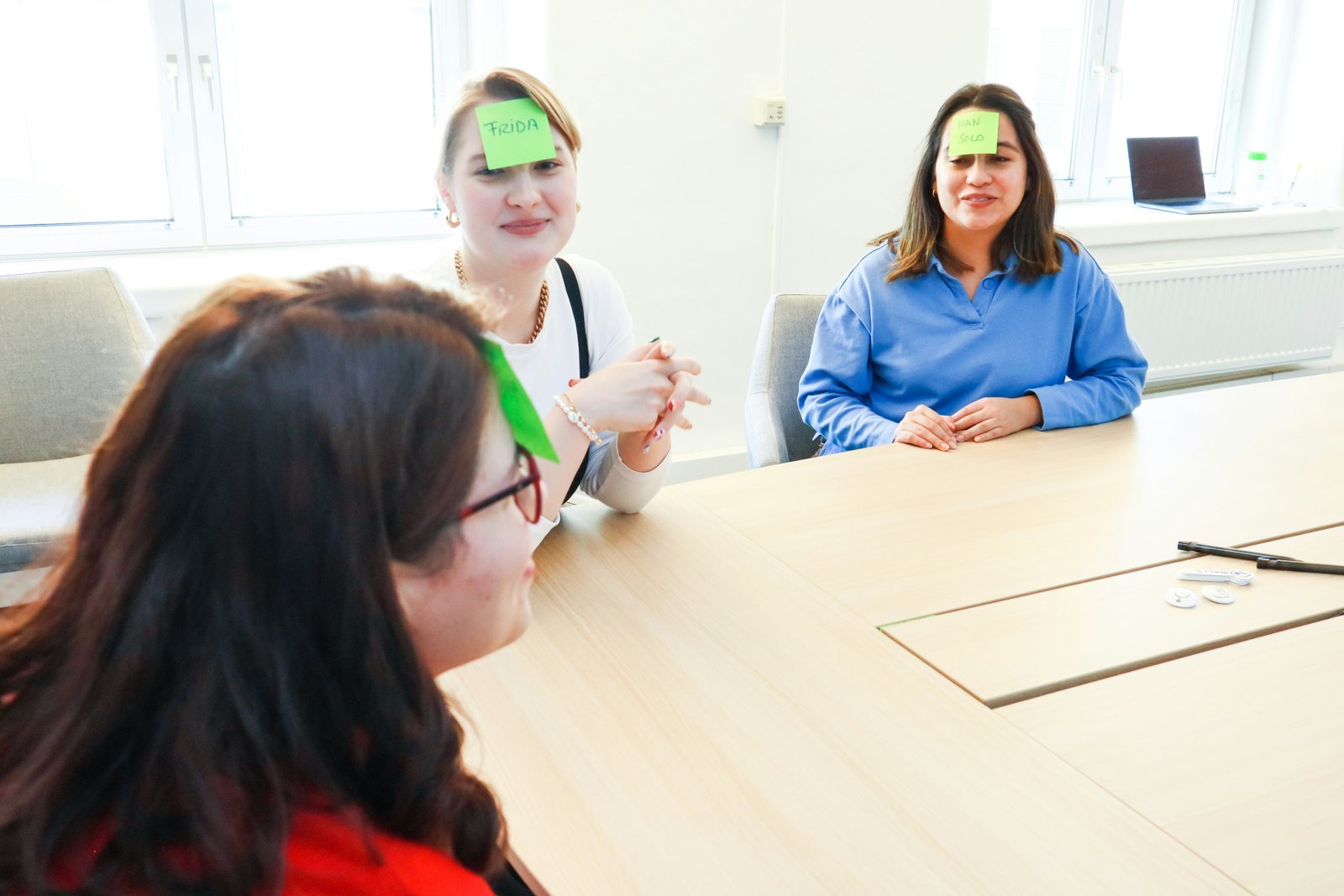


Introduction: The Importance of Community for Remote Workers
In today’s increasingly digital world, remote work has become a norm for many individuals. While remote work offers flexibility and autonomy, it can also lead to feelings of isolation. This is particularly true for solo remote workers, who often lack the spontaneous interactions that a traditional office can provide. Therefore, building a community becomes crucial for these individuals, as it helps mitigate the loneliness that can accompany remote working.
A strong community among remote workers can significantly enhance productivity. When individuals engage with peers, they are more likely to share insights, resources, and motivational support. Having a network to rely on can lead to increased accountability and can facilitate the exchange of ideas, which enhances creativity and problem-solving abilities. This collaborative spirit is essential in a setting where the absence of face-to-face encouragement can dim one’s enthusiasm and drive.
Moreover, remote work can sometimes create a sense of professional disconnection. By establishing a community, remote workers can access valuable networking opportunities that might not be available in their isolated work environments. Connecting with like-minded individuals can lead to new job prospects, collaborative projects, or even mentorship relationships, all of which can aid in professional development.
Furthermore, building a community can enrich a remote worker’s experience by providing emotional support and fostering a sense of belonging. Engaging with others who understand the unique challenges of remote work can create bonds that alleviate stress and encourage resilience. In summary, for solo remote workers, cultivating a supportive community is not just beneficial; it is essential for both personal and professional success.
Join Online Communities and Forums
In today’s digital age, joining online communities and forums is one of the most effective strategies for solo remote workers to build a sense of belonging and establish connections. These platforms are valuable resources for networking, support, and sharing knowledge. Popular forums such as Reddit and specialized Facebook groups cater to remote workers’ interests, providing spaces where individuals can converse freely about their experiences, challenges, and skills related to remote work.
To find relevant groups or forums, start by researching specific interests or skills aligned with your profession. For example, if you are a freelance writer, you might seek out groups that focus on writing, content creation, or freelance business tactics. It is essential to engage actively in conversations within these communities to foster relationships that can turn into supportive networks. This engagement could range from providing insights on topics discussed to asking questions that fellow members might help clarify.
Platforms such as Slack or Discord have also become popular spaces for remote workers, providing real-time communication and collaboration opportunities. These platforms often have channels dedicated to specific topics, enabling members to share advice or partake in conversations that resonate with their professional interests. Joining these online communities can enhance your remote working experience significantly, as they bring together individuals from diverse backgrounds, leading to the sharing of varied perspectives and insights.
Overall, engaging in online forums and communities not only expands your professional network but also fosters a sense of camaraderie, ultimately enriching the solo remote work experience.
Attending Virtual Meetups and Networking Events
For solo remote workers, participating in virtual meetups and networking events presents an invaluable opportunity to cultivate community connections. These online gatherings not only facilitate networking but also foster a sense of belonging among individuals who might otherwise work in isolation. The effectiveness of virtual meetups hinges on the ability to engage with like-minded professionals across diverse geographical locations.
To find suitable events, numerous platforms cater specifically to networking needs. Websites such as Meetup.com and Eventbrite frequently list themed gatherings that focus on various interests, from tech innovation to creative writing. Social media platforms, including LinkedIn and Facebook, also showcase events tailored for professionals seeking to expand their networks. Additionally, specialized community-based forums often host virtual meetups that aim to address niche topics, making it easier to connect with industry peers.
Preparation is crucial before attending these virtual events. It is advisable to research the event’s agenda and speakers, allowing for informed participation and more engaging conversations. Additionally, setting specific goals for the interaction can enhance the overall experience; whether you aim to learn from others, share your work, or seek potential collaborations, being clear about your objectives will make your interactions more meaningful.
The benefits of making face-to-face connections online cannot be overstated. Establishing relationships within the virtual realm can lead to collaborations, mentorship opportunities, and lasting friendships. Furthermore, such connections often create a supportive network that shares resources, advice, and encouragement. In effect, attending virtual meetups and networking events can significantly contribute to preventing isolation while simultaneously building a fulfilling professional community.
Create Your Own Community Initiatives
As a solo remote worker, the challenge of connecting with others can often feel daunting. However, taking the initiative to create your own community can lead to fulfilling relationships and professional growth. One effective strategy is to start a local co-working group. This provides a structured environment where individuals can collaborate, exchange ideas, or simply enjoy the camaraderie of working alongside others. To begin, seek out like-minded individuals by advertising your co-working sessions through social media platforms, local bulletin boards, or community centers. Set a regular schedule and decide whether these meet-ups will take place at cafes, libraries, or other suitable public spaces.
Another engaging method is to host webinars. Utilize your expertise to connect with others in your field or those interested in acquiring new skills. Choose a relevant topic and promote your event through online platforms such as Meetup, Eventbrite, or via social media. Consider recording the session for those who cannot attend live. This not only increases your reach but also establishes your authority as a knowledgeable resource. Following the webinar, create a dedicated forum or group on platforms like Slack or Discord to keep the conversation going and encourage networking.
Lastly, consider organizing skill-sharing sessions within your community. These can be casual meet-ups where everyone has the chance to teach or learn something new. From coding workshops to creative writing, the opportunities are vast. Promote these gatherings through local social networks or community platforms, ensuring the sessions are accessible to everyone interested. The key to success in these community initiatives is consistency and clear communication. By actively creating and promoting these opportunities, you will not only foster your own professional connections but also contribute positively to the remote working landscape.
Overcoming Barriers to Community Building
Remote work offers flexibility and autonomy, but it can also introduce significant barriers to community building for solo workers. Among these challenges are time constraints, inherent shyness, and a lack of familiarity with effective networking strategies. Identifying and addressing these obstacles is vital for fostering connections that can enhance professional and personal life.
Time constraints often arise from the need to juggle multiple responsibilities, including work deadlines and personal commitments. To mitigate this, it is essential to establish realistic goals for social interaction. Instead of overwhelming oneself with the pressure to engage frequently, setting a target of one quality interaction per week can lead to gradual improvement. Such incremental progress not only lessens the stress associated with community building but also allows for meaningful connections to form naturally.
Shyness can further complicate efforts to connect with others. It is important for remote workers to remember that many individuals share similar feelings. For those who struggle with starting conversations or attending social events, gradual exposure can be an effective strategy. Engaging in online communities aligned with personal interests can provide an easier platform for interaction. Participating in discussion forums or social media groups can help to ease individuals into conversations at their own pace.
Lastly, a lack of know-how regarding where to meet people can impede community building efforts. Taking the initiative to research local events, professional organizations, or virtual meetups tailored to one’s career field can yield lucrative networking opportunities. Many platforms also offer virtual events that cater to remote workers, providing an accessible avenue for potential connections.
The Role of Social Media in Community Building
In today’s digital landscape, social media platforms are essential tools for remote workers aiming to build strong professional communities. These platforms serve as conduits for connection, allowing individuals to engage with like-minded professionals, share interests, and collaborate on various projects. With the rise of remote work, the significance of social media in community building cannot be overstated.
One of the primary aspects of utilizing social media effectively is the concept of personal branding. By establishing a clear and concise personal brand on platforms such as LinkedIn, Twitter, and Instagram, remote workers can showcase their expertise, skills, and professional interests. A well-crafted personal brand not only attracts potential collaborators and clients but also communicates authenticity and professionalism. This heightened visibility is vital for expanding one’s network, as peers and industry leaders can easily recognize and interact with a well-defined profile.
Engagement on social media is equally critical for nurturing relationships within the community. Remote workers should actively comment on, share, and participate in discussions related to their field, allowing them to establish rapport with others. Engaging with others’ content fosters connections that go beyond mere networking, as it demonstrates genuine interest in the work and accomplishments of fellow remote professionals.
Networking on platforms like LinkedIn serves as a primary mechanism for building supportive communities among remote workers. Joining groups, participating in discussions, and utilizing features such as endorsements and recommendations can create opportunities for collaboration. Furthermore, Twitter and Instagram provide a more casual means of engagement, where workers can share insights, stories, and experiences, thereby enriching the community atmosphere.
Therefore, embracing social media as a pivotal element of community building can significantly enhance the connections between remote workers. Through the strategic use of personal branding, active engagement, and networking on various platforms, it is possible to cultivate a vibrant and supportive community, ultimately improving both professional satisfaction and personal well-being.
Maintaining Relationships in a Virtual Environment
In the context of remote work, maintaining relationships can be a challenge. However, it is essential to nurture these connections to foster a supportive community. Effective communication is the cornerstone of relationship maintenance in a virtual setting. Establishing consistent communication channels, such as dedicated messaging apps or regular video calls, helps in keeping the lines of communication open. These platforms not only facilitate real-time exchanges but also encourage informal interactions, which are vital for building rapport.
Collaboration is another effective way to sustain relationships with fellow remote workers. Engaging in joint projects can provide an opportunity for community members to learn from each other while contributing towards a common goal. This synergy boosts camaraderie and deepens personal connections. When selecting projects, consider aligning interests and skills among partners to promote a more cohesive working relationship.
Regular check-ins are equally important as they provide a structured opportunity for community members to connect and share their experiences, challenges, and triumphs. These check-ins can be informal coffee chats, structured meetings, or even virtual group activities that allow participants to engage meaningfully. Scheduling these interactions on a weekly or bi-weekly basis can help establish a rhythm and ensure that no one feels disconnected over time.
Moreover, it’s beneficial to actively listen and offer support when needed. Showing genuine interest in others’ endeavors, challenges, or milestones fosters a sense of belonging. Empathy and understanding have a powerful effect in solidifying relationships. By prioritizing communication, fostering collaboration, and conducting regular check-ins, remote workers can effectively maintain and develop their relationships, creating a resilient and thriving community.
Success Stories: Remote Workers Who Built Strong Communities
In the evolving landscape of remote work, numerous solo workers have successfully cultivated vibrant communities, showcasing innovative strategies tailored to their unique situations. These success stories highlight the potential of effective community-building in overcoming the isolation often associated with remote work.
One notable example is Martin, a software developer who initially found himself feeling disconnected in a home office environment. Recognizing the need for social interaction, he took the initiative to create an online forum dedicated to sharing programming tips and resources. Over time, this platform attracted a diverse audience of developers and tech enthusiasts. Through regular webinars and interactive discussions, Martin not only fostered a sense of belonging among participants but also established himself as a thought leader in the industry. His journey underscores the power of creating spaces for like-minded individuals to connect.
Similarly, Emily, a freelance graphic designer, transformed her solitary work into an opportunity for community engagement by launching a monthly virtual networking event. By inviting fellow creatives to showcase their work and collaborate on projects, she has built a supportive network that encourages accountability and collaboration. This initiative has not only enriched her professional life but also resulted in lasting friendships with fellow remote workers, illustrating the impact of intentional social engagement.
Lastly, James, a digital marketer, found success by leveraging social media platforms to connect with other remote workers. He organized regular online meetups and shared helpful resources through his social media channels. This effort led to the formation of a dynamic community where information is freely exchanged, promoting growth and knowledge sharing. His experience highlights how effectively utilizing existing platforms can facilitate network building in the remote work landscape.
These stories exemplify how individual remote workers can break the barriers of isolation through intentional actions and community-building strategies. By taking the first step to reach out, whether through digital forums, events, or social media, remote workers can cultivate vibrant communities that enrich their professional and personal lives.
Conclusion: The Long-term Benefits of Building Community
Building a community as a solo remote worker is not just an immediate necessity; it is a long-term strategy that yields significant benefits. The strategies discussed throughout this blog post provide the framework for fostering meaningful connections that can enhance both professional and personal growth. Whether through virtual meet-ups, social media engagement, or collaborative projects, these avenues offer diverse ways to interact with like-minded individuals.
One of the most compelling benefits of cultivating a community is the increased sense of belonging it provides. As remote workers, individuals can often feel isolated, disconnected from their peers, and out of sync with the professional ecosystem. Engaging with a community mitigates these feelings and fosters deeper emotional ties that can improve overall well-being. A strong community also encourages knowledge sharing, leading to skill enhancement and professional development.
Moreover, a supportive network can serve as an invaluable resource for problem-solving and innovation. When challenges arise, having access to diverse perspectives can help generate new ideas and solutions, creating opportunities that may not be available when working in isolation. Additionally, community members can hold each other accountable, motivating one another to achieve personal and professional goals.
Ultimately, by investing time and effort into building relationships with others, solo remote workers can create a robust framework for sustained interaction and support. The long-term benefits are clear: enhanced satisfaction, increased collaboration, and a network that fosters ongoing growth and opportunities. Therefore, it is crucial to take action and begin exploring the various strategies mentioned in this post to cultivate a thriving community that aligns with one’s values and aspirations.