

Introduction
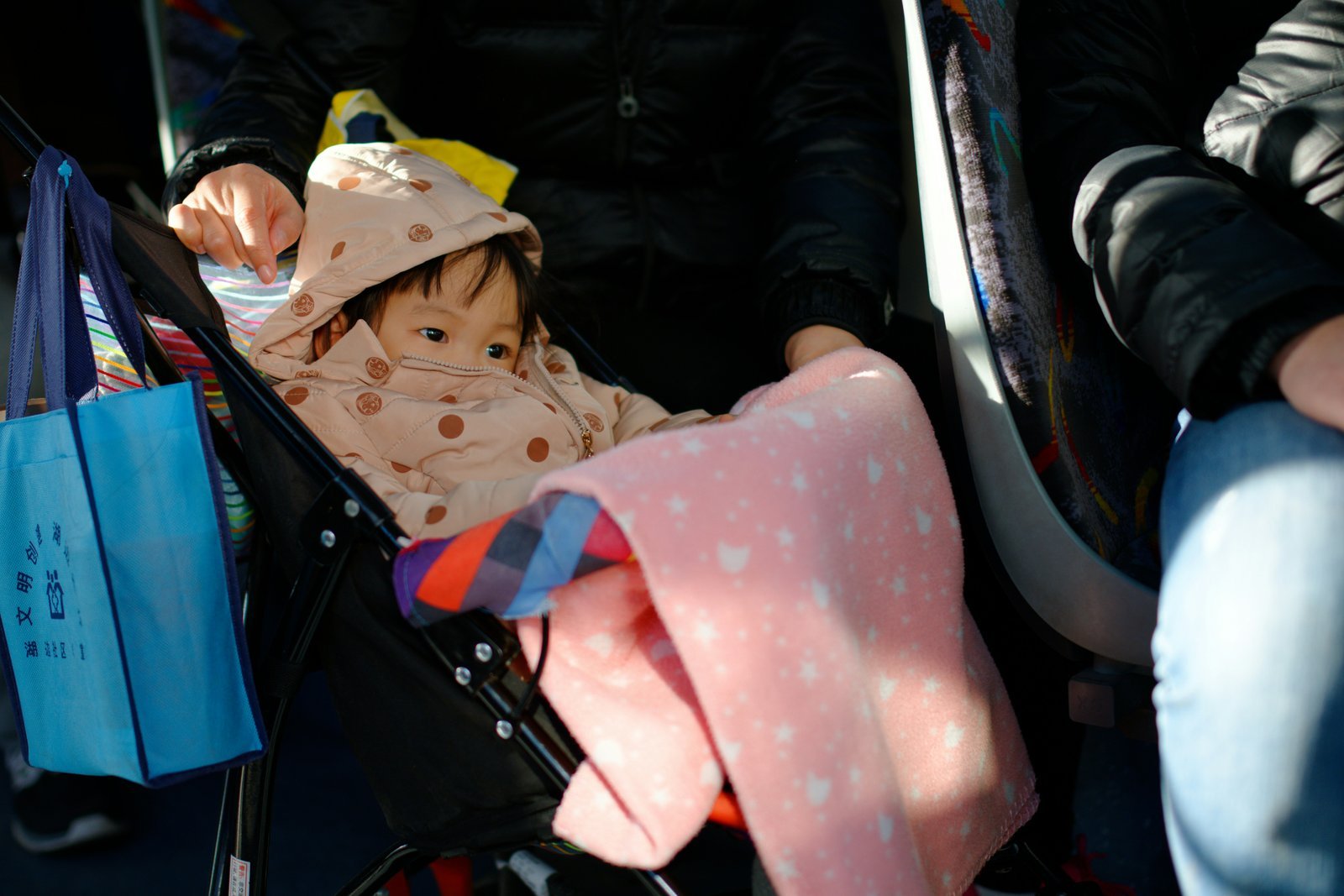
Traveling with a toddler presents unique challenges for parents, often impacting their overall productivity during the journey. Toddlers are naturally curious, energetic, and require constant engagement, which can make it difficult to focus on personal tasks or work-related responsibilities. Parents must navigate the delicate balance of keeping their little ones entertained while attending to their immediate needs, such as meals, naps, and diaper changes. As a result, the logistics of travel can become overwhelming, often leaving parents feeling drained and stressed.
One of the primary concerns parents face is how to maintain productivity when they are away from their familiar routines and setups. The typical distractions inherent in managing a toddler—such as unexpected meltdowns, changing schedules, and the need for constant supervision—can significantly disrupt plans. This situation leads to the necessity of advanced planning and preparation to mitigate these challenges effectively.
Setting realistic expectations is paramount in overcoming the hurdles of traveling with a toddler. Parents must acknowledge that their pre-travel productivity levels may not be fully achievable on the road. Instead, they should aim for a flexible plan that accommodates the high variables associated with traveling with young children. By understanding these dynamics, parents can better adjust their objectives, ensuring that while they cater to their child’s needs, they do not neglect their own tasks and goals.
In essence, effective planning and expectation management remain crucial elements for maintaining productivity while traveling with a toddler. Emphasizing adaptability and being prepared for disruptions can lead to a more enjoyable trip and help parents balance their responsibilities successfully.
Plan Ahead: Choose the Right Destination
Traveling with a toddler can be a daunting but fulfilling experience, and the key to ensuring a smooth journey begins with selecting the right destination. It is vital to prioritize family-friendly locations that offer engaging activities for toddlers while also providing necessary facilities for parents. Such destinations contribute significantly to a more enjoyable vacation experience for the entire family.
When considering family-friendly destinations, look for places that have activities specifically catered to young children. Zoos, aquariums, and theme parks often feature areas designed for toddlers, allowing your child to explore safely. Additionally, opting for destinations with accessible parks and playgrounds can provide ample opportunities for your child to play and interact with other kids, which is essential for their social development.
Furthermore, thorough research on accommodations can greatly enhance your travel experience. Look for hotels or resorts that offer childcare services or kid-friendly amenities. Establishments with facilities such as cribs, high chairs, or children’s menus not only cater to the needs of your toddler but also allow parents some much-needed time to relax or pursue adult activities. Reading reviews from other traveling families can also provide insights into which accommodations truly prioritize family needs.
Moreover, consider destinations that are easily accessible and offer convenient transportation options. Shorter travel times can reduce stress and fatigue for both you and your toddler. By focusing on family-friendly destinations and suitable accommodations, you can ensure that your trip remains enjoyable and fulfilling, making for cherished family memories.
Packing Essentials for Travel with a Toddler
When embarking on a trip with a toddler, strategic packing is crucial to ensure both comfort for your child and productivity for yourself. Start by listing the essentials for your toddler that will facilitate a smooth journey. This includes a portable crib or travel bed, a stroller that is easy to maneuver, and a car seat if you plan to drive. Additionally, don’t forget to bring ample snacks and fluids, as keeping your child nourished and hydrated can significantly affect their mood and behavior during travels.
Clothing is another vital aspect of packing smartly. Opt for layered outfits that are easy to change, alongside an extra set of clothes in case of spills or accidents. Include favorite toys or comfort items; these can provide reassurance during unfamiliar situations. Consider interactive travel games or books to keep your toddler engaged while you work or plan your travel itinerary.
Equally important is ensuring you have the right tools to maintain your productivity. Invest in a lightweight laptop or a tablet that allows you to work on the go. Don’t forget necessary chargers and a reliable power bank to keep your devices charged, as access to outlets can be inconsistent while traveling. A portable Wi-Fi hotspot may also be useful to ensure connectivity, enabling a seamless working experience.
Moreover, incorporate productivity tools such as planners or a digital calendar app to help organize your tasks during your trip. Use packing organizers or compression bags to maximize space in your luggage, allowing both your toddler’s necessities and your work tools to fit comfortably. By thoughtfully balancing what is essential for your toddler with what aids your productivity, you can create a travel packing list that caters to both needs effectively.
Create a Flexible Itinerary
Traveling with a toddler requires a balance between planned activities and the need for spontaneity. A flexible itinerary fosters productivity while accommodating a child’s unpredictable schedule. It is vital to outline potential destinations, yet remain open to changes based on the toddler’s mood and energy levels. For instance, designating certain days for cultural exploration can coexist alongside leisurely park visits, prioritizing both enrichment and relaxation.
To effectively incorporate toddler activities into the travel itinerary, consider scheduling shorter, engaging excursions throughout the day. Toddlers often have limited attention spans, so brief outings can maximize enjoyment without leading to meltdowns. Allow ample time between activities for rest or unplanned play, which not only gives the child a chance to recharge but also provides parents with dedicated periods for personal work or relaxation.
Including downtime is crucial for a productive travel experience. This can be achieved through strategically placed breaks during the day, where families can retreat to their accommodation or a quiet café. Such intervals serve as not only a chance to unwind but also an opportunity for parents to attend to work-related tasks. Ideally, these moments can be utilized for short bursts of productivity, such as responding to emails or planning the next steps in a project.
Finally, having backup plans is essential for managing the unpredictable nature of traveling with toddlers. This could mean keeping a list of alternative attractions or activities in case a primary option becomes unfeasible. For example, if a toddler is exhausted and refuses to engage in a pre-planned museum visit, having a nearby playground as an alternative can prevent disruption. By preparing for varying situations, families can navigate their travels efficiently, ensuring that both child enjoyment and adult productivity are attainable.
Incorporate Childcare Options
Traveling with a toddler presents unique challenges, particularly when it comes to maintaining productivity. One effective way to navigate these difficulties is by incorporating various childcare options available in your travel destination. By leveraging local resources, parents can find opportunities that allow them to focus on work while ensuring their child’s care and entertainment.
One of the most convenient solutions is hiring local babysitters. Many cities have well-established services where vetted babysitters can be booked either online or through local agencies. Parents can read reviews, check credentials, and even conduct interviews before their child’s caregiver arrives. This approach not only offers peace of mind but also enables parents to enjoy uninterrupted work hours.
Many hotels now offer dedicated childcare services, which can be extremely beneficial for families traveling with young children. These services may include supervised play areas or the option to hire in-house babysitters. This means parents can take advantage of hotel amenities such as spas, meeting rooms, or dining facilities while knowing their toddler is in a safe environment.
Community resources can also provide excellent solutions. Local parenting groups or social media platforms often share recommendations for reliable childcare providers. Additionally, some communities may have drop-in childcare centers or playgroups designed for short-term care. Connecting with other traveling families through these platforms can yield valuable support, tips, and shared experiences.
In summary, exploring various childcare options while traveling is crucial for parents who want to balance work and family responsibilities. Whether through local babysitters, hotel services, or community resources, finding reliable childcare can significantly enhance a parent’s productivity and ensure a positive experience for both child and caregiver.
Use Travel Time Efficiently
Traveling with a toddler presents unique challenges, yet it also offers valuable opportunities to maximize productivity. One effective strategy is to utilize travel time, whether on a flight or during extended car journeys, as dedicated work periods. When planning air travel, consider the toddler’s nap schedule and align it with your most demanding tasks. This approach not only allows for uninterrupted work time but also ensures that your child is comfortably resting, making the journey smoother for both parties.
For families opting for road trips, incorporating regular stops is essential to accommodate the toddler’s needs while still allowing pockets of productivity. Preparing engaging activities for your child can also serve dual purposes; they can help keep the little one entertained while freeing you up to tackle emails or plan projects during breaks. Consider downloading age-appropriate apps or audiobooks that will keep your toddler occupied, enabling you to focus on work during rest periods.
Upon arriving at your destination, hotel stays can serve as another opportunity for productivity. Establishing a routine that includes designated quiet time in the hotel room can be beneficial. Schedule blocks of time when your toddler can engage in quiet play or take a nap, allowing you to utilize those moments for catching up on work. Moreover, designating a workspace within your hotel can encourage a productive mindset, helping you to clearly separate work from leisure.
In addition to these strategies, being flexible and adaptable is crucial. The unpredictability of travel means your plans may need adjustments to accommodate your child’s moods or needs. By embracing a proactive approach while staying open to changes, you can optimize your travel time and maintain productivity, even while on the go with a toddler.
Engage Your Toddler in Activities
Traveling with a toddler can be both exhilarating and challenging. However, keeping your little one engaged with fun and educational activities can enhance their travel experience while allowing parents to catch a much-needed break. One effective approach is to bring along a variety of toys and activities that stimulate curiosity and creativity. For instance, colorful building blocks or simple puzzles are portable and can easily occupy their attention during travel downtime.
Interactive storybooks can also be an excellent travel companion. These books, filled with vibrant illustrations and engaging narratives, provide an opportunity to promote early literacy skills while keeping your toddler entertained. Reading together not only strengthens the bond between parent and child but also introduces new vocabulary in a relaxed setting.
Another engaging activity is to involve your toddler in simple, age-appropriate tasks. For instance, you can have them help pack a small backpack with their favorite toys or snacks. This not only empowers them but also teaches responsibility in a fun environment. Additionally, simple scavenger hunts can be organized during travel breaks. Creating a list of items they can spot—like a red car or a tall tree—encourages observation skills and makes the experience enjoyable.
Furthermore, arts and crafts can be a wonderful way to pass the time. Bringing along a small sketchbook and some crayons allows them to express their creativity. You can prompt them to draw sights you see or even initiate a conversation around the scenery, enhancing their understanding of the world around them.
Engaging toddlers in such activities not only keeps them occupied but also fosters learning and development. By balancing structured activities with independent play, parents can reclaim some personal time while ensuring their toddlers remain entertained and engaged throughout the journey.
Establish a Routine
Traveling with a toddler can present unique challenges, particularly when it comes to maintaining productivity. One effective strategy to navigate these challenges is to establish a routine that incorporates scheduled work and leisure time. By creating a consistent daily schedule, both the parent and toddler can better acclimate to the travel environment, which ultimately leads to a smoother experience.
A routine helps provide a sense of stability in the otherwise chaotic nature of travel. For instance, outlining specific times for work-related tasks can ensure that parents remain productive even amidst the distractions of a new environment. It also allows for structured leisure time, which is crucial for the toddler’s well-being. When children know what to expect, they are more likely to feel comfortable and secure, making it easier for parents to focus on their tasks.
To establish an effective routine, consider the following steps: design a daily itinerary that includes both work and play. For example, you might allocate morning hours for focused work, taking advantage of your child’s morning nap or cooperative playtime. This can be complemented by scheduled breaks for activities that engage the toddler, such as going to a nearby park or participating in interactive games. The key is to balance work commitments and leisure activities without letting either overshadow the other.
Moreover, being flexible with your schedule is essential. While it is vital to have a routine, travel can often disrupt plans. Therefore, remaining adaptable can help accommodate unexpected events while still achieving a productive balance. By prioritizing routine, parents can create an environment that nurtures both their professional endeavors and their toddler’s needs while traveling.
Conclusion: Embrace the Journey
Traveling with a toddler presents a unique set of challenges, yet it also offers incredible opportunities for bonding and creating lasting memories. Parents are often faced with the delicate task of finding a balance between maintaining productivity and enjoying quality time with their little one. Embracing the journey means recognizing that flexibility is vital when traveling with children. Accepting that plans may change and that spontaneity can enhance the experience will enrich both your travels and your family dynamics.
To make the most of your trips, set realistic expectations for what you and your toddler can accomplish each day. Prioritize moments that allow for exploration and play, as these can turn into cherished family memories. Remember to incorporate rest periods into your travel itinerary, allowing your child to recharge, which in turn will help you maintain your own productivity levels.
In addition, using reflective practices post-trip can provide valuable insights into what works well for your family. Consider keeping a travel journal or discussing with your partner about the highs and lows of the journey. This reflection can help in understanding your unique family rhythm, leading to more tailored travel plans in the future. Adjustments based on past experiences can greatly enhance subsequent trips, making them smoother and more enjoyable.
Ultimately, travelers with toddlers should seek to blend productivity with meaningful family interactions. While staying on task is important, the primary goal during family travel should be to create a nurturing environment filled with laughter and warmth. Embrace each challenge that arises, as overcoming these hurdles is part of the delightful journey of parenthood and travel.