
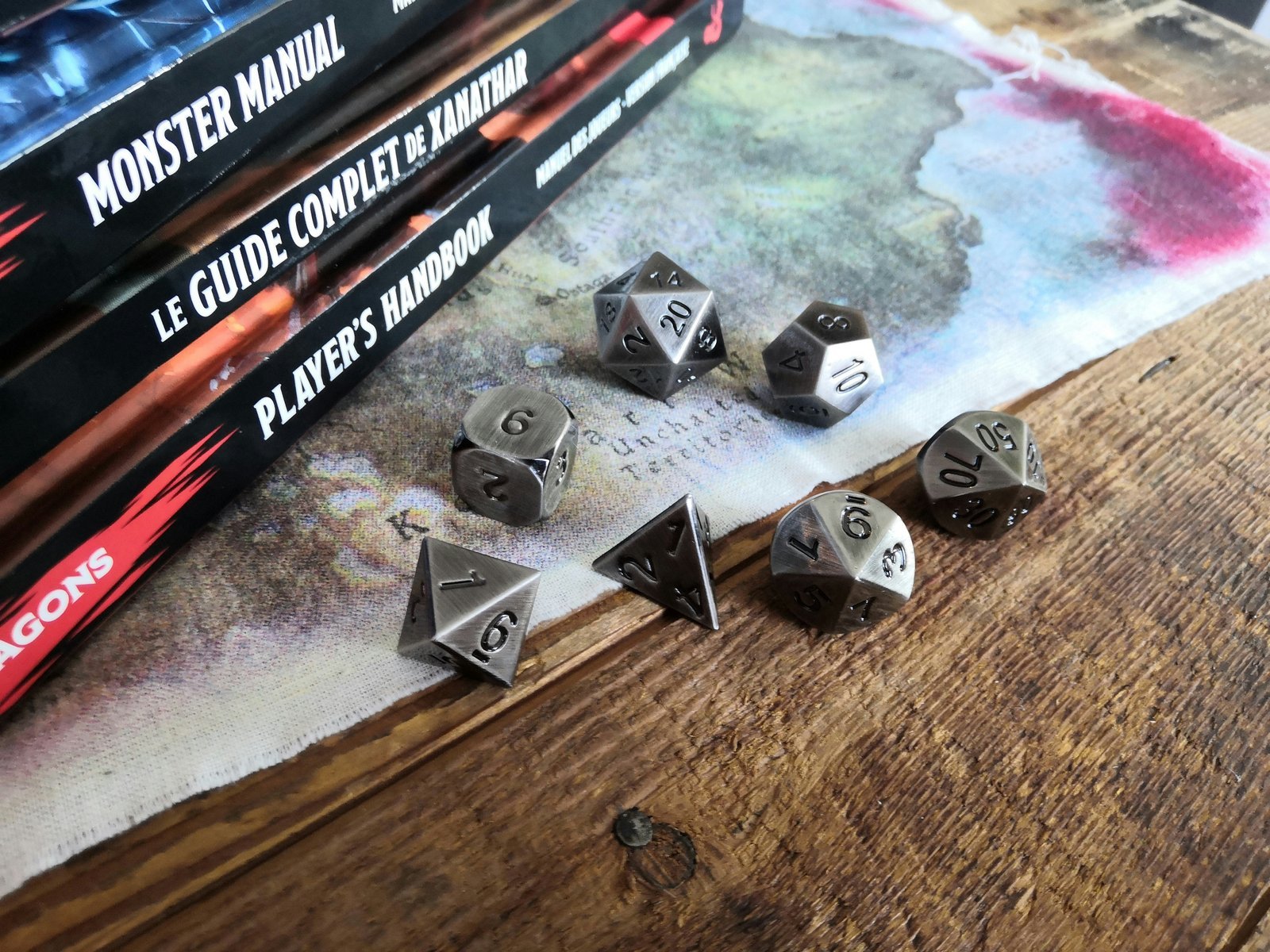

Introduction to ChatGPT and its Role in Dungeon Creation
ChatGPT is an advanced AI language model developed by OpenAI, designed to generate human-like text based on the input it receives. By utilizing deep learning techniques, ChatGPT can understand context, generate coherent narratives, and assist users in a variety of tasks, including the generation of creative content. In recent years, its application in tabletop role-playing games (RPGs) has become increasingly popular, particularly for the purpose of crafting personalized dungeons.
The significance of personalized content in tabletop RPGs cannot be overstated. Players often seek unique experiences that resonate deeply with their individual preferences and storytelling aspirations. A well-designed dungeon serves as a foundational element in gameplay, providing both a physical space for exploration and a narrative framework that drives the adventure forward. With the help of AI tools like ChatGPT, dungeon masters now have the opportunity to create dynamic and customized environments tailored to the specific desires and needs of their gaming group.
The growing popularity of AI-assisted dungeon creation reflects a shift in how enthusiasts approach game design. Traditionally, crafting a dungeon can be a labor-intensive process, requiring hours of brainstorming, mapping, and writing. ChatGPT simplifies this endeavor by allowing users to input their desired themes, atmospheres, and elements, which the model can transform into detailed descriptions, quests, and encounters. This immediate access to personalized content enables dungeon masters to focus on engaging their players while maintaining an impressive level of creativity and originality. As tabletop gaming continues to evolve, the integration of AI like ChatGPT is poised to reshape how dungeons are conceptualized and executed, providing an exciting avenue for innovation in the RPG landscape.
Understanding the Basics of Dungeon Design
Dungeon design is an essential aspect of creating immersive and engaging gaming experiences. At its core, it involves several fundamental principles that can significantly impact player interaction and enjoyment. One of the foremost elements in dungeon design is layout. This encompasses the physical arrangement of rooms, corridors, and other spaces within the dungeon. A well-structured layout not only aids navigation but also helps establish a logical flow that maintains player interest and suspense.
In addition to layout, traps are a crucial component of dungeon design. They serve as obstacles that challenge players, adding an element of danger and unpredictability. The strategic placement of traps can enhance the narrative and contribute to the atmosphere of the dungeon, elevating tension and excitement. It is beneficial to think critically about the types of traps to include, ensuring they fit seamlessly into the overall theme and story of the dungeon.
Challenges and encounters also play a vital role in dungeon design. These can range from puzzles that require critical thinking to combat scenarios testing players’ abilities and resourcefulness. Variety in challenges is important, as this keeps players engaged and allows for different gameplay styles. Furthermore, narrative elements cannot be overlooked. An engaging backstory lends depth to the dungeon, making it more than just a series of rooms filled with traps and monsters. Integrating narratives helps to create a compelling context in which players can immerse themselves, fostering an emotional connection to the experience.
Overall, understanding these basic principles of dungeon design—layout, traps, challenges, and narrative elements—forms a solid foundation for players and designers alike, especially when looking to incorporate AI tools such as ChatGPT into the creative process.
How to Use ChatGPT for Dungeon Ideas and Concepts
When seeking to create personalized dungeons, utilizing ChatGPT can significantly enhance the creative process. This AI-driven tool allows users to explore a plethora of unique ideas and concepts for dungeons, providing a foundation for imaginative gaming experiences. To effectively generate original dungeon ideas, it is vital to formulate strategic prompts that can guide the AI in producing content aligned with your vision.
To begin generating dungeon concepts using ChatGPT, consider starting with broad themes. For example, you might prompt the AI with questions such as, “Generate a fantasy dungeon idea based on ancient ruins” or “Describe a dungeon inspired by underwater cities.” Such prompts can lead to intriguing narratives and environmental elements that can serve as the basis for your dungeon’s design. Moreover, integrating specific character or monster types into your prompts can result in tailored encounters. For instance, asking for dungeons that feature a specific creature, like a dragon or undead, can help craft scenarios that will challenge players while staying true to their gaming preferences.
In addition to thematic inspiration, ChatGPT can also be asked for narrative-driven elements, such as potential traps or puzzles that might exist within the dungeon. Questions like, “What unique traps could be found in a cursed temple?” or “Provide ideas for puzzles that require teamwork to solve” can yield compelling obstacles that enhance gameplay. It is also crucial to request suggestions for the dungeon’s backstory, as this can add depth and motivation for the adventurers. For instance, prompting, “What dark secret could lie within a haunted cavern?” can enhance the overall narrative, providing context that enriches the players’ experience.
Through the effective use of focused prompts and thematic exploration, ChatGPT serves as a powerful ally in the creation of personalized dungeons, ensuring that every session is filled with wonder, innovation, and excitement.
Refining Your Dungeon with ChatGPT’s Help
Creating a personalized dungeon is an intricate process that can significantly enhance the gameplay experience. Using ChatGPT can elevate this process, allowing for a more cohesive and engaging dungeon design. The key to refining your dungeon lies in an iterative approach, where generated ideas are expanded upon and improved through careful consideration and interaction with the AI.
Initially, you may start with broad ideas for your dungeon—its theme, setting, and primary challenges. By using ChatGPT, these ideas can be fleshed out into more detailed descriptions and structures. You can explore various aspects such as the architectural style of your dungeon, the environment, and its inhabitants. As ChatGPT offers suggestions, you should evaluate and modify these inputs to align with your vision, thereby creating a harmonious atmosphere tailored to your narrative.
In addition to environmental features, ChatGPT can assist in developing non-player characters (NPCs) that populate your dungeon. NPCs play crucial roles in enriching gameplay experiences; they can serve as allies, enemies, or neutral parties that enhance the storyline. Such characters can be fleshed out with motivations, backstories, and personalities, all of which ChatGPT can help brainstorm based on the core theme of your dungeon.
Moreover, constructing immersive narratives is pivotal in dungeon design. ChatGPT can aid in weaving together plot elements, creating quest lines, and integrating the actions of players into a larger story arc. By interacting with the AI, you can test various narrative directions, ensuring that they stay coherent and engaging. This back-and-forth interaction promotes an iterative cycle of refinement, where ongoing feedback allows for continuous improvements.
Ultimately, the collaborative engagement with ChatGPT can transform initial concepts into thorough and engaging experiences, ensuring every aspect of your dungeon captures the essence of the adventure you aim to provide.
Incorporating Player Preferences into Dungeon Design
When designing dungeons, acknowledging and integrating player preferences is paramount for fostering an immersive and engaging experience. Each player brings unique interests, styles, and expectations to the table, which can significantly influence their enjoyment of the game. By utilizing ChatGPT, dungeon masters possess a powerful tool to assess these preferences and weave them into the fabric of their dungeon designs.
To start, it is essential to engage players in discussions about their favorite elements in gaming. Factors such as themes (mystery, horror, adventure), gameplay styles (combat, exploration, problem-solving), and character motivations can serve as enlightening pathways to discovery. ChatGPT can assist by generating targeted questions or conversation prompts that can help gauge player interests effectively, ensuring that the design caters to those preferences.
Once insights are gathered, the next step is to employ this information in the dungeon design process. For instance, if a group prefers a focus on exploration, the dungeon could be rich with hidden passages, intricate puzzles, and environmental storytelling. Conversely, if players show a penchant for tactical combat, designing encounters that incorporate varied terrain or strategic placement can enhance their experience. Furthermore, dynamic elements can be integrated based on player preferences; utilizing ChatGPT to help brainstorm these mechanics can lead to innovative solutions.
Moreover, inclusivity is vital. Recognizing the diverse preferences of all players can create an inclusive environment where everyone feels represented and engaged. Engaging ChatGPT during brainstorming sessions can help generate ideas that resonate across different play styles, ensuring that the dungeon remains accessible and enjoyable for all participants.
Creating Dynamic Encounters with ChatGPT
Utilizing ChatGPT as a tool for creating dynamic encounters can significantly enhance the experience of any tabletop role-playing game. By leveraging its capabilities, dungeon masters can generate a rich variety of combat situations, engaging puzzles, and immersive role-playing scenarios. However, it is essential to balance these encounters to ensure they remain challenging yet enjoyable for players.
When crafting combat situations, consider the diverse styles and characters of the players. ChatGPT can assist in generating unique enemies that complement the party’s strengths and weaknesses, creating a sense of unpredictability. For example, if your group specializes in stealth, ChatGPT can create encounters with enemies that are particularly adept at detecting subtle movements or magical abilities that disrupt stealthy actions. This helps maintain a balanced difficulty level while testing the players’ skills.
Puzzles can be another exciting way to engage players. By inputting specific themes or challenges into ChatGPT, a dungeon master can create intricate puzzles that require players to think critically and communicate effectively. These could range from riddles that provide clues about treasures to mechanical puzzles that necessitate teamwork to solve. By varying the complexity of the puzzles based on player experience, you can ensure that everyone remains challenged without becoming frustrated.
In addition to combat and puzzles, role-playing scenarios can significantly impact the narrative flow of your sessions. ChatGPT can help create memorable NPCs and dialogue options that encourage player interaction. Crafting encounters where player choices significantly influence outcomes can elevate the role-playing experience, allowing players to feel their decisions have a real impact on the game world. This engagement fosters deeper connections among players and the story itself, enhancing immersion.
Enhancing Narration and World-Building Through AI
In the landscape of tabletop role-playing games, the role of a Game Master (GM) extends far beyond merely guiding players through a narrative. It involves creating a captivating world that feels alive, fostering immersive storytelling, and enabling dynamic interactions. Utilizing AI tools such as ChatGPT can significantly enhance this experience, particularly when it comes to crafting detailed narratives and rich, personalized world-building.
ChatGPT can serve as an invaluable resource for GMs seeking to improve their storytelling abilities. By providing a platform for dialogue generation, it allows GMs to simulate conversations with non-player characters (NPCs), offering unique voice and personality traits that might not have been initially conceived. This capability can lead to unexpected plot developments, creating a more reactive storytelling environment that actively engages players.
Furthermore, integrating AI-generated lore into the campaign can enrich the backstory and context of the game world. By asking ChatGPT to either create new historical events, legendary figures, or myths, GMs can transform their dungeons into intricately layered spaces rife with narratives waiting to be uncovered. This depth not only enhances player engagement but also encourages exploration and curiosity, inviting players to piece together the world through interaction.
Environmental details are another crucial aspect of world-building that can be significantly enhanced through AI. Whether it is bustling marketplaces, dense forests, or mystical ruins, GMs can describe these settings with vivid and imaginative descriptions generated by ChatGPT. This allows for a stronger sense of place, accommodating player-driven narratives by seamlessly weaving in elements that reflect their choices and actions.
By adopting tools like ChatGPT, GMs can elevate their game sessions, offering players a more enriched experience. This mutual collaboration between GM creativity and AI innovation fosters a gaming atmosphere where narrative and world-building can thrive cohesively.
Testing and Iterating Your Dungeon Design
In the realm of dungeon creation, playtesting is an indispensable phase that greatly influences the quality and enjoyment of the final product. Engaging with players to test your dungeon not only reveals strengths and weaknesses but also provides insights that may not have been apparent during the design phase. Collaborating with players and utilizing their feedback can significantly enhance the overall dungeon experience.
During the playtesting phase, it is important to create a structured approach for evaluating various aspects of your dungeon. Consider establishing specific objectives for the testing sessions, such as assessing the balance of encounters, the clarity of puzzles, and the overall pacing of the adventure. Observing players in action will allow you to identify areas where they struggle or disengage, informing your revisions accordingly. It is beneficial to implement several iterations based on the feedback received, allowing for continuous improvement.
Leveraging ChatGPT in this process can streamline adjustments to your dungeon design. After gathering player feedback, you can input their suggestions and observed challenges into ChatGPT. This tool can assist in generating alternative scenarios, refining puzzles, or adjusting difficulty levels to better meet player expectations. Furthermore, the ability to iterate quickly with ChatGPT’s assistance allows for a dynamic design process where your dungeon can evolve rapidly in response to player experiences.
Ultimately, iterative testing fosters a collaborative environment, where the amalgamation of player feedback and AI-generated solutions leads to a more engaging and enjoyable dungeon. By systematically gathering and acting upon player experiences, you can ensure that your dungeon not only meets design intentions but resonates with the players, enhancing their overall gaming experience.
Conclusion: The Future of Dungeon Design with AI
As the gaming landscape continues to evolve, the integration of artificial intelligence (AI) in tabletop role-playing games (RPGs) represents a significant advancement in dungeon design methodology. By utilizing ChatGPT, creators can craft highly personalized and engaging dungeons that cater to the specific preferences of players. This innovative approach not only enhances creativity but also allows for the rapid development of unique scenarios that might have otherwise taken hours of manual design.
The benefits of using AI tools like ChatGPT for dungeon creation are manifold. Designers can save time while accessing a vast repository of ideas and concepts, which fosters a more inclusive and dynamic game environment. ChatGPT’s ability to provide vivid descriptions, generate intricate backstories, and suggest unforeseen twists contributes to the depth and richness of the gaming experience. This not only enriches storytelling but also enhances player immersion, ensuring that sessions are both memorable and enjoyable.
Looking ahead, the potential for further advancements in AI-driven tools promises to redefine the landscape of tabletop RPGs. The continued improvement of AI technology will likely lead to even more sophisticated applications in dungeon creation, enabling game designers to push the boundaries of creativity. Additionally, as the gaming community continues to experiment with these innovations, collaborative endeavors between human designers and AI tools will pave the way for unprecedented possibilities in game customization.
Overall, it is crucial for both novice and seasoned creators to embrace these AI technologies, experimenting with various methods to integrate them into their designs. This synergy between human creativity and artificial intelligence will not only transform the art of dungeon crafting but also expand the horizons of storytelling in RPGs, ushering in a new era of adventure and exploration.

